A Poodle Puppy Meeting the Resident Dog
Bringing a new Poodle puppy into a home where another dog already lives can feel like navigating a minefield. You're probably buzzing with excitement for your new furry family member, but also deeply anxious about how your resident dog will react – will they be best friends, or will it be a constant struggle for dominance and peace? This guide is here to walk you through the process, offering practical, empathetic advice to help ensure a smooth, positive introduction for both your established companion and your adorable new Poodle puppy.
Understanding the Dynamics Before Introduction
Before you even think about letting paws meet, it’s crucial to understand the unique personalities and needs of both your resident dog and your new Poodle puppy. This isn't just about putting two dogs in a room; it's about setting them up for a lifelong positive relationship. Ignoring these underlying dynamics can lead to stress, conflict, and long-term behavioral issues that are much harder to resolve later. We want to avoid that entirely, don't we?
Reading Your Resident Dog's Cues
Your resident dog is going to be your biggest indicator of how well this introduction is going. They've established their routine, their territory, and their place in your heart and home. A new puppy, no matter how small and cute, is a disruption to that world. It's vital that you understand your older dog's body language and personality. Is your current dog generally laid-back and tolerant, or are they more territorial, anxious, or prone to resource guarding? A dog that tends to be wary of strangers or other dogs might require a much slower, more controlled introduction than a dog that thrives on canine company.
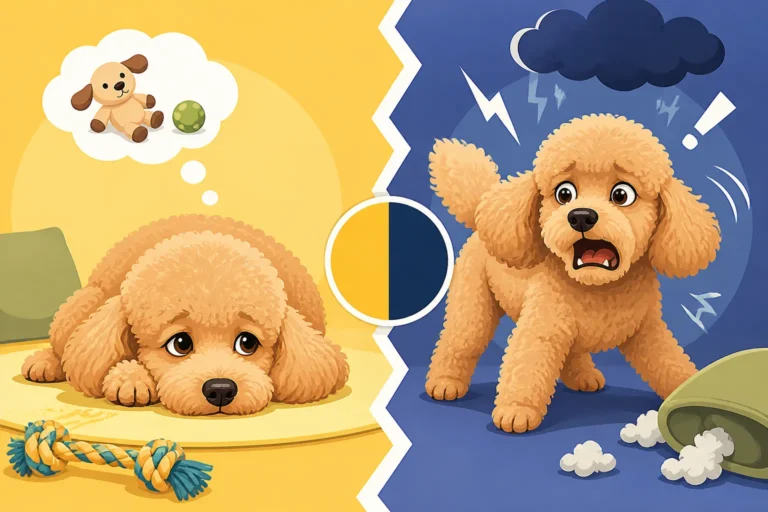
Observe their typical interactions with other dogs, whether at the dog park, on walks, or at a friend's house. Do they approach cautiously, engage in polite sniffing, or dive right into boisterous play? Do they get easily overwhelmed, or do they set clear boundaries with a growl or a snark? Pay close attention to subtle signs of stress like lip licking, yawning, tail tucked low, looking away, or stiff body posture. These are crucial signals that tell you when to intervene and give your resident dog space. Remember, your older dog has earned your trust and protection, and making sure they feel safe and respected throughout this process is paramount. It’s also important to reflect on Reading Pain in a Sensitive Poodle, as both dogs can exhibit subtle signs of discomfort.
The Poodle Puppy's Temperament
Poodle puppies, regardless of size, are known for their intelligence and sensitivity. A Poodle Puppy Meeting the Resident Dog will absorb a lot from the initial interactions. A confident puppy might try to initiate boisterous play, which could overwhelm a more reserved older dog. A shy or fearful puppy, on the other hand, might interpret an older dog's correction as something truly terrifying, setting back their socialization. Understanding the specific Poodle variety you're bringing home is also key. A tiny Toy Poodle puppy might be seen as prey or easily injured by a large, clumsy Standard Poodle, so supervision and appropriate sizing of play are critical.
Many puppies are naturally curious and resilient, but a negative early experience can shape their future interactions with other dogs. We want to ensure that your Poodle puppy learns that other dogs are generally fun and safe, especially when they're still in those critical socialization windows. Gentle, positive exposure is the goal. For further insights into shaping early behavior, consider resources like BAXTER & Bella, which offer online puppy training programs that can help lay a strong foundation for your Poodle's development and interactions. This will also help with Socializing a Poodle Before It Turns Wary.
The Crucial First Steps for a Smooth Introduction
Once you have a good understanding of both dogs, you can start the actual introduction process. This isn't a one-and-done event; it's a carefully orchestrated series of steps designed to minimize stress and maximize positive associations. Rushing this stage is where most people go wrong, leading to avoidable conflicts.
Scent Swapping and Parallel Experiences
Before the dogs even see each other, let them get acquainted through scent. Scent is a dog's primary sense, and it conveys a wealth of information. Take a blanket or towel that the new Poodle puppy has slept on and let your resident dog sniff it. Don't force it; just place it where they can investigate it at their leisure. Observe their reaction – a relaxed sniff is good, a stiff body or growl indicates apprehension. Do the same in reverse, letting the puppy sniff something from your resident dog. This helps them learn about each other in a low-pressure environment, without the visual stimuli that can sometimes trigger anxiety.
Another fantastic step is parallel walking. This means taking both dogs for a walk at the same time, but not necessarily side-by-side initially. Have two handlers, one for each dog. Start by walking them on opposite sides of the street or far enough apart that they acknowledge each other but don't feel pressured to interact. Maintain a relaxed pace, offer treats and praise for calm behavior, and gradually decrease the distance over several walks. The goal is for them to associate the presence of the other dog with positive experiences and the enjoyment of a walk, rather than an immediate, high-stakes confrontation. This also provides an opportunity for Leash Manners for a Standard Poodle or any size Poodle.
Neutral Territory and Leashed Greetings
When it's time for the first visual meeting, choose a neutral, outdoor location that neither dog considers "their territory." A local park or a quiet cul-de-sac works well. Keep both dogs on leash, with two separate handlers. This gives you control and the ability to safely separate them if needed. Avoid tight leashes, as this can transmit tension down to the dog and make them feel more anxious or defensive. Aim for loose leashes, allowing them some freedom of movement to sniff and explore.
Start by letting them see each other from a distance, rewarding calm behavior. Slowly, gently move closer, allowing them to approach each other in an arc rather than head-on, which can be perceived as confrontational. Allow for a brief sniff, maybe a few seconds, then calmly move them apart. Keep these initial meetings short and positive. Look for relaxed body language: soft eyes, loose tails (wagging or neutral), relaxed mouths, and gentle sniffing. Any signs of tension – stiff body, hard stare, growling, lunging, hackles raised – mean you need to increase the distance and slow down. Never force an interaction. You might find sturdy leashes and harnesses on Amazon helpful for these controlled outdoor meetings. Remember, the goal is positive, short interactions. Forcing them to endure a stressful encounter can be detrimental to their bond, and might mean you'll need to work on Rebuilding Trust With a Frightened Poodle later.
| Introduction Stage | Goal | Key Behaviors to Observe | Avoid |
|---|---|---|---|
| Scent Swapping | Familiarize with each other's scent | Relaxed sniffing, curiosity, no aversion | Growling, stiff body, hiding the item |
| Parallel Walks | Associate presence with positive experiences | Calm walking, occasional glances, no pulling or barking | Lunging, incessant barking, high tension |
| Neutral Territory Meet | First visual greeting, brief controlled sniff | Loose body, soft eyes, gentle sniffing, wagging tail | Stiff body, hard stare, growling, tucked tail |
| Supervised Home Access | Gradual integration, shared space under watch | Polite coexistence, brief play, respecting boundaries | Resource guarding, excessive corrections, bullying |
Managing the Integration in Your Home
Bringing the puppy home means managing their shared space. This is where patience truly becomes a virtue. It’s not just about the first meeting, but about building a respectful, harmonious relationship over weeks and months.
Supervising Interactions and Designated Spaces
Once the dogs are back in your home, supervision is absolutely paramount. When they are together, you must be actively supervising. This means no leaving them alone, even for a moment, during the initial integration period. Even a quick trip to the bathroom can lead to an undesirable interaction that sets back progress. Use baby gates or playpens (you can find a wide variety on Amazon) to create physical barriers between them when you can't supervise fully. This allows them to see and smell each other without direct contact, helping them acclimate safely. This also ties into A Poodle in a Multi-Dog House.
Each dog should have its own safe, designated space where they can retreat and be undisturbed. This might be a crate, a dog bed in a quiet room, or a playpen. For your Poodle puppy, a cozy crate can be a wonderful den and aid in house training. Read more on Crate Training a Poodle That Wants Company. Teach children in the home to respect these spaces, ensuring neither dog is bothered when they're resting there. This prevents unnecessary stress and potential snappiness from an overwhelmed or startled dog. Remember, a new puppy brings a lot of excitement, but your resident dog still needs their personal sanctuary.
Feeding, Play, and Resource Guarding Prevention
Resource guarding is a common issue when a new dog is introduced, and it's something you need to proactively prevent. This includes food bowls, high-value treats, toys, and even your attention. Always feed dogs separately, in different rooms, or in their crates. This eliminates any competition or tension around meal times. Supervise all chew sessions, and pick up toys when you can't supervise. Provide plenty of appropriate toys for both dogs, ensuring there’s no scarcity. If one dog consistently tries to take toys from the other, intervene calmly and redirect with a separate, equally appealing toy.
When it comes to playtime, keep initial sessions short and supervised. Look for balanced play where both dogs are enjoying themselves. If one dog is consistently bullying or overwhelming the other, interrupt the play and give them a break. Poodles can be quite sensitive, and a negative play experience can sour their feelings about their new housemate. Teach your resident dog that good things happen when the puppy is around – give them treats and praise for calm, appropriate interactions. Ensure the puppy also learns good manners, such as not jumping all over the older dog. This will also help teach A Poodle Puppy Meeting the Resident Dog that respect is a two-way street. If you notice signs of When a Poodle's Growl Needs a Behaviorist, seek professional help immediately.
Long-Term Harmony and Continued Support
Integrating a new puppy isn't just about the first few days or weeks; it's an ongoing process. Continue to supervise interactions, especially during excited moments like coming home or meal preparation. Ensure both dogs get individual attention, training, and exercise. Your resident dog still needs "their time" with you, just as the puppy needs dedicated training and bonding. Consider enrolling your Poodle puppy in puppy classes – not just for training, but for positive socialization with other puppies in a controlled environment. This can be a great way to use puppy training resources like BAXTER & Bella, which emphasize positive reinforcement and confidence building. This also highlights the importance of Puppy Class Fees for a Fast-Learning Poodle.
As they get older, their relationship will evolve. There might be bumps along the road, but with consistent positive reinforcement, clear boundaries, and plenty of love for both, most dogs can learn to coexist peacefully and even become the best of friends. Be patient, be observant, and always prioritize the safety and emotional well-being of both your beloved Poodles. Your consistency now will pay dividends in a harmonious home for years to come.
Disclaimer
This article is for general informational purposes only and does not constitute professional advice. Laws, prices and regulations vary by location and change over time. Consult a qualified professional for guidance on your specific situation.