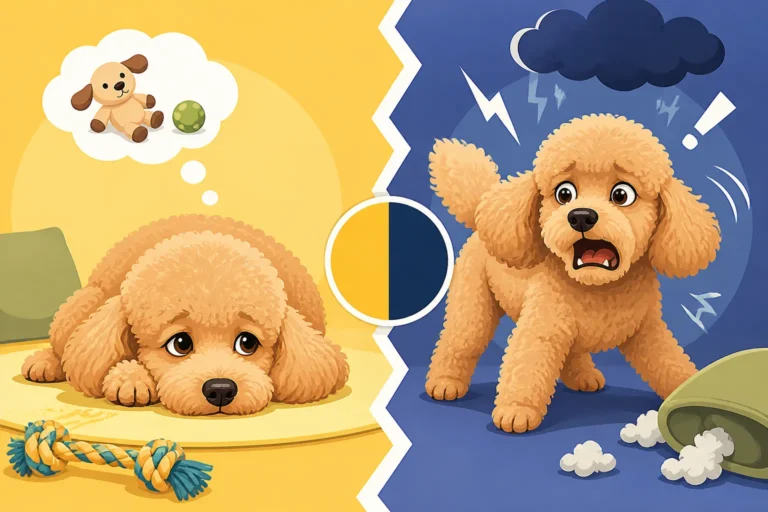
The Weeks That Set a Poodle’s Nerve
Bringing a new Poodle puppy home is often a whirlwind of excitement, love, and let's be honest, a fair bit of anxiety. You've heard all about the critical early weeks, the "socialization window," and the immense pressure to "get it right" before it slams shut. It's enough to make any new owner feel overwhelmed, wondering if every interaction is going to make or break their clever, sensitive little companion. This guide is designed to ease those worries by thoroughly breaking down the key developmental weeks that significantly shape your Poodle's nerve, ensuring they grow into a confident, well-adjusted member of your family, rather than a nervous wallflower.
The Golden Window: Understanding Your Poodle Puppy's Critical Socialization Period
When you first bring home that bouncy, curly bundle of joy, you might not realize just how fast their little brains are developing. There's a widely recognized period in a puppy's life, often called the critical socialization window, that is absolutely crucial for shaping their future temperament and resilience. Missing out on thoughtful, positive experiences during this time can set a Poodle up for a lifetime of unnecessary fear and anxiety.
What is the Critical Socialization Period, Anyway?
Think of the critical socialization period as a time when your Poodle puppy's brain is like a sponge, soaking up every experience and classifying it as either "safe" or "potentially scary." This window typically runs from about three to sixteen weeks of age, though some sources may extend it slightly. During these weeks, puppies are most open to new sights, sounds, smells, textures, people, and other animals without developing significant fear. Their natural curiosity is at its peak, and they are highly impressionable.
It truly feels like a race against the clock, doesn't it? You might worry about exposing your young puppy to the world before all their vaccinations are complete, and that's a valid concern. However, isolating a puppy entirely can be far more damaging to their long-term mental health than carefully curated, low-risk exposures. The key here is quality and safety over quantity. Instead of letting them run wild in a dog park, think about controlled introductions to calm, healthy, vaccinated dogs in a clean, private setting. Similarly, meeting new people should be about positive, gentle interactions, not being swarmed by a crowd. The goal is to build positive associations, so everything new is a treat-worthy adventure.
Why Poodles Need Thoughtful Socialization
Poodles are renowned for their incredible intelligence and their finely tuned sensitivity. This combination makes them exceptionally responsive to their environment, for better or worse. A Poodle that isn't adequately socialized during these formative weeks can quickly become reserved, wary, or even fearful of new situations, people, or other dogs. Their sharp minds mean they notice everything, and their sensitive nature means negative experiences can leave a lasting impact.
Unlike some breeds that might shrug off a startling sound or a clumsy interaction, a Poodle often internalizes these moments. If they don't learn that the world is generally a safe and interesting place, they can develop anxieties that manifest as excessive barking, shyness, or even reactivity. We often talk about Poodle Temperament and Sensitivity, and proper socialization is the bedrock of nurturing that sensitive spirit into a confident companion. Without it, you might find your Poodle growing into an adult that is quite aloof or even fearful of strangers, making simple things like vet visits or guests at home a stressful ordeal. The foundation laid during these early weeks directly influences Whether Poodles Are Aloof With Strangers later in life.
Crafting Positive Experiences: Exposure, Not Overwhelm
The idea isn't to throw your Poodle puppy into every imaginable situation and hope for the best. That's a recipe for overwhelm and potentially negative associations. Instead, we're aiming for controlled, positive exposures that build confidence step by step. Think of yourself as your puppy's guide to the world, showing them that new things are always accompanied by good feelings.
The ABCs of Early Exposure: Sounds, Sights, and Textures
Start with the everyday things that might otherwise startle a young dog. Sounds are a big one. Slowly introduce your puppy to the vacuum cleaner on a low setting from a distance, the sounds of traffic (perhaps from inside your home or car), children playing, or even just the clatter of pots and pans. Always pair these new sounds with high-value treats and gentle praise. You want their little brain to connect "scary sound" with "oh, this means yummy treats!"
Variety in sights and textures is equally important. Take your Poodle on short, clean walks on different surfaces: grass, pavement, carpet, even a few steps on a grating or gravel if they're comfortable. Let them see people wearing hats, sunglasses, or carrying umbrellas. Introduce them to different objects around the house – a crinkly paper bag, a soft blanket, a sturdy cardboard box. A great way to introduce these concepts is through various toys and training tools you can easily find. For instance, many interactive feeders or textured chew toys available on Amazon can help your puppy explore different tactile sensations while also getting a reward. The key is never to force them to interact with something they're clearly wary of; instead, make it their choice, and always reward curiosity.
Meeting New People and Friendly Dogs
Introducing your Poodle puppy to a diverse range of people is incredibly important. Invite friends and family over, but ensure they understand the "rules" of puppy interaction: gentle handling, letting the puppy approach on its own terms, and offering treats. Expose your puppy to people of different ages, genders, and appearances. Think about how someone with a deep voice might seem different from someone with a high-pitched voice, or someone wearing a big hat compared to someone in regular clothes.
When it comes to other dogs, seek out known, calm, and vaccinated adult dogs who are good with puppies. A bad experience with an overly boisterous or aggressive dog can set a puppy back significantly. Puppy classes are fantastic for this, as they provide a controlled environment for safe play and learning. If you have a Toy Poodle, it's particularly important for them to have positive interactions with larger, gentle dogs, so they don't grow up fearful of bigger canines. A Toy Poodle Around Larger Dogs is a huge topic, and early, positive exposures can make all the difference. Remember, the goal is not just "meeting" but "positive meeting." Reward calm interactions and happy curiosity. This also extends to encouraging people to gently handle your puppy from a young age, preparing them for future vet visits and groomers, as discussed in Getting a Poodle Puppy Used to Being Handled.
Navigating Fear Periods and Building Resilience
Just when you think your Poodle puppy is confidently taking on the world, they might hit a "fear period." These are normal developmental stages where puppies suddenly become highly sensitive to previously neutral or even familiar stimuli. It's like their brain hits a reset button and decides everything is terrifying for a bit. Knowing how to react during these times is crucial to avoid reinforcing fear.
Recognizing and Responding to Fear Periods
Puppies typically go through at least one significant fear period, often around 8 to 11 weeks of age, and another during adolescence (which can vary but is often between 6 to 18 months). During these times, a sound that never bothered them before might suddenly send them cowering, or a familiar person might seem scary. Signs of a fear period include:
- Shrinking away or trying to hide
- Tail tucked low or between legs
- Refusal to move or "freeze"
- Sudden barking or growling at something new or familiar
- Increased clinginess
Your natural instinct might be to scoop them up and shower them with comforting words. However, this can inadvertently teach your Poodle that their fearful reaction is justified and that you are rewarding their fear. Instead, acknowledge the potential scary thing calmly. For example, if they're startled by a garbage can on a walk, simply walk past it confidently, perhaps dropping a treat as you go. Show them that you are not worried, and there's nothing to truly fear. Avoid forcing them to interact with the object of their fear. Give them space, but gently encourage them to re-engage with their environment once they've calmed down, always with positive reinforcement.
Cultivating Confidence Through Gentle Training and Play
Beyond direct socialization, structured training and play are powerful tools for building a Poodle's confidence and resilience. Training isn't just about teaching cues; it's about building a language between you and your Poodle, giving them predictability and a sense of control. Even very young Poodles can begin learning simple cues like "sit," "stay," and "come." These early successes build self-assurance. As we know, The Age a Poodle Puppy Starts Learning is very young, and they pick up things remarkably quickly.
Puzzle toys, scent work, and interactive games are fantastic for engaging a Poodle's intelligent mind. Instead of just giving them a bowl of food, consider feeding meals in a puzzle toy. This encourages problem-solving and mental engagement, which can be incredibly tiring and satisfying for a bright Poodle. A bored Poodle is often a mischievous Poodle, so giving them appropriate mental outlets prevents them from inventing their own, less desirable, forms of entertainment. If you're looking for guidance on how to integrate these elements into your puppy's routine, online training platforms like BAXTER & Bella offer comprehensive programs that emphasize positive reinforcement and confidence-building exercises. These resources can be invaluable in channeling your Poodle's intelligence, preventing them from developing habits like those mentioned in What a Poodle Does When Its Brain Is Idle.
The Lifelong Journey: Socialization Beyond Puppyhood
While the puppy socialization window is critical, it's not a one-and-done deal. Socialization is a lifelong process, especially for intelligent and sensitive breeds like Poodles. You wouldn't expect a child to learn everything they need to know about the world by age five and then stop exploring, would you? The same applies to your Poodle.
Adolescent Challenges and Continued Exposure
As your Poodle moves into adolescence, usually between 6 and 18 months, you might notice new behaviors. This period can bring a second "fear period," renewed testing of boundaries, and an increased interest in the world outside your immediate bubble. It's vital to continue exposing them to new experiences, but now with an emphasis on reinforcing good manners and appropriate reactions.
Think about expanding their horizons: carefully introducing them to new dog-friendly stores, parks, or even cafes where they can practice calm behavior amidst novel sights and sounds. Exploring new hiking trails and different natural environments can be wonderful for a Standard Poodle, as discussed in Hiking With a Standard Poodle. Maintaining playdates with friendly dogs, attending advanced obedience classes, or trying out dog sports like agility can keep their minds engaged and their social skills sharp. Don't be discouraged if they seem to "forget" things they knew or show a flicker of nervousness in a new situation. This regression is normal; just calmly guide them through it with patience and positive reinforcement, reminding them of the good associations they've built.
When to Seek Professional Guidance
Sometimes, despite your best efforts, a Poodle might develop anxieties or reactive behaviors that are beyond what you feel comfortable handling on your own. It's not a sign of failure but a responsible step to seek professional help. Recognizing the signs of genuine fear, anxiety, or reactivity early on is crucial. These might include excessive barking or lunging at strangers or other dogs, severe separation anxiety, or an inability to cope with routine changes. You might notice them showing signs mentioned in Fearful and Reactive Poodles.
A certified professional dog trainer who uses positive reinforcement methods, or a veterinary behaviorist, can provide tailored strategies and support. They can help identify triggers, teach you management techniques, and work on behavior modification plans. Early intervention is always best. Services like BAXTER & Bella, while fantastic for foundational puppy training, also provide resources that can help owners identify when a behavior might need more specialized attention and can guide you towards finding appropriate professional help. Investing in expert guidance can make all the difference in helping your Poodle live a happy, confident life.
| Age Range | Key Developmental Stage | Socialization Focus | Example Activities |
|---|---|---|---|
| 8-11 Weeks | Primary Socialization / First Fear Period | Gentle, Positive Exposure | Introduce different household sounds (vacuum, doorbell), meet calm, vaccinated people and dogs (one-on-one), short car rides, walk on various home surfaces (tile, rug). |
| 12-16 Weeks | Secondary Socialization / Continued Learning | Broaden Experiences, Build Associations | Puppy classes, explore quiet public places (pet store, hardware store with puppy carried/in stroller if not fully vaccinated), introduce new textures (grass, pavement, gravel in a controlled area), gentle handling practice. |
| 4-6 Months | Adolescence / Chewing & Testing | Impulse Control, Environmental Proofing | Continue puppy classes, practice polite greetings, provide appropriate chew toys (many options on Amazon), increase exposure to novel but safe environments, reinforce basic obedience. |
| 6-12 Months | Continued Adolescence / Independence | Reinforce Skills, Explore New Activities | Advanced obedience or dog sports (agility, rally), urban walks, hiking, introduce complex puzzle toys (like those suggested by BAXTER & Bella), carefully managed off-leash play in secure areas. |
Essential Tools and Mindset for Success
Building a confident Poodle isn't just about what you do with them; it's also about the tools you use and the attitude you bring to the process. Your mindset profoundly impacts your Poodle's learning and emotional development.
The Right Gear for a Confident Poodle
Having the right equipment can make all the difference in keeping your Poodle comfortable and safe during their socialization adventures.
- Comfortable Harnesses and Leashes: A well-fitting harness protects your Poodle's delicate throat (especially important for Toy Poodles) and gives you better control without discomfort. A sturdy, but lightweight leash is also essential.
- High-Value Treats: These are your secret weapon! Think tiny pieces of cheese, cooked chicken, or specialized training treats. They make every new experience a positive one.
- Interactive Toys: Puzzle feeders, Kongs, and durable chew toys keep their intelligent minds occupied and help with boredom. You'll find a vast selection on Amazon, perfect for every Poodle size and chewing style.
- Crate: A crate, when introduced positively, becomes your Poodle's safe haven. It's a place they can retreat to when overwhelmed, and it's invaluable for potty training and teaching independence. Understanding Crate Size for Each Poodle Variety is key to ensuring it's a comfortable space.
These tools aren't just accessories; they're integral to creating a supportive learning environment.
Patience, Consistency, and a Positive Outlook
Perhaps the most crucial "tool" you have is your own patience and consistency. Poodles are smart, often picking up new cues in just a few repetitions, but they still need time to process and generalize their experiences. You might find that Why Poodles Learn a Cue in Five Repetitions is true for simple commands, but truly generalizing that command in a bustling park is a different challenge. There will be days when your Poodle seems to take two steps back, or when a perfectly calm situation suddenly spooks them. This is normal.
Your calm, positive attitude is contagious. If you approach new situations with confidence and enthusiasm, your Poodle is much more likely to follow suit. Celebrate every small victory, even if it's just a calm look at a new object or a polite greeting with a stranger. Avoid frustration, as Poodles are highly sensitive to your emotions. Remember, you're building a relationship based on trust and mutual respect. The journey of raising a well-adjusted Poodle is incredibly rewarding, culminating in a loyal, intelligent, and joyful companion who trusts you to navigate the world together.
Disclaimer
This article is for general informational purposes only and does not constitute professional advice. Laws, prices and regulations vary by location and change over time. Consult a qualified professional for guidance on your specific situation.