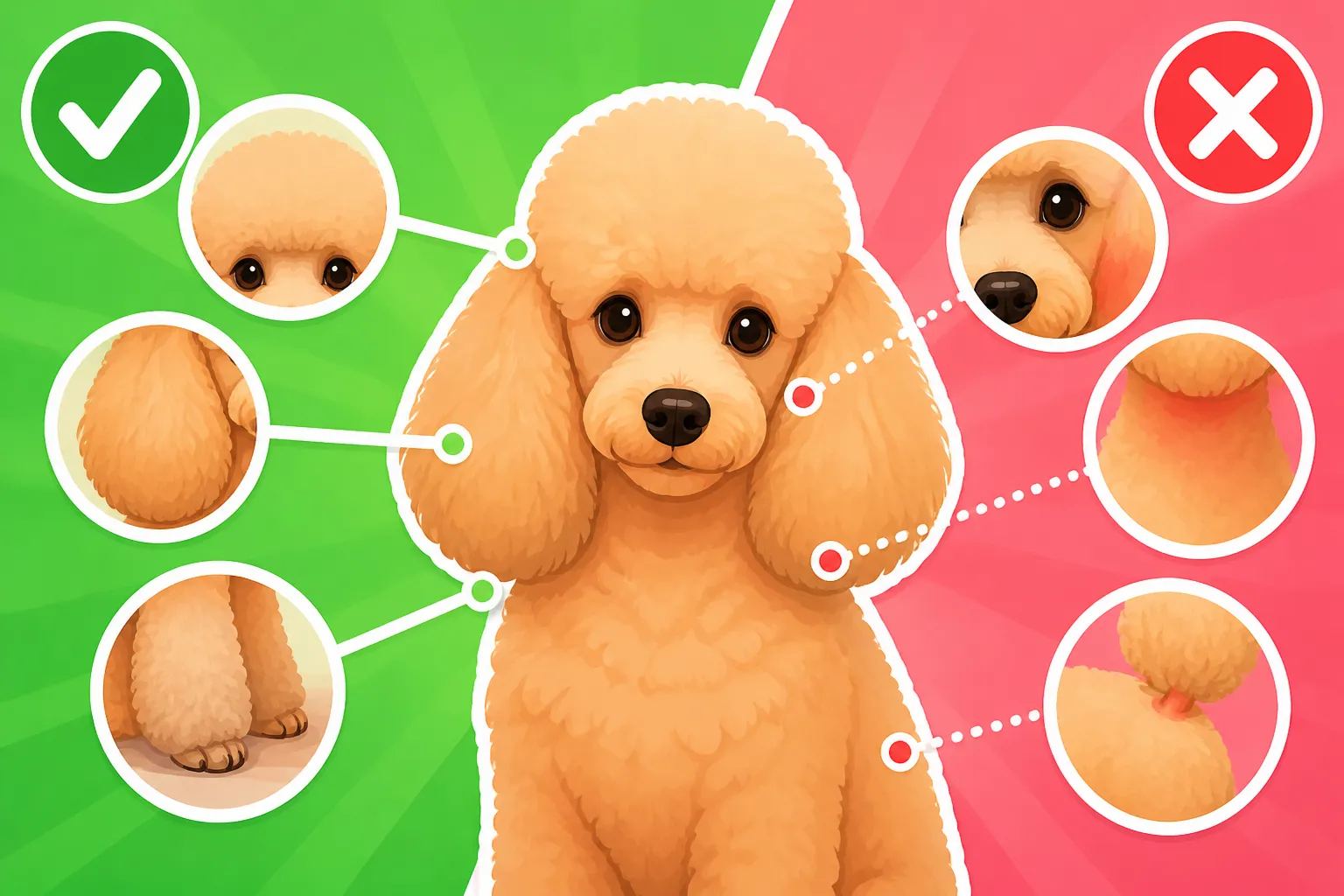
Which Poodle Costs Are Safe to Trim
It's no secret that Poodles, for all their elegance and intelligence, can come with a pretty significant price tag over their lifetime. Many of us find ourselves juggling the desire to give our beloved curly companions the best of everything with the very real constraints of a household budget. This guide is here to help you navigate those costs, pinpointing exactly which Poodle expenses can be safely trimmed without compromising their health or happiness, and where it’s truly wise to invest.
Understanding the Core Poodle Expenses
Before we even think about trimming costs, it's crucial to understand the fundamental expenses that come with owning a Poodle. These aren't just arbitrary numbers; they reflect the essential care needed for a Poodle's unique needs, from their ever-growing coat to their energetic minds and the potential health quirks of the breed. Trying to cut corners in the wrong places can lead to bigger problems, and bigger bills, down the line.
Grooming: The Non-Negotiable Necessity
Let's be real, the Poodle coat is both their crowning glory and their most demanding feature. Unlike many other breeds, Poodles have hair that never stops growing, much like human hair. This means regular grooming isn't just about looking pretty; it's vital for their skin health, comfort, and overall well-being. A matted Poodle is a miserable Poodle, often in pain, prone to skin infections, and potentially facing an expensive and uncomfortable shave-down at the groomer. Many owners are genuinely surprised by what Grooming Adds to a Poodle's Lifetime Cost, finding it to be one of the highest recurring expenses.
This isn't a cost you can simply eliminate. Whether you pay a professional or learn to do it yourself, the time, tools, and effort involved are significant. Ignoring grooming will inevitably lead to veterinary visits for skin issues or sedated shave-downs, which are far more expensive and stressful than routine maintenance. It’s a bit like saying you'll save money by never washing your own hair – eventually, it's going to be an unmanageable mess that requires professional intervention.
The frustration is completely understandable; seeing those grooming bills pile up can be disheartening. However, understanding that this is a core need helps shift the perspective from a luxury expense to a fundamental part of responsible Poodle ownership. It's about finding smart ways to manage this necessity, not wishing it away entirely.
Nutrition: Fueling Their Health
Just like us, Poodles thrive on good nutrition. Their diet directly impacts their energy levels, coat quality, immune system, and even their cognitive function. Cheap, filler-laden foods might seem like a way to save money at the checkout, but they often lead to issues like dull coats, digestive upset, allergies, and can even exacerbate certain health conditions over time. Think about it: if your dog isn't getting adequate nutrients, their body simply can't function optimally.
Choosing the right food for your Poodle also means considering their size and life stage. A high-quality kibble formulated for small breeds might be perfect for a Toy Poodle, while a Standard Poodle puppy needs a large breed formula to support proper bone growth. There's a genuine concern among owners about whether Prescription Diets Suit a Poodle, especially if they have sensitivities or specific health needs. Brands like Ollie, known for fresh food options, can be a great way to provide excellent nutrition, but their cost might seem higher upfront.
The long-term costs of poor nutrition can manifest as more frequent vet visits for recurring skin problems, digestive issues, or managing chronic conditions that a balanced diet could have helped mitigate. It's about prevention rather than reaction. Investing in quality food upfront is often an investment in fewer vet bills later, making it a critical area to consider carefully before trimming.
Veterinary Care: Proactive vs. Reactive
Veterinary care is perhaps the most variable and unpredictable of all Poodle expenses, but it's unequivocally essential. Routine preventive care, like vaccinations, parasite control, and annual check-ups, forms the bedrock of keeping your Poodle healthy. Skipping these can leave your dog vulnerable to preventable diseases that are far more costly (and heartbreaking) to treat. For instance, the prompt diagnosis of issues like Addison's Disease in Standard Poodles can save lives and prevent expensive emergency care.
However, beyond routine care, there's always the specter of unexpected illness or injury. Poodles, like all breeds, are prone to certain genetic conditions. For example, a Standard Poodle might face the terrifying prospect of Bloat and the Deep Standard Poodle Chest, an emergency that requires immediate and costly surgery. Toy Poodles can suffer from Luxating Patella in Toy and Miniature Poodles or Collapsing Trachea in a Toy Poodle, sometimes requiring surgical intervention.
The temptation to put off a vet visit when money is tight is real, but it's a gamble that rarely pays off. Early detection and treatment almost always lead to better outcomes and can often prevent a minor issue from snowballing into a major, expensive crisis. This makes vet care an area where proactive budgeting and planning are far more effective than trying to cut corners once an issue arises.
Training and Enrichment: Mental and Physical Health
Poodles are incredibly intelligent dogs, often ranked among the smartest breeds. This intelligence is a blessing and a curse; a bored Poodle is often a destructive Poodle. Investing in proper training and consistent mental enrichment isn't just about having a well-behaved dog; it's about channeling their sharp minds and high energy into productive outlets. A Poodle that isn't sufficiently stimulated might develop behavioral issues like excessive barking, chewing, or even separation anxiety, which can lead to damaged property and the need for expensive professional behavioral intervention.
This category isn't just about formal classes, though many Poodles excel in Dog Sports a Poodle Excels At. It also encompasses providing engaging toys, puzzle feeders, regular exercise, and consistent daily interaction. Without these, you might find yourself replacing chewed furniture or dealing with a frustrated, anxious dog whose destructive habits are far more costly than a good training class or a few high-quality puzzle toys.
For instance, a Standard Poodle needs daily vigorous exercise, which could be long walks, runs, or playing fetch. A Toy Poodle, while smaller, still needs mental challenges and appropriate physical activity to prevent boredom. Skimping here doesn't just affect their behavior; it impacts their overall happiness and your relationship with them.
Where to Smartly Trim Grooming Costs
Grooming is, without a doubt, one of the most significant and consistent expenses for a Poodle owner. But don't despair! There are definitely smart ways to reduce these costs without turning your Poodle into a matted mess. It requires effort and a bit of a learning curve, but the savings can be substantial over the lifespan of your dog.
Learning Basic At-Home Grooming Techniques
This is arguably the biggest money-saver when it comes to Poodle ownership. While a full show clip might be beyond most owners, learning to perform basic grooming tasks at home can drastically reduce your trips to the professional groomer. This includes regular brushing, bathing, drying, and even clipping your Poodle in a simple, functional style like the Kennel Clip or a short puppy cut.
It takes practice, patience, and the right tools, but think of the thousands you could save over your Poodle's lifetime. There are countless online tutorials and resources available to guide you through tasks like Line Brushing a Poodle Explained or Trimming a Poodle's Face Clean. Start small: focus on brushing every day to prevent mats, then move onto comfortable bathing and drying, and eventually, try a simple clipper trim. You don't have to become a master groomer overnight, but gaining proficiency in these basics can mean the difference between monthly professional grooms and quarterly ones.
Many Poodle owners initially feel overwhelmed by the idea, picturing a botched haircut. However, with good instruction and a willingness to learn, most can achieve a perfectly functional and tidy pet clip. Just make sure you invest in decent equipment – more on that next.
Stretching Professional Grooming Appointments
If you're not ready to go full DIY, or simply prefer the polished look of a professional groom, you can still save money by extending the time between appointments. This is where your at-home maintenance truly shines. By regularly brushing your Poodle to the skin, keeping their coat free of tangles, and performing intermediate tasks like face, feet, and sanitary trims yourself, you can stretch professional grooms from every 4-6 weeks to every 8-10 weeks, or even longer for a shorter clip.
Think of it as the difference between getting a full detail on your car every month versus just a wash and wax, with a professional detail every few months. The key is consistent upkeep at home. If you bring a perfectly brushed and clean Poodle to the groomer, their job is easier, quicker, and often results in a better outcome. If you bring in a matted mess, you'll face not only a higher bill due to the extra work, but also potential surcharges for dematting or a forced shave-down, neither of which is pleasant for your Poodle.
This strategy requires discipline. You cannot skip the daily or every-other-day brushing if you want to extend professional grooms. But the time investment at home is usually far less than the cost of more frequent professional appointments.
Investing in Quality Tools Upfront
This might sound counterintuitive when discussing cost-trimming, but hear me out: cheap grooming tools are a false economy. They break easily, perform poorly, and can make the grooming experience frustrating for both you and your Poodle. Investing in a good quality slicker brush, a sturdy Greyhound comb, a high-velocity dryer, and a reliable set of clippers will pay for itself many times over. These are the "Grooming Tools a Poodle Owner Must Buy" if they plan to do any significant grooming at home.
For instance, a cheap pet store clipper might struggle with a dense Poodle coat, pulling hair and causing discomfort, leading to a negative association with grooming. A professional-grade clipper, while a larger initial outlay, will glide through the coat smoothly, making the process faster and more pleasant. Similarly, a powerful high-velocity dryer dramatically reduces drying time, which is crucial for preventing mats and ensuring the coat is thoroughly dry before brushing.
Consider this: if you spend $30 on a cheap brush every six months because it falls apart, versus $60 on a high-quality one that lasts five years, the long-term saving is clear. The same applies to clippers and blades; while the initial cost of What Poodle Clippers and Blades Cost might seem high, a good set can last for years with proper care and blade sharpening. This upfront investment is a key part of safely trimming your recurring grooming expenses.
Savvy Strategies for Food and Nutrition Savings
Feeding a Poodle, especially a larger Standard Poodle, can add up quickly. But there are smart ways to approach their diet that prioritize their health while also being mindful of your budget. It's not about feeding them less or choosing the cheapest option, but about making informed decisions to get the most nutritional bang for your buck.
Bulk Buying and Smart Shopping
One of the simplest ways to reduce food costs is to buy in larger quantities when possible. If your Poodle tolerates a particular food well, purchasing large bags or cases can often come with a lower per-pound cost. Many online retailers, like Chewy, offer subscription services that not only ensure you never run out but also provide a discount for regular deliveries. This can be especially helpful when you're trying to calculate your Monthly Food Cost for a Toy Poodle or Feeding a Standard Poodle for a Month.
However, be mindful of expiration dates and proper storage. A massive bag of kibble might be cheaper per pound, but if it goes stale before your Poodle can eat it all, or if it's stored improperly and attracts pests, you've wasted money. Airtight containers are a must to keep kibble fresh and palatable. Always compare unit prices (per ounce or per pound) rather than just the total bag price to truly understand where the best value lies.
This approach isn't just for kibble; treats, certain supplements, and even grooming supplies can often be bought in bulk. Just make sure your Poodle enjoys the food before committing to a giant bag!
Considering Different Food Formulations
The pet food market is vast, with options ranging from budget kibbles to gourmet fresh diets. While high-quality food is essential, you don't necessarily need the most expensive option on the shelf to provide excellent nutrition. Sometimes, a mid-range kibble with good, whole ingredients can be perfectly adequate for a healthy Poodle.
It’s worth doing your research and reading ingredient lists carefully. Look for whole meat as the first ingredient, and avoid foods with excessive fillers, artificial colors, or by-products. Some premium brands, while more expensive per bag, might actually be more nutrient-dense, meaning your Poodle eats less to feel full and get the required nutrition, potentially making the actual daily cost comparable to a cheaper, less dense food. Fresh food brands like Ollie can offer excellent nutrition, but for some budgets, a high-quality kibble or a combination of kibble and fresh might be more sustainable.
You can also explore reputable subscription services that offer customized meal plans, often with discounts for new customers or larger orders. The key is to find a balance between quality ingredients and what you can sustainably afford, rather than automatically grabbing the cheapest or most heavily advertised bag.
Homemade Treats and Meal Prep
Another fantastic way to trim costs, especially on treats, is to make them yourself. Store-bought treats can be surprisingly expensive, and many are loaded with unnecessary sugars, fats, and artificial ingredients. With a little effort, you can bake simple, healthy treats using ingredients you likely already have in your kitchen, like sweet potato, pumpkin, apples, or lean meat.
For Poodles with sensitivities, homemade treats offer complete control over ingredients, preventing potential allergic reactions. This is also a wonderful way to provide special enrichment for your Poodle without breaking the bank. For example, a dollop of plain yogurt or peanut butter (xylitol-free!) frozen in a Kong can keep a Poodle happily occupied for a good while.
When it comes to full meals, while some owners opt for a fully homemade diet, this requires careful research to ensure nutritional completeness, often with veterinary guidance. However, you can supplement commercial food with safe, cooked additions like plain chicken, rice, or steamed vegetables. This boosts the nutritional content and palatability without necessarily buying more expensive pre-made fresh food. Just be sure to always check which human foods are safe for dogs.
Managing Vet Bills Without Sacrificing Health
Veterinary care, while unpredictable, can be managed more effectively with proactive strategies. The goal is always to keep your Poodle healthy and catch any issues early, which invariably leads to lower costs in the long run compared to emergency interventions.
Preventive Care as a Long-Term Saving
The old adage "an ounce of prevention is worth a pound of cure" holds absolutely true for veterinary care. Sticking to your Poodle's recommended vaccination schedule, consistent flea, tick, and heartworm prevention, and annual wellness check-ups are not areas to cut corners. Your vet can catch subtle changes in your Poodle's health during these routine visits, leading to earlier and often less expensive treatment.
For instance, regular dental care, including at-home brushing and professional cleanings as needed, can prevent painful and costly extractions down the line. Poodle Dental Disease by Size shows that smaller Poodles are particularly prone to dental issues. Similarly, keeping your Poodle at a healthy weight helps prevent conditions like arthritis and diabetes, which require lifelong management and medication. These are investments that genuinely protect your Poodle's health and your wallet from far greater expenses.
It can feel like a drain to pay for vet visits when your dog seems perfectly healthy, but this proactive approach is precisely what keeps them healthy. Think of it as preventative maintenance on your car – you pay for oil changes to avoid a blown engine.
Exploring Pet Insurance Options
Pet insurance is a game-changer for many Poodle owners, particularly those who worry about unexpected, high-cost vet bills. While it's a recurring monthly expense, it can provide immense peace of mind, knowing that a significant portion of emergency or chronic illness costs will be covered. This is especially relevant for breeds like Poodles, who are susceptible to certain conditions.
When considering pet insurance, it's crucial to research different providers and plans. Look at what's covered (accidents, illnesses, wellness plans), deductibles, reimbursement percentages, and annual limits. Companies like Healthy Paws are well-known for their comprehensive coverage. It’s also vital to enroll your Poodle when they are young and healthy, as pre-existing conditions are typically not covered. Waiting until your Poodle develops a condition like Thyroid Disease in Poodles or Idiopathic Epilepsy in Miniature Poodles will likely mean that condition is excluded from coverage.
While you'll pay a premium every month, having insurance can be a financial lifeline if your Poodle ever needs major surgery, long-term medication, or extensive diagnostic tests. It turns a potentially catastrophic bill into a manageable deductible and a predictable monthly payment. For many, it's not about trimming costs, but about managing risk effectively.
Utilizing Wellness Plans and Discount Programs
Beyond full pet insurance, many veterinary clinics offer their own wellness plans. These are typically subscription-based programs that cover routine preventive care, such as annual exams, vaccinations, and sometimes even discounted dental cleanings or parasite prevention. They can effectively spread out the cost of routine care into predictable monthly payments, often at a slightly discounted rate compared to paying for each service individually.
Check with your local vet to see if they offer such plans. They might be a good option if you want to budget for routine care but feel full pet insurance is too much for your current needs, or if you have an older Poodle for whom full insurance might be prohibitively expensive due to age-related exclusions.
Additionally, some organizations or retailers offer discount programs for pet care and supplies. Loyalty programs at pet stores, senior discounts at certain vets, or even local low-cost vaccine clinics can help reduce specific expenses. Always ask your vet or pet supply store about any available discounts or programs. Even small savings add up over time, helping you keep your Poodle healthy without breaking the bank.
Finding Affordable Enrichment and Training
Poodles are celebrated for their intelligence and desire to work alongside their humans. This means they absolutely thrive on mental and physical challenges. Skimping on enrichment and training isn't just unkind; it often leads to behavioral problems that are far more costly in terms of damaged property, stress, and potential professional help. However, keeping a Poodle mentally and physically fit doesn't have to be expensive.
DIY Brain Games and Exercise
You don't need fancy, expensive gadgets to keep your Poodle's brain active. Many effective brain games can be created with items you already have around the house. For instance, hide-and-seek with treats or toys is a fantastic way to engage their nose and brain. You can use old towels to create snuffle mats by weaving fabric strips through a rubber mat, or simply hide kibble in cardboard boxes for them to sniff out. These activities tap into their natural problem-solving abilities and retrieving instincts.
For physical exercise, think beyond just walking. Fetch, tug-of-war, or even just chasing bubbles in the yard can provide excellent outlets for their energy. Standard Poodles, in particular, need vigorous exercise daily. Even Toy Poodles need regular play sessions to keep them agile and happy. Consider a long line for safe outdoor exploration in open areas, allowing them to run and sniff more freely. Mental Work That Tires a Poodle is just as important as physical exertion.
These DIY activities not only save money but also strengthen the bond between you and your Poodle. It's about creative engagement, not consumption.
Community Classes and Online Resources
Formal training classes are incredibly beneficial for Poodles, helping to channel their intelligence and develop good manners. However, private trainers can be quite expensive. Look into community-run obedience classes, often offered through local humane societies, parks and recreation departments, or breed clubs. These classes are typically much more affordable than private sessions and still provide excellent instruction and socialization opportunities.
The internet is also a treasure trove of free and low-cost training resources. Platforms like YouTube offer countless videos from certified trainers demonstrating everything from basic obedience to advanced tricks. While online learning requires more self-discipline, it can be an invaluable tool for Training the Second Smartest Dog Breed on a budget. You can learn specific techniques for managing Poodle Barking and Alertness or refine their leash manners.
For those considering more advanced sports, local clubs often have reasonable membership fees compared to specialized private facilities. Even if you don't plan to compete, participation in activities like agility, rally obedience, or scent work can be a wonderful outlet for a Poodle's energy and intellect, often at a much lower cost than continuous private instruction.
Smart Toy and Gear Investments
Just like grooming tools, investing in durable, high-quality toys and gear can save you money in the long run. Cheap toys often get destroyed in minutes, leading to constant replacements. Poodles, especially puppies or those with high drive, can be powerful chewers. Look for toys designed for tough chewers, puzzle toys that can be refilled, and interactive toys that encourage engagement rather than just passive chewing.
A good, well-fitting harness or collar, a sturdy leash, and a comfortable crate are also essential, one-time or infrequent purchases. While the initial outlay for a quality crate for each Crate Size for Each Poodle Variety might seem significant, it will last for years, providing a safe den for your Poodle and protecting your home.
| Expense Category | Areas to Potentially Trim | Areas to Prioritize & Invest |
|---|---|---|
| Grooming | Frequency of professional grooms | Quality clippers & brushes for home use |
| Fancy clips (Continental, etc.) | Regular at-home brushing & maintenance | |
| Nutrition | Over-reliance on expensive treats | High-quality, balanced dog food |
| Impulse buying of trendy foods | Bulk buying if suitable | |
| Veterinary Care | Delaying routine check-ups | Annual exams, vaccinations, parasite control |
| Ignoring subtle signs of illness | Pet insurance or wellness plans | |
| Training & Enrichment | Excessive private training sessions | Interactive toys & puzzle feeders |
| Overspending on luxury gadgets | Community classes & consistent practice | |
| Miscellaneous | Constantly buying new, cheap toys | Durable, Poodle-specific gear (beds, crates) |
| Unnecessary accessories | Emergency fund for unexpected costs |
Ultimately, trimming Poodle costs isn't about deprivation; it's about smart resource allocation. By understanding your Poodle's core needs, investing wisely in essential tools and high-quality basics, and embracing a bit of DIY spirit, you can provide an excellent quality of life for your curly companion without constantly feeling the pinch. It’s a marathon, not a sprint, and with a little planning, you can make the financial journey with your Poodle a much smoother ride.
Disclaimer
This article is for general informational purposes only and does not constitute professional advice. Laws, prices and regulations vary by location and change over time. Consult a qualified professional for guidance on your specific situation.