Daily Exercise for a Standard Poodle
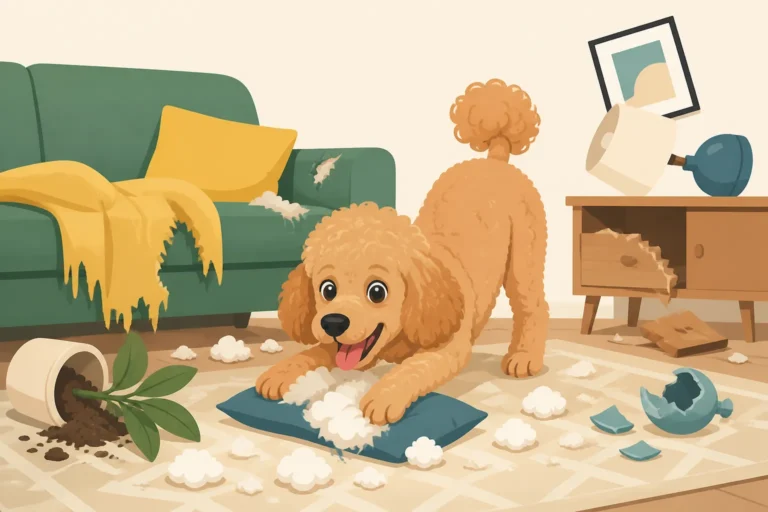
It’s a common misconception that because Standard Poodles look so elegant and refined, they must be delicate couch potatoes. Many new owners, or those simply admiring the breed from afar, might assume a leisurely stroll around the block is all this magnificent dog needs. The reality, however, is often a rude awakening when a bored, unexercised Standard Poodle decides to redecorate the living room with sofa stuffing or vocalize their discontent to the entire neighborhood. This guide will dive deep into the true exercise needs of a Standard Poodle, helping you understand how to keep their intelligent minds and athletic bodies happy and healthy, preventing those common frustrations that arise from a misunderstood Poodle.
Understanding the Standard Poodle's Energy Needs
Before we even talk about specific activities, it's crucial to grasp the fundamental nature of a Standard Poodle. They are not simply ornamental companions; they are built for work and possess a deep well of energy that needs regular, appropriate outlets. Ignoring this aspect of their breed history and temperament is a surefire way to end up with a high-strung, destructive, or perpetually stressed dog.
More Than Just a Pretty Face: The Working Dog History
Let's put the fancy show clips and aristocratic demeanor aside for a moment and remember the Poodle's roots. The word "Poodle" itself comes from the German "Pudel," meaning "to splash in water." These dogs were originally bred as waterfowl retrievers, accompanying hunters into lakes and marshes to fetch downed birds. Think about what that entails: powerful swimming, running through varied terrain, using their keen intelligence to track and retrieve, and enduring challenging conditions.
This isn't a history of lounging by the fire. This is a history of athleticism, stamina, and a strong prey drive channeled into a cooperative working relationship with humans. Their dense, curly coats, often seen in elaborate show clips today, actually served a practical purpose in the field: parts were shaved to reduce drag in water, while pom-poms were left over joints and vital organs to provide warmth and protection from the cold. Understanding this lineage helps us appreciate that a Standard Poodle isn't just a dog that can run; it's a dog that needs to run, to swim, and to engage those inherent retrieving instincts. To deny them these outlets is to deny a core part of who they are.
This deep-seated need for activity is why a Standard Poodle often seems to have boundless energy. They have generations of selective breeding for a demanding, active role in the field, and that genetic programming doesn't just disappear because they're now living in a cozy home. They still possess the drive, the strength, and the mental capacity of a working dog, and if those traits aren't utilized, they will find their own (often inconvenient) ways to express them.
The Difference Between Physical and Mental Stimulation
This is perhaps the most critical distinction for any Poodle owner to understand. Many people believe that simply taking their Standard Poodle for a long walk is enough. While physical exercise is undeniably important, it's only half the equation, and for an intelligent breed like the Poodle, it's often the less challenging half. A Poodle's mind is a powerful engine, and it needs just as much, if not more, fuel than their body.
Physical exercise, like running or walking, burns calories, strengthens muscles, and generally contributes to good physical health. It's essential for maintaining a healthy weight and cardiovascular system. However, a Poodle who has only had physical exercise, even a lot of it, might still come home and feel restless, bored, or even destructive. This is because their highly intelligent brains haven't been engaged. They haven't had to think, to problem-solve, or to use their senses in a meaningful way.
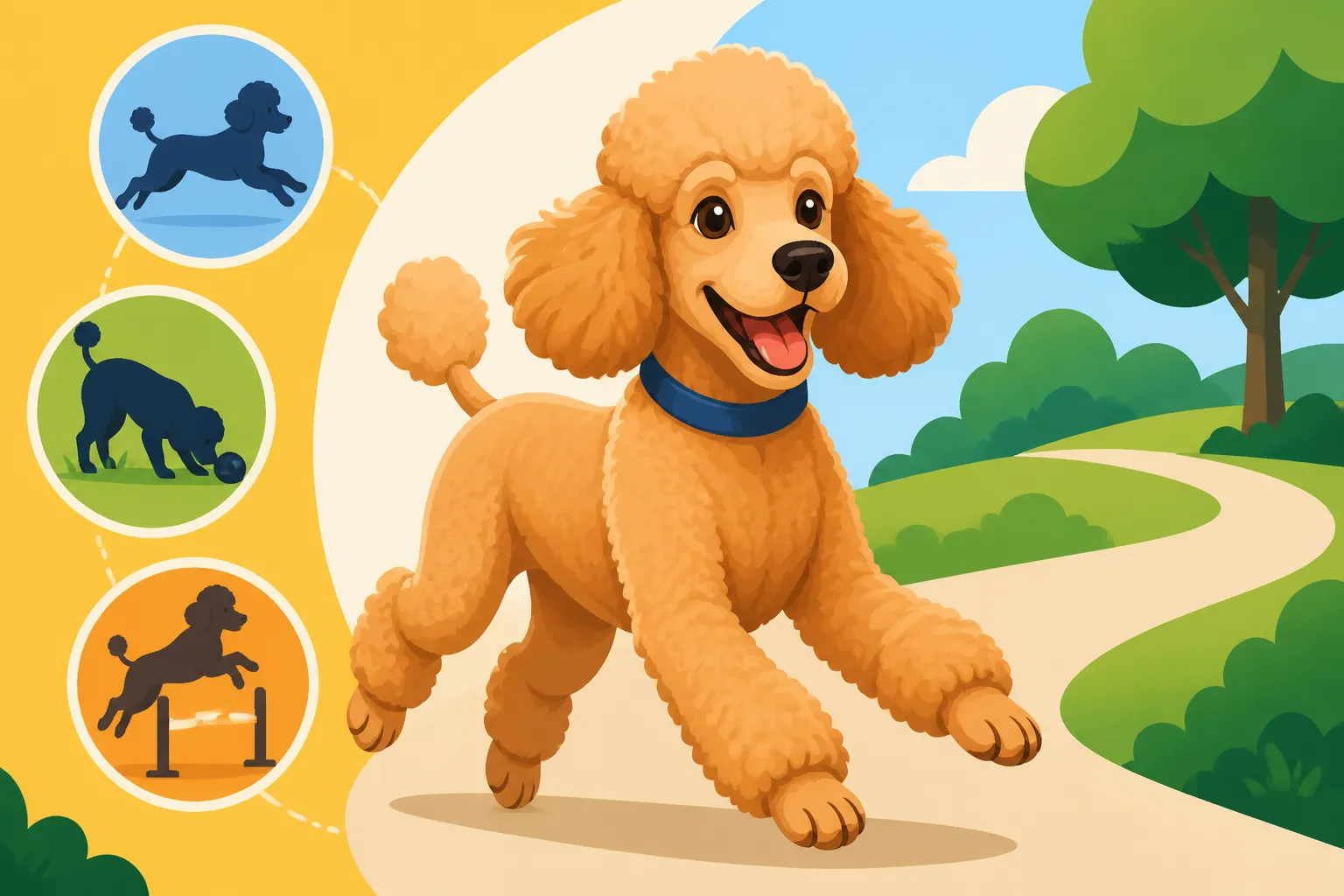
Mental stimulation, on the other hand, involves activities that make your Poodle think, strategize, and use their natural instincts. This could be anything from puzzle toys to obedience training, scent work, or learning complex tricks. It's often said that ten minutes of good mental work can tire a Poodle out more effectively than an hour of purely physical exercise, and there's a lot of truth to that. When their brains are working hard, they're expending mental energy, which leads to a much more satisfied and relaxed dog. Think of it like studying for a big exam – you might not have run a marathon, but your brain feels truly exhausted. Our Poodles are no different. They need a consistent mix of both to be truly content. This holistic approach is key to providing Daily Work for a Poodle's Body and Mind.
How Much Physical Exercise Does a Standard Poodle Really Need?
So, how much do they actually need? There's no one-size-fits-all answer, as it can vary based on individual temperament, age, and health, but there are definitely baseline expectations you should be prepared for if you share your life with a Standard Poodle. They are not content with a quick trot around the garden; they need purposeful movement.
Daily Walks: Quality Over Quantity
The general recommendation for a healthy adult Standard Poodle is typically 60 to 90 minutes of dedicated exercise per day, often broken into two or more sessions. However, the quality of that walk is paramount. A brisk, sniff-filled walk through varied environments is far more stimulating than a purely leash-bound, monotonous pavement pound. Think of it this way: a human walking on a treadmill for an hour might get a good cardio workout, but a hike through a forest engages all the senses and provides far more mental enrichment.
On a good walk, let your Poodle sniff. Sniffing is a huge mental workout for dogs; it allows them to interpret their world through scent. Vary your routes: explore new parks, walking trails, or even different parts of your neighborhood. Allow them to encounter different sights, sounds, and smells. A proper walk isn't just about moving from point A to point B; it's about exploring the world together. The pace should be brisk enough to elevate their heart rate, but also allow for moments of exploration. Consider their stride: a Standard Poodle has long legs and can cover ground quickly, so a comfortable pace for them might feel quite fast to you. For more insights on this, you might find How Far a Standard Poodle Should Walk helpful.
It's a common trap to mistake several short potty breaks throughout the day as "exercise." While essential for bladder control, these quick trips outside offer minimal physical or mental benefit. They're functional, not enriching. If your Poodle's only outdoor time consists of quick trips to the yard, they will inevitably become bored, restless, and likely destructive indoors. Remember, these dogs were bred to range and retrieve, and those instincts don't vanish just because they now live in a home with a fence.
Beyond the Leash: Off-Leash Adventures
While leash walks are good, nothing truly allows a Standard Poodle to stretch their legs and satisfy their desire to run quite like safe, off-leash exercise. This is where their athletic capabilities truly shine. A Poodle in a full sprint is a magnificent sight, and allowing them this freedom is crucial for their physical and mental well-being. Of course, this comes with a huge caveat: a reliable recall is non-negotiable. Without it, off-leash time can quickly become dangerous.
Ideal environments for off-leash play include securely fenced dog parks (if your Poodle is comfortable in such settings) or, even better, large, open, and safe fields or trails where you can practice recall and allow them to run freely without the distraction of other dogs and people. Games of fetch are fantastic for Poodles, tapping directly into their retrieving instincts. A good fetch session where they can really open up and run can be incredibly tiring and satisfying. You'll often see Poodles with a joyful bounce in their step when they know a good game of fetch is on the horizon.
Consider water activities if you have access to a safe lake or dog-friendly beach. Given their heritage, many Standard Poodles absolutely adore swimming. It's an excellent, low-impact full-body workout that can expend a lot of energy without putting stress on their joints. Just be sure to rinse their coat thoroughly after swimming, especially in chlorinated or saltwater, to prevent skin irritation and matting. Always prioritize safety in any off-leash situation, ensuring the environment is secure and that your Poodle's Building Reliable Recall in a Standard Poodle is rock solid before giving them too much freedom.
Engaging Their Brilliant Minds: Mental Stimulation
As we touched on earlier, a Standard Poodle's intelligence is a defining characteristic. This means that alongside physical activity, you absolutely must provide consistent and challenging mental stimulation. A bored Poodle is a destructive Poodle, and their cleverness means they'll find creative (and often inconvenient) ways to entertain themselves if you don't provide suitable outlets.
Puzzle Toys and Interactive Feeders
One of the easiest ways to incorporate mental work into their daily routine is by making them "work" for their food. Ditch the plain bowl and invest in a variety of puzzle toys and interactive feeders. These ingenious devices require your Poodle to manipulate objects, solve a small problem, or use their nose to extract their kibble or treats. This slows down their eating, prevents gulping, and most importantly, engages their brain.
There's a vast array of options available, from simple slow-feeder bowls that just have ridges to more complex treat-dispensing toys that require nudging, rolling, or flipping. Brands like KONG offer various puzzle feeders that can be stuffed with wet food or treats and then frozen, providing a long-lasting challenge. Snuffle mats, which are fabric mats with many folds and pockets, are fantastic for nose work, encouraging your Poodle to sniff out kibble hidden deep within the fabric. These turn mealtime from a five-minute chow-down into a twenty-minute brain game.
You can find a huge selection of these products on platforms like Chewy or Amazon. Start with something relatively easy and gradually increase the difficulty as your Poodle becomes more adept. The goal isn't to frustrate them, but to provide a stimulating challenge that makes them think. Using these for at least one or two meals a day can significantly contribute to their overall mental well-being. For more ideas, explore Feeders That Make a Poodle Think for Dinner.
Training, Tricks, and Scent Work
Poodles love to learn, and they thrive on having a "job" to do. Formal training classes aren't just for puppies; continuing education throughout their lives can be incredibly rewarding for both of you. Beyond basic obedience, consider teaching your Poodle advanced cues, fun tricks, or even practical skills like retrieving specific objects. Their eagerness to please and quick grasp of concepts make them excellent students.
Think about enrolling in dog sports like obedience, rally, or agility. These activities combine physical exercise with intense mental focus, requiring your Poodle to follow a sequence of commands, navigate obstacles, and work closely with you. Not only do these sports provide incredible enrichment, but they also strengthen the bond between you and your Poodle, building communication and trust.
Another fantastic avenue for mental stimulation is scent work, also known as nose work. This activity taps into a dog's most powerful sense – their sense of smell – and allows them to use it in a structured way. You hide specific scents (initially food, then perhaps essential oils like birch or anise) and your Poodle searches for them, alerting you when found. This is a quiet, low-impact activity that is incredibly tiring for dogs, as their brains are working overtime to process and pinpoint scents. It's suitable for Poodles of all ages and physical abilities, and it's something you can easily practice at home. You can start with simple games of "find the treat" hidden under cups or around the room. Nose Work as Exercise for a Poodle is a wonderful way to challenge their intellect. Remember, a Poodle often needs a job rather than just a walk, and these activities provide exactly that purpose. Why a Poodle Needs a Job Rather Than a Walk.
Tailoring Exercise to Your Poodle's Age and Health
Just like humans, a Poodle's exercise needs change throughout their lifespan. What's appropriate for a rambunctious puppy isn't necessarily suitable for a stately senior, and understanding these nuances is key to preventing injury and ensuring long-term health.
Puppy Energy vs. Structured Growth
Poodle puppies are adorable bundles of energy, prone to zoomies and bursts of enthusiastic play. It's easy to get swept up in their boundless excitement and inadvertently over-exercise them. However, a Standard Poodle puppy's bones and joints are still developing, and too much high-impact, forced exercise can lead to orthopedic problems later in life, such as hip or elbow dysplasia.
Instead of long, structured runs or intense jumping, focus on frequent, shorter play sessions. Allow your puppy to play, rest, and self-regulate. Free play in a secure yard, short walks (no more than 5 minutes per month of age), and plenty of mental stimulation through gentle training sessions are ideal. Avoid activities that involve excessive jumping, twisting, or repetitive hard impacts on growing joints. For example, a 4-month-old Standard Poodle puppy might have a total of 20 minutes of walking per day, broken into two 10-minute sessions. As they grow, you can gradually increase the duration and intensity.
Always consult your veterinarian about appropriate exercise levels for your specific puppy, especially during their critical growth phases. They can provide guidance based on your puppy's individual development and monitor for any signs of Growing Pains in a Standard Poodle Puppy. The goal during puppyhood is to build a strong foundation without causing undue stress on their developing bodies. Mental challenges are particularly important here, as they tire puppies out without physical strain.
The Golden Years: Adapting for Senior Poodles
As Standard Poodles age, their exercise needs naturally shift. While they may still have a playful spirit, their bodies might not be as resilient as they once were. Conditions like arthritis, reduced stamina, and sensory decline become more common, necessitating a thoughtful adjustment to their routine. The key is to keep them moving and engaged, but safely and comfortably.
Shorter, more frequent walks at a gentler pace are often ideal. Instead of one long walk, consider two or three shorter outings throughout the day. Pay close attention to their comfort levels; if they're limping, slowing down significantly, or showing signs of pain, it's time to reduce the intensity or consult your vet. Swimming remains an excellent low-impact option if your senior Poodle still enjoys it, as it allows them to exercise muscles without stressing joints.
Mental stimulation becomes even more crucial in their senior years. Puzzle toys, scent games, and short, easy training sessions can keep their minds sharp and engaged, even if their bodies are slowing down. This helps prevent cognitive decline and keeps them feeling purposeful. Consider comfortable bedding and ramps to help them access furniture or vehicles, minimizing strain. Regular veterinary check-ups are essential to manage any age-related conditions like Arthritis in a Twelve-Year-Old Poodle and ensure their exercise plan is appropriate for their current health status. Keeping them active and mentally stimulated can significantly improve their quality of life in their golden years.
Avoiding Common Exercise Pitfalls
Even with the best intentions, it's easy to fall into certain traps when it comes to exercising a Standard Poodle. Understanding and avoiding these common pitfalls can save you a lot of headache and prevent potential health or behavioral problems for your beloved companion.
The Dangers of Under-Exercise
Under-exercising a Standard Poodle is a recipe for disaster. Their high intelligence and boundless energy mean they will absolutely find ways to entertain themselves if you don't provide proper outlets, and these methods are almost never to your liking. The consequences of insufficient exercise are far-reaching, impacting both their behavior and their physical health.
Behaviorally, an under-exercised Poodle can become destructive. This might manifest as chewing furniture, digging in the yard, or excessive barking. They might pace restlessly, jump on visitors, or develop separation anxiety because they have too much pent-up energy and no appropriate way to release it. Think of it as a pressure cooker building steam – eventually, it has to release, and it's rarely pretty. They can become hyperactive indoors, constantly seeking attention in annoying ways, or even develop compulsive behaviors. You might be interested in What an Unexercised Poodle Does to the House.
Physically, a lack of adequate exercise contributes to weight gain, which then leads to a cascade of other health issues such as joint problems, heart disease, diabetes, and a decreased lifespan. Poodle Obesity and Its Consequences is a serious concern for any breed, and Poodles are no exception. They rely on us to manage their physical activity and calorie intake. An under-exercised dog is a frustrated dog, and that frustration can strain your relationship and make living with them far more challenging than it needs to be.
Overdoing It: Signs and Prevention
While under-exercise is a significant problem, it's also possible to overdo it, especially with a dog as eager to please and as stoic as many Poodles can be. They might push themselves beyond their limits to continue a fun activity with you, only to suffer the consequences later. It's up to us, as responsible owners, to recognize the signs that they've had enough.
Signs of over-exercise can include excessive panting, lagging behind on walks, reluctance to move, limping or stiffness (especially the day after), lethargy, and in extreme cases, vomiting or heatstroke. Puppies are particularly vulnerable to overexertion and injury due to their developing bones. Older Poodles, or those with underlying health conditions, also need careful monitoring.
To prevent overexertion, always consider the weather conditions – extreme heat or cold warrant shorter, less intense sessions. Build stamina gradually, especially if your Poodle hasn't been consistently active. Always carry water, and offer frequent breaks for hydration, especially during strenuous activities. After a vigorous play session or long walk, ensure your Poodle has time to cool down slowly before being confined or given a large meal. Learn to read your Poodle's body language; they might not explicitly tell you they're tired, but subtle cues like a slower gait, a droop in their ears, or a disinterest in their favorite toy can signal it's time to call it a day. It's always better to end an activity slightly too early than too late.
Seasonal Considerations for Outdoor Activity
The weather plays a huge role in how and when you can safely exercise your Standard Poodle. Ignoring seasonal changes can put your dog at risk for heatstroke, frostbite, or injury. Being prepared and adjusting your routine is essential for year-round enjoyment.
Hot Weather Workouts
Summer can be a challenging time for active dogs, and Standard Poodles are no exception. While their single coat can be clipped short, they are still susceptible to overheating, especially during midday heat. Heatstroke is a serious, life-threatening condition, so prevention is key.
During hot months, plan your outdoor exercise for the cooler parts of the day: early mornings and late evenings. Avoid walking or playing during the hottest hours (typically 10 AM to 4 PM). Seek out shaded areas like wooded trails rather than open fields. Always check the pavement temperature with the back of your hand; if it's too hot for you to hold your hand on for five seconds, it's too hot for your Poodle's sensitive paw pads. Hot pavement can cause painful burns.
Always carry plenty of fresh water for your Poodle and offer it frequently. Consider a cooling vest or bandanna if your Poodle tends to overheat quickly. Watch for signs of heat exhaustion: excessive panting, drooling, weakness, stumbling, or dark red gums. If you see these signs, stop activity immediately, get your Poodle to a cool, shaded area, offer water, and if symptoms persist or worsen, seek veterinary attention. Short, frequent swimming sessions can be a great way to exercise and cool down in hot weather, as long as the water is clean and safe.
Cold Weather Challenges
Winter presents its own set of challenges for exercising your Standard Poodle. While they are a robust breed, prolonged exposure to extreme cold can still lead to hypothermia or frostbite, particularly on paw pads, ear tips, and tails.
For cold weather walks, consider getting a dog coat or sweater, especially if your Poodle has a shorter clip. This provides an extra layer of insulation. Paw booties can protect their pads from ice, snow, and the harsh chemicals (like road salt and de-icers) often found on winter pavements. If your Poodle isn't keen on booties, consider a paw balm before walks to create a protective barrier, and always rinse and dry their paws thoroughly after coming inside to remove irritants.
Adjust the duration of your outdoor activities based on the temperature. On extremely cold days, opt for shorter, more frequent outings or focus more on indoor games and mental stimulation. Play fetch down a long hallway, practice new tricks, or engage in extensive puzzle toy sessions. Always ensure your Poodle is thoroughly dry after a snowy or wet walk, paying special attention to their ears and between their toes, to prevent skin irritation or chills. Cold weather doesn't mean stopping exercise entirely, but it does mean being smart and proactive about your Poodle's comfort and safety.
Physical vs. Mental Exercise for a Standard Poodle
To help illustrate the importance of balancing both forms of activity, here's a quick comparison:
| Type of Exercise | Examples of Activities | Primary Benefit | Risk of Neglect | Outcome When Balanced |
|---|---|---|---|---|
| Physical | Brisk walks, running, swimming, fetch, hiking, dog parks | Cardiovascular health, muscle tone, calorie burning, joint mobility | Obesity, destructive behavior, restless energy, cardiovascular issues | Fit, healthy body, able to enjoy active pursuits without pain |
| Mental | Puzzle toys, obedience training, scent work, trick training, agility, rally | Brain engagement, problem-solving skills, reduces boredom, builds confidence | Boredom, anxiety, excessive barking, destructive behavior, learned helplessness | Calm, content mind, able to focus, less prone to anxiety and frustration |
This article is for general informational purposes only and does not constitute professional advice. Laws, prices and regulations vary by location and change over time. Consult a qualified professional for guidance on your specific situation.