Why a Poodle Has Hair Rather Than Fur
It’s a common refrain you hear among Poodle enthusiasts and even casual dog lovers: "Poodles have hair, not fur!" But what does that really mean for those of us sharing our lives with these elegant, intelligent companions? This isn't just a quirky fact; it's a fundamental difference that dictates everything from their grooming needs to their reputation as "hypoallergenic" dogs. Understanding the unique nature of a Poodle's coat is crucial for providing proper care, managing expectations, and truly appreciating what makes them distinct. This guide will delve into the science and practicalities behind why your Poodle's coat behaves so differently from, say, a Labrador's, offering insights into its growth, texture, and the dedicated care it requires.
Understanding the Difference Between Hair and Fur
When we talk about "hair" versus "fur" in the canine world, we're not just splitting semantic hairs (pun intended!). There are genuine physiological and structural distinctions that have profound impacts on how a dog's coat behaves, how much it sheds, and what kind of care it needs. This difference is what sets your Poodle apart from many other breeds.
The Growth Cycle: Anagen, Catagen, Telogen
All mammalian hair, whether we call it hair or fur, goes through a growth cycle. This cycle has three main phases:
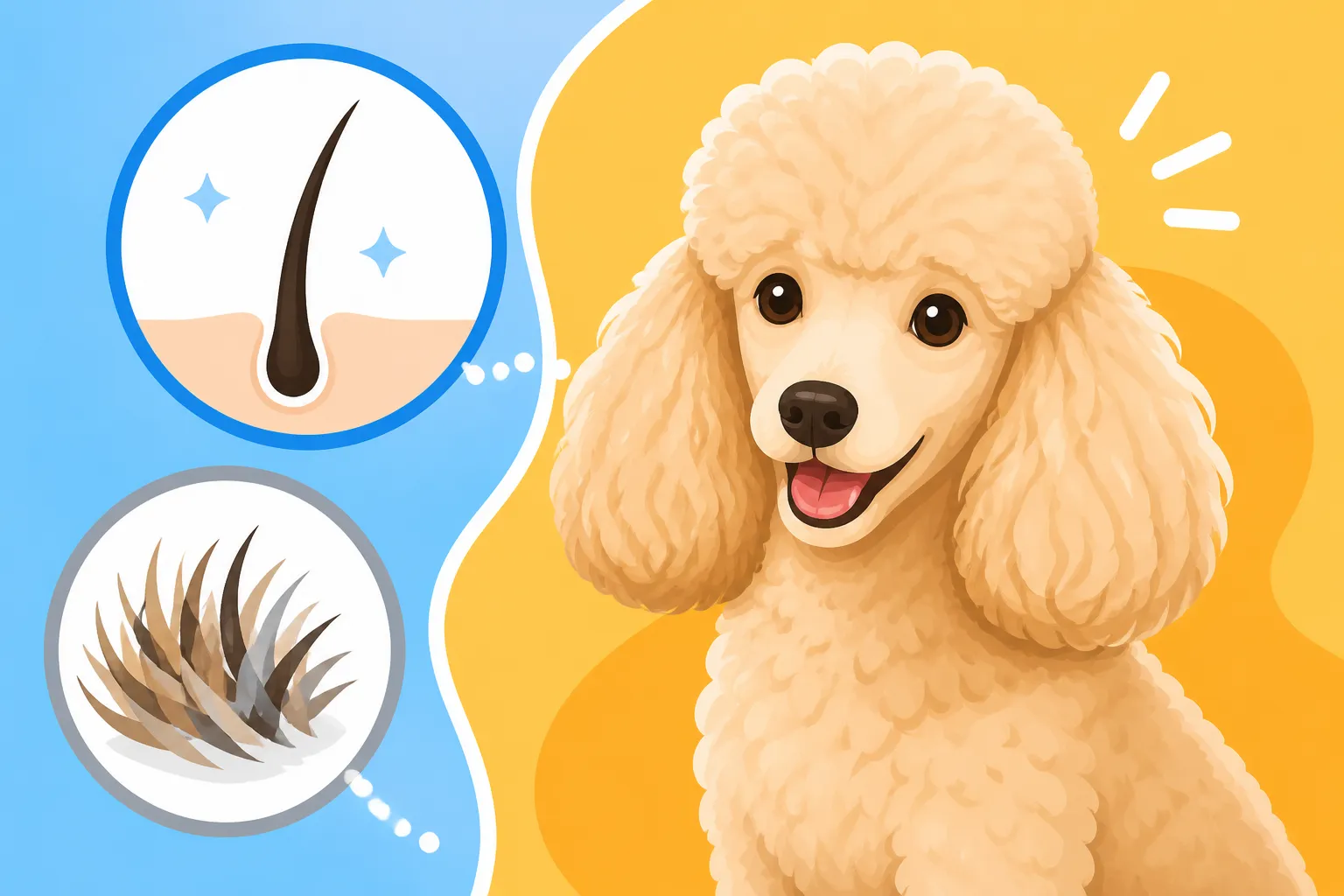
- Anagen (Growth Phase): This is when the hair actively grows from the follicle. The length of this phase determines how long the hair can get.
- Catagen (Transition Phase): A short transitional stage where the hair stops growing and detaches from its blood supply.
- Telogen (Resting Phase): The hair follicle is inactive, and the hair is essentially "dead" but still attached. Eventually, new anagen hair pushes it out, leading to shedding.
For most dogs, those typically described as having "fur," the anagen phase is relatively short, and a large percentage of their follicles are in the telogen phase at any given time. This means their hair grows to a certain length, rests, and then sheds quite regularly, often in seasonal bursts. Think of a Siberian Husky "blowing" its coat – that's a dramatic telogen phase at work.
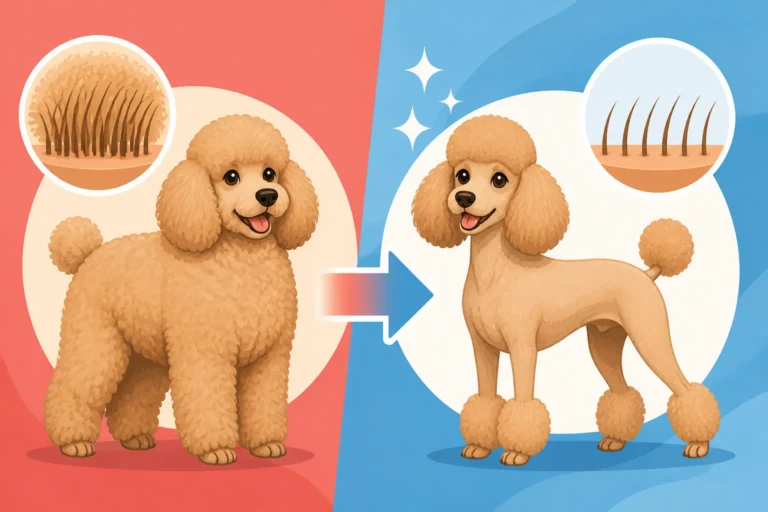
Poodles, however, have a significantly extended anagen (growth) phase. Their hair follicles spend much, much longer actively growing. This means the individual hairs grow for a prolonged period, leading to considerable length if not trimmed. Because fewer follicles are simultaneously in the telogen (resting/shedding) phase, Poodles don't experience the same mass shedding events as furrier breeds. While they do shed, the old hair doesn't drop to the floor en masse; instead, it tends to get caught within the continuously growing, curly new hair, which is where the infamous matting problem comes in. This continuous growth is precisely why you hear so often that The Poodle Coat and Why It Never Stops Growing.
Texture and Density: What You Feel
Beyond the growth cycle, the physical characteristics of "hair" versus "fur" are quite distinct.
- Fur: Typically described as softer, denser, and often has a coarser guard coat over a softer undercoat (a double coat). It's designed for insulation and protection from the elements. The individual strands are generally shorter and have a more defined maximum length before shedding. When you pet a dog with fur, you often feel a thick, soft carpet of many individual hairs.
- Hair (Poodle): Poodle hair is distinctly different. It's often described as being more akin to human hair – individual strands tend to be thicker and have a different cuticle structure. It's typically a single coat, meaning there's no soft undercoat separate from the coarser guard hairs. This single-coat structure contributes to its unique texture. Poodle hair is also famously curly, ranging from tight ringlets to softer waves. This curl is a critical factor in how the coat behaves. When you run your hand through a well-groomed Poodle, you feel a springy, dense texture that doesn't feel like the typical "fur" of other dogs. This unique texture and continuous growth explain Why a Poodle Coat Mats Instead of Shedding.
Why the "Non-Shedding" Myth Persists
The idea that Poodles are "non-shedding" is one of the most persistent myths, often contributing to misunderstandings and sometimes, unfortunately, neglect when owners aren't prepared for the reality. Poodles do shed. Every living hair follicle eventually completes its cycle and releases its hair. However, because of that extended anagen phase and the tight, curly texture of their coats, shed hairs don't simply fall out and scatter around your house like confetti. Instead, they get trapped within the surrounding healthy, continuously growing curls.
Imagine a tangled ball of yarn: if you pull out a loose strand, it just gets caught in the others. That's what happens with Poodle hair. This trapped dead hair, combined with new growth, quickly forms mats if not regularly brushed out. So, while you might not find tumbleweeds of Poodle hair rolling across your floors, the shedding hair is definitely still there, just in a different, more demanding form. Understanding this reality is key to managing their grooming and keeping their coat healthy. If you’re ever wondering Why Poodle Owners Still Find Hair, it's precisely because they do, in fact, shed, just in a way that requires proactive intervention.
The Poodle Coat: A Deep Dive into Its Unique Structure
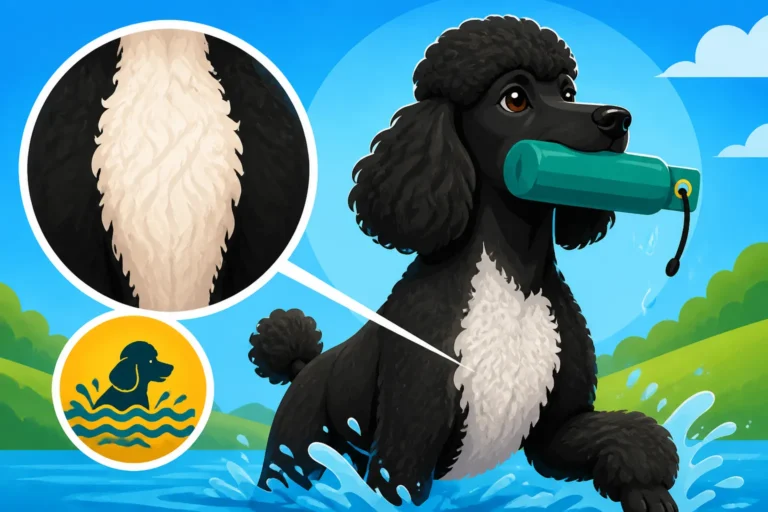
The Poodle's coat is truly a marvel of nature, beautifully adapted for its original purpose as a water retriever. However, for modern pet owners, this unique structure translates into a specific set of care requirements that can't be ignored. It's this continuous, curly growth that defines much of the Poodle ownership experience.
The Continuous Growth Pattern
Unlike many other breeds whose coats grow to a genetically predetermined length and then shed, a Poodle's hair grows continuously, much like human hair. This is why you never see a Poodle with a "natural" coat length that doesn't need trimming. If left untrimmed, a Poodle's hair would grow indefinitely, becoming extremely long, heavy, and a magnet for dirt, debris, and painful mats.
This constant growth is both a blessing and a curse. The blessing is the low-allergen nature (more on that later), and the ability to choose from a vast array of stylish clips. The curse, however, is the relentless need for grooming. Every day that passes without brushing is another day for shed hair to weave itself into the living hair, forming dense knots that can pull on the skin and cause discomfort. Think about your own hair: if you stopped brushing and trimming it, it would become a tangled mess. The same is true, but even more so, for a Poodle because of the curl. This continuous growth also means that if you've ever had a Poodle shaved down due to matting, you'll soon find out How Fast a Poodle Coat Grows Back!
Single Coat vs. Double Coat
Most dogs traditionally categorized as having "fur" possess a double coat. This consists of a soft, dense undercoat that provides insulation, and a coarser, longer outer coat (guard hairs) that offers protection from water and debris. Breeds like German Shepherds, Huskies, and Golden Retrievers all have double coats, which they "blow" seasonally, leading to significant shedding.
Poodles, on the other hand, are a single-coated breed. They lack that distinct, fluffy undercoat. Their entire coat consists of hair that is generally uniform in texture, though some Poodles might have slightly softer hair than others. This single-coat characteristic is directly linked to their extended anagen phase and contributes to the minimal shedding of individual hairs. It's also why Poodles, when wet, tend to look much smaller and scrawnier than you might expect, as their hair clings to their body without the insulating fluff of an undercoat. This single-layer structure also means their skin is more exposed to the elements if they are clipped very short, which is an important consideration for sun protection in summer and warmth in winter.
Implications for Allergies and Dander
The Poodle's unique coat is primarily responsible for its reputation as a "hypoallergenic" breed. However, it's essential to understand that no dog is 100% hypoallergenic. Allergies to dogs are usually triggered by dander (microscopic flakes of skin), saliva, and urine, not just the hair itself. When a dog sheds a lot of fur, these allergens are easily released into the environment, attaching to the shed hair and spreading everywhere.
Because Poodles shed less dander-laden hair into the environment (as it gets trapped in their curls), they produce fewer airborne allergens. This means that many people with mild to moderate dog allergies can comfortably live with a Poodle. The continuous growth and tight curl of their hair mean that allergens are largely contained within the coat itself, making them less likely to become airborne. This is a huge relief for many allergy sufferers who dream of dog ownership. However, regular grooming is still paramount, as brushing and bathing will remove trapped dander and loose hairs, further reducing allergen load. Many allergy sufferers find that keeping their Poodle well-groomed, possibly with specialized shampoos available on sites like Chewy or Amazon, significantly helps manage their symptoms. For a deeper dive into this, check out Whether a Poodle Suits an Allergy Sufferer.
Living with a Poodle's Hair: Grooming and Care Demands
Embracing a Poodle means embracing a commitment to their coat. The very characteristics that make their hair unique and desirable for many—its continuous growth and low-allergen properties—also make it incredibly high-maintenance. There's no getting around it: a Poodle's hair demands consistent, diligent care.
Daily Brushing: Your First Line of Defense
This cannot be stressed enough: daily brushing is not optional for a Poodle. It is the absolute cornerstone of preventing mats, keeping their skin healthy, and managing the shed hair that gets trapped in their curls. Even if your Poodle has a relatively short clip, brushing every day, or at the very least every other day, is vital.
You need the right tools, and you need to know how to use them. A good slicker brush and a metal comb (often called a Greyhound comb) are indispensable. The goal isn't just to skim the surface; it's to brush to the skin. Many Poodle owners make the mistake of surface brushing, which leaves mats forming undetected close to the skin. This is particularly common in areas prone to matting like behind the ears, under the armpits, and on the legs. When mats form, they pull on the skin, causing pain and irritation, and can even lead to skin infections if moisture gets trapped underneath.
A technique called "line brushing" is essential for Poodles. This involves systematically brushing small sections of the coat, starting from the bottom layers and working your way up, ensuring every inch of hair is free of tangles. It's a time commitment, but a necessary one. Learning How to Line Brush a Poodle Properly is a game-changer and will save you endless headaches and vet bills. Even with a short cut, a quick daily brush is far easier than trying to untangle a week's worth of mats.
Professional Grooming: A Necessity, Not a Luxury
While daily home brushing is crucial, it’s usually not enough to keep a Poodle’s coat in tip-top shape indefinitely. Professional grooming, typically every 4-6 weeks, is an absolute necessity for most Poodles. A professional groomer has the expertise, tools (like high-velocity dryers and specialized clippers), and tables to properly bathe, dry, and clip your Poodle's continuously growing hair.
During a professional groom, your Poodle will receive a thorough bath with appropriate shampoos and conditioners (you can find excellent options on Chewy or Amazon), a meticulous drying process that helps straighten the curls for clipping, and a professional haircut tailored to your preferences and your dog's lifestyle. These regular appointments prevent mats from becoming severe, address any developing skin issues, and ensure your Poodle looks and feels their best. Trying to skip professional grooms to save money often backfires, as severely matted Poodles usually require a costly full shave-down at the groomer or vet. This, in turn, can be stressful for the dog and delay the regrowth of a healthy, manageable coat. Understanding the cost involved is part of responsible ownership, so researching Professional Grooming Costs by Poodle Size is a good idea.
The Impact on Your Home and Lifestyle
Owning a Poodle with their unique hair means making certain adjustments to your daily routine and home life.
- Time Commitment: The time required for brushing and coordinating professional grooming appointments is significant. This isn't a "wash-and-wear" breed. You need to carve out dedicated time for coat care, or be prepared to pay for professional services more frequently.
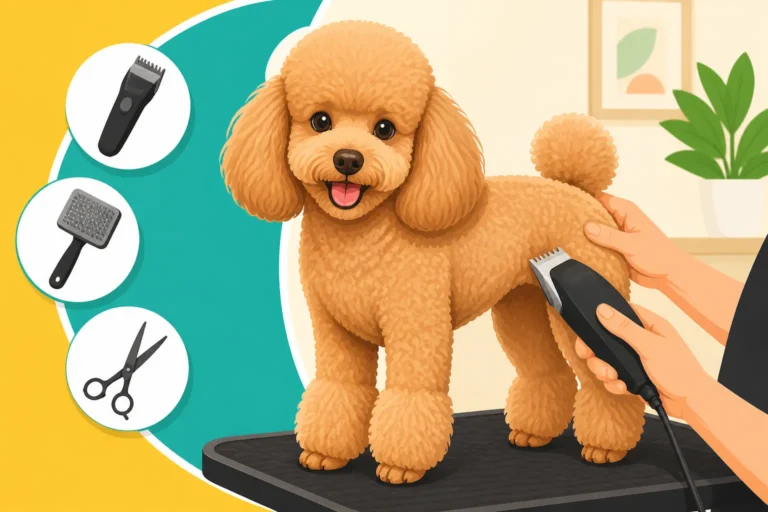
- Grooming Supplies: Investing in quality grooming tools is non-negotiable. A good slicker brush, metal comb, nail clippers or grinder, and possibly even a small pair of blunt-nosed scissors for quick touch-ups around the eyes or paws, are essential. Consider setting up a dedicated grooming corner at home.
- Cleanliness: While Poodles don't shed tumbleweeds, their hair will get on furniture and clothes, especially if not consistently brushed. Their long ear hair also means they are prone to ear infections if ears aren't regularly cleaned and plucked. You can find excellent ear cleaning solutions and pluckers online, perhaps through Amazon, to help with this preventative care.
- Allergy Management: For allergy sufferers, consistent grooming reduces the allergen load. You might also want to consider air purifiers, frequent vacuuming, and washing bedding often. The beauty of the Poodle's coat is its adaptability; you can keep it in a shorter, easier-to-maintain "kennel clip" or "sporting clip" which reduces the time needed for daily brushing compared to a longer, more elaborate show clip. This makes it easier for many families to manage.
- Diet and Coat Health: A healthy diet plays a huge role in the health and luster of your Poodle's coat. High-quality food provides the necessary nutrients for strong, vibrant hair. Brands like Ollie offer fresh, balanced meal options that can contribute to overall skin and coat health, helping to prevent dryness or excessive breakage that could worsen matting.
| Feature | Poodle (Hair) | Most Other Breeds (Fur) |
|---|---|---|
| Growth Cycle | Extended Anagen (growth) phase; grows continuously | Shorter Anagen phase; grows to specific length |
| Shedding | Sheds minimally into environment; trapped in curls | Sheds noticeably, often seasonally |
| Coat Type | Single coat (no distinct undercoat) | Double coat (undercoat and guard hairs) |
| Texture | Curly, dense, springy, more like human hair | Softer, denser, often coarser guard hairs |
| Maintenance | High: Daily brushing, professional grooming (4-6 weeks) | Varies: Regular brushing, less frequent professional grooming |
| Allergens | Lower dander release; often tolerated by allergy sufferers | Higher dander release; more likely to trigger allergies |
Understanding why a Poodle has hair rather than fur is truly the first step in becoming a responsible and prepared Poodle owner. It's a key to appreciating their unique beauty and the specific, joyful demands they bring to our lives. The continuous growth, the springy curls, and the lower allergen profile are all wonderful traits, but they come with a non-negotiable commitment to diligent grooming. By embracing this truth and establishing a consistent care routine, you’ll ensure your Poodle remains not just beautiful, but also happy, comfortable, and healthy for years to come.
Disclaimer
This article is for general informational purposes only and does not constitute professional advice. Laws, prices and regulations vary by location and change over time. Consult a qualified professional for guidance on your specific situation.