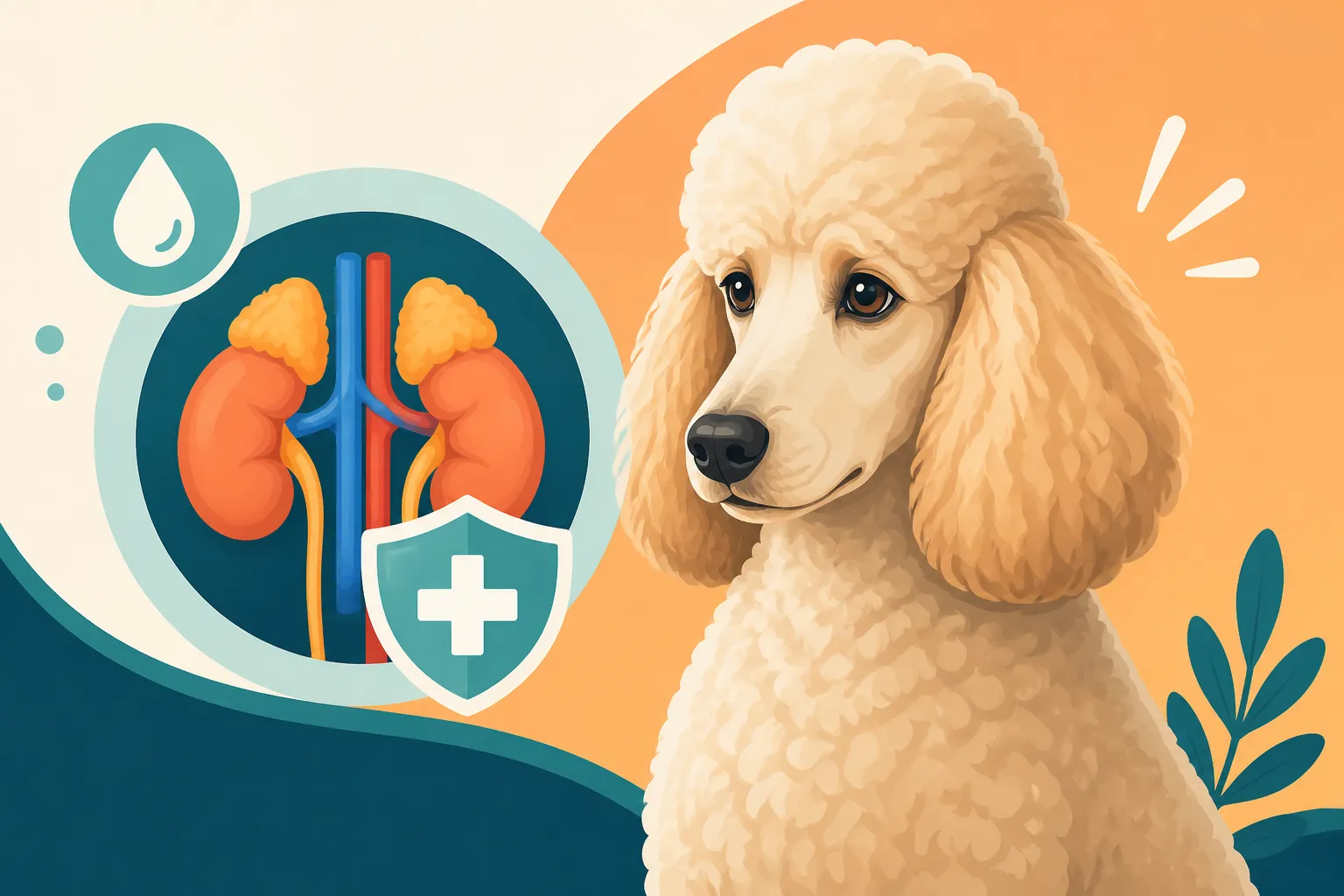
Addison’s Disease in Standard Poodles
It's a heartbreaking scenario many Poodle owners have faced: your beloved companion slowly starts to seem "off," maybe a little tired, not eating with their usual gusto, perhaps a bit of an upset tummy that comes and goes. You take them to the vet, but the symptoms are so vague, so intermittent, that it's hard to put a finger on it. This insidious nature is precisely why Addison's disease in Standard Poodles is often called "the great pretender." This comprehensive guide is here to shed light on this complex condition, empowering you to recognize the signs, understand the diagnosis, and manage it effectively, giving your Poodle the best possible quality of life.
Understanding Addison's Disease in Standard Poodles
Addison's disease, or hypoadrenocorticism, is a condition that results from the adrenal glands' inability to produce enough vital hormones. For us Poodle parents, especially those with Standard Poodles, understanding this disease is crucial because our dogs are disproportionately affected. It’s not just a medical term; it’s a reality that can turn your world upside down if not caught and managed.
What Exactly is Addison's Disease?
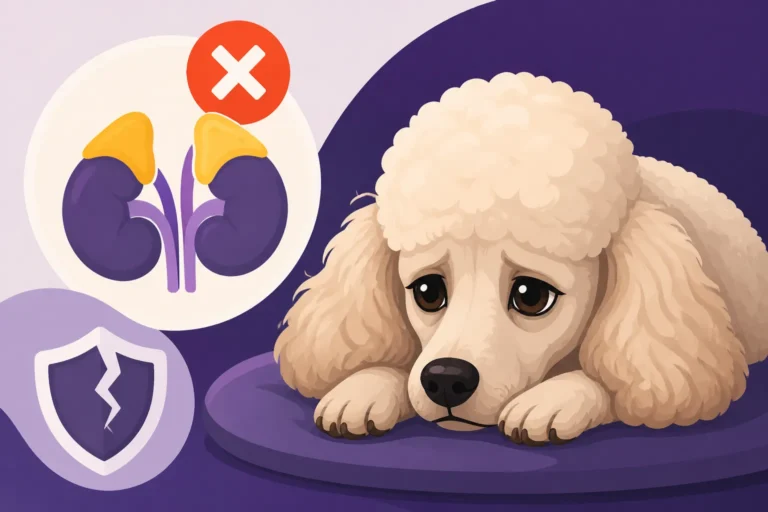
At its core, Addison's disease is a hormonal deficiency. Your Poodle has two small adrenal glands, perched just above their kidneys, that are responsible for producing several hormones. The two most critical ones in the context of Addison's are glucocorticoids (like cortisol, often called the "stress hormone") and mineralocorticoids (like aldosterone, which regulates electrolytes). In a Poodle with Addison's, these glands aren't producing enough of one or both of these hormones.
Cortisol plays a massive role in regulating metabolism, immune response, and helping the body respond to stress. Aldosterone, on the other hand, is the master of electrolyte balance, specifically sodium and potassium. When aldosterone levels drop, sodium levels fall, and potassium levels rise, which can have devastating effects on heart function and overall bodily fluid balance. Imagine your Poodle's internal thermostat and internal plumbing system going haywire—that's a simplified way to think about it. It affects everything from their energy levels to their ability to handle even minor stressors.
Why Standard Poodles are Particularly Prone
It's a tough pill to swallow, but Standard Poodles have a known genetic predisposition to Addison's disease. While it can occur in any breed, it's far more common in our beloved Standards, as well as in Portuguese Water Dogs, Great Danes, and West Highland White Terriers. This isn't just bad luck; there's a strong hereditary component at play. Experts believe it's an autoimmune disease, meaning the Poodle's own immune system mistakenly attacks and destroys the adrenal gland tissue.
This predisposition highlights the critical importance of responsible breeding. When a Poodle breeder knows their lines, they actively work to screen and avoid breeding dogs that are carriers or have produced affected offspring. Sadly, despite widespread awareness within the Poodle community, the genetic markers aren't fully understood, making it harder to completely eradicate. It's why owners of Standard Poodles must always be vigilant for any subtle changes in their dog's health. The genetic bottleneck that affected the breed's immunity, which you can learn more about in "Why the Standard Poodle Gene Pool Narrowed", likely contributes to this higher prevalence of autoimmune diseases like Addison's.
The Two Main Types of Addison's Disease
Understanding that Addison's isn't a monolithic disease but comes in a couple of forms is important for treatment. There are two primary classifications:
-
Primary Addison's Disease (Typical Addison's): This is the most common form, accounting for about 80-90% of cases. In primary Addison's, both mineralocorticoid and glucocorticoid production are deficient. This means your Poodle will struggle with both electrolyte balance (leading to high potassium and low sodium) and stress response. These are the Poodles who are at highest risk for an Addisonian crisis, which we'll discuss in detail later. When vets refer to "Addison's disease," they are usually referring to this form.
-
Atypical Addison's Disease: This form is a bit trickier because it involves a deficiency only in glucocorticoids, meaning the adrenal glands are still producing enough mineralocorticoids. Because aldosterone levels are normal, electrolyte imbalances (high potassium, low sodium) are not present in atypical Addison's. This makes diagnosis even more challenging, as the tell-tale electrolyte changes on routine bloodwork aren't there to tip off your vet. The symptoms are often more vague—just chronic lethargy, loss of appetite, and intermittent vomiting or diarrhea. It's a prime example of why "Poodle Addison's Mistaken for Sulking" is so common; owners might just think their Poodle is feeling moody or tired when it's much more serious.
The Elusive Signs of Addison's: Why It's Called "The Great Pretender"
The most frustrating, and frankly, dangerous aspect of Addison's disease is how it masquerades as other, less serious ailments. Your Poodle's symptoms might come and go, making you question if you're overreacting. This waxing and waning nature is a hallmark of the disease and is precisely why early detection is such a challenge.
Vague and Intermittent Symptoms
Imagine your Poodle, usually a ball of energy, suddenly seems a bit subdued. Maybe they skip a meal or two, or throw up once, then seem fine for a few days, only for the symptoms to return with a vengeance. This "on-again, off-again" pattern is classic Addison's. Stress, whether it's a trip to the groomer, a new dog at the park, or even just changes in the weather, can often trigger or worsen these episodes. The body's inability to produce sufficient cortisol means it can't cope with normal stressors, leading to a cascade of subtle signs.
This variability means that your vet might run a standard blood panel during a "good" period, and everything looks normal, leading to frustration and continued searching for answers. It's a vicious cycle that delays diagnosis and can be emotionally draining for owners who know something is wrong but can't get a definitive answer. This is where truly knowing your Poodle's baseline behavior becomes invaluable. If you notice persistent subtle changes, even if they're not constant, it's worth keeping a detailed journal of when they occur.
Gastrointestinal Upsets
One of the more common ways Addison's disease first shows its face is through recurring gastrointestinal issues. We're talking about things like:
- Vomiting: Not just a one-off regurgitation, but repeated episodes, sometimes with bile or undigested food.
- Diarrhea: Can range from soft stools to watery explosive diarrhea, often appearing suddenly and resolving, only to come back days or weeks later.
- Loss of Appetite (Anorexia): Your Poodle might turn their nose up at food, or eat only small amounts. This can contribute to weight loss over time.
These symptoms, individually, are common to so many canine ailments – dietary indiscretion, parasites, pancreatitis, food allergies. It’s the persistence and intermittency combined with other subtle signs that should raise a red flag. A Poodle who seems perfectly fine one day and then completely shuts down the next, only to rebound somewhat, definitely warrants further investigation for Addison's. Many owners might initially attribute this to simply having a sensitive stomach, but it's much more than that.
Lethargy and Weakness
Another frequent symptom is a generalized lack of energy and weakness. Your normally playful Standard Poodle might not want to go for their usual walk, might be slow to greet you at the door, or might spend more time sleeping than usual. This isn't just laziness; it's a deep-seated fatigue caused by the body's inability to maintain normal metabolic functions and respond to energy demands without adequate cortisol.
This lethargy can be particularly concerning because Poodles are known for their intelligence and often their zest for life. A sudden, unexplained drop in their typical energy level, especially when it waxes and wanes, should never be ignored. Sometimes, the weakness can progress to shivering or trembling, especially when the Poodle is attempting to stand or walk. You might also notice a subtle stiffness or reluctance to move, which could be misconstrued as arthritis or general aging, especially in an older Poodle.
Beyond GI: Other Subtle Indicators
While GI upsets and lethargy are common, Addison's disease can manifest in a surprising array of other ways:
- Increased Thirst and Urination (PU/PD): This symptom is more common in advanced stages or during an Addisonian crisis, as the body struggles to maintain fluid balance. You might notice your Poodle emptying their water bowl more frequently or needing more potty breaks.
- Shaking or Trembling: This can be a sign of electrolyte imbalance or general weakness. It might be subtle at first, perhaps just a slight tremor in their legs, or it can become more pronounced.
- Painful Abdomen: Some Poodles might exhibit signs of abdominal discomfort, guarding their belly or being reluctant to be touched there.
- Hypothermia: A Poodle with Addison's may have a lower-than-normal body temperature, feeling cool to the touch.
- Hair Loss or Poor Coat Condition: While less common and often associated with chronic, untreated cases, some Poodles might show a dull coat or patchy hair loss. This is usually due to the overall ill health and hormonal imbalance.
- Slow Heart Rate (Bradycardia): High potassium levels, a hallmark of primary Addison's, can severely impact heart function, leading to a slow and sometimes irregular heartbeat. This is a critical sign of an impending crisis.
- Weight Loss: Despite the intermittent appetite, many Poodles with Addison's will gradually lose weight over time if the condition isn't addressed.
Because these signs are so varied and can mimic so many other illnesses, it underscores why Addison's is truly "the great pretender." For a more detailed look at these early indicators, check out "First Signs of Addison's in a Poodle". It truly shows how critical it is for owners to be incredibly observant and not dismiss subtle, recurring issues.
| Symptom Category | Common Manifestations | Key Characteristics |
|---|---|---|
| Gastrointestinal | Vomiting, Diarrhea, Anorexia (loss of appetite) | Intermittent, often unexplained. May come and go for weeks or months. |
| Energy & Behavior | Lethargy, Weakness, Depression, Reluctance to move | Gradual onset, waxing and waning. Poodle may seem "off" or "sulking." |
| Fluid Balance | Increased thirst/urination, Dehydration (especially in crisis) | More pronounced as the disease progresses or during a crisis. |
| Electrolyte Imbalance | Shaking/trembling, Slow heart rate, Muscle weakness | Specific to Primary Addison's; can lead to collapse if severe. |
| Other | Weight loss, Poor coat, Abdominal pain, Hypothermia | Less common, often seen in chronic or severe cases. |
The Addisonian Crisis: A Life-Threatening Emergency
When an Addisonian Poodle's body can no longer compensate for the lack of vital hormones, particularly during a stressful event or if the condition goes undiagnosed, they can plummet into a life-threatening state known as an Addisonian crisis. This is a genuine emergency that requires immediate veterinary intervention.
Recognizing a Crisis
An Addisonian crisis is a dramatic escalation of symptoms. Your Poodle might go from "a bit off" to critically ill in a matter of hours. Signs to watch for include:
- Sudden Collapse: Your Poodle might simply collapse, unable to stand or move.
- Severe Vomiting and Diarrhea: Profuse, uncontrollable gastrointestinal upset, often bloody.
- Extreme Weakness and Lethargy: They may be unresponsive or semi-conscious.
- Profound Dehydration: Gums might be tacky, skin loses elasticity, and eyes might appear sunken.
- Shaking and Trembling: More severe than usual, indicating a serious electrolyte disturbance.
- Cold Extremities: Their paws and ears might feel unusually cold due to poor circulation.
- Slow, Weak Pulse: The high potassium levels directly affect heart rhythm and function.
If you observe any of these severe signs, it’s not a moment for hesitation. Your Poodle needs emergency veterinary care immediately. This is not something that will resolve on its own, and every minute counts.
Why Immediate Veterinary Care is Crucial
During an Addisonian crisis, your Poodle's body is in severe disarray. The lack of aldosterone leads to dangerously high potassium levels (hyperkalemia) and critically low sodium levels (hyponatremia). These electrolyte imbalances can directly interfere with heart function, leading to life-threatening arrhythmias and, eventually, cardiac arrest. The kidneys also suffer, and your Poodle can go into acute kidney failure. Furthermore, the extreme dehydration and low blood pressure can lead to hypovolemic shock, where the body's organs are deprived of oxygen and nutrients.
Without immediate and aggressive treatment, an Addisonian crisis is often fatal. The good news is that with prompt veterinary intervention, the prognosis for recovery from a crisis is generally good, though the Poodle will require lifelong management afterward. A detailed article, "The Hour That Decides a Bloating Standard Poodle", talks about the critical timeframe for another emergency (bloat), and while Addison's crisis has different underlying mechanisms, the urgency is just as high.
What Happens at the Vet During a Crisis
When you rush your Poodle to the emergency vet during an Addisonian crisis, they will typically begin aggressive treatment immediately:
- Intravenous (IV) Fluids: Large volumes of IV fluids, often saline, are administered to correct dehydration, normalize blood pressure, and help flush out excess potassium. This is usually the first and most critical step.
- Corticosteroids: High doses of fast-acting glucocorticoids, like dexamethasone or hydrocortisone, are given intravenously. These help stabilize the Poodle, improve blood pressure, and address the cortisol deficiency.
- Mineralocorticoid Replacement: If the Poodle has primary Addison's, mineralocorticoid replacement therapy (like desoxycorticosterone pivalate, or DOCP, brand names Percorten-V or Zycortal) might be started once they are stable, or after initial stabilization, depending on the vet's protocol.
- Electrolyte Monitoring: Blood tests will be run frequently to monitor sodium, potassium, and other electrolyte levels, allowing the veterinary team to adjust fluids and medications as needed.
- Cardiac Monitoring: Due to the risk of arrhythmias, your Poodle's heart rhythm will be closely monitored.
- Supportive Care: This can include anti-emetics for vomiting, gastroprotectants, and warmth if they are hypothermic.
The goal is to stabilize your Poodle, correct the life-threatening imbalances, and then transition them to long-term management. Seeing your Poodle through a crisis is terrifying, but knowing what to expect can help you prepare emotionally and financially. This is where pet insurance, like a policy from Healthy Paws, can be incredibly valuable, as emergency care for a crisis can quickly rack up significant costs.
The Diagnostic Journey: Confirming Addison's
Because Addison's disease is such a masterful mimic, diagnosing it definitively requires specific tests. You can't just guess; you need concrete evidence. The journey often starts with suspicion and progresses to confirmation through specialized hormonal assays.
Initial Suspicions and Bloodwork
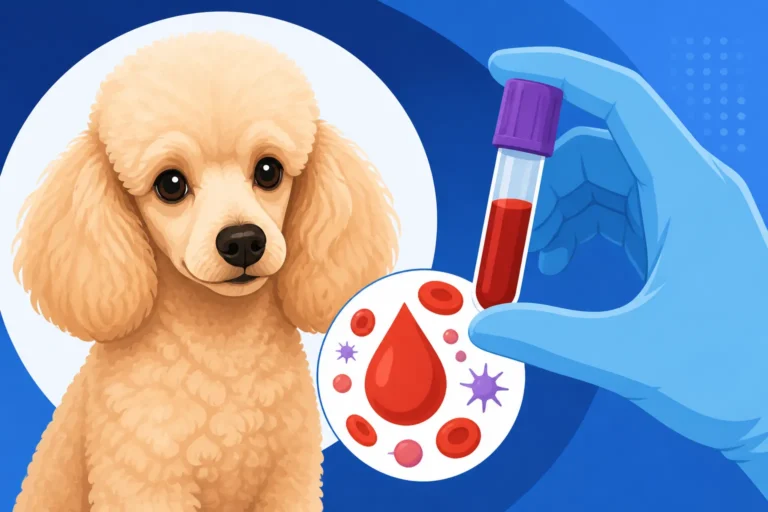
Often, the first hint of Addison's comes from routine bloodwork, especially if your Poodle has been exhibiting those vague, intermittent symptoms. While a standard complete blood count (CBC) and chemistry panel might not give a definitive diagnosis, they can raise significant red flags.
- Electrolyte Imbalances: In cases of typical (primary) Addison's, the most classic finding is high potassium (hyperkalemia) and low sodium (hyponatremia). The ratio of sodium to potassium (Na:K ratio) is particularly telling; a ratio below 27:1 (or even 23:1 in some interpretations) is highly suggestive of primary Addison's. This is often the first indicator that prompts further testing.
- Kidney Values: Elevated BUN (blood urea nitrogen) and creatinine, indicators of kidney function, might be present due to dehydration and poor circulation, mimicking kidney disease.
- Mild Anemia: Some Poodles might show a mild, non-regenerative anemia.
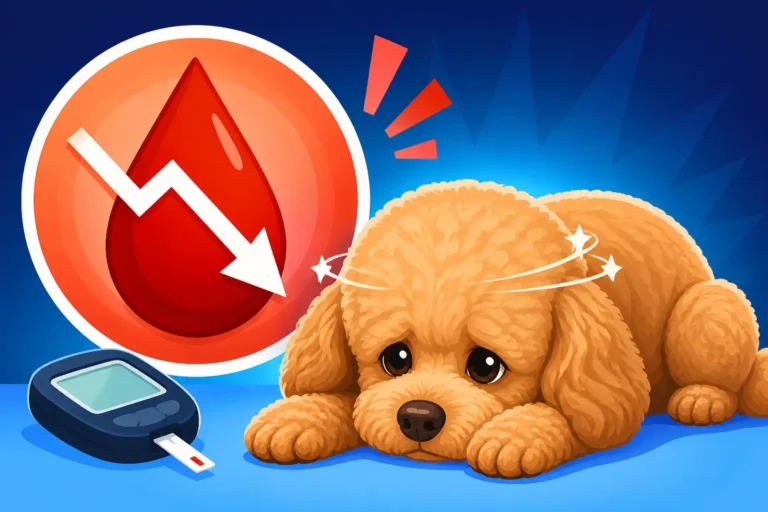
- Low Blood Sugar (Hypoglycemia): Less common, but can be seen in some severe cases, especially of atypical Addison's.
- Low Albumin: A protein produced by the liver, which can be low in some Addisonian Poodles.
However, it's crucial to remember that these changes are not always present, especially in atypical Addison's where electrolytes remain normal. Even in typical Addison's, if your Poodle is currently in a "good" phase, their electrolytes might appear normal. This is why a simple blood test, while a good starting point, isn't enough to rule out Addison's. For more on what your vet checks for, see "How a Vet Confirms Poodle Addison's".
The Definitive ACTH Stimulation Test
If your vet suspects Addison's, the gold standard diagnostic test is the ACTH (Adrenocorticotropic Hormone) Stimulation Test. This test directly assesses the adrenal glands' ability to produce cortisol. Here’s how it works:
- Baseline Blood Sample: Your vet will first collect a blood sample from your Poodle to measure their baseline cortisol level.
- ACTH Administration: Your Poodle will then receive an injection of synthetic ACTH. ACTH is the hormone normally produced by the pituitary gland that stimulates the adrenal glands to release cortisol.
- Second Blood Sample: One to two hours after the injection, a second blood sample is collected to measure the cortisol level after stimulation.
Interpreting the Results:
- Normal Response: In a healthy Poodle, the ACTH injection will cause a significant increase in cortisol production, and the second cortisol level will be much higher than the baseline.
- Addisonian Response: In a Poodle with Addison's disease, the adrenal glands are damaged and cannot respond adequately to the ACTH. Therefore, there will be little to no increase in cortisol from the baseline level to the post-stimulation level. Both levels will remain very low.
This test is highly accurate in diagnosing Addison's disease. One important consideration is that if your Poodle has been on any form of corticosteroids (like prednisone) for another condition, it can interfere with the results of the ACTH stim test by suppressing the adrenal glands. It's vital to inform your vet of any medications your Poodle is taking.
Differentiating Primary and Atypical Addison's
Once an ACTH stimulation test confirms Addison's, further blood tests are often conducted to differentiate between primary and atypical forms. This distinction is critical because it dictates the treatment protocol.
- Aldosterone Measurement: To differentiate, your vet will likely measure baseline aldosterone levels in addition to cortisol. If aldosterone levels are also low (along with low cortisol after ACTH stim), it confirms primary Addison's. If aldosterone levels are normal, but cortisol is low, it points to atypical Addison's.
- Electrolyte Levels: While not definitive on their own, severely abnormal electrolyte levels (high potassium, low sodium) during the initial presentation strongly suggest primary Addison's. If electrolytes are consistently normal, even after an ACTH stim test confirms low cortisol, then atypical Addison's is the diagnosis.
The importance of this differentiation lies in the treatment. Poodles with primary Addison's require replacement of both glucocorticoids and mineralocorticoids, whereas those with atypical Addison's typically only need glucocorticoid replacement.
Lifelong Management of Addison's Disease
Receiving an Addison's diagnosis can feel overwhelming, but the good news is that with proper, lifelong management, most Poodles can live full, happy, and normal lives. It becomes a routine, much like managing human diabetes, and you'll quickly become an expert in your Poodle's care.
Medication Protocols
Managing Addison's disease involves replacing the hormones your Poodle's adrenal glands can no longer produce.
-
Mineralocorticoid Replacement (for Primary Addison's):
- Injectable DOCP: The most common treatment for primary Addison's is an injectable mineralocorticoid, typically desoxycorticosterone pivalate (DOCP), known by brand names like Percorten-V or Zycortal. This is a long-acting injection given by your vet (or, if you're comfortable, at home) usually every 25-30 days. It works wonders in correcting electrolyte imbalances and stabilizing your Poodle.
- Oral Fludrocortisone: An older oral medication, fludrocortisone (Florinef), can also be used. It has both mineralocorticoid and some glucocorticoid activity. However, it needs to be given daily and often doesn't control electrolytes as effectively as DOCP injections, often requiring additional prednisone.
-
Glucocorticoid Replacement (for all Addison's cases):
- Daily Prednisone: All Poodles with Addison's (both primary and atypical) will require a daily, low dose of an oral glucocorticoid, typically prednisone or prednisolone. This replaces the missing cortisol, helping with overall well-being, energy levels, and the body's ability to cope with normal stressors. The dose is usually very low, just enough to keep them comfortable without causing significant side effects. For a deep dive into the medication journey, refer to "Lifelong Treatment for an Addisonian Poodle".
Adjusting Medication and Monitoring
Addison's management isn't a "set it and forget it" situation. Your Poodle will need regular veterinary check-ups and blood tests to ensure their medication is correctly dosed.
- Initial Monitoring: After starting medication, your vet will likely recommend more frequent blood tests (e.g., a week or two after the first DOCP injection, then midway through the cycle) to ensure electrolytes are stable and the prednisone dose is appropriate. This might require slight adjustments to the DOCP injection frequency or the daily prednisone dose.
- Routine Follow-ups: Once stable, most Addisonian Poodles will need bloodwork checked before each DOCP injection or every few months. This allows your vet to monitor electrolytes and ensure optimal control. The daily prednisone dose typically remains quite stable, but sometimes minor adjustments are needed based on your Poodle's overall health and energy levels. These regular checks are vital to prevent recurrence of symptoms or an Addisonian crisis. Don't skip them!
Stress Dosing: A Crucial Skill for Owners
This is one of the most important aspects of managing an Addisonian Poodle. Since their bodies can't naturally produce more cortisol in response to stress, you, as the owner, need to step in and provide extra. This is called "stress dosing."
-
When to Stress Dose: Any situation that would normally cause a healthy Poodle's body to release more cortisol requires stress dosing. This includes:
- Vet Visits: Even routine exams can be stressful.
- Grooming Appointments: The noise, handling, and new environment can be very stressful for some Poodles.
- Travel: Car rides, plane trips, or stays in new places.
- Boarding: Separation from you and being in a new environment.
- Minor Illness/Injury: A bout of diarrhea, a small cut, or a limp.
- Surgery (even minor): Dental cleanings, spay/neuter (if not already done).
- Major Life Changes: Moving house, new pets, visitors for extended periods.
-
How to Stress Dose: Your vet will provide specific instructions, but typically, stress dosing involves giving a 2-3 times higher dose of prednisone for the duration of the stressful event, starting a day or two before if possible, and continuing for a day or two after. For example, if your Poodle normally gets 1 mg of prednisone daily, you might give 2-3 mg on the days surrounding a stressful event. Never alter your Poodle's medication without consulting your vet. Learning to anticipate and proactively stress dose can prevent mild symptoms from escalating or avert a crisis altogether. It's a skill you'll perfect over time. For more information, read "Stress Dosing a Poodle With Addison's".
Living with an Addisonian Poodle: Daily Life and Quality of Life
One of the greatest fears for owners of newly diagnosed Poodles is that their dog's life will be severely restricted. Thankfully, this is rarely the case. With consistent management, an Addisonian Poodle can enjoy a fantastic quality of life. Your Poodle doesn't know they have Addison's; they just know how they feel, and with medication, they will feel much better.
Routine Care and Observation
The key to successful long-term management lies in attentive, routine care and observation. You become the frontline responder, the one who notices the subtle shifts that might indicate a need for adjustment.
- Consistency is Key: Administer medications at the same time each day as directed by your vet. If you’re giving injections at home, ensure they’re on schedule.
- Daily Wellness Checks: Make it a habit to observe your Poodle daily. Are they eating normally? Drinking their usual amount? Is their energy level typical for them? Are their stools normal? These simple observations can catch potential issues before they become serious. Pay particular attention during times of anticipated stress, such as when guests visit or if you change your routine.
- Keep a Health Journal: A simple notebook or even a phone app where you log symptoms, medication times, and any unusual behavior can be incredibly helpful. If symptoms resurface, this journal provides concrete data for your vet, helping them pinpoint causes and adjust treatment more effectively. This is particularly useful as Addison's is the "great pretender," making it easy to miss recurring patterns.
- Open Communication with Your Vet: Don't hesitate to call your vet if you have concerns, even if they seem minor. They are your partner in managing this condition. Regular consultations are vital to keep abreast of your Poodle's evolving needs. Pet insurance, like that offered by Healthy Paws, can help alleviate the financial stress of these frequent vet visits and medication refills, allowing you to prioritize your Poodle's health without undue worry.
Exercise and Activity Considerations
Many owners wonder if their Addisonian Poodle needs to live a restricted life. The answer is generally no! Once stable and properly medicated, most Poodles can enjoy their usual activities.
- Maintain a Normal Routine: Encourage your Poodle to engage in their normal play, walks, and mental stimulation. Exercise is crucial for their physical and mental well-being. A Standard Poodle, for instance, still needs its daily dose of activity.
- Avoid Extreme Exertion During Stress: While normal exercise is fine, be mindful of situations that combine physical exertion with stress, especially if your Poodle hasn't been properly stress-dosed. For example, a strenuous hike in new territory with many unfamiliar dogs might be too much if not planned carefully with extra prednisone.
- Listen to Your Poodle: Always pay attention to your Poodle’s cues. If they seem more tired than usual, allow them to rest. Don't push them if they're showing signs of fatigue, as this could be an early warning of a slight imbalance or that they're not coping well with a stressor. The sensitive nature of Poodles means they often hide discomfort, so learning to read their subtle signals is vital. Read more about this in "Reading Pain in a Sensitive Poodle".
Dietary Management
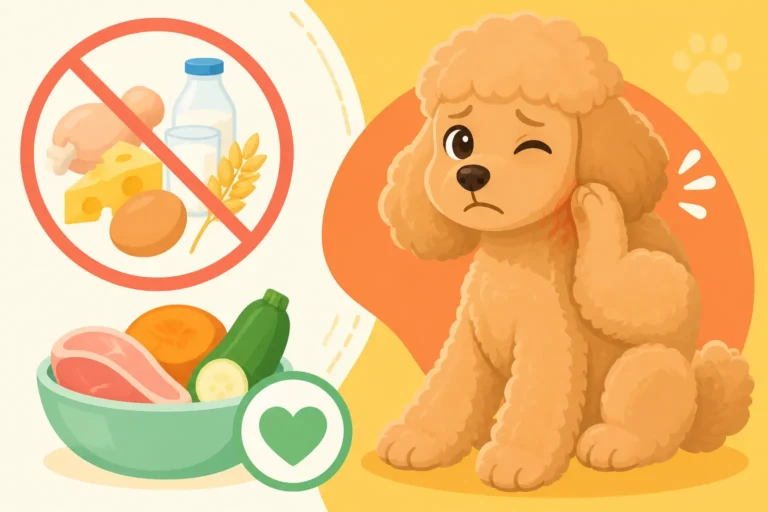
Thankfully, Addison's disease generally does not require a special diet.
- Normal, High-Quality Dog Food: Continue feeding your Poodle their regular, high-quality dog food that they thrive on. Consistency in diet is often beneficial for overall digestive health.
- Consistent Feeding Schedule: Stick to a consistent feeding schedule to aid digestion and help maintain stable blood sugar levels.
- Hydration: Always ensure fresh water is available. Good hydration is important for all dogs, but particularly those managing a hormonal condition.
- Watch for GI Upset: If your Poodle has a sensitive stomach, continue to choose foods that agree with them. If new GI upset arises, it could be a sign of inadequate medication and warrants a call to your vet, rather than an immediate change in food.
The good news is that unlike some other chronic conditions, Addison's doesn't typically require a complex dietary regimen, simplifying daily life for both you and your Poodle.
Prognosis and Long-Term Outlook
Hearing the diagnosis of Addison's disease can be frightening, but it's important to know that the long-term prognosis for Poodles, especially Standard Poodles, with this condition is overwhelmingly positive, provided they receive consistent and appropriate medical care.
With Proper Management, a Normal Life Awaits
Once your Poodle's Addison's disease is correctly diagnosed and brought under control with the right medication protocol, they can go on to live a full and normal lifespan, often without any further symptoms. Many Addisonian Poodles live to ripe old ages, their owners often forgetting they even have the condition because it's so well-managed.
- Regained Vitality: You'll likely see a dramatic improvement in your Poodle's energy, appetite, and overall demeanor once treatment begins. The Poodle who was once "sulking" or lethargic will often bounce back to their old, playful self.
- Stable Health: With regular medication and appropriate stress dosing, the episodes of vomiting, diarrhea, and weakness typically cease. Your Poodle's body can once again regulate its internal functions effectively.
- Normal Activity Levels: As mentioned, your Poodle should be able to enjoy walks, play, training, and other activities just like any other healthy Poodle. The condition does not inherently restrict their physical capabilities.
This positive outlook is a testament to modern veterinary medicine and the dedication of Poodle owners. However, it hinges entirely on consistent, lifelong adherence to the treatment plan. You can learn more about a Poodle's general longevity in the article, "Poodle Lifespan Across the Three Sizes".
Potential Complications
While the prognosis is generally excellent, there are always potential complications to be aware of, mostly stemming from lapses in treatment or unforeseen circumstances.
- Addisonian Crisis Recurrence: The most significant risk is another Addisonian crisis, usually due to missed medication doses, inadequate stress dosing during a particularly stressful event, or a need to adjust medication levels. This is why vigilance and adherence to your vet's instructions are paramount.
- Medication Side Effects: While low-dose prednisone is generally well-tolerated, some Poodles might experience mild side effects, such as increased thirst, increased urination, or increased appetite. Your vet will aim for the lowest effective dose to minimize these. Injectable DOCP generally has very few side effects beyond occasional injection site reactions.
- Other Illnesses: An Addisonian Poodle is not immune to other health issues. If they develop a new illness or require surgery, it's crucial to inform all veterinary staff about their Addison's diagnosis so that appropriate stress dosing can be implemented to prevent a crisis. You might also want to look into "When a Poodle's Addison's Stops Responding" to understand potential challenges in management.
- Financial Burden: The cost of lifelong medication and regular vet visits can be a significant concern for many families. This is where pet insurance, like Healthy Paws, can make a real difference, providing peace of mind and financial support for chronic conditions.
The Importance of a Strong Vet-Owner Partnership
Successfully managing Addison's disease is truly a team effort. Your veterinarian provides the expertise and prescriptions, but you, the owner, are the primary caregiver and observer.
- Trust and Communication: Establish a strong, trusting relationship with your vet. Don't be afraid to ask questions, voice concerns, or seek clarification on treatment protocols. Open communication ensures your Poodle receives the best possible care.
- Advocacy: You are your Poodle's advocate. If you feel something isn't right, or if your Poodle's symptoms persist despite treatment, speak up. Sometimes, it takes a bit of fine-tuning to get the medication just right for an individual Poodle.
- Education: Continue to educate yourself about Addison's disease. The more you understand, the better equipped you'll be to manage your Poodle's condition and ensure their well-being.
By working closely with your vet and remaining observant, you can ensure your Addisonian Standard Poodle continues to live a long, happy, and fulfilling life.
Breeding and Genetic Considerations for Addison's Disease
Given the strong genetic predisposition of Standard Poodles to Addison's disease, particularly the primary form, it's imperative for anyone involved in breeding Poodles to understand their role in mitigating this risk. This isn't just about individual Poodle health; it's about the health of the entire breed.
Addison's in Breeding Lines
Addison's disease is clearly inherited, though the exact mode of inheritance is complex and likely involves multiple genes. This means it can run in families, with certain lines being more prone to producing affected offspring. For reputable breeders, understanding their dogs' pedigrees and the incidence of Addison's in those lines is a critical responsibility.
- Affected Individuals: A Poodle diagnosed with Addison's disease, whether primary or atypical, should absolutely be removed from any breeding program. While they can live normal lives as pets, breeding them risks passing on the genes responsible for the condition to future generations.
- Carriers and Affected Relatives: The challenge lies with Poodles who may be carriers of the genes for Addison's but do not develop the disease themselves. Breeding two carriers together significantly increases the chances of producing affected puppies. Even Poodles with a history of Addison's in close relatives (parents, siblings, offspring) should be considered carefully before breeding. This is why the question of "Whether Addison's Runs in Poodle Lines" is so important.
- The "Iceberg" Phenomenon: Sometimes, Addison's can seem to appear out of nowhere in a line, but often, it's been "under the surface" with subtle cases or carriers that weren't identified. This is why honest and transparent communication among breeders about health issues is vital for the betterment of the breed.
The Role of Responsible Breeders
Responsible breeding practices are the cornerstone of reducing the incidence of inherited diseases like Addison's.
- Health Testing and Pedigree Research: Reputable breeders don't just breed two Poodles because they're pretty. They meticulously research pedigrees for any known incidence of Addison's (and other health issues like Sebaceous Adenitis, bloat, etc.). They will also perform comprehensive health screenings on their breeding stock. While there isn't a direct genetic test for Addison's that identifies all carriers, breeders can still use caution and avoid breeding animals from lines with a high prevalence of the disease. The article "What a Poodle Breeder Must Test For" provides a broader view of essential health screenings.
- Openness and Transparency: A good breeder will be completely transparent about the health history of their breeding dogs and their lines, including any incidences of Addison's. They should be willing to discuss health guarantees and provide documentation of parentage and health clearances. If a breeder is evasive or dismissive about health concerns, it's a significant red flag.
- Genetic Counseling: Some breeders work with veterinary geneticists to make informed breeding decisions, especially when faced with complex inherited conditions.
- Supporting Research: Responsible breeders often contribute to research efforts aimed at identifying the specific genetic markers for Addison's disease in Poodles. Such research would eventually lead to a definitive genetic test, making it much easier to identify carriers and ultimately reduce the disease's prevalence.
By being informed and choosing a reputable breeder, you can significantly reduce your risk of bringing home a Poodle puppy prone to Addison's disease. While no guarantee is absolute, a breeder who prioritizes health and transparency offers the best chance for a healthy companion. Remember, the investment in a well-bred puppy is an investment in their long-term health and your peace of mind.
Disclaimer
The information provided in this article is for general educational and informational purposes only, and does not constitute professional veterinary advice. Always consult with a qualified veterinarian for any health concerns or before making any decisions related to your Poodle's health or treatment.