Whether an Hour a Day Is Enough for a Poodle
It's a common question among Poodle owners, new and seasoned alike: "Is an hour of exercise truly enough for my Poodle each day?" On the surface, an hour sounds like a decent commitment, but for a breed as intelligent and active as the Poodle, the answer is rarely a simple yes or no. Many Poodle parents find themselves perplexed by their dog's boundless energy or sudden mischief, despite what seems like adequate daily activity. This guide is here to shed light on your Poodle's unique exercise needs, moving beyond mere clock-watching to understand how their size, temperament, and sharp minds truly dictate their daily burn.
Understanding Your Poodle's Energy Levels by Size
The term "Poodle" often conjures images of sophisticated show dogs, perhaps a bit dainty. But underneath those meticulously sculpted coats lies a dog bred for work, with different varieties retaining distinct energy profiles. What satisfies a Toy Poodle might leave a Standard Poodle utterly underwhelmed, leading to all sorts of unwanted behaviors.
The Robust Standard Poodle's Need for Movement
Let's start with the grand dame, the Standard Poodle. These are not delicate lap dogs; they are direct descendants of water retrievers, built for stamina and intelligent problem-solving in the field. Their deep chests and athletic builds speak to a dog that can work all day. When you envision a Standard Poodle, imagine a canine athlete, not a couch potato.
An hour of leisurely strolling around the block, while better than nothing, simply won't cut it for most Standards. They need to stretch their long legs, engage their powerful muscles, and truly run. Think brisk jogs, long hikes, intense games of fetch, or even swimming. A Standard Poodle that isn't sufficiently exercised will often find its own ways to burn off energy, which can manifest as digging up your prize-winning roses, counter-surfing for snacks, or developing destructive chewing habits. Owners often lament their Poodle's "zoomies" around the house, when in reality, it's a desperate plea for more appropriate physical exertion outdoors. If you want a calm, well-adjusted Standard Poodle in the house, you need to provide an outlet for their significant drive and energy outside of it.
The Energetic Miniature Poodle's Daily Requirements
Miniature Poodles often strike a wonderful balance, but don't let their medium size fool you into thinking they're low-energy. They are essentially smaller versions of the Standard, retaining much of that athletic prowess and sharp mind. While they might not need to run for miles on end like their larger cousins, they still require substantial daily activity.
An hour of casual walking might cover their basic potty needs, but it's unlikely to satisfy their zest for life. Miniature Poodles thrive on a combination of brisk walks, off-leash play in a safe, fenced area, and interactive games. Many excel in dog sports like agility or obedience, which combine both physical and mental challenges. Without enough activity, a Miniature Poodle can become quite bouncy and restless indoors, often pestering their owners for attention, pawing, or bringing toys constantly. They need to feel like they're doing something, participating in family life, and expending that inherent Poodle drive. Ignoring their needs can lead to a surprisingly vocal Poodle, as they try to tell you in their own way that they're bored and full of untapped energy.
Toy Poodles and Their Surprising Stamina
It's easy to dismiss Toy Poodles as tiny little things content to be carried everywhere or lounge on a silk cushion. This is perhaps one of the biggest misconceptions about the breed! While they are certainly portable and enjoy snuggling, Toy Poodles possess a surprising amount of energy and an incredibly alert, active mind. They might not cover as much ground as a Standard, but their need for stimulation is just as profound.
An hour of sedate activity will not be enough for most Toy Poodles. They need vigorous play sessions, multiple shorter walks throughout the day (think 15-20 minutes, 3-4 times a day, rather than one long hour), and opportunities to run around safely. A Toy Poodle who doesn't get enough physical and mental exercise can become prone to excessive barking, anxiety, or developing small dog syndrome, where they become yappy and nippy because they feel they need to overcompensate. Their small size makes it easy for owners to forget their natural athleticism. Just like their larger relatives, Toy Poodles were bred for intelligence and activity, and they thrive when given a chance to use their bodies and their brains. Leaving a Toy Poodle puppy unexercised, particularly, can lead to frustration for both dog and owner. For these tiny dynamos, a good game of fetch in the living room or a sprint around the yard can be just as beneficial as a long walk, provided it's consistent.
Beyond the Walk: Mental and Physical Stimulation
Thinking of exercise as just "walking the dog" is a common trap, especially with Poodles. Their highly intelligent nature means that physical exertion alone often isn't enough to create a truly contented and well-behaved companion. You've got to work their brains, too!
The Poodle's Need for Brain Work
Poodles are consistently ranked among the most intelligent dog breeds, and this mental horsepower needs an outlet just as much as their physical energy. A physically tired Poodle might still be a mentally bored Poodle, and a bored Poodle is a Poodle looking for a job – often one you won't appreciate. Many Poodle owners will tell you that their clever companions can get into more trouble from sheer boredom than from malicious intent.
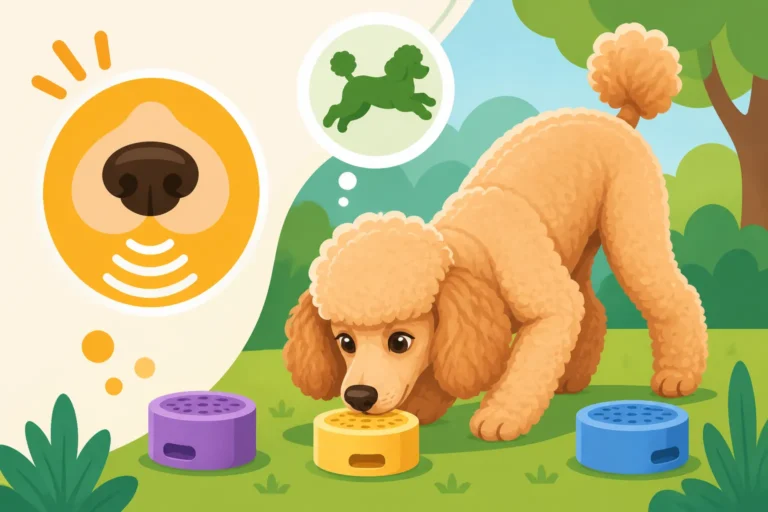
This is where brain games, puzzle toys, and consistent training come into play. Interactive feeders that make your Poodle work for their dinner, like those you can find readily on Chewy or Amazon, can be a fantastic way to engage their minds. Scent work, where they have to sniff out hidden treats or toys, is another excellent way to burn mental energy. Even short, daily training sessions where you teach new tricks or reinforce known cues can be incredibly tiring for a Poodle. They love to learn, and giving them "jobs" helps satisfy that inherent drive. Remember, for a Poodle, learning isn't a chore; it's a puzzle to be solved, and they absolutely thrive on that challenge. In fact, many Poodles can learn a new cue in as few as five repetitions, highlighting their incredible mental capacity. Why Poodles Learn a Cue in Five Repetitions
Incorporating Varied Physical Activities
While a daily walk is a good foundation, relying solely on the same route, day in and day out, can become monotonous for a Poodle. They are curious creatures who appreciate variety and new experiences. Think of it from their perspective: sniffing the same lamppost every day loses its appeal.
Diversifying your Poodle's physical activities can keep them engaged and ensure a more comprehensive workout. For Standard Poodles, consider introducing them to water work – they were originally bred for retrieving ducks, after all! A swim can be an incredible full-body workout that's easy on their joints. Swimming With a Poodle Fetch in a large, open field, or even hiking on varied terrain, can provide excellent physical challenges. For Miniature and Toy Poodles, brisk walks in different neighborhoods, visits to a safe, dog-friendly park, or even indoor agility setups can be highly beneficial. Mixing up the pace – short bursts of running followed by slower sniffing – mimics natural canine behavior and keeps them more interested. Even something as simple as throwing a ball down a hallway for a Toy Poodle can break up the monotony.
The Importance of Socialization and Play
Dogs are social animals, and interactive play with other friendly dogs or with their human family provides a type of stimulation that solo exercise often can't. Poodles, while sometimes reserved with strangers, generally enjoy the company of other dogs, especially if properly socialized from a young age.
A trip to a well-managed dog park, playdates with known canine friends, or even just regular interactions during walks can provide essential physical and social outlets. For a Toy Poodle, it's crucial to ensure their playmates are of a suitable size and temperament to avoid accidental injury. A Toy Poodle Around Larger Dogs Supervised play allows them to practice natural dog behaviors, use up energy in a joyful way, and reinforce good social skills. However, always prioritize safety; not all dogs are good candidates for off-leash dog parks. If you're unsure, structured playdates or enrolling in doggy daycare can be excellent alternatives to ensure your Poodle gets that vital social interaction and active play.
Crafting a Tailored Exercise Schedule for Your Poodle
There's no one-size-fits-all answer for how much exercise a Poodle needs, even within the same size category. Creating an effective routine means understanding your individual dog, just like you would a child.
Assessing Individual Poodle Needs
When planning your Poodle's exercise, consider these critical factors:
- Age: Puppies have bursts of energy but need frequent, short sessions to protect their developing joints. Older Poodles may need shorter, gentler walks, perhaps with joint supplements to keep them comfortable. Caring for an Aging Poodle A young, adolescent Poodle, especially a Standard, will likely be a boundless ball of energy needing significantly more activity than a senior dog.
- Health: Any underlying health conditions, like Addison's disease, joint issues, or respiratory problems, will impact how much and what type of exercise is appropriate. Always consult your veterinarian if you have concerns.
- Temperament: While Poodles are generally active, some individuals are naturally more high-drive than others. Observe your Poodle's behavior: are they still restless after an hour? Are they constantly seeking engagement?
- Diet: A high-quality diet provides the fuel for their energy. If you're considering a fresh food option like Ollie, or a premium kibble from Chewy, ensure it supports their active lifestyle.
For a Standard Poodle, we often recommend at least an hour to an hour and a half of vigorous activity daily, broken into two or more sessions. Daily Exercise for a Standard Poodle For a Toy Poodle, while less intense, they still need around 45 minutes to an hour of combined active play and walking, often spread over several shorter outings. Daily Exercise for a Toy Poodle
Combining Structured Exercise with Free Play
A balanced exercise routine typically includes both structured activities and opportunities for free play. Structured exercise might be your daily leash walks, scheduled training sessions, or specific games of fetch. These activities have a clear start and end, and you're actively guiding your Poodle.
Free play, on the other hand, is when your Poodle gets to run, sniff, and explore on their own terms in a safe environment, like a securely fenced yard. This doesn't mean just letting them out to "potty" – it means being present, perhaps tossing a ball occasionally, or letting them investigate interesting smells. For many Poodles, especially Standards, having a yard where they can zoom around and burn off some steam spontaneously is incredibly beneficial. The combination ensures they get both directed exercise and the freedom to express natural canine behaviors.
Adjusting for Weather and Life Changes
Life isn't always sunny and perfect for long walks. There will be days of inclement weather, or times when your schedule simply doesn't allow for an extended outing. This is where adaptability becomes key.
On rainy, snowy, or excessively hot days, you'll need indoor alternatives. Puzzle toys, interactive treat dispensers, indoor fetch in a long hallway (for smaller Poodles), and even just a focused training session working on new tricks can provide significant mental and physical stimulation. Indoor Work for a Poodle on a Wet Day Remember, mental work can be just as tiring as physical work for a Poodle! You can find a vast array of indoor enrichment toys on Amazon. Similarly, as your Poodle ages, their needs will shift. A senior Poodle might benefit more from shorter, more frequent walks and gentle stretching exercises than intense runs. Always listen to your Poodle and adjust their routine to match their current needs and capabilities.
Recognizing the Signs of Under-Exercised Poodles
Your Poodle will absolutely tell you if they're not getting enough activity, though their communication might not always be in words. It's crucial for Poodle owners to learn to interpret these signals, as they are often mistaken for behavioral problems rather than symptoms of unmet needs.
Behavioral Indicators of Boredom and Excess Energy
A Poodle with too much pent-up energy and a brilliant mind with nothing to do can become a handful. Common behavioral signs include:
- Destructive Chewing: Gnawing on furniture, shoes, or anything they can get their mouths on is often a sign of boredom and a need to release energy. They're trying to self-soothe or simply occupy themselves.
- Excessive Barking: A Poodle who barks incessantly at every little sound, or even seemingly at nothing, might be trying to get your attention or signaling their frustration.
- Digging: If your yard suddenly looks like a lunar landscape, your Poodle might be digging for entertainment, trying to create an escape, or simply expending energy.
- Restlessness and Pacing: A Poodle that can't seem to settle down, constantly paces, or gets up and moves every few minutes is often brimming with unspent energy.
- Nipping or Mouthiness: Especially in puppies and young Poodles, increased nipping can be a sign they need more appropriate outlets for their energy and desire to interact.
Many Poodle owners lament What an Unexercised Poodle Does to the House, often finding their home in disarray after a period of insufficient activity. These aren't "bad dog" behaviors; they're distress signals from an intelligent animal who needs more from their environment.
Physical Manifestations of Insufficient Activity
Beyond behavior, a lack of adequate exercise can have tangible physical impacts on your Poodle's health.
- Weight Gain: Just like humans, insufficient activity combined with too many calories leads to weight gain. This can put strain on their joints, increase the risk of certain diseases, and shorten their lifespan. Poodle Obesity and Its Consequences It can also make them sluggish and less inclined to move, creating a vicious cycle.
- Muscle Loss: Without regular use, muscles atrophy. An under-exercised Poodle might lose the athletic tone characteristic of the breed, becoming weaker and more prone to injuries.
- Lethargy (Ironically): While it seems counterintuitive, a chronically under-exercised Poodle can actually become lethargic. Their body might adapt by conserving energy, leading to a dog that seems sleepy and uninterested, when in reality, they're just not conditioned for activity.
The Impact on Overall Well-being
Perhaps the most significant impact of inadequate exercise is on your Poodle's overall mental and emotional well-being. Poodles are sensitive, intelligent dogs, and they thrive on feeling engaged and fulfilled. Poodle Temperament and Sensitivity
- Increased Stress and Anxiety: A Poodle who can't release their energy through appropriate channels can become chronically stressed or anxious. This might manifest as separation anxiety, obsessive behaviors (like tail chasing or excessive licking), or increased reactivity to stimuli.
- Difficulty Settling: A Poodle who hasn't had their needs met will struggle to relax. They might constantly seek attention, follow you from room to room, or resist settling down even when you are trying to relax.
- A Less Joyful Companion: Ultimately, an under-exercised Poodle is often not a truly happy Poodle. They might be prone to sulking, withdrawing, or simply lacking the joyful exuberance that makes this breed so wonderful. Providing them with ample, varied exercise is not just about physical health; it's about nurturing their entire being and fostering a happy, confident companion.
| Poodle Size | Minimum Daily Structured Exercise | Ideal Activities | Mental Stimulation Needs | Common Signs of Under-Exercised |
|---|---|---|---|---|
| Toy | 45-60 minutes (2-3 sessions) | Short, brisk walks, indoor fetch, backyard sprints | Daily training, puzzle toys, scent games | Excessive barking, nipping, destructive chewing |
| Miniature | 60-90 minutes (2 sessions) | Brisk walks, fetch, dog park play, beginner agility | Daily training, advanced puzzle toys, short scent work | Indoor restlessness, attention-seeking, mild mischief |
| Standard | 90-120+ minutes (2 sessions) | Vigorous walks, jogging, hiking, swimming, advanced fetch | Advanced training, dog sports, long-duration scent work | Destructive behaviors, counter-surfing, zoomies |
In conclusion, while "an hour a day" might sound like a solid effort, for many Poodles, it's merely a starting point. This intelligent, athletic breed thrives on a diverse routine that challenges both their bodies and their minds. It's not just about the clock; it's about the quality, variety, and intensity of the activity. Observe your Poodle, listen to their signals, and be prepared to go above and beyond a simple walk. Providing a fulfilling exercise regimen is one of the greatest gifts you can give your Poodle, ensuring they are not just physically healthy, but also mentally stimulated and a truly joyful part of your family.
Disclaimer
This article is for general informational purposes only and does not constitute professional advice. Laws, prices and regulations vary by location and change over time. Consult a qualified professional for guidance on your specific situation.