Slimming a Poodle You Cannot See Under the Coat
It can be incredibly frustrating to suspect your beloved Poodle might be carrying a few extra pounds, only to realize their magnificent, dense coat makes it nearly impossible to tell by simply looking. You try to get a sense of their shape, but it's like trying to judge a cloud – all fluff and no discernible edges! This guide is here to walk you through the practical steps of accurately assessing your Poodle's body condition under all that glorious hair and then lay out a realistic plan for helping them achieve a healthier weight.
The Challenge of the Poodle Coat in Weight Management
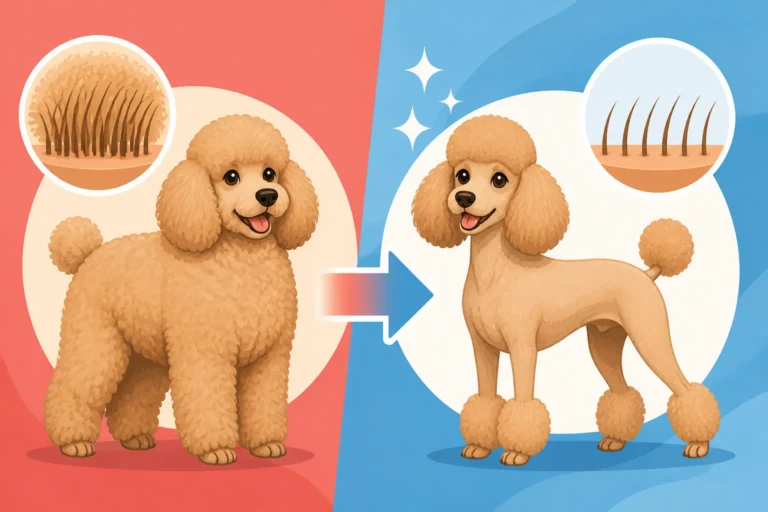
Poodles are celebrated for their distinctive, continuously growing coats, which are truly a wonder of nature. However, what makes them so beautiful and unique can also be a significant hurdle when it comes to monitoring their physical health, particularly their weight. Many Poodle owners find themselves in a bind, unable to visually confirm if their furry friend is packing on the pounds until the situation is quite advanced.
Why the Fluffy Coat Hides the Truth
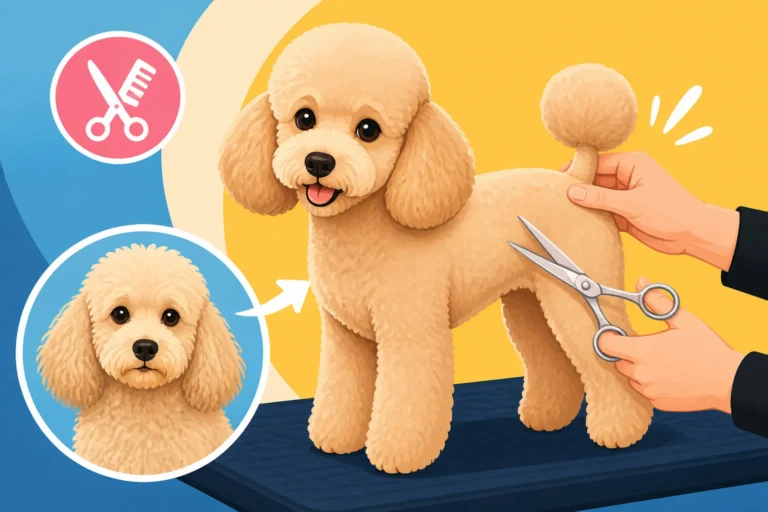
Imagine trying to tell if a sheep is gaining weight just by looking at its woolly exterior. It's a similar challenge with a Poodle. Their dense, curly hair provides a natural "insulation" that cleverly disguises the true shape of their body beneath. You might be accustomed to glancing at other breeds and easily spotting a sagging belly or a wider frame, but with a Poodle, that visual cue is often completely obscured. The coat can create an optical illusion, making a portly Poodle appear merely robust or even perfectly proportioned, especially if they're clipped in a fluffier style like a teddy bear trim.
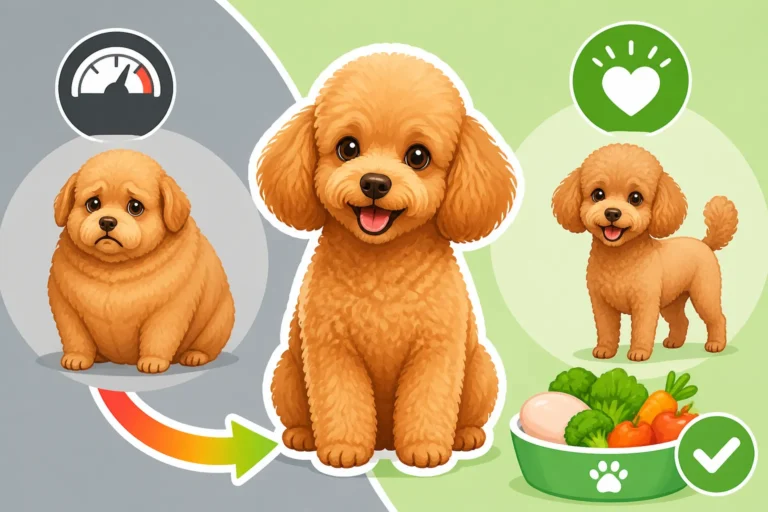
This isn't just an aesthetic concern; it's a genuine health issue. Excess weight in Poodles, just like in humans, can lead to a host of problems, including joint strain, heart issues, diabetes, and a reduced lifespan. The delay in recognizing weight gain due to the coat can mean that by the time you do notice a change, your Poodle might already be significantly overweight, making the journey back to a healthy size longer and more challenging. It’s a common frustration, and one that many Poodle parents grapple with – that feeling of wanting to do right by your dog but being visually thwarted by their very breed characteristic.
Beyond the Visual: Understanding Poodle Body Condition
Since our eyes can deceive us when it comes to Poodles, we have to rely on our hands. This is where the concept of Body Condition Score (BCS) becomes absolutely essential. Think of BCS as a hands-on method to assess your Poodle's fat reserves, giving you a much more accurate picture of their physical state than simply looking at them. It's about feeling their ribs, spine, and waistline, rather than trying to guess based on what you can see through the fur.
A Poodle with an ideal body condition will have ribs that are easily felt with a light touch, but not prominently visible. They should have a distinct waist when viewed from above, and their abdomen should tuck up slightly when viewed from the side. An overweight Poodle, by contrast, will have ribs that are difficult or impossible to feel without significant pressure, a broadened waist, and often no abdominal tuck.
It really does shift your perspective from relying on sight to developing a tactile sense of your dog's underlying physique. This hands-on approach is not only vital for Poodles but is actually a more accurate method for any dog, regardless of coat type, to truly understand their body composition. It helps us bypass the visual noise of a thick coat and connect directly with the reality of their physical health.
Practical Methods for Assessing Your Poodle's Body Condition
Moving beyond just looking at your Poodle, it's time to get hands-on and learn how to really feel for their body condition. This might feel a little awkward at first, especially if your Poodle is a bit squirmy, but with practice, it'll become a natural part of your regular grooming or cuddle routine.
The Rib and Waistline Test
This is arguably the most crucial test for any Poodle owner concerned about weight. Because their coat can add inches, you need to literally feel past the fluff.
First, let your Poodle relax and stand comfortably. You want them in a natural stance, not stretched out or hunched. Now, gently place both hands on their ribcage, one hand on each side, just behind their front legs. Your fingers should be pointing towards their spine.
-
Feeling the Ribs: With your flat palms, lightly run your hands along their sides, trying to feel for the individual bumps of their ribs beneath the skin and muscle. You should be able to feel them quite easily, like feeling the knuckles of your hand with your fingers. If you have to press firmly to feel the ribs, your Poodle is likely carrying too much weight. If the ribs are visible without even touching, they might be underweight, but with a Poodle coat, this is almost never the case unless they've been severely shaved down. What you're aiming for is to feel them distinctly but not see them. This is often the first place we find that extra padding that the coat so cleverly hides. If you're struggling, check out Feeling Ribs Under a Thick Poodle Coat for more detailed guidance.
-
Assessing the Waistline: After the ribs, move your hands back along their body towards their hips. Just past the end of the ribcage, you should be able to feel a slight indentation or "tuck-in" where the waist begins. This should be noticeable both from the sides and when you lightly run your hands over their back. An ideal Poodle will have a distinct, hourglass-like shape when you push past the fur and feel their actual body. If their sides feel straight, like a barrel, or even bulge outwards slightly between the ribs and hips, then they are likely overweight.
Remember, this isn't about rough handling; it's about a gentle but firm touch to assess the underlying structure. Make it a positive experience with praise or a tiny, low-calorie treat.
The Overhead View and Tummy Tuck
Even with a full coat, you can still get some valuable information by observing your Poodle from certain angles, provided you know what to look for and how to 'cheat' past the fur.
-
Overhead View: Have your Poodle stand squarely in front of you, facing away, or get down to their level and look directly down on their back. With your hands, gently push their coat down and to the sides as much as possible, trying to reveal their actual body silhouette. From this angle, a healthy Poodle should show a slight taper from their ribs to their hips, creating a discernible "waist." If their body looks uniformly wide from shoulders to tail, like a sausage, even with the fur pushed down, then they're probably overweight. The ideal shape should resemble a subtle hourglass or at least a straight line that then gently curves inward. An overweight Poodle will present as a wider, less defined shape.
-
The Abdominal Tuck: Now, kneel beside your Poodle and observe them from the side. Again, gently brush or push aside their coat along their underside. A healthy Poodle should have an upward slope from their chest to their hind legs, creating a "tummy tuck." This means their abdomen should not hang low or be parallel to the ground; it should visibly recede towards their groin. If their belly appears to sag, or if there's no upward curve at all, forming a straight line from their chest to their back legs, that's another strong indicator of excess weight. This area is often a big giveaway, as a heavy midsection can be harder for the coat to completely obscure.
By combining these tactile and visual (with assistance) methods, you'll gain a much clearer and more accurate understanding of your Poodle's actual body condition, allowing you to move forward with a targeted plan to help them get back to their healthiest self.
| Body Area | Ideal Poodle (by touch) | Overweight Poodle (by touch) |
|---|---|---|
| Ribs | Easily felt with light pressure, like knuckles. | Require firm pressure to feel; often not felt at all. |
| Waistline | Distinct tuck-in behind the ribcage (hourglass shape). | Straight or bulging sides; no discernible waist. |
| Spine | Individual vertebrae felt with slight pressure. | Difficult to feel; feels padded or flat across the back. |
| Abdomen | Tucks up from chest to hind legs when viewed from side. | Hangs low; no tuck-up or even a slight sag. |
| Fat Pads | Minimal fat pads at base of tail, hips, or shoulders. | Noticeable fat deposits, especially around tail base and hips. |
Strategies for Safe and Effective Poodle Weight Loss
Once you've confirmed your Poodle is indeed carrying extra weight, it's time to put a plan into action. This isn't about crash dieting or extreme measures, but rather a gradual, sustainable approach to improve their overall health. The goal is steady progress, not rapid change.
Re-evaluating Diet and Portions
This is often the biggest piece of the puzzle. Just like with people, calories in versus calories out is key. Poodles, being intelligent and food-motivated, can be masters of convincing us they're perpetually hungry.
-
Accurate Portion Control: Start by consulting your veterinarian. They can help you calculate the ideal daily caloric intake for your Poodle's target weight and activity level. Don't rely solely on the bag's recommendations, as those are often generic and can lead to overfeeding, especially for a less active dog. Invest in a proper measuring cup or even a kitchen scale to weigh out their kibble. Even a small difference in scoop size can add significant calories over weeks and months. If your Poodle typically gulps their food, consider a slow feeder bowl to make mealtime last longer and feel more satisfying.
-
Choosing the Right Food: Sometimes, simply reducing portions of their current food isn't enough, or it leaves them feeling too hungry. Your vet might recommend a specific weight-management or lower-calorie dog food. These formulas are designed to be less calorie-dense while still providing all the necessary nutrients, helping your Poodle feel fuller on fewer calories. Brands like Ollie offer fresh, human-grade food tailored to your dog's specific needs, which can be an excellent option for precise calorie control and nutrient balance. If you're on a budget, many quality kibble brands on Chewy also offer 'light' or 'senior' formulas that are lower in calories. Switching foods should always be done gradually over 7-10 days to avoid stomach upset. For further insight into healthy eating habits, consider reading Portion Control for a Poodle.
-
Meal Frequency: For some Poodles, particularly Toy Poodles prone to Hypoglycemia in a Toy Poodle Puppy, breaking their daily ration into two or even three smaller meals can help manage hunger and metabolism throughout the day. This isn't about feeding more, but simply distributing the same total amount differently.
Boosting Activity Levels Without Overdoing It
Exercise is the other side of the weight loss coin, but it needs to be introduced thoughtfully, especially if your Poodle is significantly overweight, as their joints might already be under strain.
-
Gradual Increase in Walks: Start with gentle, consistent walks. If your Poodle currently gets one short walk a day, aim for two slightly longer ones, or add a third very short stroll. Increase duration and intensity gradually. A Standard Poodle might need 45-60 minutes of brisk walking daily, split into sessions, while a Toy Poodle might thrive on several shorter, lively walks totaling 20-30 minutes. Don't jump from zero to an hour-long hike overnight. Listen to your Poodle – if they're panting excessively or lagging behind, it's time to slow down. More guidance on appropriate activity can be found in Daily Exercise for a Standard Poodle and Daily Exercise for a Toy Poodle.
-
Incorporate Play and Mental Stimulation: Poodles are incredibly intelligent and love to work their brains. Incorporate play sessions that get them moving and thinking. Fetch in the yard (if appropriate for their size and fitness level), hide-and-seek with toys, or even structured training sessions can burn calories and provide mental enrichment. Puzzle feeders, which can be found on Amazon, turn mealtime into a game and extend the time it takes to eat, adding a layer of mental exercise. This kind of activity is fantastic for tiring out their minds as well as their bodies.
-
Swimming: If accessible and your Poodle enjoys it, swimming is a fantastic low-impact exercise that burns calories without stressing joints. Many Poodles are natural swimmers, given their history as water retrievers. Just remember to rinse their coat thoroughly afterward to prevent skin irritation.
The Role of Treats and Human Food
This is where many well-intentioned owners inadvertently sabotage their Poodle's weight loss efforts. Those small "extras" add up quickly.
-
Audit All Treats: Be honest with yourself about how many treats your Poodle receives daily. Every little biscuit, dental chew, or lick of your ice cream contributes to their caloric intake. Swap high-calorie commercial treats for tiny pieces of plain, cooked chicken, green beans, carrots, or apple slices. These are low in calories and still provide that positive reinforcement. When training, use pea-sized pieces of healthy treats to keep the calorie count down. For more on this, read Treats and a Poodle's Waistline.
-
Eliminate Table Scraps: This is tough, especially with those soulful Poodle eyes begging you, but it's crucial. Human food, even healthy options, can be very calorie-dense for a small dog, and many common ingredients are toxic. Stick to their dog food and approved dog treats. If you want to include some "human" elements, make sure they are vet-approved, plain, and in very small quantities.
-
Use Treats as Rewards, Not Favors: Instead of giving treats just because your Poodle is cute, make them work for it. A treat should be a reward for a desired behavior, reinforcing good habits and making them earn those extra calories. This also adds another layer of mental engagement.
By making these consistent changes to your Poodle's diet and activity, you'll be well on your way to helping them shed those hidden pounds and live a healthier, happier life.
Maintaining a Healthy Weight Long-Term
Getting your Poodle to a healthy weight is a fantastic achievement, but the journey doesn't end there. Maintaining that ideal body condition is an ongoing commitment that requires vigilance, consistency, and a partnership with your veterinarian. Think of it as a lifestyle change for both you and your furry friend, not just a temporary diet.
Regular Monitoring and Adjustments
One of the biggest mistakes owners make is relaxing their efforts once the desired weight is reached. With a Poodle's deceptive coat, it's easy for weight to creep back on unnoticed.
-
Consistent Weigh-Ins: Make it a habit to weigh your Poodle regularly, perhaps once a month, either at home if you have a reliable scale (especially for Toy and Miniature Poodles) or during routine vet visits. For Standard Poodles, your vet's office often has a large dog scale that you can pop into even for a quick check-up. Knowing their exact weight is far more precise than relying on the "rib test" alone for maintenance, though the tactile check remains vital. Compare these weights to their ideal target weight. If you notice a gradual upward trend, it’s a clear sign that you need to re-evaluate their food portions or activity levels before a significant problem develops.
-
Seasonal and Age Adjustments: A Poodle's metabolic needs can change with the seasons, their activity levels, and especially as they age. A younger, more active Poodle might need more calories than a senior dog who spends more time napping. As your Poodle gets older, their metabolism naturally slows down, and they may require fewer calories to maintain weight. Always be prepared to make small, incremental adjustments to their food intake or exercise routine based on their current needs. Understanding Calorie Needs of a Senior Poodle can be particularly helpful as your Poodle matures. Don't be afraid to tweak things slightly; it’s all about finding that perfect balance.
-
Re-evaluating the Rib and Waistline Test: Even once at a healthy weight, continue to perform the tactile checks regularly. This ensures you stay attuned to their body condition under the coat. Over time, you’ll become an expert at feeling for those easily palpable ribs and that distinct waistline, which will serve as your daily gauge of their physical health.
Partnering with Your Veterinarian
Your veterinarian is your most valuable ally in your Poodle's weight management journey. They offer expertise, resources, and a holistic view of your Poodle's health that no online guide can replicate.
-
Ruling Out Underlying Conditions: Sometimes, weight gain isn't just about too many calories or too little exercise. Certain medical conditions, such as Hypothyroid Symptoms in a Poodle, can cause a dog to gain weight despite appropriate diet and activity. Your vet can perform tests to rule out these possibilities and ensure that any weight management plan is addressing the root cause. If a medical condition is present, they can prescribe appropriate treatment that will support healthy weight.
-
Developing a Personalized Plan: Every Poodle is unique. Your vet can help you create a tailored weight loss and maintenance plan that considers your Poodle's specific breed size (Standard, Miniature, or Toy), age, current health status, activity level, and any pre-existing conditions. They can recommend specific diets, appropriate exercise routines, and advise on safe treat alternatives. They can also help you understand What a Poodle Should Weigh by Variety to set realistic goals.
-
Ongoing Support and Guidance: Don't hesitate to schedule regular check-ins with your vet, especially during the weight loss phase. They can track your Poodle's progress, celebrate successes, and help troubleshoot any plateaus or challenges you encounter. They can also offer valuable encouragement and adjust the plan as needed. Think of them as your Poodle's personal health coach, ensuring you stay on track for a long, healthy life together.
By being proactive, consistent, and working closely with your vet, you can ensure your Poodle not only reaches a healthy weight but maintains it for years to come, allowing them to truly thrive beneath that beautiful, fluffy coat.
Disclaimer
This article is for general informational purposes only and does not constitute professional advice. Laws, prices and regulations vary by location and change over time. Consult a qualified professional for guidance on your specific situation.