How a Poodle Puppy’s Color Fades
It's quite a surprise for many new poodle parents to watch their adorable, deep-colored puppy slowly transform into a lighter shade right before their eyes. You might have brought home a jet-black bundle of fluff, only for them to start looking more charcoal or even silvery a few months down the line. This guide will walk you through the fascinating genetic journey behind why your Poodle puppy's color fades and what you can expect as they grow.
The Poodle's Unique Coat Genetics
Poodles are renowned for their incredible variety of coat colors and, perhaps even more so, for the way many of those colors aren't static. Unlike some breeds where a puppy's color is a pretty good indicator of its adult hue, Poodles often embark on a chameleon-like journey. This isn't a defect or a sign of poor health; it's a perfectly normal and genetically determined characteristic that gives each Poodle a unique and evolving beauty. It's truly one of the breed's many quirks!
The Genetic Blueprint for Color Change
At the heart of a Poodle's color fading lies its genetic makeup, specifically genes that control pigment production and deposition in the hair shaft. While we often think of a dog's color as a single, fixed trait, it's actually a complex interplay of multiple genes. For Poodles, one of the most significant is the "greying" or "fading" gene, which causes a gradual dilution of the primary color pigment as the dog matures. This gene is dominant, meaning a Poodle only needs one copy of it to exhibit some form of color change. It’s what differentiates a true "holding" black from a "clearing" black, which will eventually become blue or silver.
Beyond the main color gene, modifier genes play a crucial role. These genes act like dimmer switches, influencing the intensity and distribution of pigment. For example, a Poodle might have the genetic code for black, but if it also carries genes for progressive greying or diluting agents, that black will likely soften over time. Understanding this complex genetic dance helps us appreciate why two puppies from the same litter, both appearing deep black, might end up strikingly different as adults—one remaining inky, the other a lovely pewter. It’s a bit like watching a painting develop, layer by genetic layer.
Pigment Dilution Over Time
The phenomenon of color fading in Poodles is essentially a process of pigment dilution in the hair shaft as new hair grows. When a Poodle puppy is born, the pigment in its coat is often at its most concentrated and intense. As the puppy matures, and its coat hair cycles through growth and shedding, the genes that control this fading process start to express themselves more prominently. Each new strand of hair produced may have less pigment than the last, or the pigment itself might be distributed differently, leading to the lighter appearance. This isn't about the hair losing its color; it's about the new hair growing in with less color.
Think of it like an old photograph slowly losing its vibrancy over years in the sun. Except, in the Poodle's case, it's an intentional, programmed genetic process. This dilution isn't uniform across the entire body initially; you might first notice it around the muzzle, eyes, or paw pads, which are often indicators of what the full coat will eventually do. This gradual lightening is what gives us the stunning range of blues, silvers, cafe au laits, and apricots from what started as seemingly solid black, brown, or red puppies. It’s a beautiful transformation, but one that can certainly catch new owners off guard if they're expecting their Poodle to stay the exact shade they were at eight weeks old.
Common Fading Colors and What to Expect
The most dramatic color changes typically occur in Poodles born with what appears to be solid, deep pigmentation: black, brown, and red/apricot. These are the colors where the "fading gene" truly shines, creating a spectrum of lighter, softer hues that are equally beloved in the breed. It's a journey, not a destination, for many Poodle coats!
Black to Blue or Silver
If you’ve ever admired a deep, rich black Poodle puppy, you might be surprised to learn that many of them won't stay that true, inky black throughout their lives. Instead, they "clear" to a blue or silver. A blue Poodle is essentially a diluted black; the coat retains a dark, steely grey quality, often with a subtle bluish sheen. A silver Poodle goes even lighter, sometimes appearing almost white, particularly as they age. You can often spot the potential for a black puppy to turn blue or silver by checking their paw pads and the skin around their eyes when they're very young. If these areas are a charcoal grey rather than solid black, it's a good sign they'll clear.
This transformation from black to blue or silver usually begins subtly, perhaps around six months to a year, and can continue for several years. It's a gradual process, often starting around the muzzle and eyes, and then spreading across the body. Breeders often refer to this as a "holding" black if the Poodle retains its deep black for a significant period, or a "clearing" black if the lightening begins relatively early. How a Black Poodle Puppy Turns Blue delves into this fascinating color shift in more detail. It's a unique characteristic that adds depth and beauty to the Poodle breed, turning a common color into something truly exquisite over time.
Brown to Cafe au Lait
Similar to blacks, Poodles born a rich, deep brown—often described as chocolate or liver—can also undergo a significant color change, lightening to what is known as cafe au lait. This beautiful shade is a soft, milky brown, reminiscent of coffee with plenty of cream. The transition from deep brown to cafe au lait usually follows a similar timeline to the black-to-blue/silver shift, starting around six months and continuing for a year or two. The pigment dilutes, creating a softer, warmer tone.
Owners often delight in this transformation, as the cafe au lait shade offers a sophisticated and unique appearance. Just like with the blacks, a brown Poodle puppy that is destined to become cafe au lait might show lighter brown or even reddish hints in its softer puppy coat, particularly in areas where the hair is thinner. The nose and eye rims, however, typically remain brown, indicating its genetic base color is still brown, just diluted. This subtle lightening often creates a stunning contrast as the Poodle matures, showcasing the remarkable range of colors within the breed. How a Poodle Puppy's Color Settles can offer further insights into this settling period for all colors.
Red and Apricot to Cream
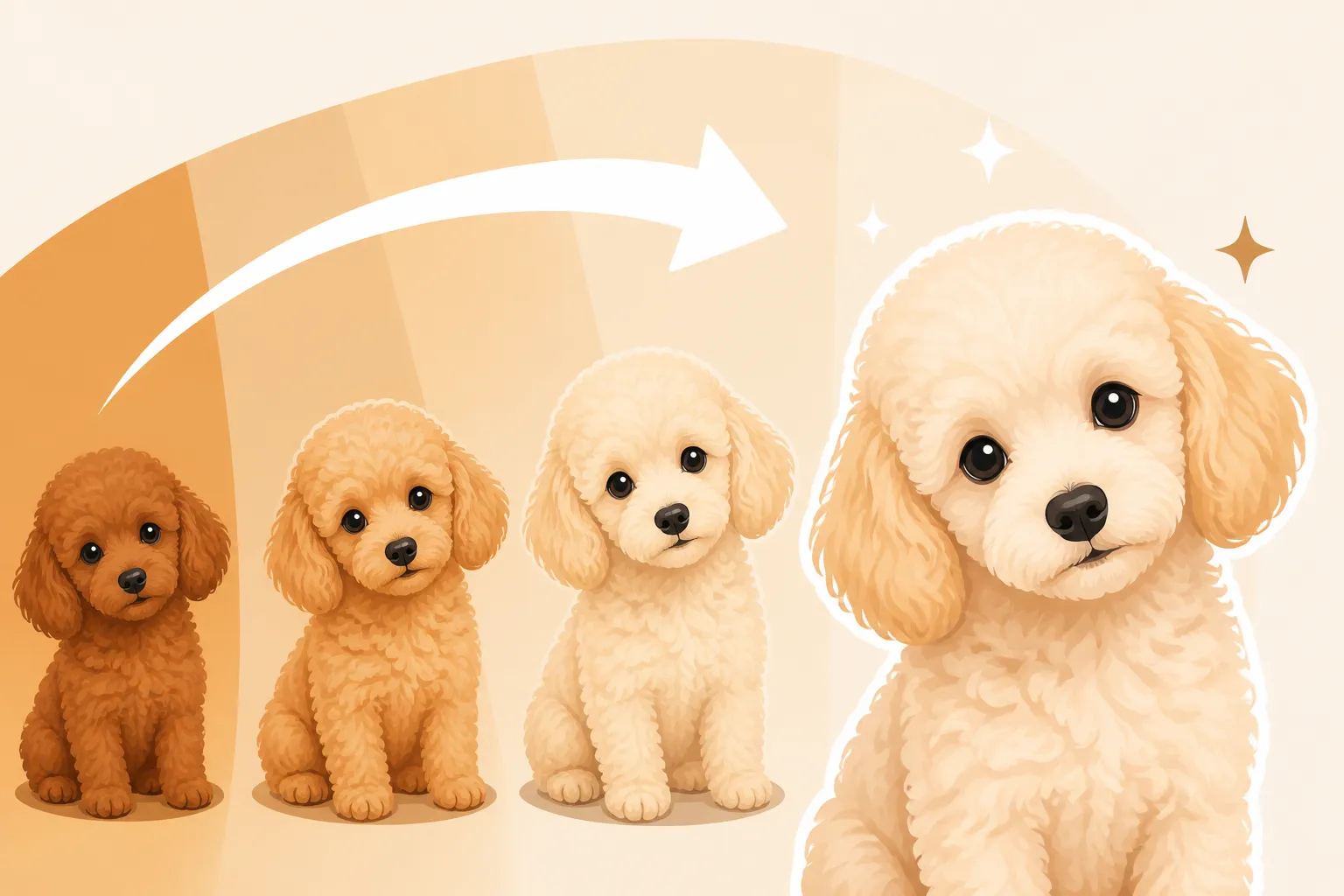
Red and apricot Poodles are celebrated for their vibrant, warm hues, but these colors are also highly prone to fading. A fiery red puppy might mature into a soft apricot, and an apricot puppy can become a pale cream, sometimes almost white, over time. This fading is a hallmark of the red and apricot lines, driven by the same genetic factors that dilute black and brown. The intensity of the red or apricot is often strongest in puppyhood, gradually softening as the Poodle ages.
Many Poodle enthusiasts appreciate this softening, as it creates a wonderfully diverse palette within a single dog's lifetime. A Poodle might have been a deep red as a youngster, then transition to a stunning apricot, and finally to a lovely cream as a senior. Environmental factors like sun exposure can also play a role in this fading, making a truly "holding" red or apricot quite rare and highly prized. It's worth noting that while Whether Apricot and Red Poodles Are the Same may seem like a simple question, their genetic interplay regarding fading can be quite complex.
Cream to White
While some Poodles are born white, many appear as a pale cream or off-white as puppies, only to "clear" to a pure, brilliant white as they mature. This process is less about fading per se and more about the removal of any remaining subtle yellow or ivory tones. These Poodles often have dark pigment on their nose, eye rims, and paw pads, which provides a striking contrast to their pristine white coat. The clearing to white can be quite dramatic, especially in areas like the ears, which sometimes retain a creamy tint longer than the rest of the body.
The beauty of a truly white Poodle is undeniable, and the journey from a creamy puppy to a snowy adult is a lovely one to witness. Owners of cream Poodles will often see the coat whiten significantly as the puppy coat is replaced by the denser, more mature adult coat. Regular bathing and proper grooming, using products specifically formulated for white coats, can help maintain that sparkling brilliance. Brands like Chewy often carry a wide selection of whitening shampoos and conditioners that can aid in keeping a white Poodle's coat pristine without drying it out.
Managing Expectations: The "Clear" Poodle Puppy
When you're choosing a Poodle puppy, it's easy to fall in love with their current charming appearance. However, understanding the concept of a "clear" Poodle puppy—and what that means for their adult color—is crucial for managing expectations and avoiding disappointment. It's a conversation you'll often have with reputable breeders, who are well-versed in the genetic lottery of Poodle colors.
Understanding "Clearing" vs. Fading
While the terms "clearing" and "fading" are often used interchangeably when discussing Poodle coat colors, there's a subtle distinction that can be helpful. "Clearing" specifically refers to the process where a Poodle's coat lightens to a recognized, often lighter, solid color as they mature. For instance, a black Poodle clearing to blue or silver, or a brown Poodle clearing to cafe au lait. This is a genetic predisposition, an intended part of their development. Whether Silver Poodles Are Born Silver is a good example of this; they often appear dark at birth.
"Fading," on the other hand, can sometimes imply a loss of color intensity that isn't necessarily leading to a distinct, recognized lighter shade, or it might refer to environmental factors causing a color to dull. For Poodles, the primary mechanism is genetically programmed clearing, not simply "fading" like a piece of fabric left in the sun (though sun can accelerate fading). A Poodle puppy that is genetically predisposed to clear will always clear, regardless of environmental factors, though diet and sun exposure can influence the speed or degree of the change. It's a natural, intrinsic process tied to their unique coat genetics.
The Difference in Puppy vs. Adult Coat
A significant reason for the color surprises lies in the difference between a Poodle's puppy coat and its adult coat. The puppy coat is typically softer, fluffier, and often has a slightly different texture and color intensity compared to the mature coat that will eventually replace it. This is why a puppy might appear a deep, rich color, but as the coarser, more densely pigmented adult hair begins to come in, the true adult shade starts to reveal itself. This transition, often referred to as "coat change" or "blowing coat," usually occurs between 6 and 18 months of age, though it can vary. When a Poodle Puppy Coat Changes explores this stage in detail.
During this period, the Poodle's coat can look patchy or uneven as old puppy hair falls out and new adult hair grows in, sometimes with a noticeably different hue. It's not uncommon for a Poodle puppy to look somewhat scruffy during this phase, and owners might notice the color difference most dramatically where the new hair is growing. This is a crucial time for diligent grooming, as the changing texture of the coat can make it prone to matting. Understanding this natural progression helps owners appreciate that their Poodle's final color is a journey, not a static image from puppyhood.
What Breeders Mean by "Holding Color"
When speaking with Poodle breeders, you'll often hear the term "holding color." This refers to Poodles who maintain the intensity and depth of their puppy color well into adulthood, or even throughout their entire lives, with minimal to no lightening. For colors like black, a "holding black" Poodle will remain a deep, true black without clearing to blue or silver. For reds, a "holding red" will maintain its vibrant hue, rather than fading to apricot or cream. These Poodles are often highly sought after by those who prefer the darker, richer shades that are less prone to genetic dilution.
Breeders who focus on "holding colors" carefully select their breeding pairs, researching pedigrees for generations to ensure that the genetic lines are predisposed to retain their original pigment. While no breeder can offer an absolute 100% guarantee, especially with the complex genetics involved, they can provide a good indication based on the puppy's parents and grandparents. It's important to discuss color expectations with a reputable breeder, as they can explain the likelihood of fading for a particular puppy and temper your expectations.
Factors Influencing Color Fading
While genetics are the primary driver behind a Poodle's color fading, other factors can play a role in how and when this process manifests. It’s a combination of nature and nurture, where your Poodle’s unique genetic code interacts with its environment and care.
Genetic Predisposition and Lineage
As we've touched on, the most significant factor determining whether a Poodle's color will fade is its genetic predisposition. This isn't just about one "fading gene" but a whole suite of genes inherited from its parents. Different Poodle lines are known for different color characteristics. Some lines consistently produce "holding" blacks, while others are renowned for their beautiful silvers or blues, which means their blacks almost always clear. A responsible breeder will be transparent about the color tendencies in their lines and can often give you an educated guess about how your puppy's color might evolve.
Understanding the lineage can provide clues. If a puppy has a silver parent or a cafe au lait grandparent, there's a higher chance it will also carry the genes for color dilution. This is why thorough research into a puppy's pedigree is so important, not just for health, but for understanding adult appearance too. Genetic Panels for the Three Poodle Sizes can sometimes include information about color genes, though visual inspection and knowledge of ancestral colors are often the most reliable indicators for fading.
Sun Exposure and Environmental Factors
While genetics set the stage for color changes, environmental factors, particularly sun exposure, can certainly influence the degree and speed of fading. Just like human hair can lighten in the sun, a Poodle's coat can also bleach or lighten when exposed to strong UV rays for prolonged periods. This is most noticeable in darker colors like black, blue, brown, and red, where the sun can cause reddish or rusty tones to appear, or simply make the coat look duller.
If your Poodle spends a lot of time outdoors, especially in sunny climates, you might notice their coat appears lighter on their back or head compared to areas that are less exposed. This isn't the same as the genetic clearing process, but it can contribute to a lighter overall appearance. For Poodles with closely clipped coats, sun protection becomes even more important. Sun Exposure on a Closely Shaved Poodle is a crucial read for ensuring their skin is protected. Limiting direct, prolonged sun exposure, especially during peak UV hours, can help maintain coat color intensity, particularly for those who desire a darker shade.
Diet and Coat Health
A Poodle's diet plays a critical role in the overall health and vibrancy of its coat, which can indirectly impact how color is perceived and maintained. A diet rich in essential fatty acids, vitamins, and minerals supports healthy hair growth and strong pigment production. If a Poodle is on a poor quality diet, or is experiencing nutritional deficiencies, their coat might appear dull, brittle, or even take on an unhealthy, faded look that isn't related to their genetic clearing process.
For instance, certain deficiencies can lead to a "rusting" effect in black or brown coats, where the hair develops reddish tones. Ensuring your Poodle receives a balanced diet appropriate for their age, size, and activity level is fundamental. Quality dog foods and supplements, particularly those with omega-3 and omega-6 fatty acids, can promote a healthy, shiny coat. You can find many excellent options on Chewy, from premium kibble to specialized coat health supplements. While diet won't stop a genetically programmed color clear, it will ensure that the coat that does grow is as healthy and vibrant as possible.
When to Expect the Fading Process
The color change in Poodles isn't a sudden event but a gradual, ongoing process that unfolds over several stages of their life. Understanding this timeline can help you anticipate the transformations your Poodle's coat will undergo.
Early Puppyhood Changes (0-6 months)
For many Poodle puppies, the very first hints of color change can appear surprisingly early, sometimes even before they leave their breeder. You might notice the beginnings of a "clear" around the face, muzzle, and paws. For black puppies destined to be blue or silver, the paw pads might lighten to a charcoal grey, and you might see a slight softening of color around the eyes or under the chin. Brown puppies might show reddish highlights. These early indicators are often subtle and can be easily missed if you're not specifically looking for them.
This initial phase is usually a prelude to the more noticeable changes that will come later. The puppy coat itself is also different – softer and less dense than the adult coat, which can sometimes mask the underlying genetic color. Breeders pay close attention during these early months, as a puppy's initial development can offer valuable clues about its adult hue. It's an exciting time of anticipation, watching for those first telling signs.
Adolescent Coat "Blow" (6-18 months)
The most significant and often dramatic period of color change coincides with a Poodle's "coat blow" or "coat change," which typically occurs between 6 and 18 months of age. This is when the soft, fluffy puppy coat is gradually replaced by the denser, coarser, and more adult-textured coat. It's during this transition that the genetically programmed color clearing becomes most evident. A Poodle that was a deep black as a puppy might start looking patchy, with new silver or blue hair growing in alongside the remaining black puppy fuzz. Similarly, reds and apricots might start to lighten considerably.
This period can be quite challenging for owners, not just because of the visible color changes, but also due to the intense grooming required. The changing textures of the new and old hair can cause mats to form incredibly quickly. Many a Poodle owner has gone to brush their adolescent Poodle only to find an unexpected mat hidden deep within the transitioning coat. Getting Through a Poodle's Coat Change offers excellent advice for navigating this phase, emphasizing regular, thorough brushing. This is truly when your Poodle starts to reveal their adult splendor, color and all.
Lifelong Fading and Senior Changes
While the most dramatic color changes typically happen during puppyhood and adolescence, the process of subtle fading can continue throughout a Poodle's life, and definitely into their senior years. Even Poodles that "hold" their color well might experience some lightening as they age. For example, a Poodle that matured into a beautiful blue might become a lighter silver over time, and a vibrant apricot could soften into a pale cream. This is a natural part of the aging process, similar to how human hair can grey.
In senior Poodles, you might also notice a general dulling of the coat, or the appearance of white hairs, particularly around the muzzle, eyes, and paws, which is distinct from the genetic clearing process but adds to the overall lightening effect. Why Poodle Colors Fade With Age further explores this aspect of their color journey. Caring for an aging Poodle's coat, ensuring it remains healthy and supple, can help maintain its best possible appearance.
Here's a quick overview of common Poodle color transitions:
| Puppy Color | Expected Adult Color Range | Typical Onset of Change | Notes |
|---|---|---|---|
| Black | Blue, Silver | 6-18 months | Early signs in paw pads/muzzle. "Holding" blacks are less common. |
| Brown | Cafe au Lait | 6-18 months | Distinct from silver/grey, maintains brown nose pigment. |
| Red / Apricot | Apricot, Cream | 6-24 months | Very common for red to soften to apricot, apricot to cream. Sun exposure accelerates. |
| Cream | White | 3-12 months | Often "clears" to pure white, losing any yellow tint. |
| Blue (born blue) | Blue, Silver (darker at birth) | 12-24 months | Born dark, clears to desired steel blue or lighter silver. |
| Silver (born silver) | Silver (darker at birth) | 3-12 months | Born dark grey/black, rapidly clears to silver. |
Caring for a Fading Poodle Coat
While you can't stop a Poodle's genetically predetermined color change, you can certainly support their coat health to ensure it looks its best throughout its evolving shades. Proper care can make a huge difference in the overall appearance and vibrancy of their changing coat.
Maintaining Coat Health Through Nutrition
As mentioned earlier, nutrition is foundational for a healthy coat. A high-quality diet provides the necessary building blocks for strong, shiny hair. Look for dog foods that list real meat as the first ingredient and contain a good balance of protein, fats, and carbohydrates. Essential fatty acids, particularly Omega-3s and Omega-6s, are crucial for skin and coat health. These can often be found in fish oils (like salmon oil) or flaxseed.
If your Poodle's coat seems dull or brittle, despite the color changes, consider discussing a supplement with your veterinarian. Biotin, zinc, and vitamins A and E are often beneficial for coat health. Brands available on Chewy offer a wide array of nutritional supplements specifically formulated to support skin and coat, from chewable tablets to liquid additives you can mix into their food. A healthy coat, regardless of its changing color, will always look better than an unhealthy one.
Sun Protection for Sensitive Coats
For Poodles whose coats are lightening, especially those transitioning to very pale colors like silver or cream, sun protection is a practical consideration. Prolonged sun exposure can not only accelerate natural fading but can also be harsh on the skin underneath, especially if the coat is kept short. Just like with humans, excessive UV exposure can potentially lead to skin issues.
If your Poodle spends a lot of time outdoors, especially during peak sun hours, consider applying a pet-safe sunscreen to areas with thinner hair or lighter pigment, such as the nose and ear tips. For Poodles with closely shaved bodies, a light canine-specific UV-protective garment can be a good idea during long outdoor excursions. It's all about minimizing potential damage while allowing your Poodle to enjoy their time outside.
Grooming to Preserve Color
Regular and appropriate grooming is absolutely essential for a Poodle, and this includes managing their changing colors. While grooming won't alter the genetic process of clearing, it will ensure the coat remains clean, healthy, and vibrant, making the color transitions look their best. The Poodle Coat and Why It Never Stops Growing means continuous attention.
- Bathing: Regular bathing with a high-quality shampoo and conditioner is crucial. For lighter coats (silvers, creams, whites), consider using whitening or brightening shampoos, which are designed to enhance natural brightness without bleaching. Always follow up with a good conditioner to keep the coat soft and prevent breakage. Remember to rinse thoroughly! Bathing and Drying a Poodle is a vital resource.
- Brushing: Consistent brushing, particularly line brushing, prevents mats and distributes natural oils, keeping the coat healthy. Mats can pull on the skin and cause discomfort, and a matted coat will always look duller, regardless of its color.
- Clipping: The type of clip you choose can also highlight or downplay color changes. A shorter, even clip might make the transition less noticeable, while a longer clip might show more variation. Discuss your preferences with your groomer, who can recommend clips that best suit your Poodle's evolving color and lifestyle. Maintaining a clean-shaven face and feet, a hallmark of the Poodle look, will also ensure those areas appear crisp, complementing the coat's natural color.
Ultimately, embracing your Poodle's color journey is part of the joy of owning this intelligent and beautiful breed. Each shade, whether it's a deep black, a shimmering blue, a warm cafe au lait, or a pristine white, tells a story of unique genetics and the passage of time.
Disclaimer
This article is for general informational purposes only and does not constitute professional advice. Laws, prices and regulations vary by location and change over time. Consult a qualified professional for guidance on your specific situation.