Why Adult Poodles Cannot Show in a Puppy Clip
It can be incredibly disheartening for Poodle owners who adore their dog's fluffy, adorable puppy clip to discover that this charming style won't cut it in the competitive world of conformation shows. Many of us fall in love with that soft, rounded look, only to realize that the rules for adult Poodles in the show ring are quite different and, for newcomers, can feel a bit rigid. This guide will walk you through the specific reasons why adult Poodles cannot be shown in a puppy clip, delving into the breed standard, the history of Poodle grooming, and what judges are truly looking for.
Understanding the Poodle Show Standard and Its Importance
When you step into the world of Poodle conformation showing, you're not just presenting your beloved pet; you're presenting an example of the breed against a written ideal. This ideal is known as the breed standard, and it's far more than just a guideline – it's the blueprint that defines what a Poodle should be, from its temperament to its coat, structure, and movement. Every Poodle owner interested in showing, or even just understanding their dog's heritage, needs to grasp the profound importance of this document.
The Foundation of Breed Standards
The breed standard for Poodles, set by organizations like the American Kennel Club (AKC) and other national kennel clubs, serves as the ultimate reference point for breeders and judges alike. It meticulously describes the physical characteristics, movement, and even temperament considered desirable for the breed. Think of it as the original design document for the Poodle, outlining the traits that ensure the breed can perform its historical function (even if most Poodles today are cherished companions) and maintain its distinctive qualities. Without a consistent standard, the breed could quickly diverge into many different types, losing its unique Poodle identity over generations.
For Poodles, this standard covers everything from the shape of their eyes to the set of their tail, the length of their muzzle, and, yes, the quality and presentation of their famous coat. Judges in the conformation ring are tasked with evaluating each dog's adherence to this standard, looking for how closely the individual dog embodies the ideal Poodle. It's about preserving the breed's integrity and guiding future breeding decisions toward that perfect Poodle model.
Grooming as a Reflection of Standard
While it might seem that grooming is purely cosmetic, in the Poodle show ring, it's intrinsically tied to the breed standard. The specific clips allowed for adult Poodles are not arbitrary fashion statements; they are designs intended to highlight the Poodle's exquisite structure, muscle definition, and overall elegance. The coat itself is described in the standard – "naturally curly, dense throughout," with "harsh texture." The way this coat is presented in the ring is a critical part of demonstrating these qualities.
A proper show clip emphasizes the Poodle's strong neck, balanced body proportions, and powerful hindquarters. It allows the judge to clearly see the dog's topline, angulation, and movement without the coat obscuring vital structural points. This is why the precision and artistry of Poodle grooming are so highly valued; a well-executed clip is a testament to the groomer's skill and an aid to the judge's evaluation, showcasing the Poodle's natural attributes to their best advantage.
The Evolution of Poodle Clips in Conformation
The distinctive Poodle clips we see today in the show ring have a fascinating history, rooted in practicality and evolving into artistry. It's a journey from working dog to pampered show star, with the clips changing to match the era and purpose, yet always remaining true to the Poodle's fundamental design. Understanding this evolution helps to demystify why certain clips are mandated for adult show Poodles.
From Working Dog to Show Ring Star
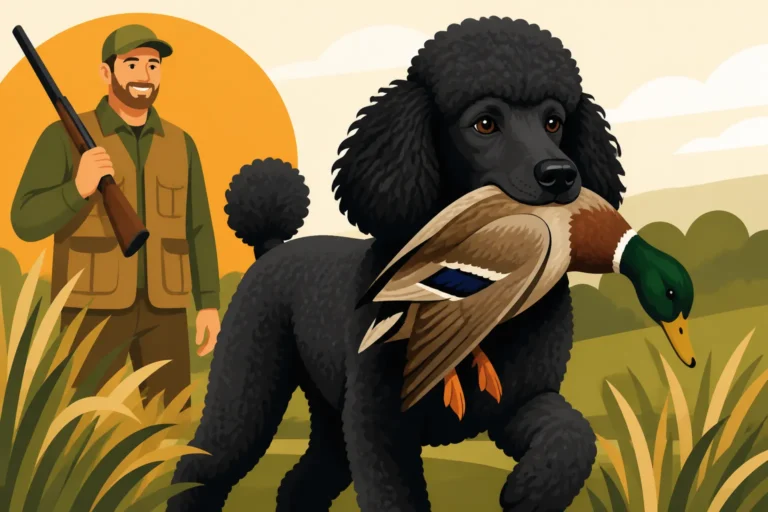
Originally, Poodles were water retrievers, companions to hunters, plunging into icy waters to fetch fowl. Their dense, curly coats, while excellent insulation, could become waterlogged and heavy, hindering their movement. This is where the concept of strategic clipping originated. Hunters would shave parts of the Poodle's body to reduce drag and weight, leaving bands of hair around joints and the chest to protect vital organs from cold. These "pompoms" weren't just for decoration; they were functional insulation. This practical necessity slowly evolved into the more stylized yet still functional clips seen on working Poodles.
As Poodles transitioned from purely working dogs to companion animals and eventually show dogs, these clips became more refined and artistic. The fundamental idea remained: show off the dog's athleticism and structure while maintaining some of that iconic Poodle flair. The early show clips often reflected these working origins, subtly emphasizing the Poodle's elegant frame and powerful build. The show ring further standardized these looks, demanding consistency to ensure fair judging.
Approved Clips for Adult Poodles
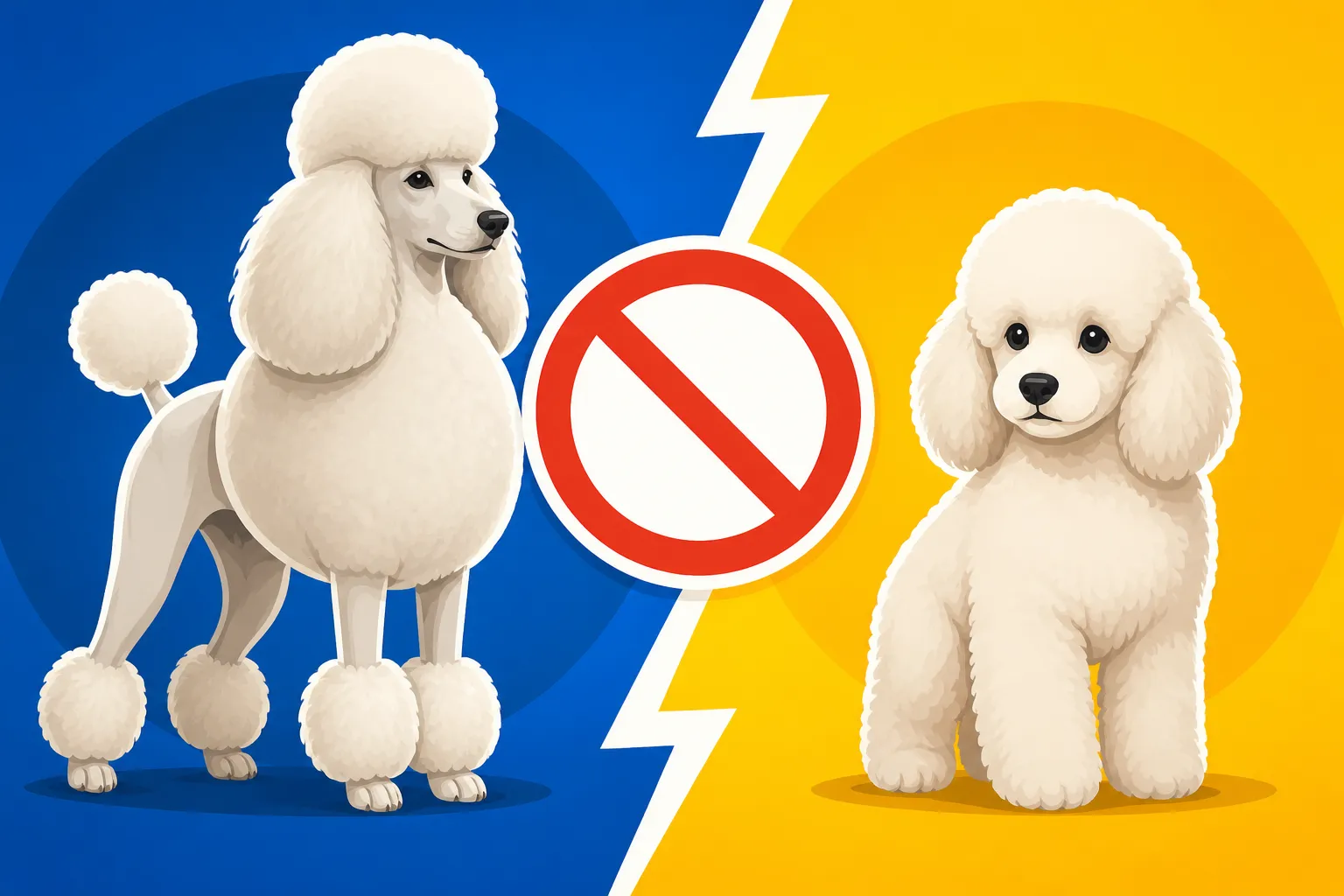
In the conformation ring, adult Poodles typically present in one of a few historically recognized and approved clips. These are not just any creative cut; they are specific styles that are outlined or referenced within the breed standard. The most famous is the Continental Clip, instantly recognizable with its shaved rear, bracelets on the legs, and the dramatic jacket of hair. This clip, while elaborate, is designed to highlight the dog's powerful hindquarters, muscular thighs, and elegant neck and head.
Other approved clips for adult Poodles might include the English Saddle Clip, which also features bracelets but has a strip of hair over the loin and shaved sections on the flank, giving it a slightly different silhouette. Younger Poodles (typically under 18 months) are sometimes permitted in a "Sporting Clip," which is a much more uniform, shorter cut over the body, with a full head and tail. Even this "simpler" clip has specific requirements for length and shaping to maintain the Poodle's distinct profile. Each of these clips serves a purpose: to allow the judge to clearly evaluate the Poodle's structure, movement, and coat quality. For example, the precise lines of the Continental allow a judge to discern bone structure and muscle definition that a fluffy, all-over coat would obscure.
| Feature | Puppy Clip (for puppies) | Continental/English Saddle Clip (for adult show Poodles) |
|---|---|---|
| Purpose | Protect young coat, show developing structure | Highlight mature structure, muscle, and coat quality |
| Body Hair | Generally long, fluffy, uniform length | Shaved on certain body parts (rump, flanks), bracelets on legs, distinct jacket |
| Face/Feet | Usually shaved | Always shaved, emphasizing refined features and bone |
| Coat Texture | Often softer, less dense puppy coat | Must showcase harsh, dense, mature adult coat |
| Emphasis | Overall cute, balanced puppy outline | Structural correctness, elegance, and athleticism |
| Show Status | Permitted for puppies (usually under 18 months) | Required for adult Poodles in conformation |
Why the Puppy Clip Is Not Permitted for Adult Poodles
This is often the core question for many Poodle owners who are new to the show world. Why can't that adorable, fluffy puppy cut, which looks so neat and tidy, be worn by an adult Poodle in the ring? The reasons are multi-faceted, stemming from the breed standard's demands for mature presentation, the need to properly assess conformation, and the distinct characteristics of an adult Poodle's coat.
Maturity and Conformation Assessment
The primary reason an adult Poodle cannot be shown in a puppy clip boils down to the very purpose of conformation showing: to evaluate a mature dog's adherence to the breed standard. A puppy clip, characterized by a generally even length of coat over the entire body (often with a fuller topknot and tail), simply doesn't allow a judge to adequately assess an adult Poodle's full, mature structure and muscle tone. The standard clips like the Continental or English Saddle are designed to reveal the Poodle's strong neck, elegant arch over the loin, proper tail set, and powerful angulation of the hindquarters. The shaved areas allow for a clear view of bone and muscle, while the remaining coat highlights balance and proportion.
Imagine trying to judge a dancer's physique if they were wearing a bulky winter coat. It would be impossible to see their muscle definition, the line of their limbs, or their elegant posture. Similarly, a puppy clip on an adult Poodle, while charming, essentially puts a "bulky coat" on a dog whose structure needs to be seen and appreciated. Judges need to see the mature Poodle's body without excess hair obscuring important anatomical features that are critical for evaluating breeding stock. The full, flowing hair of a puppy clip can hide a multitude of structural flaws or virtues, making a fair assessment difficult.
The Adult Coat's Unique Characteristics
Another crucial factor is the dramatic change a Poodle's coat undergoes as it matures. Poodle puppies have a softer, often less dense coat that feels quite different from the harsh, dense, and naturally curly coat of an adult. This "coat change" typically occurs between 9 and 18 months of age and can be a challenging time for grooming. Getting Through a Poodle's Coat Change requires dedication! The mature coat is robust and resilient, designed to hold its shape and withstand the elements (recalling its water retriever heritage).
The adult show clips, especially the Continental, are specifically designed to showcase the quality and texture of this mature coat. The shaved areas highlight the density and curl of the jacket, allowing the judge to feel the correct "harsh texture" and assess the coat's overall health and strength. A puppy clip, by its very nature, tends to make the coat appear softer and fluffier, which might not accurately represent the required adult coat texture. Furthermore, maintaining an adult Poodle's coat in a long, uniform puppy clip without matting can be an absolute nightmare, even for dedicated owners, and judges will penalize matted or poorly presented coats.
Historical Precedent and Tradition
Finally, there's the element of historical precedent and tradition within the conformation world. The breed standard, and the clips it permits, are steeped in the history of the Poodle breed. These are not arbitrary rules invented recently; they are the distillation of generations of breeding and showing, reflecting what the breed community has long agreed represents the ideal Poodle. The standard clips are part of the Poodle's identity, as much as their intelligence or elegant gait. The Poodle the Standard Describes is an essential read for anyone wanting to fully appreciate this.
Changing these established traditions would fundamentally alter the way Poodles are judged and the characteristics emphasized in breeding. While modern grooming trends come and go, the show ring remains a bastion of tradition, aiming to preserve the breed as it has been known and valued for centuries. For an adult Poodle to be competitive, it must present itself according to these long-standing customs, demonstrating not only physical excellence but also an adherence to the classic presentation that defines the breed in the show ring.
Preparing Your Poodle for the Show Ring Beyond the Clip
Understanding why adult Poodles require specific show clips is just one piece of the puzzle. Preparing your Poodle for the conformation ring involves a comprehensive approach that goes far beyond the haircut. It demands dedication to health, temperament, training, and having the right equipment. You're preparing an athlete for competition, and every detail matters.
Health and Conditioning for the Show Dog
A Poodle in the show ring must be in peak physical condition. This means a balanced diet, appropriate exercise, and regular veterinary care. Judges look for a Poodle that is lean, muscular, and vibrant, reflecting excellent health. Obesity, poor muscle tone, or dull coat can all detract from an otherwise well-bred dog. Consider a high-quality diet that supports healthy skin and coat, and talk to your vet about any supplements that might benefit your Poodle's overall well-being.
Regular, structured exercise is crucial. A Standard Poodle needs daily vigorous activity, while a Toy Poodle might need more focused, shorter bursts. Daily Exercise for a Standard Poodle is different from Daily Exercise for a Toy Poodle, but both are essential. This not only builds muscle and stamina but also ensures good mental health. A Poodle that is physically fit moves with grace and power, which is exactly what judges want to see. Don't forget preventative care; staying on top of vaccinations, parasite control, and dental hygiene contributes to a radiant show dog.
Temperament and Ring Presence
A Poodle's temperament is explicitly outlined in the breed standard: "A dog of proud bearing and elegance, of good temperament, intelligent and alert." This means your Poodle must be calm, confident, and cooperative in the ring, even amidst distractions. A shy, fearful, or overly aggressive Poodle will not place, regardless of its physical attributes. Early socialization is key to developing a well-adjusted show dog. Socializing a Poodle Before It Turns Wary from a young age is paramount.
Training for the show ring is highly specialized. Your Poodle needs to learn to stand still for examination, trot at a specific pace, and allow a judge to go over its body and check its teeth. This requires patience, positive reinforcement, and consistency. Finding a knowledgeable handler or attending local handling classes can make a world of difference. Your Poodle must enjoy the experience, or at least tolerate it calmly, presenting itself with confidence. Remember, a Poodle's intelligence means they learn quickly, but they also pick up on your stress, so staying calm yourself is important. Training a Poodle to Enjoy Grooming also contributes to a calm demeanor for handling.
Essential Equipment and Grooming Maintenance
Beyond the initial show clip, maintaining that perfect look requires a dedicated grooming routine. You'll need an array of specialized tools: slicker brushes, pin brushes, several types of combs (like a Greyhound comb), high-quality shampoos and conditioners designed for Poodle coats, and a powerful force dryer. These tools are an investment, but essential for preventing mats and keeping the coat pristine. You can often find a wide selection of these specialized grooming products, from pin brushes to powerful dryers, on sites like Chewy. Having them readily available ensures you can keep your Poodle's coat in top condition between professional grooms.
Between professional grooming appointments, daily brushing is non-negotiable to prevent mats, especially with the longer hair of a show clip. Line Brushing a Poodle Explained is a technique every show Poodle owner must master. Weekly bathing and drying are also often necessary to keep the coat clean, healthy, and fluffy. This demanding routine is part of the commitment to a show Poodle. You’ll also need a well-fitting show lead that complements your Poodle's color and allows for elegant presentation. When shopping for reliable show leads or even just everyday leashes that hold up, many owners turn to retailers like Chewy for their diverse range and competitive options. For special supplements to ensure that coat gleams, or even for specific diet foods that might be recommended for optimal health, Chewy is a fantastic resource to explore. Investing in quality equipment and dedicating time to maintenance is how you truly make your Poodle shine in the ring.
Disclaimer
This article is for general informational purposes only and does not constitute professional advice. Laws, prices and regulations vary by location and change over time. Consult a qualified professional for guidance on your specific situation.