Whether a Brindle Poodle Is Recognized
It's completely understandable to be curious about all the unique colors and patterns that Poodles can come in. We all adore these intelligent, elegant dogs, and sometimes, you see a picture or hear a description of a Poodle with markings that just catch your eye. Brindle is one of those striking patterns that often sparks questions among Poodle enthusiasts. This guide aims to clear up any confusion you might have about brindle Poodles and whether they are "recognized" within the breed world.
Understanding the Poodle Breed Standard for Color
When we talk about whether a certain Poodle trait is "recognized," we're usually diving into the world of breed standards set by major kennel clubs. These standards are essentially the blueprint for what an ideal Poodle should look, act, and even move like. They're a really important tool for preserving the distinct characteristics of the breed.
What "Recognized" Means in the Poodle World
"Recognized" in the context of dog breeds primarily refers to whether a particular trait, like coat color or pattern, is accepted for participation in conformation (dog shows) by prominent kennel clubs such as the American Kennel Club (AKC) in the United States, the Kennel Club (KC) in the UK, or the Fédération Cynologique Internationale (FCI) internationally. These organizations maintain breed standards that breeders strive to meet, and judges use them as criteria to evaluate dogs in the show ring. For Poodles, the standard is quite specific about acceptable coat colors and patterns.
It's really important to grasp that a dog not being "recognized" for show purposes doesn't diminish its status as a purebred Poodle or, more importantly, its value as a cherished family member. A Poodle with an unrecognized color is still 100% a Poodle in every other way—they'll have that incredible intelligence, that playful spirit, and that signature Poodle personality we all adore. It simply means that if you wished to enter your Poodle into a conformation show, that particular color or pattern would result in disqualification according to the rules of that specific show organization.
Solid Colors Versus Particolored Markings
The Poodle breed standard, as set by major kennel clubs, is quite clear: Poodles should be solid-colored. This means their coat should be one uniform color throughout, without patches, spots, or stripes of a different hue. The recognized solid colors are quite beautiful and varied, including black, white, brown, blue, silver, cream, apricot, and red. Each of these Solid Poodle Colors the AKC Recognizes has its own depth and beauty, and breeders dedicate themselves to preserving these pure, rich tones.
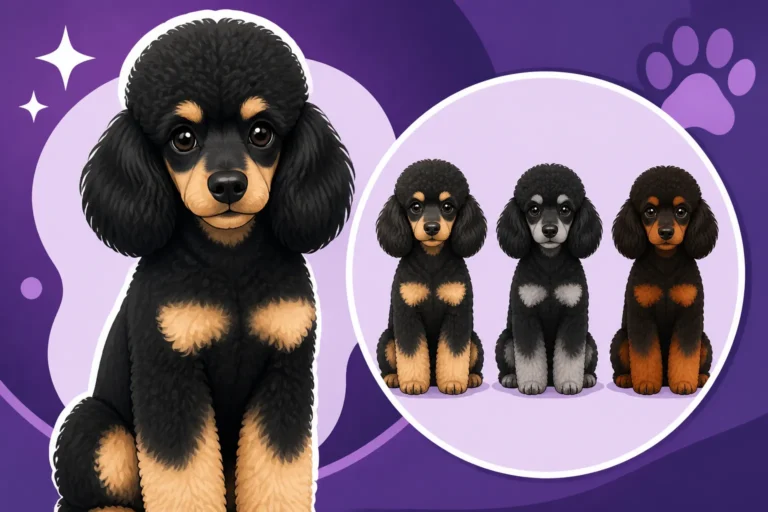
Any deviation from this solid color ideal generally means the Poodle isn't recognized for conformation showing. This is why you'll often hear about "parti" Poodles, which have two or more distinct colors in patches, or "phantom" Poodles, which have specific markings (like eyebrows, muzzle, chest, and leg markings) in a contrasting color, similar to a Doberman's pattern. While these Poodles are absolutely stunning and much-loved pets, they fall outside the current breed standard for show. Knowing this context helps immensely when we discuss brindle, as it's another pattern that deviates from the solid-color expectation. So, while a Parti Poodles and the Show Ring might be eye-catching, or Phantom Poodle Markings might be distinct, neither are for the conformation ring.
The Specifics of Brindle in Poodles
Now, let's get to the heart of the matter: what exactly is a brindle Poodle and where do they stand in the world of breed standards? It’s a pattern that causes a lot of excitement and curiosity, and for good reason—it’s quite striking!
What is a Brindle Poodle?
When we talk about a "brindle" coat, we're describing a very distinctive pattern characterized by irregular stripes or streaks of color, often resembling tiger stripes, on a lighter background. Imagine a fawn or apricot Poodle with darker black or brown stripes overlaying its base coat. It’s not a solid color at all, but rather a pattern formed by two different colors. These stripes can vary in intensity and thickness, making each brindle-patterned dog truly unique. It’s a genetic trait found in many other dog breeds, such as Boxers, Great Danes, and Greyhounds, where it is a recognized and often highly sought-after pattern.
The brindle pattern is visually quite different from the solid coats the Poodle breed standard describes. Instead of a uniform hue from root to tip across the entire dog, you have this beautiful, natural marbling effect. For those who aren't familiar with the strict Poodle color regulations, seeing a brindle Poodle can be quite a delightful surprise, and it's easy to wonder why such a unique presentation wouldn't be celebrated.
Is Brindle an Acceptable Poodle Color?
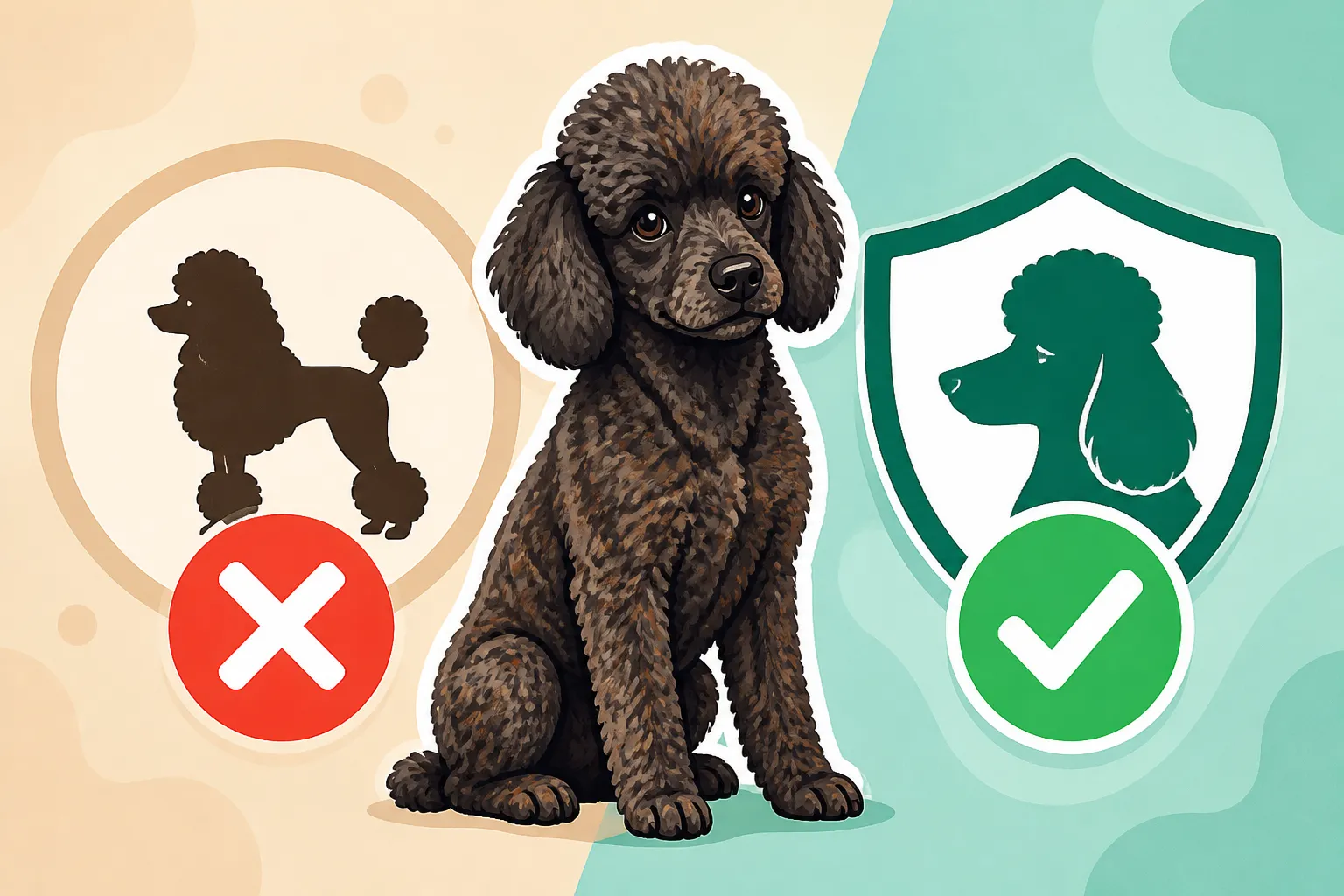
Here's the direct answer you've been looking for: no, brindle is not a recognized or acceptable color pattern under the major Poodle breed standards. This means that if a Poodle exhibits any brindle markings, it would be disqualified from participating in conformation dog shows governed by organizations like the AKC, UKC, or FCI. The standard explicitly calls for solid colors, and patterns like brindle, parti, or phantom simply do not fit that criterion.
This doesn't mean a brindle Poodle isn't a purebred Poodle, capable of being registered with a kennel club (though often with restrictions that prevent showing). It just means that from a conformation perspective, its coat pattern is considered a fault. For Poodle enthusiasts focused on the show ring, this is a significant distinction. However, for those of us who simply want a loving, intelligent, and healthy companion, the presence of a brindle pattern changes absolutely nothing about the dog's suitability as a pet. It merely offers a uniquely beautiful coat that might turn more heads at the dog park!
The Genetics and Practicalities of Owning a Brindle Poodle
So, if brindle isn't part of the "official" Poodle look, how do these striking dogs come about? And what does it mean for someone who finds themselves charmed by a brindle Poodle? Let's explore the backstory and the reality of life with such a distinct companion.
Where Do Brindle Poodles Come From?
The appearance of brindle in a Poodle lineage is quite an interesting genetic puzzle. Brindle is caused by a dominant gene, but it’s not historically part of the Poodle's standard genetic makeup for coat color. This leads to a few possibilities for how a brindle Poodle might arise. In some very rare instances, it could potentially trace back to ancient, unrecorded lines that carried the gene before breed standards were strictly enforced. However, the more common explanation, especially in modern times, is that the brindle pattern has entered the Poodle gene pool through an outcross at some point in a dog's ancestry, even many generations ago. This means there was likely a non-Poodle breed with the brindle gene introduced into the line, perhaps unintentionally or purposefully, long enough ago that the descendants are now considered Poodles.
Reputable breeders who are committed to preserving the Poodle breed standard would not intentionally breed for brindle, as it's a disqualifying trait in the show ring. Their focus is on health, temperament, and adherence to the established physical characteristics of the breed. When you see brindle Poodles, it often signals that the breeder is either unaware of the breed standard's requirements regarding color, or they are prioritizing unique aesthetics over conformation-based breeding goals. It's a bit like how some people might breed for non-standard sizes or extremely rare colors; while the dogs might be lovely, they are not being bred to the standard. For instance, questions sometimes arise about Whether a Parti Poodle Has Different Health Risks because non-standard coloring can occasionally be linked to broader genetic considerations, though in the case of brindle, it's primarily an aesthetic deviation.
Life with a Brindle Poodle
If you have or are considering a brindle Poodle, rest assured that the unique coat pattern is purely aesthetic. It has absolutely no bearing on your Poodle's health, their famously intelligent The Poodle Character, or their wonderful temperament. A brindle Poodle will still embody all the best traits of the breed: they'll be smart, trainable, often possessing a goofy sense of humor, and deeply loyal to their families. Their care requirements remain exactly the same as any other Poodle, regardless of their color. You'll still need to commit to regular grooming to keep that beautiful coat healthy and free of mats, and they'll still thrive on mental stimulation and physical exercise.
These uniquely patterned Poodles make fantastic pets and companions. They can excel in a wide array of dog sports and activities where coat color isn't a factor. Think about dog obedience, agility, rally, or even therapy work. A brindle Poodle can still earn Poodle Obedience and Rally Titles or achieve Agility Titles Poodles Commonly Earn with the best of them, proving that substance far outweighs superficial appearance. When it comes to everyday essentials, a brindle Poodle needs the same high-quality food, treats, and toys as any other Poodle. For example, you can easily find all the necessary supplies, from premium kibble to grooming tools, on platforms like Chewy, ensuring your uniquely colored Poodle is happy and healthy.
Brindle Poodles and Responsible Breeding
Understanding the breed standard for colors, and specifically why brindle isn't recognized, is crucial for anyone interested in responsible Poodle breeding or acquisition. It sheds light on the priorities of breeders and what you should look for when choosing a Poodle puppy.
Why Reputable Breeders Avoid Brindle
Reputable breeders dedicate themselves to preserving the Poodle breed as defined by its standard. This isn't just about winning ribbons in the show ring; it's about maintaining consistency in the breed's characteristics, including its health, temperament, structure, and, yes, its color. When a breeder works within the recognized colors, they are upholding a long-standing tradition and a shared vision for the breed. Breeding for non-standard colors like brindle would be a deviation from this commitment.
Furthermore, reputable breeders prioritize health and genetic testing above all else. They want to ensure their puppies are free from inherited conditions that can plague Poodles, such as Addison's disease, hip dysplasia, or progressive retinal atrophy. They will tell you What a Poodle Breeder Must Test For. Their focus is on producing healthy, well-socialized puppies with excellent temperaments, and they would never sacrifice these critical aspects for a "rare" or unusual coat color. If a breeder is primarily marketing Poodles based on their unique or unrecognized colors, it should raise a red flag. It suggests their priorities might not align with the overarching goals of responsible, ethical breeding practices that put the dog's well-being and breed integrity first.
Finding a Poodle with an Ethical Background
When you're searching for a Poodle to bring into your home, it’s absolutely paramount to seek out breeders who are transparent, ethical, and committed to the health and welfare of their dogs. A responsible breeder will openly discuss their breeding practices, provide health clearances for the parent dogs, and be very knowledgeable about their Poodle lines. They understand the breed standard inside and out, including the acceptable range of The Colors a Poodle Comes In, and will explain why certain colors or patterns are not recognized for showing, without devaluing the individual dog. Always look for a breeder who emphasizes health, temperament, and adherence to the breed standard, not novelty or "rarity" in color.
If you encounter a breeder advertising "rare brindle Poodles" at a premium price, view this as a significant warning sign. While the puppies themselves may be healthy and charming, it indicates that the breeder is either misinformed about the breed standard or intentionally diverging from it to capitalize on perceived uniqueness. This can lead to a focus on aesthetics over crucial health screenings or responsible genetic pairings. It's vital to do your homework and make sure you are Finding a Poodle Breeder Who Tests for all relevant conditions. Remember, a Poodle's true value comes from its health, temperament, and longevity, not the shade or pattern of its coat. No matter the color, your Poodle will still enjoy a tasty meal from Chewy, or a new chew toy from their fantastic selection, reinforcing that practical needs and love supersede any breed standard aesthetics.
| Attribute | Recognized by Major Breed Standard (e.g., AKC) | Not Recognized by Major Breed Standard | Implications |
|---|---|---|---|
| Primary Color | Solid (Black, White, Brown, Blue, Silver, Cream, Apricot, Red) | Parti, Phantom, Sable, Brindle | Disqualification from conformation showing; does not affect purebred status. |
| Coat Pattern | Uniform, no patterns | Brindle (stripes), Parti (patches), Phantom (specific markings) | Aesthetic deviation from the ideal; no impact on health or temperament. |
| Show Eligibility | Eligible for conformation shows | Ineligible for conformation shows | Can still compete in performance events (agility, obedience, etc.). |
| Breeding Focus | Health, temperament, adherence to standard | Often driven by aesthetic uniqueness or "rarity" | Reputable breeders prioritize breed integrity; others may not. |
| Pet Quality | Excellent | Excellent | All Poodles, regardless of color/pattern, make wonderful companions. |
Disclaimer
This article is for general informational purposes only and does not constitute professional advice. Laws, prices and regulations vary by location and change over time. Consult a qualified professional for guidance on your specific situation.