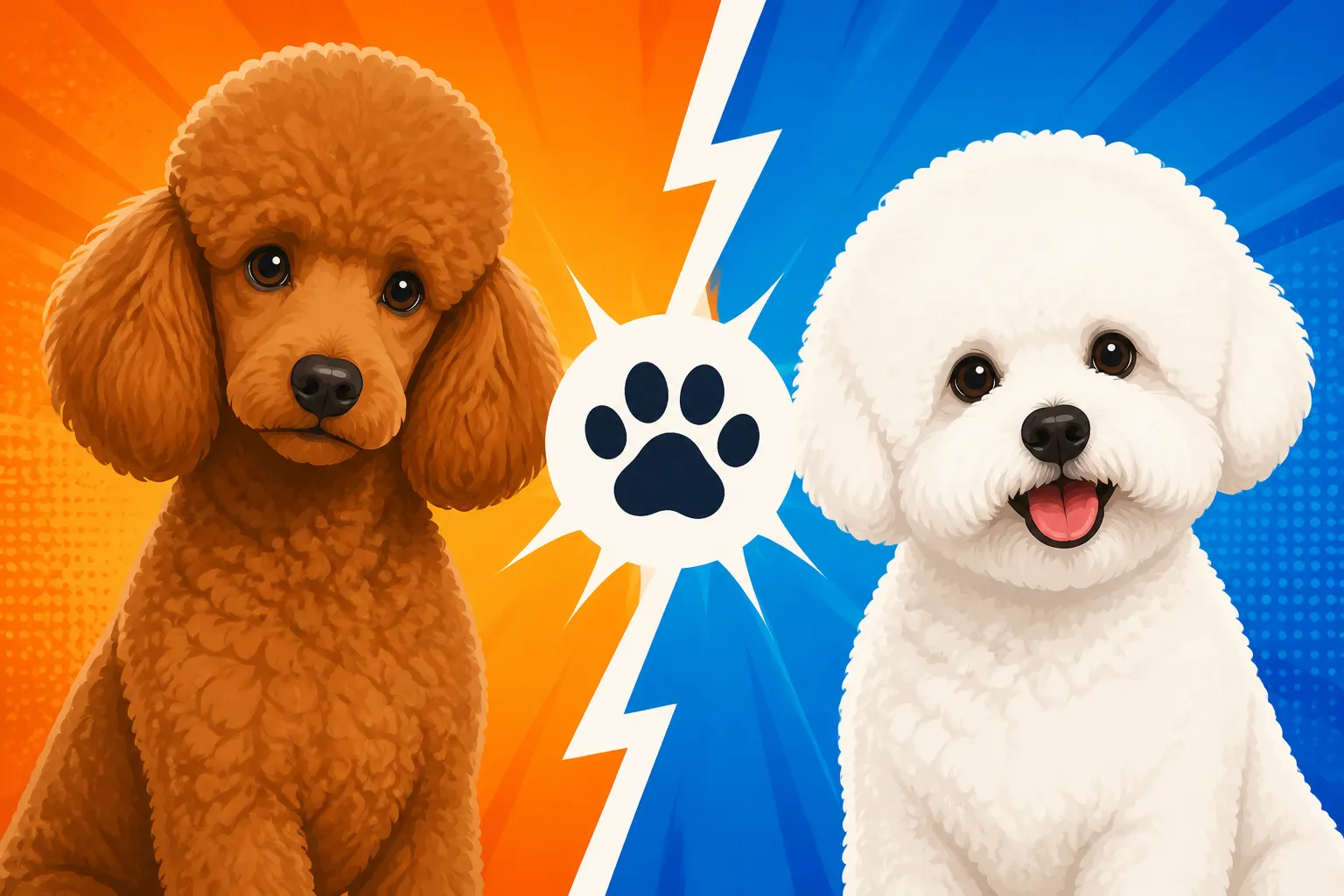
Poodle Versus Bichon Frise
Oh, the Poodle and the Bichon Frise! If you're anything like me, you've probably seen a fluffy white dog and wondered, "Is that a Poodle or a Bichon?" It's a surprisingly common dilemma, especially with those adorable curly coats. While both breeds are undeniably charming and intelligent, they actually have quite distinct traits that make them unique. This guide will walk you through the subtle, and not-so-subtle, differences between these two wonderful canine companions, helping you understand which might be the best fit for your family.
Understanding Their Distinctive Looks and Sizes
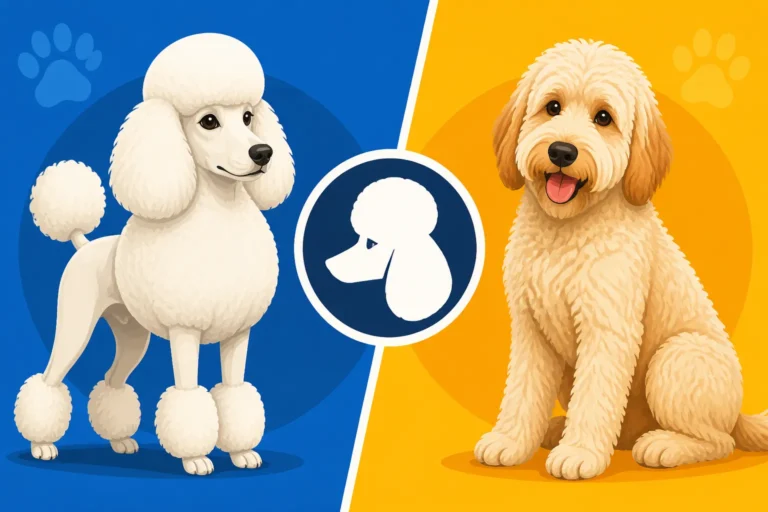
At first glance, especially if they're sporting a similar short clip, a Poodle and a Bichon Frise can look remarkably alike. Both boast a curly, non-shedding coat and a generally cheerful demeanor. However, once you start looking closely, their physical differences become quite apparent, particularly in their overall build and size.
The Poodle's Elegant Stature Across Varieties
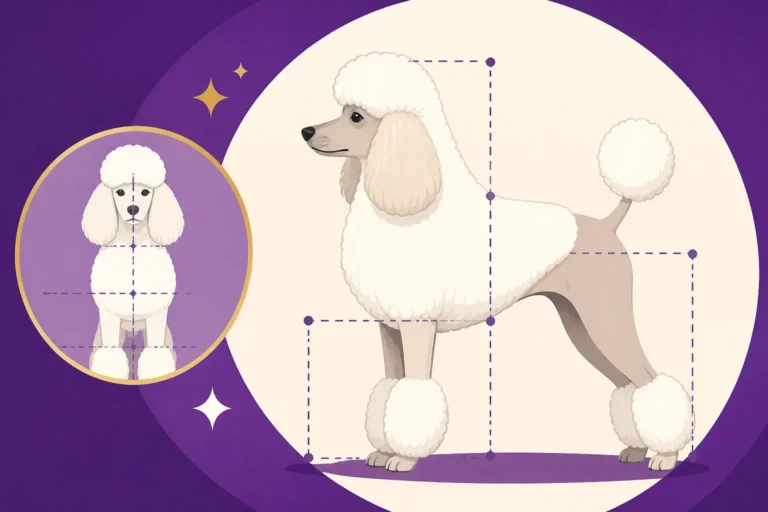
Poodles, as many of us know, come in three distinct size varieties: Standard, Miniature, and Toy. This is one of their most significant differentiators right off the bat. A Standard Poodle is a majestic, athletic dog, standing over 15 inches at the shoulder and often weighing 40-70 pounds or more. They possess a noble, elegant gait and a finely chiseled head with a long, aristocratic muzzle. Their bodies are well-proportioned, giving them an air of sophistication. Imagine seeing a Standard Poodle trotting confidently down the street – there’s no mistaking its regal presence. Standard, Miniature and Toy Poodles dives into these size differences further.
Miniature Poodles are a scaled-down version of their larger cousins, typically standing between 10 and 15 inches tall. They retain that classic Poodle elegance but in a more compact package, perfect for those who want a medium-sized companion. Then there are Toy Poodles, the smallest of the trio, usually under 10 inches and weighing a mere 4-6 pounds. They are tiny bundles of joy, but still possess the same intelligent expression and well-balanced structure as the larger Poodles. Regardless of size, a Poodle's coat is dense and curly, feeling almost like wool, and it grows continuously, demanding regular grooming to prevent matting. Their eyes are typically dark and almond-shaped, and their ears hang close to their head.
The Bichon's Merry, Compact Charm
The Bichon Frise, on the other hand, is a singular breed size, falling into the small dog category. They are generally 9 to 12 inches tall and weigh between 12 and 18 pounds, making them roughly comparable in size to a Miniature Poodle, though often a bit stockier. The Bichon’s appearance is distinctly merry and cloud-like. Their most defining feature is their soft, double coat, which consists of a silky undercoat and a curly, coarser outer coat that gives them a powder-puff or cotton-ball look. While also curly and non-shedding, the Bichon’s coat has a different texture compared to the Poodle's dense wool.
Their body is compact and well-muscled, but their overall impression is one of gentle fluffiness. They have a rounder, softer facial expression than the Poodle, with dark, round eyes that sparkle with curiosity and intelligence. Their ears are dropped and covered with long, curly hair, blending into their head. The Bichon’s tail is often carried proudly curled over their back, adding to their cheerful presentation. You'd never mistake a Bichon for a Standard Poodle, but distinguishing a well-groomed Bichon from a Toy or small Miniature Poodle might require a closer look at their proportions and coat texture.
Decoding Their Personalities and Temperaments
Beyond their physical differences, the internal workings of these two breeds – their temperaments and personalities – present an even greater contrast. Both are affectionate and make wonderful companions, but the way they express themselves and interact with the world can be quite different.
The Poodle: Bright, Sensitive, and Active
Poodles are renowned for their exceptional intelligence; they consistently rank among the smartest dog breeds. This brainpower means they are quick learners, often picking up new commands in just a few repetitions. However, this also means they get bored easily and require consistent mental stimulation to prevent them from finding their own, sometimes mischievous, ways to entertain themselves. A bored Poodle can be a creative problem-solver, which isn't always what you want when it comes to safeguarding your slippers or the pantry door! Training the Second Smartest Dog Breed highlights just how sharp these dogs are.
They are also incredibly sensitive and empathetic dogs. Poodles bond deeply with their families and thrive on companionship, often becoming quite "velcro" dogs, following you from room to room. This sensitivity means they respond best to positive reinforcement training and can easily become anxious or "shut down" with harsh corrections. Poodles tend to be active and playful, requiring a good amount of exercise, whether it's long walks, games of fetch, or dog sports like agility. A well-exercised Poodle is a calm Poodle, but deny them their physical and mental outlet, and you might find them bouncing off the walls. While generally friendly, some Poodles can be a bit reserved with strangers initially, preferring to assess new people from a slight distance before offering their affection. The Poodle Character goes into more detail about their sensitive nature.
The Bichon: Affectionate, Playful, and Engaging
Bichons are also intelligent dogs, though perhaps not with the same intense drive for problem-solving as a Poodle. Their intelligence is often channeled into their playful and endearing nature. They are notorious for their cheerful disposition and their ability to charm everyone they meet. A Bichon's primary goal in life seems to be making their humans happy, and they excel at it with their comical antics and loving nature. They are incredibly affectionate and thrive on being the center of attention, often described as "big dogs in a small body" due to their confident and spirited personalities.
Unlike some Poodles who might be initially reserved, Bichons are generally outgoing and friendly with everyone – strangers, children, and other pets. They love to play and enjoy short bursts of activity followed by cuddles on the sofa. While they don't require the same intense exercise as a Standard Poodle, they still need daily walks and playtime to stay happy and healthy. Their sensitive side is expressed more in their strong need for companionship; they can be prone to separation anxiety if left alone for extended periods. Their zest for life is infectious, and they are excellent at brightening their owners' days with their happy-go-lucky attitude.
Grooming Needs: More Than Just a Pretty Fluff
Both Poodles and Bichons are prized for their non-shedding, hypoallergenic coats, making them popular choices for allergy sufferers. However, this wonderful trait comes with a significant trade-off: intensive grooming. Neither of these breeds are wash-and-go dogs; their unique coats require dedication and regular maintenance to prevent painful matting and skin issues.
The Poodle's Iconic, High-Maintenance Coat
A Poodle's coat is truly a marvel. It's a single coat, dense and curly, feeling much like coarse wool. This hair grows continuously and doesn't shed in the traditional sense, meaning dead hair gets trapped within the curls. If not brushed out regularly, this trapped hair quickly forms mats that can become tight and pull on the skin, causing discomfort and even infections. For this reason, Poodles require daily or every-other-day brushing, meticulously working through the coat with a slicker brush and a comb to reach the skin. Brushing a Poodle to the Skin explains this crucial technique.
Beyond daily brushing, professional grooming is a necessity for most Poodle owners, typically every 4-6 weeks. This involves bathing, drying, and clipping. The variety of clips available for Poodles is vast, from the practical "kennel clip" to the elaborate "continental clip" seen in the show ring. The cost and frequency of grooming can be a significant budget item for Poodle owners. Trying to maintain a Poodle's coat at home is a learning curve, requiring specialized tools and a lot of patience. You might find yourself on Chewy browsing for high-quality clippers and blades, or specialized shampoos and conditioners that properly hydrate their unique hair.
The Bichon's Cloud-Like, Demanding Fur
The Bichon Frise also has a non-shedding, continuously growing coat, but it's a double coat. The soft, dense undercoat combined with the coarser, curly outer coat creates their signature powder-puff appearance. Like the Poodle, this coat type traps dead hair and will mat quickly if neglected. While a Bichon's coat might feel softer and fluffier, it's just as, if not more, prone to matting as a Poodle's. Many Bichon owners will tell you that mats seem to appear out of thin air!
Daily brushing is absolutely essential for a Bichon Frise to keep their coat tangle-free and healthy. You'll need a good slicker brush and a metal comb to get through their thick fur. Professional grooming is also required every 4-6 weeks, similar to a Poodle. The typical Bichon clip aims to maintain their rounded, fluffy appearance, often with a slightly shorter body and a fuller head. Because of their white coat, they can also be prone to tear staining around their eyes, which requires regular cleaning. Again, sites like Chewy can be a great resource for specialized tear stain removers and grooming tools specifically designed for their delicate facial fur. Don't underestimate the time and financial commitment to keeping a Bichon looking and feeling their best.
Health Profiles and Lifespan Considerations
When considering any breed, understanding their typical health predispositions is crucial. Both Poodles and Bichon Frises are generally healthy breeds with decent lifespans, but like all purebreds, they have certain genetic conditions that are more prevalent within their lines. Knowing what to look out for can help you provide the best possible care for your furry friend.
Common Health Concerns in Poodles
Poodles, particularly the Standard variety, are known for a few significant health issues. Addison's Disease, an autoimmune disorder affecting the adrenal glands, is notably common in Standard Poodles. This can be a tricky condition to diagnose as its symptoms are often vague and can mimic other illnesses. Addison's Disease in Standard Poodles explains more about this "Great Pretender." Another serious concern, particularly for Standard Poodles, is Bloat (Gastric Dilatation-Volvulus), a life-threatening condition where the stomach twists. Their deep chests make them more susceptible. Bloat and the Deep Standard Poodle Chest offers detailed information.
All three Poodle sizes can also be prone to Sebaceous Adenitis, a skin condition that affects the sebaceous glands, leading to dry, scaly skin and hair loss. Progressive Retinal Atrophy (PRA), which can lead to blindness, is seen across Poodle sizes, particularly in Miniatures. Smaller Poodles, like Toys and Miniatures, are more susceptible to orthopedic issues such as Luxating Patella (slipping kneecaps) and Legg-Calve-Perthes disease, a hip joint disorder. Dental disease is also a concern for all Poodles, especially the smaller varieties, so regular dental care is vital.
Typical Health Challenges for Bichons
Bichon Frises are generally robust little dogs with a typical lifespan of 12-15 years, sometimes even longer. However, they do have their own set of health considerations. Like small Poodles, Luxating Patella is a common orthopedic problem in Bichons, where the kneecap can slip out of place. This can range from mild to severe, sometimes requiring surgical correction. They are also prone to certain eye conditions, including cataracts and progressive retinal atrophy, though perhaps not with the same frequency or severity as some Poodle lines.
Allergies and skin issues are relatively common in Bichons, often manifesting as itchy skin, redness, or ear infections. Their dense coat can also exacerbate skin problems if not properly cared for. Poodle Allergies and Skin Reactions touches on similar issues found in Poodles. Dental disease is a significant concern for Bichons, as it is with many small breeds. Their small mouths can lead to overcrowding of teeth, making them prone to tartar buildup and gum disease. Regular professional cleanings and at-home dental care are critical for their overall health. They can also be susceptible to bladder stones, which may require dietary changes or surgical intervention.
Making the Right Choice for Your Lifestyle
Deciding between a Poodle and a Bichon Frise ultimately comes down to understanding your own lifestyle, your experience with dogs, and what you're truly looking for in a companion. Both are fantastic breeds, but they cater to slightly different needs and expectations.
When a Poodle Might Be Your Perfect Match
A Poodle could be your ideal canine companion if you appreciate high intelligence and are prepared to engage a dog's mind as much as its body. If you enjoy training and are looking for a dog that excels in obedience, agility, or other dog sports, a Poodle will thrive under your guidance. Their intelligence means they learn quickly, but also means they need a "job" to do, whether it's learning complex tricks or participating in rally. If you have a moderately active lifestyle and are committed to daily walks, playtime, and mental challenges, a Poodle will be a joyful partner.
You should also be prepared for a significant grooming commitment. If the idea of daily brushing and professional grooming every 4-6 weeks doesn't daunt you, and you're ready to invest in the time and resources for coat care (perhaps stocking up on essentials from Chewy), then a Poodle's non-shedding coat is a huge plus. Poodles bond very closely with their families, so if you're looking for a devoted companion who wants to be by your side, a Poodle will certainly deliver. You also have the flexibility of choosing a size that best suits your living situation, from a compact Toy for apartment living to a Standard for larger homes with yards.
When a Bichon Frise Steals Your Heart
The Bichon Frise shines for those who want a perpetually cheerful, affectionate, and relatively adaptable companion. If you're looking for a "lap dog" that thrives on cuddles and being the life of the party, a Bichon will likely steal your heart. They are incredibly social and loving, making them excellent companions for families, singles, or seniors who can provide consistent companionship. Their smaller size makes them perfect for apartment living, as long as they get their daily walks and indoor play. Daily Exercise for a Toy Poodle (which can be somewhat comparable to a Bichon's needs) can give you an idea of their exercise requirements.
While their grooming needs are just as intense as a Poodle's, their slightly softer nature and unwavering cheerfulness might make the daily brushing sessions feel more like a joyful bonding experience. If you enjoy a dog with a comical, playful streak and a genuine desire to make you smile, the Bichon’s personality is hard to beat. They are generally more outgoing with strangers than some Poodles, making them a great choice for households with frequent visitors or those who enjoy taking their dog out to social events. However, be prepared to address their potential for separation anxiety with training and thoughtful care.
No matter which breed you choose, both the Poodle and the Bichon Frise promise years of loyal companionship, intelligence, and endless love. The key is to truly understand their needs and ensure they align with what you can realistically offer.
| Feature | Poodle | Bichon Frise |
|---|---|---|
| Sizes | Toy, Miniature, Standard | One size (Small) |
| Height (Approx.) | Toy: <10", Mini: 10-15", Std: >15" | 9-12" |
| Weight (Approx.) | Toy: 4-6 lbs, Mini: 10-15 lbs, Std: 40-70+ lbs | 12-18 lbs |
| Coat Type | Dense, curly single coat (woolly) | Double coat: silky under, curly outer (powder-puff) |
| Shedding | Non-shedding | Non-shedding |
| Grooming Frequency | Daily brushing, professional every 4-6 weeks | Daily brushing, professional every 4-6 weeks |
| Intelligence | Extremely high, often ranked 2nd smartest | High, playful intelligence |
| Temperament | Intelligent, sensitive, active, can be reserved with strangers | Cheerful, affectionate, playful, outgoing, charming |
| Exercise Needs | Moderate to high (varies by size) | Moderate (daily walks, playtime) |
| Common Health Issues | Addison's, Bloat (Std), SA, PRA, Luxating Patella, Dental | Luxating Patella, Allergies, Eye issues, Dental, Bladder stones |
| Lifespan | 10-18 years (varies by size) | 12-15+ years |
Disclaimer
This article is for general informational purposes only and does not constitute professional advice. Laws, prices and regulations vary by location and change over time. Consult a qualified professional for guidance on your specific situation.