Whether Mixed Poodle Sizes Share Risks
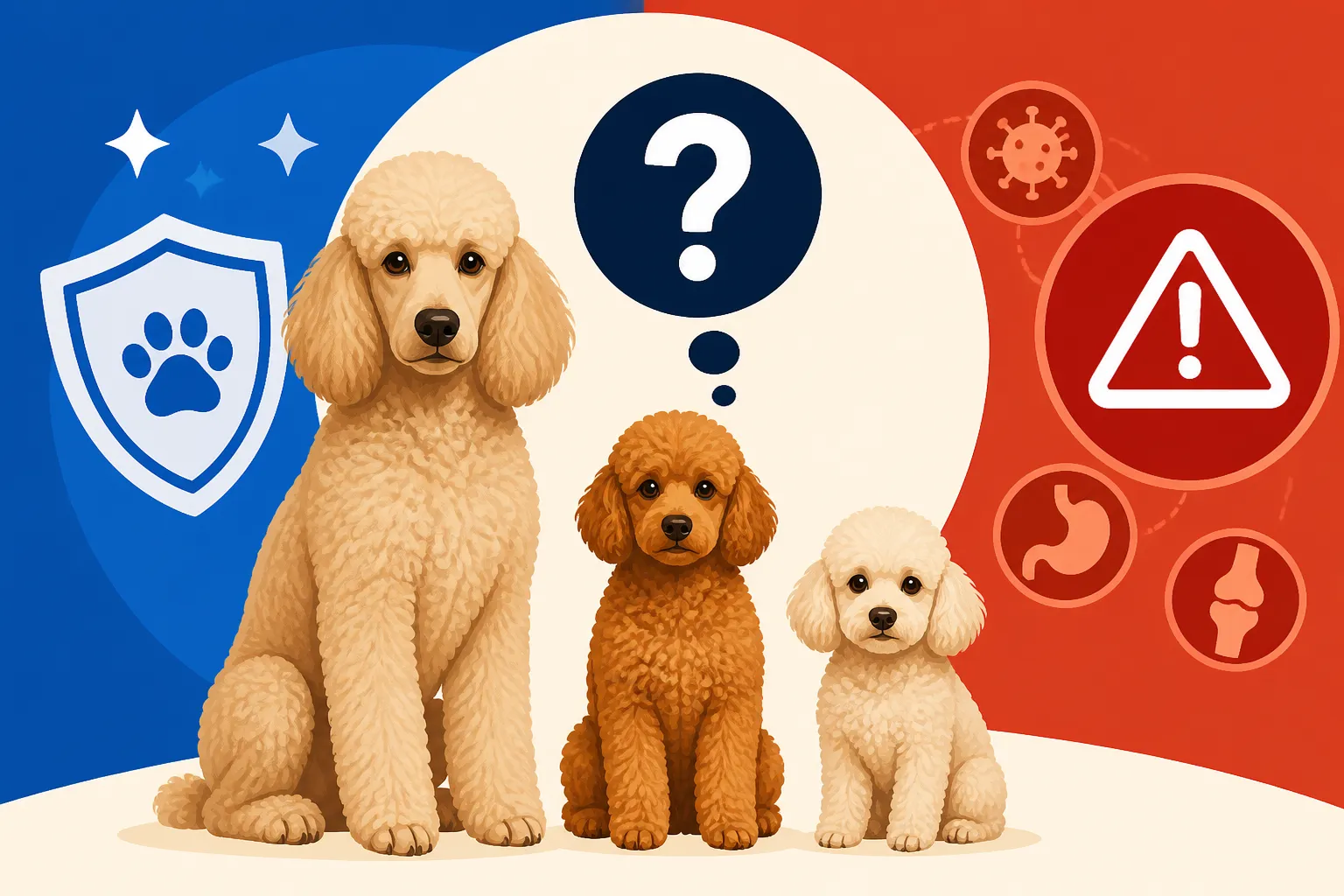
It’s a common predicament: you love the Poodle's intelligence and charm, but perhaps the perfect size isn’t quite "standard," "miniature," or "toy." You might be looking at a Poodle whose parents were different sizes, or one that falls just outside a standard category. This naturally raises concerns about health – do these "mixed-size" Poodles inherit a unique blend of risks, or are they simply prone to the ailments of their larger or smaller forebears? This guide aims to clear up the confusion and help you understand the health considerations for Poodles that don't fit neatly into a single size classification.
Understanding Poodle Sizes and Their Health Profiles
The Poodle breed, while celebrated for its three distinct size varieties—Standard, Miniature, and Toy—actually has quite a bit of shared history, but centuries of selective breeding have carved out some distinct health tendencies for each. It’s not just about aesthetics; size plays a crucial role in which health issues are more prevalent. People often wonder Why Poodle Health Splits by Size.
The Distinct Health Concerns of Each Poodle Variety
Let's quickly recap what we generally expect for each size. Standards, being larger, are unfortunately predisposed to issues common in big dogs, like bloat, also known as Gastric Dilatation-Volvulus (GDV). This is a terrifying, life-threatening condition where the stomach twists, and it's a constant worry for many Standard Poodle owners. They also face a higher incidence of Addison's Disease, an autoimmune disorder that can be tricky to diagnose. For more on this, you might explore Addison's Disease in Standard Poodles. On the other end of the spectrum, Toy Poodles, with their delicate frames, often contend with orthopedic issues like Luxating Patella in Toy and Miniature Poodles where the kneecap slips out of place, and even sometimes collapsing trachea, a respiratory issue that manifests as a honking cough. Miniatures, nestled in the middle, can unfortunately inherit a mix of problems from both ends, though generally with fewer instances of extreme orthopedic or GDV issues, but they are particularly susceptible to certain eye conditions like Progressive Retinal Atrophy (PRA) and Idiopathic Epilepsy. The question then becomes: if you breed a Miniature to a Toy, or a Standard to a Miniature, what happens to that carefully (or not-so-carefully) separated health risk profile? This is where the waters get muddy for many prospective owners.
The "Moyen" or "Klein" Poodle and Health Perceptions
In Europe, you'll sometimes hear talk of a "Moyen" or "Klein" Poodle, which sits between the Miniature and Standard sizes, typically ranging from 15 to 20 inches at the shoulder. While not officially recognized as a distinct size by the American Kennel Club (AKC), these Poodles are essentially larger Miniatures or smaller Standards. Owners of Moyens often hope they might sidestep some of the more severe health issues of both the very large and very small Poodles, perhaps offering a "best of both worlds" scenario. The theory is that by having a moderate size, they might avoid the extreme joint stress of a Standard or the fragile bone structure of a Toy. However, it’s not quite that simple. A Moyen Poodle's health will largely depend on the genetic makeup of its parents and their specific health clearances. If a Moyen is simply a smaller Standard or a larger Miniature, its health risks will lean towards the parent size it most closely resembles genetically, not just physically. The term "Moyen" itself doesn't magically confer different health predispositions; it's still all about the genetics underlying that particular Poodle.
The Genetic Realities of Mixed-Size Poodle Breeding
When Poodles of different sizes are bred, whether intentionally to create a "Moyen" or simply due to a lack of understanding of genetic implications, the offspring inherit a complex genetic lottery. It’s not a simple 50/50 split of diseases; genetics are far more intricate.
Inheriting Size and Associated Predispositions
The size of a Poodle is determined by multiple genes, not just one. When you breed a Standard to a Miniature, for instance, the resulting puppies won't all be the exact same "Moyen" size. They'll likely vary, some leaning more towards the Miniature parent's size, others closer to the Standard. With this variation in size comes a variation in inherited predispositions. A puppy that matures to be closer to a Miniature Poodle's size will inherently carry a higher genetic risk for conditions like Toy Poodle Kneecaps and Windpipes or other small-dog orthopedic issues, even if one parent was a Standard. Conversely, a larger sibling might retain some of the deep chest structure that makes Standard Poodles prone to Bloat and the Deep Standard Poodle Chest, even if their other parent was a Miniature. It's a spectrum, not a neat division. The exact inheritance patterns for complex traits like size and disease susceptibility are hard to predict perfectly in any single litter, which is why responsible breeding involves comprehensive health testing of both parents, regardless of their specific size category. This genetic mingling highlights Why Size Changes Which Diseases a Poodle Gets.
The Role of Genetic Health Testing
This is where responsible breeding truly shines, especially when dealing with mixed-size pairings. Any breeder, regardless of whether they breed purely within one size or intentionally cross sizes, must perform extensive genetic health testing on both parent dogs. This includes screening for conditions known to affect Poodles of any size, as well as those specific to the parent sizes involved. For example, if a Standard Poodle is bred to a Miniature, both parents should be screened for Hip Dysplasia (more common in Standards) and Progressive Retinal Atrophy (common in Miniatures and Toys). A comprehensive genetic panel can identify carriers or affected dogs for many hereditary diseases. Without this testing, you're essentially gambling with the health of the puppies. A reputable breeder will openly share OFA (Orthopedic Foundation for Animals) and Canine Health Information Center (CHIC) results, demonstrating their commitment to mitigating inherited risks. If a breeder is evasive or claims "my dogs are healthy, they don't need tests," that's a massive red flag. For a deeper dive into breeder responsibilities, you can check out What a Poodle Breeder Must Test For and Genetic Panels for the Three Poodle Sizes.
Here's a quick look at some common size-related health concerns and how they might manifest:
| Poodle Size Category | Common Health Concerns (Higher Risk) | Potential Risk in Mixed-Size Offspring |
|---|---|---|
| Toy (Under 10") | Luxating Patella, Collapsing Trachea, Hypoglycemia (puppies), Dental Disease | Higher risk if offspring leans towards smaller size; lower but still present if larger. |
| Miniature (10-15") | Progressive Retinal Atrophy (PRA), Idiopathic Epilepsy, Thyroid Disease, Dental Disease | Moderate risk, often sharing predispositions with both Toy and Standard lines depending on size. |
| Standard (Over 15") | Gastric Dilatation-Volvulus (Bloat), Addison's Disease, Hip Dysplasia, Sebaceous Adenitis | Higher risk if offspring leans towards larger size; lower but still present if smaller. |
Specific Health Risks and How They Translate Across Sizes
It’s crucial to understand that health conditions aren't always neatly contained within specific size categories. Many conditions can appear in any Poodle, though the prevalence might differ. For example, while Poodle Hip Dysplasia by Size is more commonly associated with Standard Poodles, it can absolutely affect Miniatures and, less frequently, Toys.
Orthopedic Concerns and the Size Spectrum
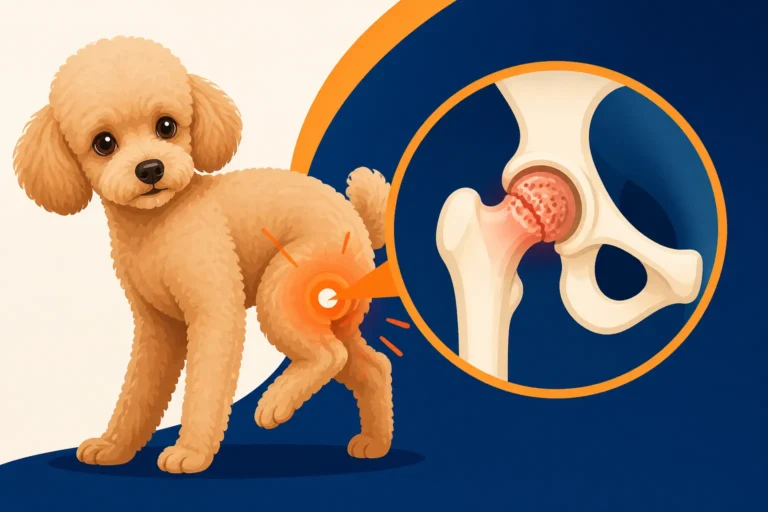
Orthopedic issues are a prime example of how risks can translate across sizes. A Standard Poodle parent with a predisposition to hip or elbow dysplasia, even if bred to a Miniature, could pass those genetics onto offspring that grow to be a medium size. Similarly, a Miniature or Toy Poodle parent with a history of patellar luxation could pass that tendency to a puppy that matures to be a larger "Moyen" size. The bone structure and joint integrity are still fundamentally linked to the genes inherited from both parents. It’s not just about how big the final dog is, but what genetic blueprint it carries. For instance, while we talk about When a Toy Poodle's Kneecap Needs Surgery, a larger Poodle with Toy ancestry could still experience similar knee issues. This is why a comprehensive health history of both parent lines is essential, looking beyond just the immediate size category they fall into.
Autoimmune and Other Genetic Diseases
Autoimmune diseases, like Addison's Disease or Sebaceous Adenitis, don't strictly adhere to size boundaries, although Standard Poodles have a higher incidence of certain autoimmune conditions. A mixed-size Poodle whose ancestry includes Standard Poodles will still carry the genetic potential for these conditions. The same goes for other hereditary diseases like Von Willebrand Disease (a bleeding disorder) or certain eye conditions. These are not tied to physical size directly but to specific genetic markers that can be present in any Poodle line. This is where vigilant breeders using comprehensive Genetic Panels for the Three Poodle Sizes can make a real difference. If a breeder understands the health landscape of all their breeding stock, regardless of their offspring's anticipated intermediate size, they are better equipped to make informed decisions that reduce the likelihood of passing on known genetic risks. Insurance providers like Healthy Paws often highlight the importance of knowing your dog's lineage due to these inherited conditions.
What to Ask a Breeder About Mixed-Size Poodle Health
Navigating the world of Poodle breeders, especially when considering a Poodle from a mixed-size pairing, can feel overwhelming. It's easy to get swept up in the adorable puppies, but asking the right questions is paramount to ensuring you bring home a healthy companion. Remember, a good breeder will welcome your questions and be transparent.
Demanding Full Health Clearances for Both Parents
Never, ever shy away from asking for verifiable health clearances for both the sire and the dam, regardless of their individual sizes or the expected size of their offspring. This isn't just a casual request; it's a non-negotiable expectation for responsible breeding. For instance, demand proof of OFA certifications for hips and elbows (especially for the larger parent), current eye certifications from a veterinary ophthalmologist (CERF/OFA Eye certification), and thyroid panel results. Additionally, ask for specific DNA test results for conditions like Progressive Retinal Atrophy (PRA-prcd) and Von Willebrand Disease (vWD), even if these are more common in one parent's size category. A breeder should be able to provide these documents readily, often linked to public databases like the OFA. If they hesitate, offer excuses, or only provide a vet's letter saying the parents "seem healthy," walk away. The goal is to minimize the genetic roulette. A strong pet insurance policy from a company like Healthy Paws can provide peace of mind, but it doesn't replace careful breeding practices.
Inquiring About the Lineage and Breeder's Philosophy
Beyond the health clearances of the immediate parents, a good breeder will also be transparent about the health history of their broader breeding lines. Ask about the health outcomes of previous litters from these parents or closely related relatives. Have there been instances of Addison's in the Standard Poodle lineage? What about patellar luxation in the Miniature or Toy lines? A breeder who tracks this information and uses it to make informed breeding decisions is one you can trust.
You should also inquire about their philosophy regarding mixed-size breeding. Are they intentionally breeding for a specific intermediate size (like Moyens), and if so, what is their rationale? How do they select parents for these pairings to ensure the healthiest outcomes? This isn't just about avoiding obvious diseases; it's about a holistic approach to genetic health. A breeder dedicated to producing healthy dogs will focus on robust genetics, sound temperament, and structural integrity, rather than simply trying to create a specific "look" or size without considering the underlying health implications. The best breeders are constantly learning and adapting their practices to breed healthier Poodles, regardless of the size combinations they work with. They understand that even with the best testing, genetics are complex, and they strive for continuous improvement in their lines.
Living with a Poodle of Undetermined or Mixed Size
Once you bring a Poodle into your home whose size might bridge the traditional categories, your focus shifts from genetic prediction to proactive, preventative care. It’s about tailoring their care to their individual needs, which might blend requirements from different size varieties.
Tailoring Preventative Care and Nutrition
The best approach for a mixed-size Poodle is to assume they could be susceptible to conditions from both parent sizes. This means working closely with your veterinarian to establish a preventative care plan. For instance, if your Poodle has Standard Poodle lineage, even if they mature to be a medium size, discuss strategies to mitigate the risk of bloat, such as appropriate feeding habits and potentially a prophylactic gastropexy procedure. If they have Toy or Miniature lineage, pay close attention to their joint health, dental hygiene, and watch for any signs of respiratory issues.
Nutrition is another area where a blended approach is often best. Your vet can help determine the appropriate calorie intake and specific nutritional needs based on their adult weight, energy level, and any emerging health concerns. For a Poodle that's larger than a Toy but smaller than a Standard, finding a food that supports joint health (often found in larger breed formulas) while not being overly dense in calories (to prevent obesity, a risk factor for many conditions) is key. Regular check-ups are even more critical, allowing your vet to monitor for early signs of problems that might be missed if you only considered them purely a "Standard" or a "Toy." Proactive discussions about their unique health profile will set them up for a long, healthy life. Pet insurance, such as a policy from Healthy Paws, can be incredibly helpful here, as it can cover unexpected veterinary costs for conditions that might arise.
Recognizing and Addressing Health Concerns Early
Since a mixed-size Poodle might present with a wider range of potential health concerns, vigilance in observing their behavior and physical condition is paramount. Learn the early warning signs for conditions prevalent in both their ancestral sizes. For example, be alert to any changes in appetite, lethargy, or abdominal distension, which could signal issues like bloat or Addison's disease – issues commonly associated with larger Poodles. Simultaneously, pay attention to limping, difficulty jumping, or a persistent cough, which might point to patellar luxation or collapsing trachea, more common in smaller Poodles.
It’s about being an educated and attentive owner. Don't dismiss subtle changes, especially in a breed known for its stoicism when ill. If you notice anything out of the ordinary, consult your veterinarian promptly. Early diagnosis and intervention can make a significant difference in managing hereditary conditions and ensuring your Poodle maintains a good quality of life. Remember, your Poodle relies on you to be their advocate. Understanding their unique genetic heritage, even if it's a mix of sizes, empowers you to provide the best possible care.
Disclaimer
Please remember that the information provided in this guide is for educational purposes only and should not be considered a substitute for professional veterinary advice. Always consult with a qualified veterinarian for any health concerns or before making any decisions about your Poodle's care.