How Often a Poodle Needs Dental Scaling
One of the most common, yet often overlooked, health challenges Poodle parents face is maintaining their beloved companion’s oral health. It’s not just about warding off stinky breath; neglected teeth and gums can lead to excruciating pain, costly procedures, and even serious systemic diseases that impact their overall lifespan. This comprehensive guide will peel back the layers of Poodle dental care, exploring why these intelligent dogs are particularly susceptible to dental issues, how to spot the early warning signs, what to expect from a professional dental scaling, and most importantly, how often your Poodle truly needs this crucial procedure.
Why Poodles Are Especially Prone to Dental Problems
It's a frustrating reality for many Poodle owners: despite our best efforts, our dogs often seem to develop dental issues quicker than other breeds. This isn't just bad luck; it's rooted in a combination of genetics and their unique physical characteristics. Understanding these underlying factors is the first step toward proactive care.
Genetic Predisposition and Breed Characteristics
Let's be honest, those adorable, slender muzzles of our Poodles, especially the Toy and Miniature varieties, are part of their charm. However, this delicate jaw structure often comes with a significant drawback: tooth crowding. Imagine a mouth that's a bit too small trying to hold a full set of adult teeth. This can lead to teeth being packed closely together, overlapping, or even rotated. When teeth are crowded, they create tiny, hard-to-reach crevices where food particles, bacteria, and plaque can accumulate undisturbed. It's a perfect breeding ground for tartar and subsequent gum disease.
This predisposition means that Poodles are unfortunately at a higher risk for Poodle Dental Disease by Size compared to some larger breeds with more spacious mouths. The smaller the Poodle, the more pronounced this issue can be. A tiny Toy Poodle’s mouth, while charming, can quickly become a hotbed for dental decay if not meticulously managed. This crowding also makes it incredibly difficult for the natural chewing action or even diligent home brushing to effectively clean all tooth surfaces, leading to accelerated buildup and, often, early tooth loss, a concern highlighted in discussions about Why Small Poodles Lose Teeth Early. It's not fair, but it's a fact of life with these wonderful dogs.
The Impact of Diet and Chewing Habits
Beyond genetics, your Poodle's daily diet and chewing habits play a significant role in their oral health trajectory. Many of us want to spoil our Poodles with delicious, often softer, foods. While some Poodles may require a softer diet due to age or health conditions, for those who don't, a diet consisting primarily of wet food or very soft kibble can be detrimental to their dental hygiene. These types of foods tend to stick to the teeth more readily and don't provide the abrasive action necessary to help scrub away plaque as they eat.
Conversely, hard kibble or specially formulated dental diets can offer some mechanical cleaning benefits. However, it's also worth noting that many Poodles aren't naturally aggressive chewers like some other breeds. They might enjoy a gentle chew, but won't spend hours grinding down on a hard bone or toy that effectively cleans their teeth. This reduced natural "scrubbing" means plaque can harden into tartar much faster. Therefore, relying solely on diet or generalized chew toys won't cut it for most Poodles; a more targeted and consistent approach is absolutely necessary to combat the natural buildup.
The Hidden Dangers of Neglected Oral Health
It’s easy to think of bad breath as a minor annoyance, but in a Poodle, it’s rarely just bad breath. That foul odor is typically caused by a flourishing colony of bacteria, a clear indicator of periodontal disease already taking hold. This disease starts as gingivitis (inflammation of the gums) and, if left untreated, progresses to periodontitis, which can destroy the supporting structures of the teeth. This is agonizing for your Poodle.
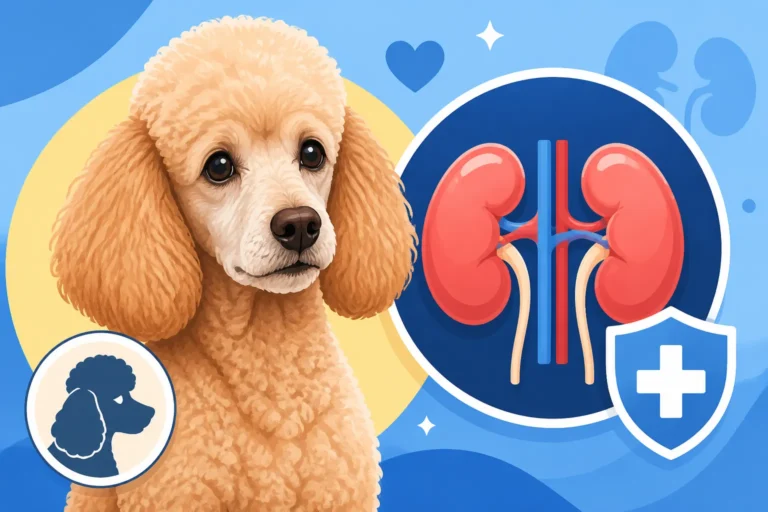
But the danger doesn't stop in the mouth. The bacteria thriving in those infected gums can easily enter your Poodle's bloodstream, traveling to and damaging vital organs like the heart, kidneys, and liver. What begins as a seemingly localized dental issue can escalate into a severe, life-threatening systemic illness. This potential for widespread impact is why veterinary professionals stress the importance of oral health so strongly. It's a silent health crisis for many dogs, and Poodles, given their predisposition, are often at the forefront. The financial burden of treating advanced dental disease, including multiple extractions or organ complications, can be substantial, underscoring the value of preventative care and perhaps even pet insurance from a provider like Healthy Paws.
Recognizing the Signs Your Poodle Needs a Dental Scaling
You know your Poodle best, and often, you'll be the first to notice that something isn't quite right. However, Poodles can be remarkably adept at hiding pain, a trait that complicates early detection of dental problems. Learning to identify both the obvious and the subtle clues is paramount.
Obvious Visual and Olfactory Cues
Let's start with the things that are hard to miss. The most obvious indicator your Poodle might need a dental scaling is often a truly offensive odor coming from their mouth. We're talking beyond "dog breath" – this is a smell that makes you instinctively pull away when they try to give you a loving lick. That intense, putrid smell is a direct result of bacterial overgrowth in their mouth, a clear sign that decay and infection are present.
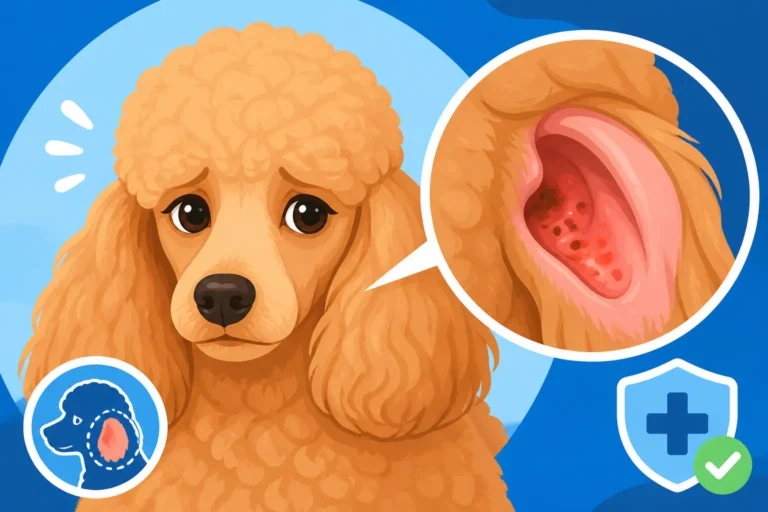
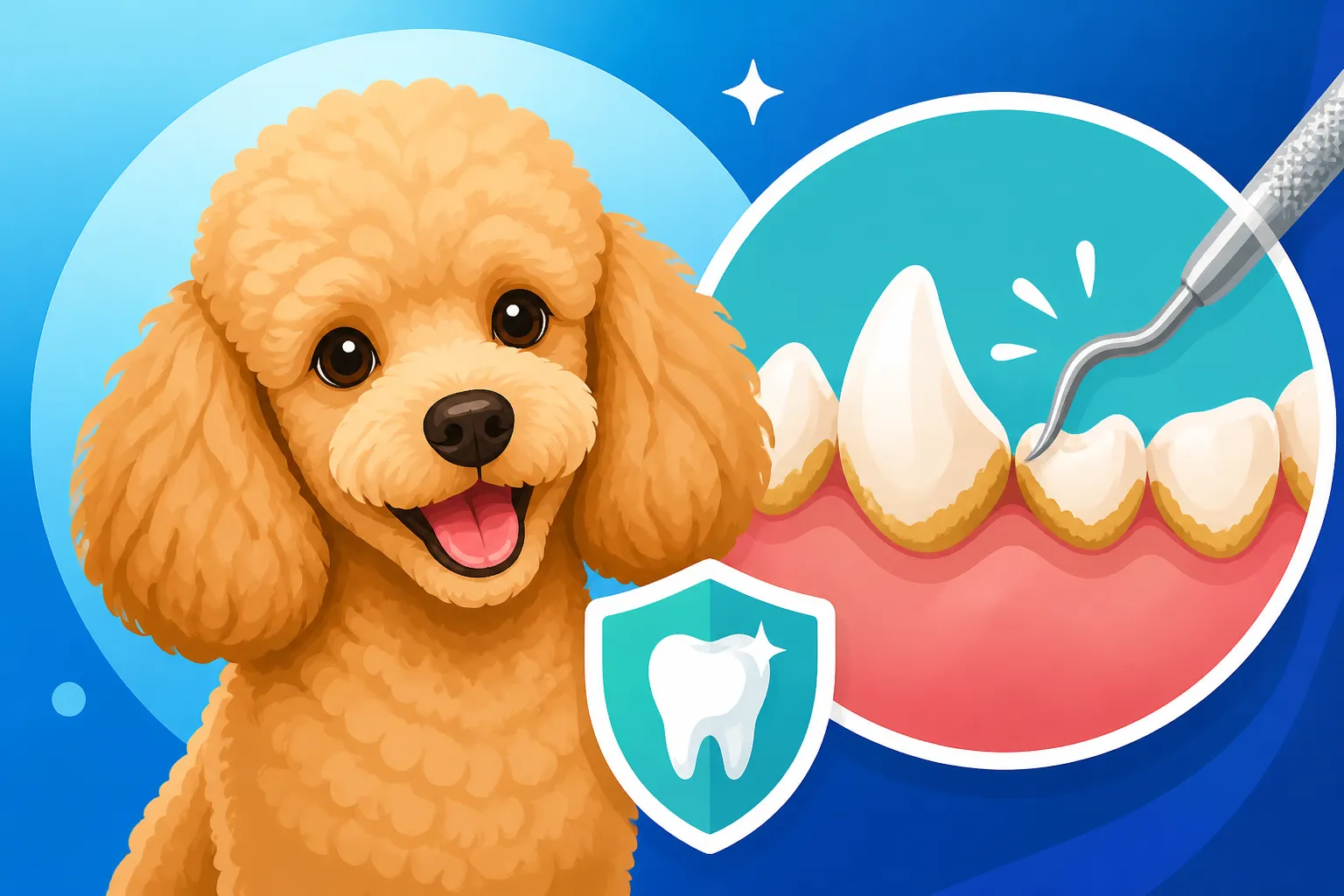
Visually, take a moment to lift their lips and inspect their teeth and gums regularly. Look for a build-up of yellow or brown material (tartar) on the surface of their teeth, particularly along the gum line, and especially on the back molars and canine teeth. Their gums should be a healthy pink; if they appear red, swollen, inflamed, or if they bleed easily when gently touched, these are all signs of gingivitis or more advanced periodontal disease. You might even notice visible tooth loss, loose teeth, or excessive drooling. Sometimes, your Poodle might paw at their mouth, or you might see discharge from their gums, which are serious indicators of infection.
Subtle Behavioral Changes Indicating Pain
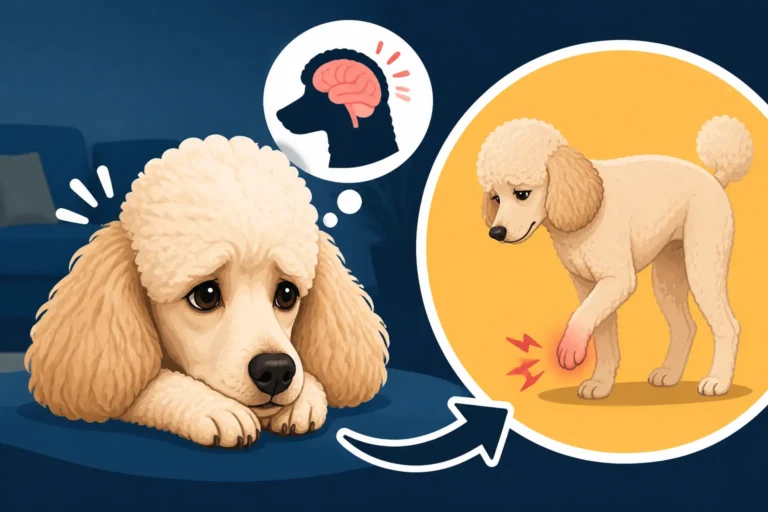
This is where Poodles, with their inherent sensitivity and intelligence, can truly challenge us. They are not always demonstrative when in pain, often preferring to quietly endure discomfort rather than show overt signs. This stoicism means you need to be a keen observer of their normal routines and subtle behavioral shifts, a topic that’s often explored when discussing how to best understand Reading Pain in a Sensitive Poodle.
Has your Poodle, who usually devours their meals, suddenly become a picky eater? Are they chewing on one side of their mouth, or dropping food frequently? Perhaps they've lost interest in their favorite dental chews or hard toys they once loved. They might become more withdrawn, less playful, or even a little grumpy when you try to pet their head or touch their mouth area. Some Poodles might rub their face against furniture or show reluctance to yawn widely. These subtle changes, which could easily be attributed to "just being a Poodle" or "getting older," are often their way of telling you that they are experiencing oral discomfort or outright pain. Never dismiss these signals, as they are your best indicators of hidden suffering.
The Role of Regular Vet Check-ups
Even with your vigilant at-home observations, nothing replaces the trained eye of your veterinarian. Regular check-ups are an absolutely critical component of proactive dental care. During your Poodle’s annual wellness exam, your vet will conduct a thorough oral examination, allowing them to assess the level of plaque and tartar, evaluate gum health, and identify any issues that might be hiding.
These routine visits are not just for vaccinations and general health; they are an opportunity for a professional to detect early signs of dental disease before it progresses into a painful and expensive problem. Your vet can give you an honest assessment of your Poodle's dental health grade and recommend the appropriate next steps, whether that's ramping up home care or scheduling a professional dental scaling. Budgeting for these crucial appointments, including understanding the Yearly Routine Vet Spend for a Poodle, is a responsible part of Poodle ownership. Remember, your vet is your partner in maintaining your Poodle's overall health, and that includes their pearly whites.
The Dental Scaling Procedure: What to Expect
The thought of your precious Poodle undergoing anesthesia for a dental cleaning can be a source of significant anxiety for many owners. It's a completely natural concern. However, understanding the process and the rigorous safety protocols involved can help alleviate some of that worry.
Why Anesthesia is Necessary and How it's Managed
Unlike humans who can sit still (mostly!) for a dental cleaning, dogs simply cannot comprehend or cooperate with the intricate and sometimes uncomfortable procedures involved in a thorough dental scaling. Imagine trying to use sharp instruments to meticulously clean below the gum line, polish teeth, and potentially extract painful, diseased teeth on an awake, squirming animal. It's simply not possible, nor is it humane. General anesthesia ensures your Poodle is completely comfortable, pain-free, and still, allowing the veterinary team to perform a comprehensive and safe procedure.
Reputable veterinary clinics place the highest priority on anesthetic safety. Before your Poodle goes under, they will undergo a thorough physical examination and, critically, pre-anesthetic bloodwork. This bloodwork is essential to assess organ function, especially the liver and kidneys, which are responsible for processing anesthetic drugs. This is a more extensive panel than what's typically done for a routine Poodle Vaccination and Preventive Schedule and is vital to ensure your Poodle is a good candidate for anesthesia. During the procedure, your Poodle's vital signs – including heart rate, respiratory rate, blood pressure, oxygen saturation, and body temperature – are continuously monitored by trained veterinary technicians using specialized equipment. Intravenous fluids are often administered to maintain hydration and support blood pressure. Every step is taken to minimize risk and ensure your Poodle's safety and comfort.
What Happens During a Professional Dental Scaling
Once your Poodle is safely under anesthesia, the real work begins. The first step is typically a comprehensive oral examination. The vet will meticulously probe beneath the gum line to check for periodontal pockets, assess bone loss, and identify any teeth that are loose, fractured, or severely diseased. Dental X-rays are usually taken at this stage. These X-rays are incredibly important because a significant amount of dental disease, such as abscesses or bone loss, occurs below the gum line and is invisible to the naked eye. Without X-rays, the extent of the problem can be easily missed.
Following the examination and X-rays, ultrasonic scalers and hand instruments are used to carefully remove plaque and tartar from all tooth surfaces, both above and, crucially, below the gum line. This subgingival cleaning is where the real magic happens, removing the hidden sources of infection. Any teeth that are deemed too diseased to save, causing pain, or posing a risk to your Poodle's health will be extracted. This can be a tough decision, but removing a source of chronic pain is always in your Poodle's best interest. If extractions are performed, the vet will carefully suture the gum tissue. Finally, all remaining teeth are polished to smooth out any microscopic etches created during scaling, which helps to delay future plaque accumulation. It’s a meticulous process, and depending on the severity of the disease and the number of extractions, can add significantly to the What a Toy Poodle Extraction Costs, making financial planning essential.
Recovery and Post-Procedure Care
After the dental procedure, your Poodle will be carefully monitored as they recover from anesthesia. They might be a bit groggy, disoriented, or even a little vocal as the drugs wear off – this is perfectly normal. The veterinary team will ensure they are warm and comfortable. Pain medication will be administered as needed, especially if extractions were performed, to keep them as comfortable as possible. Most Poodles are ready to go home the same day.
When you bring your Poodle home, you'll typically receive detailed post-operative instructions. These usually include feeding a soft diet for several days to allow their gums to heal, and administering any prescribed antibiotics or pain relief medication. It’s crucial to follow these instructions diligently. Keep an eye on their appetite, energy levels, and check their mouth periodically for any unusual swelling, bleeding, or signs of discomfort. Your Poodle might be a little quiet or low-energy for the first day or two, but they should gradually return to their normal self. While the initial recovery can be a bit bumpy, the relief from chronic dental pain is immeasurable, and for many, pet insurance, such as a plan from Healthy Paws, can significantly ease the financial burden of these essential procedures.
Establishing a Preventative Dental Care Routine at Home
While professional dental scalings are absolutely vital, they shouldn't be your only line of defense against Poodle dental disease. What you do at home, consistently, can drastically reduce the frequency of professional cleanings and contribute immensely to your Poodle’s long-term oral health and comfort.
The Gold Standard: Regular Tooth Brushing
There's no getting around it: daily tooth brushing is the single most effective way to prevent plaque from hardening into tartar and developing into periodontal disease. I know, I know, it sounds like another chore in a busy life, and trying to brush a Poodle's teeth can sometimes feel like wrestling a greased pig wearing a curly wig! But believe me, even a few minutes a day can make an incredible difference and save you significant heartache (and vet bills!) down the line.
The key is to start slowly and make it a positive experience from puppyhood, if possible. Introduce the toothbrush and toothpaste gradually, allowing your Poodle to lick the pet-specific enzymatic toothpaste (never human toothpaste, which contains xylitol and other ingredients toxic to dogs). Use a soft-bristled toothbrush designed for dogs, or even a finger brush. Focus on the outside surfaces of their teeth, particularly the upper canines and molars, as these are the areas where plaque tends to accumulate most rapidly. Lots of praise, gentle handling, and tasty rewards after each session will help them associate brushing with a positive experience. The more consistent you are, the less likely they'll need invasive procedures. If you have a smaller Poodle, you can find specific tips in articles like Brushing a Toy Poodle's Teeth to make the process smoother.
Dental Chews, Water Additives, and Dental Diets
While daily brushing is the gold standard, other tools can complement your home care routine and provide additional layers of protection for your Poodle's teeth. Dental chews are a popular option, but it's important to choose wisely. Look for chews that are clinically proven to reduce plaque and tartar, often indicated by a Veterinary Oral Health Council (VOHC) seal of acceptance. Brands like Virbac C.E.T. VeggieDent, Greenies, or Purina Pro Plan Dental Chewz are often recommended. Make sure the chew is appropriate for your Poodle's size and chewing intensity to prevent choking or tooth fractures. Always supervise your Poodle when they’re enjoying a dental chew. Insights from resources like Dental Chews Sized for a Toy Poodle can help ensure you select safe and effective products for your specific Poodle variety.
Veterinary-approved dental water additives can also be beneficial. These products contain ingredients that help reduce bacteria in the mouth or prevent plaque from adhering to tooth surfaces. They are simply added to your Poodle's drinking water daily. Similarly, specialized dental diets, available through your veterinarian, are formulated with unique kibble shapes and textures designed to scrub teeth as your Poodle eats, and sometimes include ingredients that actively inhibit tartar formation. While none of these options are a complete substitute for brushing or professional cleanings, they are excellent supplementary strategies that can enhance your Poodle's oral hygiene and potentially extend the intervals between professional cleanings. Always consult with your vet to determine the best combination of products for your individual Poodle's needs.
Monitoring and Adapting Your Poodle's Dental Plan
Dental health isn't a "set it and forget it" aspect of pet care; it requires ongoing vigilance and adaptation throughout your Poodle’s life. What works for a young, healthy Poodle might not be sufficient for a senior Poodle whose needs are changing, as is often discussed when looking at Caring for an Aging Poodle. You should continue to regularly inspect your Poodle's mouth yourself, checking for any new signs of plaque, tartar, gum inflammation, or unusual odors. Pay attention to how they eat and chew.
Discuss your Poodle's dental health with your veterinarian at every annual check-up. Be proactive in asking questions and following their recommendations. A young Poodle with excellent home care might only need a professional scaling every two or three years, while an older Poodle with a history of dental issues, or one for whom home care is challenging, might require yearly or even bi-annual cleanings. The frequency will depend on their individual genetics, diet, chewing habits, and the effectiveness of your home care routine. Being consistent with prevention and diligent with professional care is truly an investment in your Poodle's comfort, health, and happiness. Recognizing the importance of this, many Poodle owners choose to invest in pet insurance from companies like Healthy Paws, which can help cover the costs of these necessary, but often expensive, procedures. Understanding the Monthly Insurance Premium by Poodle Size can help you determine the best plan for your budget and your Poodle's needs. Ultimately, proactive dental care is one of the kindest things you can do for your beloved companion.
| Poodle Size | Home Dental Care Level | Recommended Professional Scaling Frequency | Notes on Dental Care Needs |
|---|---|---|---|
| Toy/Miniature | Daily Brushing + Dental Chews | Every 1-2 years | Small breeds are highly prone to rapid plaque buildup due to crowded mouths. Even with excellent home care, yearly to bi-yearly checks under anesthesia are often necessary. Consider pre-anesthetic bloodwork such as Bloodwork Prices Before Poodle Anesthesia. |
| Toy/Miniature | Occasional Brushing/Chews | Every 6-12 months | Without consistent daily home care, these varieties will almost certainly need more frequent cleanings to prevent severe periodontal disease and tooth loss. |
| Standard | Daily Brushing + Dental Chews | Every 2-3 years | Larger Poodles generally have better jaw spacing, but consistent home care is still vital. Less prone to rapid buildup but not immune. |
| Standard | Occasional Brushing/Chews | Every 1-2 years | While less prone than their smaller counterparts, Standard Poodles can still develop significant dental disease without regular preventative measures and professional intervention. |
| All Sizes | No Home Care / Poor Home Care | Yearly, potentially more often | Neglecting home care almost guarantees yearly professional cleanings will be necessary. Disease progression can be rapid, leading to painful extractions and potential systemic health issues. |
Disclaimer
The information provided in this guide is for general informational purposes only and does not constitute veterinary advice. Always consult with a qualified veterinarian for any health concerns or before making any decisions about your Poodle's medical care. Individual needs may vary.