Home Care for a Poodle in Cognitive Decline
It’s truly heartbreaking to watch our intelligent, vibrant Poodles start to decline, especially when it’s their minds that begin to falter. The confusion, the lost look in their eyes, and the changes in their personality can leave us feeling helpless and unsure how to best support them. This guide is here to walk you through understanding cognitive decline in Poodles, offering practical home care strategies to ensure your beloved companion can still live a life of comfort and dignity, even as their world shifts.
Understanding Canine Cognitive Dysfunction Syndrome (CCDS) in Poodles
Canine Cognitive Dysfunction Syndrome (CCDS), often likened to Alzheimer's disease in humans, is a progressive neurodegenerative condition that affects senior dogs, including our beloved Poodles. It’s not just "getting old" – it’s a specific medical condition that impacts memory, learning, perception, and awareness. While it can be distressing to witness, understanding what's happening can help you provide better care and manage your own expectations.
The signs of CCDS can be subtle at first, easily dismissed as normal aging. However, as the condition progresses, they become more pronounced and can significantly impact your Poodle’s quality of life. The challenge with Poodles, being such sensitive and intelligent dogs, is that they can sometimes mask their confusion or anxiety, making early detection difficult. It's crucial to pay close attention to any shifts in their usual behavior.
Recognizing the Signs of Cognitive Decline in Your Poodle
One of the hardest parts of canine cognitive dysfunction is identifying it amidst the other changes that come with age. Our Poodles are so good at adapting, and sometimes, what looks like a minor quirk can actually be an early warning sign. It's not about panicking, but about observing closely and consulting with your veterinarian when you notice persistent changes. This proactive approach is key to supporting them through their senior years, as discussed in our guide on Caring for an Aging Poodle.
Changes in Sleep-Wake Cycles
Many Poodle owners notice a significant disruption in their dog's sleep patterns as cognitive decline progresses. Your Poodle, who once slept soundly through the night, might start pacing, wandering, or vocalizing during the wee hours. This nighttime restlessness can be incredibly frustrating for owners, but it's important to remember that your Poodle isn't doing it to annoy you; they're genuinely disoriented and confused. They might wake up feeling lost, unsure where they are or what they're supposed to be doing.
Conversely, you might find your Poodle sleeping much more during the day, becoming less engaged with household activities. This shift in the internal clock can be a hallmark of CCDS. They might appear drowsy during times they were once alert, and then become wide awake and distressed when the rest of the household is settling down for the night. Establishing a consistent routine can help, but managing these nocturnal episodes often requires a multi-faceted approach.
This disruption isn't just about sleep; it's a profound disorientation. Your Poodle might forget where their bed is, or even why they're in a particular room. The comfort and predictability that once guided them through their day begin to unravel. Observing these changes and documenting them can be very helpful when discussing the issue with your vet.
Altered Social Interaction and Anxiety
You might notice a change in how your Poodle interacts with you, other pets, or even familiar visitors. They could become more withdrawn, less enthusiastic about greetings, or even appear irritable or anxious in situations they once enjoyed. A Poodle that used to greet you with exuberant jumps and tail wags might now offer a more subdued, confused response, or even fail to acknowledge you entirely. This can be particularly tough for owners, as it feels like they're losing the connection they once shared.
Increased anxiety is another common symptom. Your Poodle might become clingier, shadowing you constantly (a trait many Poodles already possess, but now intensified by fear), or they might develop new fears of sounds, objects, or even parts of the house they never bothered with before. They might start barking at shadows, or become agitated when left alone for even short periods. This shift is often rooted in their inability to process information and their environment as they once did, leading to a pervasive sense of unease.
These changes can also manifest as a decreased desire to play or participate in family activities. Your Poodle might seem "checked out," gazing blankly or simply not responding to cues they've known their entire lives. It's a sign that their world is becoming smaller and more confusing. It’s vital to distinguish this from physical pain, which a Poodle might hide, as we discuss in Reading Pain in a Sensitive Poodle.
House Soiling and Disorientation
One of the most frustrating, and often heartbreaking, signs of cognitive decline is when a perfectly house-trained Poodle starts having accidents indoors. This isn't defiance; it's a symptom of their confusion. They might forget where the designated potty area is, or even forget that they need to go outside at all. They might eliminate indoors shortly after being let out, because they simply forgot they had just been there.
This disorientation extends beyond house-training. Your Poodle might get "stuck" in corners, stare blankly at walls, or wander aimlessly through the house. They might struggle to navigate familiar furniture, bumping into things or getting trapped behind objects. This can be particularly alarming for owners, as it highlights how fundamentally altered their sense of spatial awareness has become.
Sometimes, they might even stand at the wrong side of the door, waiting to be let out, or forget to signal their need to go altogether. It’s a profound loss of their learned behaviors and environmental cues. These instances are clear indicators that your Poodle’s brain isn’t working the way it used to, and it’s time to consult with your veterinarian for a diagnosis and management plan, specifically for Cognitive Decline in an Old Poodle.
Here’s a summary of common signs and home adjustments:
| Symptom Category | Poodle-Specific Manifestation | Home Care Strategy |
|---|---|---|
| Disorientation/Confusion | Staring at walls, getting "stuck" in corners, wandering aimlessly. Forget where food/water bowls are. | Maintain consistent furniture layout. Guide gently with leash indoors. Place multiple water bowls. Use non-slip mats. |
| Altered Sleep-Wake Cycles | Pacing/whining at night, increased daytime napping, restlessness. | Establish strict daytime activity/play, quiet evenings. Nightlight for navigation. Consult vet for sleep aids. |
| Reduced Interaction | Less greeting, decreased interest in play/cuddles, irritability. | Initiate gentle, short interactions. Avoid forcing play. Respect their space. Continue familiar touch. |
| House Soiling | Urinating/defecating indoors despite being house-trained, asking to go out then having accident immediately. | Increase frequency of potty breaks (every 2-3 hrs). Use absorbent pads near exits. Praise successful outdoor elimination. |
| Anxiety/Restlessness | Increased clinginess, pacing, whining, new fears (e.g., shadows). | Provide a safe, quiet den space. Calming pheromones (diffusers, collars). Gentle massage. Consistent routine. |
Creating a Supportive Home Environment for Your Senior Poodle
Adjusting your home environment is one of the most impactful things you can do for a Poodle experiencing cognitive decline. Their world is already confusing, so making their immediate surroundings predictable, safe, and comforting can significantly reduce their stress and improve their quality of life. This requires a bit of foresight and patience, but your Poodle is absolutely worth the effort.
Maintaining Routine and Predictability
For a Poodle with CCDS, routine is everything. A consistent daily schedule acts as an anchor in their increasingly disoriented world. Try to feed them at the same times each day, take them out for potty breaks at predictable intervals, and maintain regular times for gentle walks or playtime. Even small changes, like moving their food bowl or changing your morning schedule, can cause anxiety and confusion. Keeping things stable helps them anticipate what comes next, reducing stress.
Think about their daily flow: wake-up time, meal times, potty breaks, short bursts of interaction, and bedtime. Try to stick to this as closely as possible, even on weekends. If you normally take a long walk every morning, scale it back to shorter, more frequent strolls, but keep the timing consistent. This predictability provides a mental roadmap, even when their internal compass is failing. It’s about building a sense of security through sameness.
Consider using consistent verbal cues for activities like "outside," "dinner," or "bedtime." Even if their comprehension is wavering, the familiar sound and associated routine can offer comfort. This steady rhythm can make a huge difference in their overall well-being and helps manage the anxiety that often accompanies cognitive changes.
Navigating the Home Safely
As a Poodle's spatial awareness declines, their home can become a maze of potential hazards. Clear pathways are essential. Remove clutter, throw rugs (which can slip or catch their paws), and any furniture they might bump into or get stuck behind. Consider placing baby gates at the top and bottom of stairs, or even blocking off access to stairs entirely, to prevent falls. If your Poodle uses a ramp to get onto the sofa or bed, ensure it's stable and easy for them to navigate.
Good lighting is also crucial, especially during those nighttime wandering episodes. A few nightlights strategically placed in hallways, near their bed, and by exit doors can help them orient themselves and prevent accidents. If they have vision impairments in addition to cognitive decline, bright, diffuse lighting can make a huge difference. Think about creating a "safe zone" – a small, familiar area with their bed, water, and perhaps a favorite toy – where they feel secure and can't get lost. This could be a playpen or a small, easily navigated room.
For Poodles struggling with traction on slippery floors, non-slip mats or runners can be a lifesaver. You can find these at pet stores or even repurpose bath mats. Keeping their paw pads trimmed will also help with grip. The goal is to minimize obstacles and maximize their ability to move around their environment with confidence, reducing their risk of injury and the associated fear that comes from feeling lost or unsteady.
Enriching a Diminished World
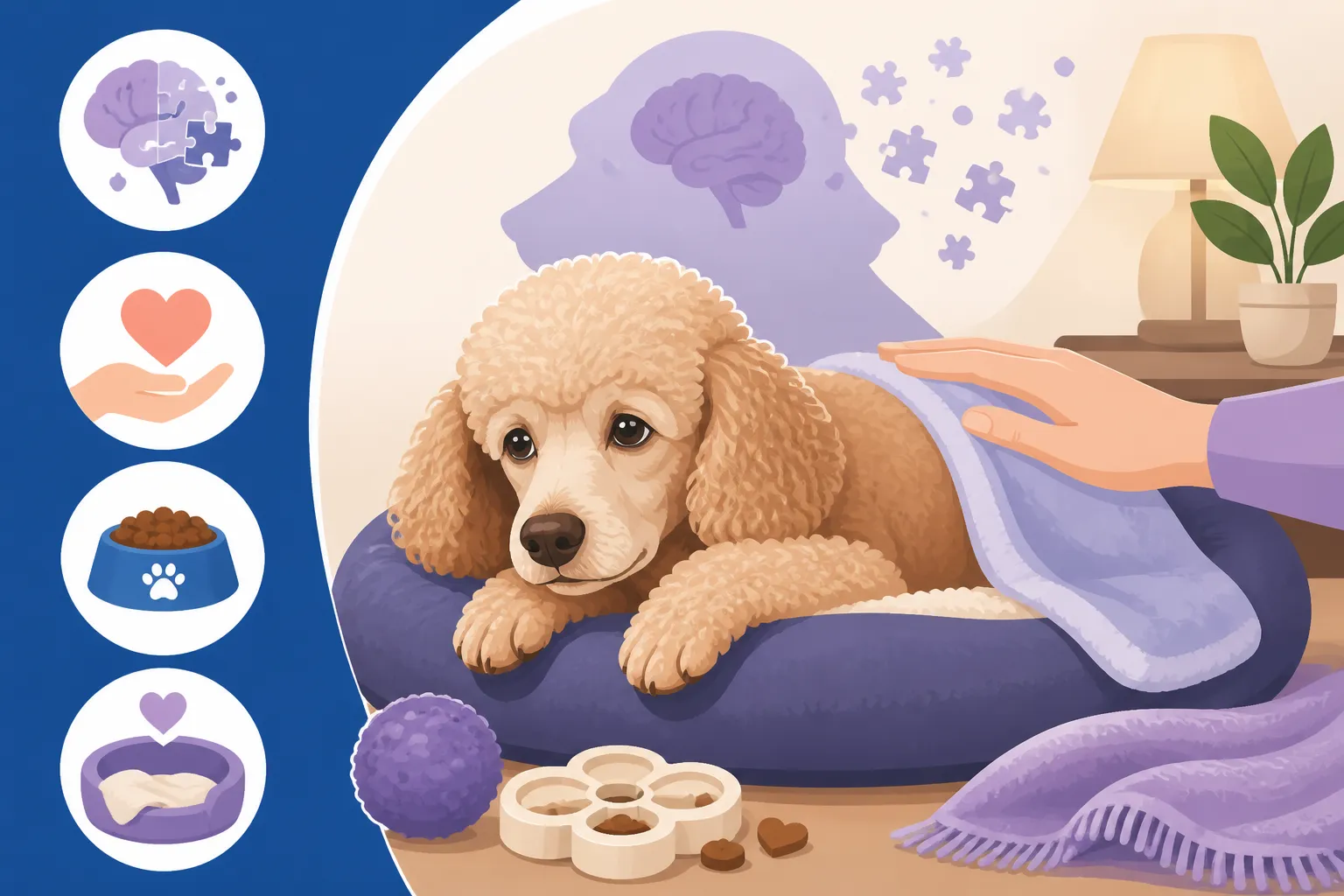
Even with cognitive decline, your Poodle's brain still needs stimulation, just in a gentler, more appropriate way. Short, easy puzzle toys with treats can engage their mind without overwhelming them. Think simple snuffle mats or hollow toys filled with a smear of peanut butter or soft food. These activities can tap into their natural instincts and provide a sense of accomplishment, even if fleeting. Keep these sessions brief and positive, ending before they become frustrated.
Gentle walks are still important, not just for physical activity, but for sensory enrichment. Keep them on a leash, even in a fenced yard, as their recall might be compromised. The smells and sounds of the outdoors, even a short stroll around the block, can be stimulating. Avoid busy, noisy environments that might increase their anxiety. Focus on quiet, familiar routes. For a Poodle whose Poodle Lifespan Across the Three Sizes suggests many years, these simple interactions prolong joy.
Continue to engage them with soft petting, gentle grooming, and quiet conversations. Even if they don't seem to fully comprehend, the familiar touch and sound of your voice can be incredibly comforting. Poodles are known for their intelligence and sensitivity, and even in decline, they often respond positively to calm, loving attention. These small, consistent efforts help maintain their connection to you and their environment.
Nutritional and Veterinary Approaches to Managing CCD
While a supportive home environment is fundamental, medical and nutritional interventions play a critical role in managing canine cognitive dysfunction. It's not just about coping with symptoms; it's about actively working with your veterinarian to slow the progression and improve your Poodle's comfort and function. This is where a holistic approach truly shines, combining home care with professional guidance.
Brain-Boosting Diets and Supplements
The field of veterinary nutrition has made significant strides in supporting cognitive health. Your veterinarian might recommend specific prescription diets formulated with ingredients known to support brain function. Brands like Purina Pro Plan Veterinary Diets NeuroCare or Hill's Prescription Diet b/d Canine are examples that contain enhanced levels of antioxidants, omega-3 fatty acids (like DHA), and medium-chain triglycerides (MCTs) which can provide an alternative energy source for the brain. These diets are designed to combat oxidative stress and improve cellular metabolism in the brain.
Beyond prescription diets, your vet might suggest specific supplements. Omega-3 fatty acids, particularly DHA, are widely recognized for their neuroprotective properties. Antioxidants like Vitamin E, Vitamin C, and selenium can help protect brain cells from damage. S-Adenosylmethionine (SAMe) is another supplement sometimes recommended for its role in neurotransmitter function and liver health. It's crucial to consult your vet before adding any supplements, as dosages need to be appropriate for your Poodle's size and health, especially if you are already following advice for Feeding a Poodle Past Ten.
Remember, not all supplements are created equal, and some might interact with other medications. A good quality, vet-recommended supplement regimen, in conjunction with a specialized diet, can make a noticeable difference in some Poodles. Consistent nutritional support is a long-term strategy, and patience is key to seeing potential benefits.
Medication and Symptom Management
For many Poodles diagnosed with CCDS, medication can be a vital component of their care. The most commonly prescribed medication is selegiline hydrochloride (brand name Anipryl), which works by increasing dopamine levels in the brain, improving cognitive function, and reducing some of the associated behavioral changes. It can help with disorientation, altered sleep patterns, and decreased activity. However, it's not a cure and results can vary, taking several weeks to become apparent.
Your vet might also prescribe other medications to manage specific symptoms. For severe anxiety, anti-anxiety medications might be considered to help your Poodle feel calmer and more secure. If nighttime restlessness is particularly disruptive, low-dose sedatives or medications to help regulate sleep might be used cautiously. It's a careful balance to manage symptoms without over-sedating your Poodle, ensuring they can still engage with their environment.
Open communication with your veterinarian is paramount here. Be diligent in reporting any changes in behavior or side effects. This iterative process of observation, reporting, and adjusting medication is crucial for finding the most effective treatment plan for your individual Poodle. The long-term nature of these treatments means budgeting for these costs, which is where a robust pet insurance plan like Healthy Paws can be invaluable, helping to manage the Yearly Routine Vet Spend for a Poodle and medication expenses for chronic conditions.
Regular Veterinary Care and Monitoring
Consistent veterinary oversight is non-negotiable when managing a Poodle with cognitive decline. Regular check-ups allow your vet to monitor the progression of CCDS, assess the effectiveness of medications and supplements, and rule out other age-related conditions that might mimic or exacerbate cognitive symptoms. Conditions like Thyroid Disease in Poodles, arthritis (as discussed in Arthritis in a Twelve-Year-Old Poodle), dental pain, or even vision and hearing loss can significantly impact a senior Poodle's behavior and should be addressed.
Your vet will likely recommend regular blood work and urinalysis to ensure your Poodle's organs are functioning well and to monitor for any medication side effects. They can also provide guidance on weight management, which is particularly important for older dogs. These visits aren’t just about treating illness; they're about optimizing your Poodle’s overall health and well-being in their senior years.
Don't hesitate to reach out to your vet between appointments if you notice significant changes or have concerns. Many practices offer telemedicine consultations for established clients, which can be a convenient way to get advice without the stress of a full office visit for your Poodle. Having a reliable pet insurance provider like Healthy Paws can alleviate the financial burden of these frequent check-ups, diagnostic tests, and ongoing treatments, allowing you to prioritize your Poodle’s health without undue stress. Investing in coverage early, perhaps even before age-related issues arise, can be a game-changer when conditions like cognitive decline manifest, similar to protecting against unexpected events like Insuring a Poodle Against Addison's and Bloat.
Emotional Support for You and Your Poodle
Living with a Poodle experiencing cognitive decline can be emotionally draining. It's a journey filled with love, frustration, sadness, and often, guilt. Remembering to care for yourself and your emotional well-being is just as important as caring for your Poodle. This is a marathon, not a sprint, and both of you need support.
Adapting Expectations and Practicing Patience
One of the hardest parts for owners is adapting to the "new normal" and letting go of the Poodle they once knew. Your Poodle may no longer be able to perform tricks, play fetch like they used to, or even respond to their name consistently. It's okay to grieve that loss, but it's crucial to shift your expectations. Instead of focusing on what they've forgotten, focus on what they can still enjoy. A gentle head scratch, a quiet moment together, a tasty treat – these simple pleasures can still bring joy.
Patience will become your superpower. There will be accidents, nighttime disruptions, and moments of profound confusion. It's easy to get frustrated, but remember that your Poodle isn't acting out of spite. They are genuinely lost and scared. Take deep breaths, step away for a moment if you need to, and then return with compassion. Your calm demeanor is a comfort to them, even if they don't fully understand why they're distressed. Every interaction, every cleanup, every moment of guidance is an act of profound love.
This journey is about celebrating the Poodle they are now, in this moment, and providing them with the safest, most loving environment possible. It's about meeting them where they are, rather than expecting them to meet you where you used to be.
Cherishing the Moments and Focusing on Comfort
Even as their cognitive abilities fade, your Poodle can still experience comfort, love, and contentment. Focus on providing them with a high quality of life for as long as possible. This means ensuring they are pain-free (with medication if needed), well-fed, clean, and surrounded by familiar sights, sounds, and smells. A soft bed, gentle massage, and plenty of quiet, loving attention can make a world of difference.
Take time to simply sit with your Poodle, stroke their soft coat, and speak to them in soothing tones. These moments of connection, even if brief, are precious. Capture photos or videos of your senior Poodle, savoring the memories you're still making. Their presence in your life is a gift, and focusing on the positive aspects of their current existence can help both of you.
Consider ways to reduce their daily stressors. If grooming has become too stressful, opt for a simple, comfortable clip rather than a complex one. If car rides cause anxiety, limit them to vet visits. Every decision should prioritize their comfort and reduce their fear.
When to Seek Professional Support for End-of-Life Decisions
This is perhaps the hardest part of caring for an aging Poodle. There often comes a time when, despite all efforts, their quality of life diminishes to a point where difficult decisions must be made. This process is deeply personal and agonizing, and it’s okay to seek support. Your veterinarian is your most important resource in assessing your Poodle's quality of life. They can help you evaluate their pain levels, comfort, and ability to engage in essential daily activities.
There are several tools, like "Quality of Life Scales," that can help you objectively assess your Poodle's well-being. These typically consider factors like pain, appetite, hydration, hygiene, happiness, mobility, and the ability to have more good days than bad. Discussing these points openly with your vet can provide clarity. Talking to trusted friends or family who have gone through similar experiences can also be helpful. Some veterinary clinics also offer counseling services or can recommend pet bereavement support groups.
The decision of Deciding When to Let a Poodle Go is one of the most selfless acts of love an owner can make. It’s about preventing prolonged suffering and prioritizing their peace, even if it means immense pain for you. Remember, you don't have to go through this alone. Pet insurance plans like Healthy Paws can sometimes even cover consultations for end-of-life care or humane euthanasia when medically necessary, easing one small part of a very large burden.
Disclaimer
This article is intended for informational purposes only and does not constitute medical advice. Always consult with a qualified veterinarian for any health concerns or before making any decisions about your Poodle's care, diet, or treatment.