Keeping Glucose Gel for a Toy Poodle
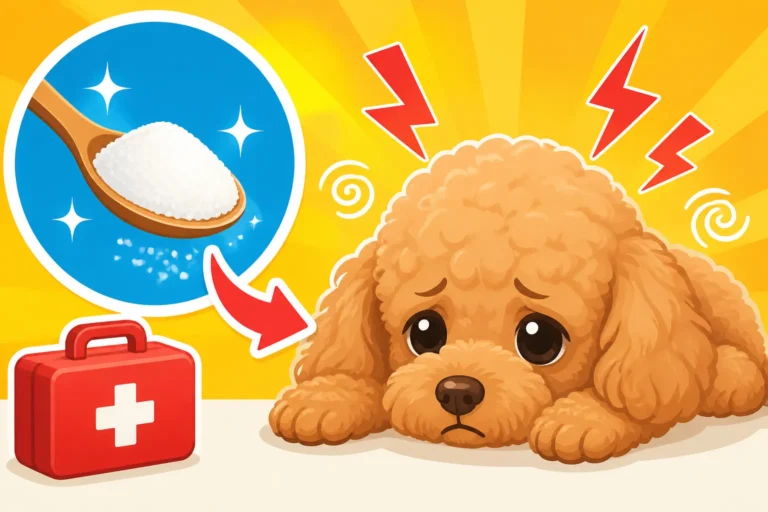
There are few things as terrifying as seeing your tiny Toy Poodle suddenly become weak, disoriented, or even collapse. For these delicate little companions, low blood sugar, or hypoglycemia, is a very real and potentially life-threatening concern, especially in their puppyhood. This guide is here to walk you through understanding why this happens, how to recognize the urgent signs, and precisely how to use glucose gel as a crucial emergency measure to protect your beloved Poodle.
Understanding Hypoglycemia in Toy Poodles
Hypoglycemia isn't just a mild inconvenience; it's a serious medical condition where your dog's blood glucose levels drop too low to provide adequate energy for their brain and body. While any dog can experience it under certain circumstances, Toy Poodles are particularly susceptible, and understanding why is the first step in prevention and preparedness.
Why Toy Poodles Are Prone to Low Blood Sugar
Imagine a tiny engine that burns fuel incredibly fast. That's essentially what a Toy Poodle's metabolism is like, especially when they're young. Their small body size means they have less stored glycogen (the body's reserve of glucose) compared to larger breeds. When they exert energy, get stressed, or go too long without food, these reserves can deplete rapidly. For puppies, the issue is compounded by an immature liver that isn't as efficient at regulating blood sugar levels. A healthy, robust adult Standard Poodle can often skip a meal without much fuss, but a Toy Poodle puppy might find itself in serious trouble if it misses even one. This unique physiological vulnerability is a key reason why Toy Poodle Diseases Standards Rarely Get often include metabolic issues.
Consider a tiny Toy Poodle puppy, no bigger than a teacup, running around and playing with endless enthusiasm. That boundless energy, while adorable, consumes glucose at an accelerated rate. If they're not eating frequently enough, or if their meals aren't calorically dense enough, their little bodies simply can't keep up. Stress, such as a new environment, car travel, or even being overly handled, can also spike their metabolic rate and burn through glucose reserves faster than normal. This combination of a fast metabolism, small size, and an immature glucose-regulating system makes Toy Poodles, especially puppies under four months, uniquely susceptible to these sudden drops in blood sugar.
It’s not just about food intake either. Sometimes, other underlying health issues, like an infection, parasites, or even exposure to cold, can put additional strain on their system, accelerating glucose depletion. A puppy fighting off a bout of coccidia, for instance, might be less inclined to eat, leading to a quick cascade of events ending in a hypoglycemic episode. This is why vigilance is so crucial with these small dogs; their margins for error are simply much smaller than a bigger, more robust breed.
Recognizing the Subtle Early Signs of a Crash
The earliest signs of hypoglycemia can be subtle, and for new Toy Poodle owners, they can easily be mistaken for simple tiredness or naughtiness. Your Poodle might seem a little quieter than usual, perhaps less enthusiastic about playtime. They might appear lethargic, moving slowly, or even seem a bit disoriented. You might notice a slight tremor or shivering, even if the room isn't cold. Their gait might become wobbly, as if they're a bit drunk, or they might struggle to stand up straight. They might also appear unusually hungry or agitated, seeking food more frantically than usual. These are the crucial moments where intervention can prevent a full-blown emergency. Knowing these subtle cues is paramount because Why a Poodle Hides Illness means they might not show obvious discomfort until they're truly in distress.
It's tempting to think your puppy is just being sleepy, but with a Toy Poodle, any unexplained lethargy or behavioral change warrants immediate investigation. If your normally bouncy puppy suddenly wants to cuddle and seems a bit "off," it's time to act. Try offering a high-value treat or a small amount of their regular food. If they refuse it or seem too weak to eat, it's a huge red flag. Check their gums; are they pale? Are they moist? If you gently pinch the skin on their neck and it doesn't snap back quickly, they might also be dehydrated, which can exacerbate hypoglycemia. These early signs are a warning, not just a passing phase, and knowing Signs of Low Blood Sugar in a Toy Poodle Puppy is critical for timely intervention.
Acting on these early signs can make all the difference. Don't wait for your Poodle to fully collapse or have a seizure. The moment you notice unusual weakness, unsteadiness, or excessive sleepiness, it's time to consider a blood sugar issue. A quick check of their gums for paleness and moisture, and a gentle attempt to offer food, can help you gauge the severity. If they're showing these subtle signs and refusing food, it's time to move to the next step: providing a sugar source.
When a Blood Sugar Crash Becomes an Emergency
Unfortunately, if those early, subtle signs are missed or ignored, a hypoglycemic episode can rapidly escalate into a life-threatening emergency. As the brain is deprived of glucose, neurological symptoms will begin to appear. Your Poodle might start drooling excessively, experience muscle twitching, or even have full-blown seizures. They may become completely disoriented, unable to recognize you or their surroundings, or their eyes might seem unfocused and glassy. In the most severe cases, your Poodle could lose consciousness entirely, falling into a coma. This is a critical situation that demands immediate veterinary attention, even if you manage to administer some glucose gel. The window of time to reverse these severe symptoms is very narrow, and permanent brain damage or even death can occur without swift intervention. The fear of these severe episodes is why many owners want to keep Emergency Sugar for a Crashing Toy Poodle readily available.
Witnessing a seizure or your Poodle collapsing is an incredibly frightening experience. During a seizure, it's crucial to stay calm and ensure your Poodle is in a safe place where they cannot injure themselves, moving furniture or sharp objects away. Do not attempt to put your hand in their mouth, as you risk being bitten. Instead, focus on preparing your emergency sugar source for immediate application once the seizure subsides, or if they remain unconscious. Even if they seem to "come out of it" after receiving sugar, a severe episode always warrants an emergency vet visit to determine the underlying cause and ensure there are no lingering effects.
This isn't a situation where you can afford to wait and see. If your Toy Poodle is having a seizure, is unresponsive, or is struggling to breathe, you need to get them to the nearest emergency veterinary clinic immediately. While applying glucose gel is a vital first step, it’s a temporizing measure, not a cure. The veterinary team can provide intravenous glucose, monitor their vital signs, and run diagnostics to uncover why the crash occurred, which could be anything from an underlying illness to a simple missed meal. Having an emergency plan and your vet's number on speed dial is just as important as having the glucose gel itself.
Preparing for a Hypoglycemic Episode
Being prepared is half the battle when it comes to managing the risk of hypoglycemia in your Toy Poodle. Having the right tools and knowing how to use them can literally be the difference between a swift recovery and a devastating outcome.
The Essential Emergency Kit for Your Toy Poodle
Every Toy Poodle owner, especially those with puppies, should have a designated hypoglycemia emergency kit. This isn't just a "nice to have," it's a non-negotiable. At the heart of this kit should be a tube of glucose gel, but it needs more than that. You’ll also want a small bottle of Karo syrup (light corn syrup) or honey, as these can be used as alternatives if gel isn't immediately available, or as a stop-gap until you can get the gel. Keep a small syringe (without a needle, like those used for liquid medicine) or a dropper for easier administration of liquid sugars. A small blanket or towel can be useful for keeping your Poodle warm, as hypothermia can worsen hypoglycemia.
Beyond the sugar sources, your kit absolutely must include your veterinarian's contact information, along with the number and address of the nearest 24-hour emergency veterinary clinic. Time is of the essence in a severe hypoglycemic crisis, and fumbling for phone numbers is the last thing you want to do. Consider programming these numbers into your phone and even taping them inside the kit itself. It's also smart to keep a small, high-calorie, palatable treat or a small can of recovery food in the kit for after your Poodle has stabilized, to help keep their blood sugar up. For added peace of mind regarding potential vet bills, exploring pet insurance options like Healthy Paws can be incredibly beneficial, as they can help with unexpected emergency costs that can arise from situations like this.
Finally, make sure your kit is easily accessible and everyone in the household knows where it is and what it's for. Don't hide it in a forgotten drawer in the basement. A bright, clearly labeled container in a kitchen cupboard or near your Poodle's supplies is ideal. Regularly check expiration dates on the glucose gel and other perishable items, and replace them as needed. This simple act of putting together an emergency kit can significantly reduce panic and improve outcomes during a stressful situation. Remember, the goal is rapid response.
Choosing the Right Glucose Gel or Alternative
When it comes to emergency sugar, not all sources are created equal. Glucose gel is specifically formulated for rapid absorption into the bloodstream via the mucous membranes of the mouth. Brands like Nutri-Cal, Rebound, or specific veterinary glucose gels often contain a concentrated dose of fast-acting sugars and sometimes additional vitamins or electrolytes. These gels are typically thick and sticky, which helps them adhere to the gums without being easily swallowed or choked on, making them ideal for a weak or semi-conscious dog.
While glucose gel is the top choice, light Karo syrup or honey can be effective alternatives in a pinch. Karo syrup is pure glucose, which is quickly absorbed. Honey, particularly raw honey, also provides readily available sugars. However, these liquid alternatives are thinner and can be more challenging to administer to a struggling dog without the risk of aspiration, especially if they are very weak or unresponsive. If you're using Karo syrup or honey, apply a small amount (around 1/4 to 1/2 teaspoon for a Toy Poodle) directly to their gums, taking care to rub it in rather than letting them try to swallow it. Do not squirt it down their throat.
It's also important to differentiate these emergency sugars from regular table sugar or candy. While these contain sugar, they may also contain other ingredients that aren't ideal for dogs or may not be as rapidly absorbed. The goal is a quick, pure glucose hit. Always discuss your emergency plan with your veterinarian, who can recommend specific products or advise on the best approach for your individual Poodle's needs. They might even provide a prescription for a specific veterinary-grade glucose product.
Proper Storage and Lifespan of Glucose Gel
Once you have your glucose gel, knowing how to store it properly is just as important as knowing how to use it. Most glucose gels are shelf-stable and don't require refrigeration, but always check the specific product's instructions. The main enemy of these products is extreme temperature. Storing them in a very hot car can degrade the ingredients, making them less effective, while freezing can alter their consistency and make them unusable. A cool, dry place, away from direct sunlight, is typically best. A kitchen cabinet or a designated pet first-aid box are good options.
Pay close attention to the expiration date printed on the packaging. Just like human medications, glucose gels lose their potency over time. An expired gel might not provide the rapid glucose boost your Poodle desperately needs during an emergency, potentially delaying critical recovery. Make it a habit to check the expiration date every six months or so, perhaps when you're doing a routine pet supply inventory. If it's nearing its expiration, replace it promptly.
Also, consider having more than one tube. Keep one in your home emergency kit and a smaller, travel-sized tube in your car or purse if you often take your Toy Poodle out and about. You never know when an emergency might strike, and having readily accessible glucose gel wherever you and your Poodle may be can be a lifesaver. This proactive approach ensures you're ready, no matter the circumstances, and can help mitigate the kind of substantial Vet Bills in a Poodle Puppy's First Year that can arise from an untreated emergency.
Administering Glucose Gel Effectively
Knowing you have glucose gel is one thing; knowing precisely how to apply it during a stressful situation is another. Practice and understanding the correct technique can significantly improve your Poodle's outcome.
Step-by-Step Application for a Conscious Poodle
If your Toy Poodle is showing early signs of hypoglycemia (lethargy, weakness, wobbliness) but is still conscious and able to swallow, you can administer glucose gel directly to their gums. First, try to remain calm. Your Poodle will pick up on your stress, which can make things worse. Gently restrain your Poodle if necessary, but avoid causing additional stress or struggle. Lift their upper lip to expose their gums. Squeeze a small amount of glucose gel (about a pea-sized to dime-sized amount, depending on the product and your Poodle's size) directly onto their gums.
Crucially, do not try to squirt it down their throat. The goal is for the sugar to be absorbed through the rich blood vessels in their gums and oral mucous membranes, not swallowed. Gently rub the gel into their gums with your finger. This helps spread it and encourages absorption. You can apply it to several areas of the gums. Watch your Poodle closely for a few minutes. If they seem to perk up, you can offer a tiny, palatable meal (like cooked chicken or their regular food) to help stabilize their blood sugar further. Continue to monitor them closely, and if they don't improve within 10-15 minutes, or if they worsen, contact your vet immediately. Even if they recover quickly, it's wise to call your vet to discuss the episode and determine if any changes to their feeding schedule or routine are needed, especially if this is their first Blood Sugar Crashes in a Toy Poodle episode.
After administering the gel and seeing an improvement, encourage your Poodle to eat a small, easily digestible meal. This helps to provide more sustained glucose release, preventing another immediate crash. Think of the glucose gel as a quick fix, and the food as the long-term solution. Keep them warm, quiet, and continue to observe their behavior and energy levels for the next few hours. Even if they seem completely back to normal, it’s a good idea to inform your vet about the incident, particularly if it's a recurring issue, as there might be an underlying condition at play.
Handling a Collapsed or Unconscious Poodle
This is the most critical scenario and requires a different approach to administering glucose. If your Toy Poodle has collapsed, is seizing, or is completely unconscious, do not attempt to force any liquid into their mouth, including Karo syrup or honey, as they could easily aspirate it into their lungs, leading to pneumonia or choking. Even with glucose gel, extreme caution is needed.
In this severe situation, gently lift your Poodle's lip and smear a small amount of glucose gel (again, pea-sized to dime-sized) directly onto their gums. You can rub it in very gently. Focus on the gum line, where the blood supply is rich, allowing for faster absorption. The key is to apply it to the mucous membranes without it being swallowed. Once administered, immediately transport your Poodle to the nearest emergency veterinary clinic. This is a true emergency, and while the glucose gel might buy you a few precious minutes, professional medical intervention is absolutely necessary. They will need intravenous fluids and glucose to stabilize them and diagnose the underlying cause.
While en route to the vet, continue to keep your Poodle warm with a blanket. Monitor their breathing and gum color if possible. The glucose gel is a temporary measure to get some sugar into their system, but it cannot replace the comprehensive care an emergency veterinarian can provide. The moment your Poodle loses consciousness or has a seizure due to suspected hypoglycemia, your priority shifts from home treatment to rapid veterinary transport. This is when having those emergency vet numbers pre-programmed and a fast vehicle are crucial.
Post-Gel Care and Veterinary Follow-Up
Once you've administered glucose gel and your Poodle has shown signs of improvement, or after an emergency vet visit, the care doesn't stop there. For a conscious Poodle who has recovered at home, continued monitoring is essential. Within 15-20 minutes of administering the gel, if they are able, offer a small meal. This should be something easily digestible and high in calories, such as a tablespoon of cooked chicken, scrambled egg, or their regular kibble. The goal is to provide a more sustained energy source to prevent another dip in blood sugar. You should also ensure they have access to fresh water.
Even after they seem fully recovered, keep a close eye on your Poodle for the next 12-24 hours. Any recurrence of weakness, lethargy, or other symptoms means another immediate call to your vet. It's always best practice to inform your veterinarian about any hypoglycemic episode, even if it was mild and resolved quickly at home. They may want to check your Poodle over to rule out any underlying conditions that could be causing these crashes. They might suggest adjustments to feeding frequency, portion sizes, or even recommend specific diagnostic tests to investigate. This proactive approach can uncover issues before they become chronic, which is part of the comprehensive care outlined in Caring for an Aging Poodle, though relevant at any age.
If your Poodle required an emergency vet visit for a severe crash, their post-treatment care will be guided by the veterinary team. They may be sent home with instructions for special diets, medications, or follow-up appointments. It’s crucial to adhere strictly to these recommendations. Hypoglycemia, especially if recurring, can be a symptom of more serious health issues, such as liver shunts, Addison's disease (though less common in Toy Poodles), or even tumors that affect insulin production. Therefore, thorough veterinary follow-up is not just recommended, it’s absolutely necessary to ensure the long-term health and well-being of your precious Toy Poodle.
Preventing Future Hypoglycemic Episodes
Prevention is always better than cure, especially when dealing with a condition as potentially serious as hypoglycemia. By understanding the triggers and implementing a few key strategies, you can significantly reduce the risk of future episodes for your Toy Poodle.
Optimizing Feeding Schedules and Food Choices
The most impactful way to prevent hypoglycemia in Toy Poodles, particularly puppies, is through a meticulous feeding schedule. Their fast metabolism and small glucose reserves mean they cannot go long periods without food. For Toy Poodle puppies, this often translates to needing meals every 3-4 hours, or at least 4-5 small meals throughout the day. It's generally advised to feed them their last meal right before bedtime and their first meal immediately upon waking. Never let a Toy Poodle puppy skip a meal or go longer than 6 hours without food, especially overnight. This is why How Often a Toy Poodle Puppy Must Eat is such a critical topic.
When it comes to food choices, focus on high-quality, nutritionally dense puppy food for young Poodles. Look for formulas that provide sustained energy and have a balanced blend of protein, fats, and carbohydrates. Avoid foods with excessive fillers or artificial ingredients that offer little nutritional value. Your veterinarian can provide specific recommendations tailored to your Poodle's age, weight, and activity level. Some vets might even recommend adding a small amount of a high-calorie supplement or wet food topper to increase their caloric intake without significantly increasing volume. This diligent feeding strategy is the cornerstone of preventing Hypoglycemia in a Toy Poodle Puppy.
As your Toy Poodle matures, you might be able to gradually transition to 2-3 meals a day, but always monitor their energy levels and appetite. Some adult Toy Poodles, especially those with high activity levels, still benefit from more frequent, smaller meals rather than two large ones. Consistency is key. Sudden changes in diet or feeding times can also disrupt their system, so always make changes gradually. And remember, treats count towards their caloric intake, so ensure they are appropriate and don't replace essential nutrients from their meals.
Managing Stress and Exercise Levels
Beyond food, managing your Toy Poodle's environment and activity levels plays a huge role in preventing hypoglycemia. Stress, whether from loud noises, new environments, separation anxiety, or even being overly handled, can cause a sudden spike in adrenaline, which burns through glucose reserves quickly. Aim for a calm, predictable routine, especially for young puppies. Introduce new experiences gradually and always provide a safe, quiet space for your Poodle to retreat to if they feel overwhelmed.
Exercise is vital for a Poodle's health, but too much strenuous activity, particularly in extreme weather, can also deplete blood sugar levels. While Standard Poodles might thrive on long hikes, a Toy Poodle's exercise needs are different. Opt for several short, gentle play sessions or walks throughout the day rather than one long, exhausting one. On hot days, limit outdoor activity to early mornings or late evenings to prevent overheating and undue stress. During very cold weather, a warm coat can help prevent their tiny bodies from expending extra energy to stay warm. Remember that every ounce of energy your Poodle expends consumes glucose, so moderation is key.
If your Toy Poodle is prone to hypoglycemia, it's wise to carry a small, easily digestible snack (like a few pieces of their kibble or a small training treat) and, of course, your glucose gel, whenever you leave the house for extended periods. Offer these snacks proactively during long outings or after any particularly exciting or stressful event, even if they aren't showing immediate signs of a crash. Being mindful of these environmental and activity factors is just as important as their diet in maintaining stable blood sugar levels.
Regular Vet Check-ups and Breeder Communication
Consistent veterinary care is paramount for Toy Poodles. Regular check-ups allow your vet to monitor your Poodle's overall health, identify any subtle warning signs of underlying conditions that could predispose them to hypoglycemia, and provide tailored advice. Discuss any concerns you have about their energy levels, appetite, or behavior during these visits. Your vet can advise on the best feeding schedule, diet, and even recommend specific supplements if needed. They can also perform necessary blood tests, such as Checking a Toy Poodle Puppy's Blood Sugar, if there's any suspicion of an issue. Considering pet insurance from providers like Healthy Paws for these routine and emergency visits can help make comprehensive care more affordable.
Furthermore, open communication with your Poodle's breeder is invaluable. Reputable breeders are a wealth of knowledge about their lines and the breed's specific health considerations. They can share insights into any history of hypoglycemia in the puppy's parents or previous litters, which can indicate a genetic predisposition. They can also offer advice based on their extensive experience raising Toy Poodle puppies. A good breeder will have performed health screenings on their breeding dogs, which contributes to the overall health of the puppies, as highlighted in What a Toy Poodle Breeder Screens For.
Keeping a detailed log of your Poodle's eating habits, activity levels, and any instances of weakness or odd behavior can be incredibly helpful for your vet and breeder. This record can provide crucial clues if hypoglycemia becomes a recurring issue, allowing for a more accurate diagnosis and a more effective management plan. Proactive monitoring and collaboration with your veterinary team and breeder create the strongest possible safety net for your beloved Toy Poodle.
Disclaimer
This article is intended for informational purposes only and does not constitute veterinary medical advice. Always consult with a qualified veterinarian for any health concerns or before making any decisions about your Poodle's care. In the event of a medical emergency, seek immediate veterinary attention.