Sun Exposure on a Closely Shaved Poodle
Oh, the sheer joy of a Poodle in a fresh, short clip! Especially when summer hits, or maybe you're just tired of battling those stubborn mats. We’ve all been there, clippers in hand, envisioning a happy, cool pup. But here’s the thing many of us don’t fully consider: taking that beautiful, thick coat down to the skin leaves your Poodle's delicate skin incredibly exposed to the sun's harsh rays. This comprehensive guide will walk you through the very real risks of sun exposure on a closely shaved Poodle, teach you how to spot trouble, and give you practical, empathetic ways to keep your cherished companion safe and comfortable.
The Poodle Coat: A Natural Sun Shield You Might Be Removing
Many Poodle owners, myself included, can sometimes forget just how vital that dense, curly coat is, not just for warmth but for protection. It’s more than just aesthetics; it's an intricate, natural barrier.
Understanding Your Poodle’s Unique Hair
Unlike many breeds that have fur which sheds seasonally, Poodles are known for their continuous-growing hair. This is why we often say Poodles have "hair" rather than "fur," which you can read more about in detail in our post on Why a Poodle Has Hair Rather Than Fur. This unique characteristic means their coat acts almost like a human's hair – it keeps growing, doesn't shed much, and requires regular grooming to prevent matting.
The Poodle coat is incredibly dense, with a tight curl that creates a formidable barrier against the elements. Think of it like a natural, living insulation system. In winter, it traps warm air close to the body, keeping them cozy. In summer, it can actually help cool them by allowing air to circulate through the curls while simultaneously protecting their skin from direct sunlight. This is a common misconception; many people assume a thick coat automatically makes a dog hotter, leading them to shave their Poodle down to the skin for relief. While a short clip can indeed feel cooler, removing all that hair also removes their primary defense against UV radiation.
How a Full Coat Protects Against UV Rays
A Poodle's natural, longer coat offers multiple layers of protection. Firstly, the sheer volume and density of the hair physically block UV rays from reaching the skin. Imagine a thick canopy of leaves on a tree – very little direct sunlight penetrates to the ground below. Your Poodle's coat works similarly. The tightly packed curls create a physical barrier that diffuses and absorbs sunlight, preventing it from directly hitting the sensitive skin underneath.
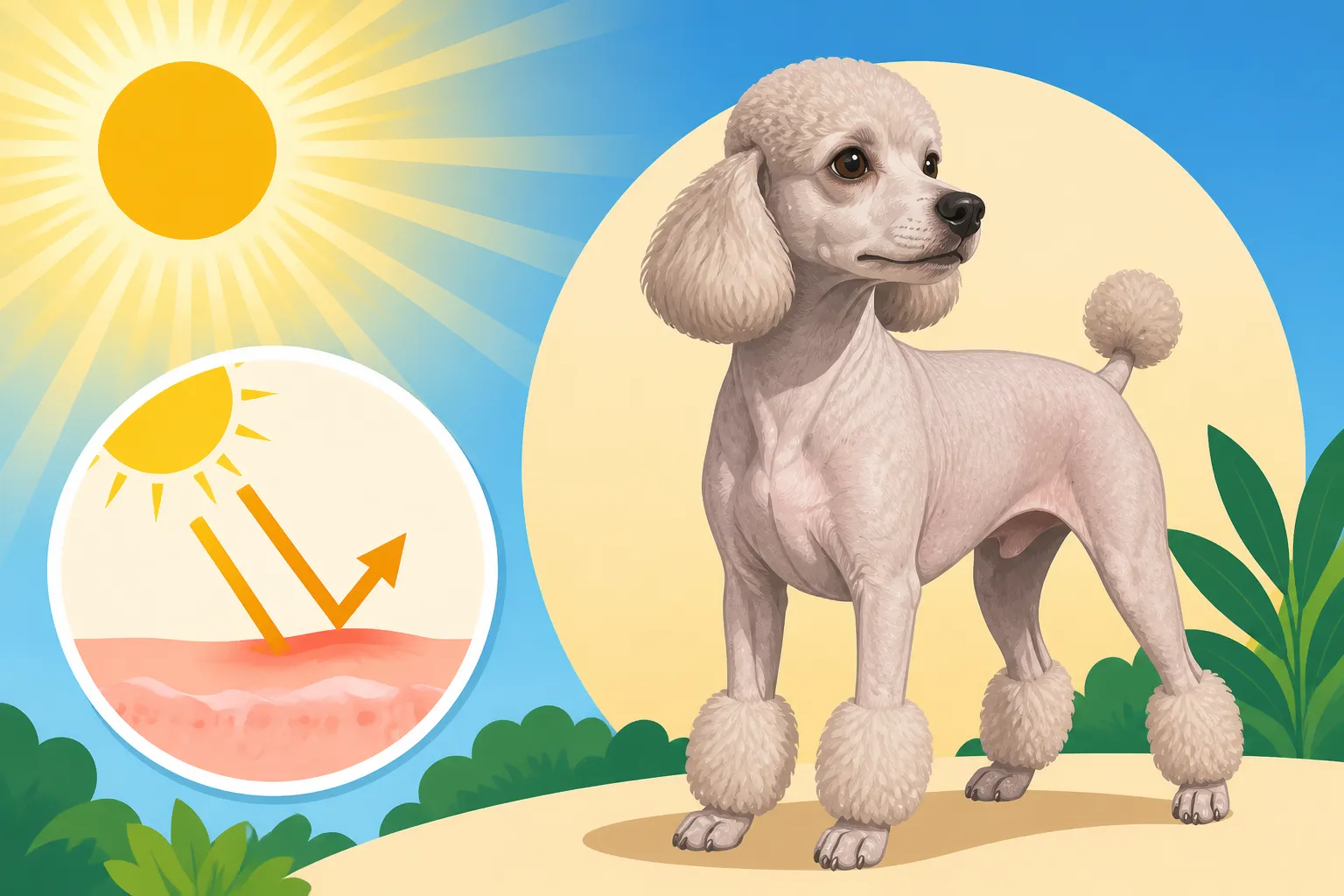
Secondly, the coat acts as a thermal regulator. While it might seem counterintuitive, leaving some length on the coat allows for air circulation close to the skin. This airflow, combined with the insulating properties of the hair, helps regulate body temperature and prevents the skin from overheating due to direct sun exposure. When you shave a Poodle down to the skin, you strip away this natural protection entirely. Their skin, particularly in areas like the back, sides, and top of the head, becomes as vulnerable as human skin that's been exposed without sunscreen or clothing. This can lead to rapid sunburn, discomfort, and long-term health issues. It's a trade-off many of us might not fully consider until we see the repercussions.
Spotting Sunburn and Other Sun-Related Skin Issues
It can be really distressing to realize your Poodle is suffering from sunburn, especially if you had good intentions by giving them a short summer cut. Their skin is surprisingly delicate, and recognizing the signs early is crucial for their comfort and long-term health.
Initial Signs of Sunburn in a Shaved Poodle
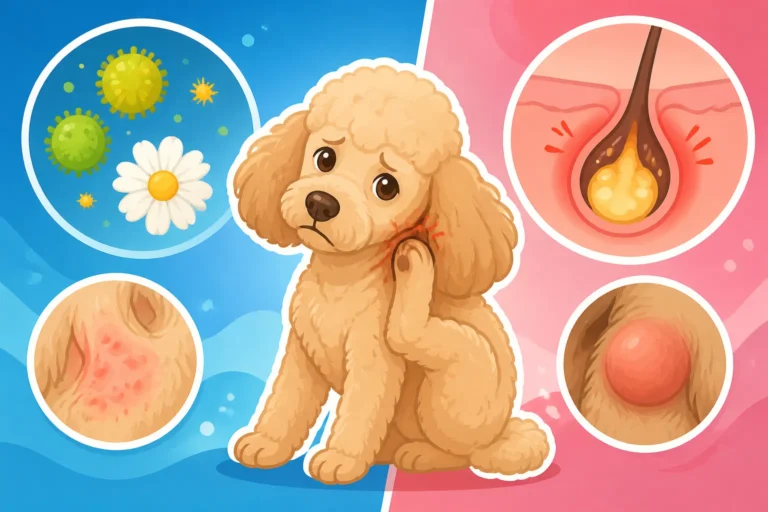
Just like us, a Poodle’s skin will tell you when it’s had too much sun. The most immediate and common sign of sunburn is redness and inflammation. You might notice areas of their skin, especially on their back, sides, belly, and the tops of their ears, looking distinctly pink or red. This redness often appears within a few hours of overexposure.
Beyond just redness, a sunburned Poodle might exhibit tenderness or pain when touched in the affected areas. They might flinch, whimper, or try to pull away. You might also notice their skin feels unusually warm to the touch. As the sunburn progresses, you could see peeling or flaking skin, similar to how our own skin reacts after a bad burn. In more severe cases, blisters might form, which can be incredibly painful and are prone to infection.
It's important to remember that Poodles, particularly those with lighter coat colors like white, apricot, or cream, often have lighter skin underneath, which is even more susceptible to sun damage. Even Poodles with darker coats can suffer significant sunburn if shaved too closely, as their skin itself might not be highly pigmented. Always be gentle when inspecting, and if you suspect a sunburn, move your Poodle to a cool, shaded area immediately.
Long-Term Risks Beyond the Burn
While an immediate sunburn is painful and uncomfortable, the long-term consequences of repeated or severe sun exposure are far more concerning. Just as in humans, cumulative UV damage can significantly increase a Poodle's risk of developing skin cancer.
One of the most common forms of sun-induced skin cancer in dogs is squamous cell carcinoma. These often appear as raised, firm, sometimes ulcerated lesions, particularly on thinly haired areas or areas repeatedly exposed to the sun, such as the nose, ear tips, and eyelids. Another concern is actinic keratosis, which are pre-cancerous lesions that can look like rough, crusty patches on the skin. These might eventually progress to squamous cell carcinoma if not addressed. Malignant melanoma, while less directly linked to sun exposure in dogs than in humans, can also occur, and early detection is key.
Regularly checking your Poodle's skin, especially after a close shave, is essential. Look for any new lumps, bumps, persistent redness, scabs, or areas that don't heal. Pay particular attention to the ear tips, nose bridge, belly, groin, and inner thighs – these are often areas where hair is naturally thinner or where a close shave leaves skin most exposed. If you find anything suspicious, don't hesitate to consult your veterinarian. Early diagnosis significantly improves the prognosis for most skin cancers. Remember, Poodles can also suffer from other skin issues like Poodle Allergies and Skin Reactions which might complicate diagnosis, so a professional opinion is always best.
Proactive Steps to Safeguard Your Shaved Poodle
Once you've made the decision for a closer clip, protecting your Poodle from the sun becomes paramount. It's not about being overprotective, but about being a responsible and empathetic pet parent, ensuring their comfort and health.
Smart Grooming Choices
The first line of defense against sun exposure for a shaved Poodle actually starts with your grooming choices. While a "shave down" might seem like the easiest option, consider leaving a little more length, especially in vulnerable areas. Discuss with your groomer about clips that offer some sun protection while still being easy to maintain. A "kennel clip" or "sporting clip," for example, leaves a uniform length of about half an inch to an inch across the body. This provides a thin layer of hair that can offer surprising protection compared to a blade that goes down to the skin.
For areas like the top of the head, ears, and tail, leaving even more length can be beneficial. These are often prime spots for sun exposure. You can explore different clips in our guide on Choosing a Clip for a Pet Poodle. If your Poodle's When a Poodle's Topknot Starts Thinning With Age, those areas become extra vulnerable, making length even more important. Remember, hair does grow back, as discussed in How Fast a Poodle Coat Grows Back, but the damage can happen quickly. If you're Clipping a Poodle at Home, invest in different clipper guards to control the length you leave.
Sunscreen for Dogs: A Must-Have in Your Arsenal
Yes, dog sunscreen is a real thing, and it's absolutely essential for closely shaved Poodles! Just like human sunscreen, it creates a protective barrier on the skin. However, you can't just use your own sunscreen on your dog. Many human sunscreens contain zinc oxide or para-aminobenzoic acid (PABA), which are toxic to dogs if ingested. And let's be honest, dogs are likely to lick anything you put on them.
Look for sunscreens specifically formulated for pets. These will be non-toxic and often contain ingredients like titanium dioxide. Apply it generously to all exposed areas, especially the nose, ear tips, belly, inner thighs, and any areas where the hair is very sparse. Reapply frequently, especially if your Poodle has been swimming or is particularly active. Introducing sunscreen slowly and making it a positive experience with treats can help your Poodle tolerate it.
Protective Clothing: Fashion Meets Function
Don't dismiss those cute doggy shirts as mere fashion statements – they can be powerful tools for sun protection! Lightweight, breathable dog clothing made from UV-blocking fabrics can provide an excellent physical barrier against the sun's rays. Many brands now offer specifically designed "rash guard" shirts for dogs, similar to what surfers wear.
These shirts are particularly useful for walks, trips to the park, or any extended outdoor time. They cover the back and sides, which are large areas of exposed skin on a shaved Poodle. Combine a UV shirt with pet-safe sunscreen on the exposed parts like the face and ears, and your Poodle will be much better protected.
Timing Walks and Seeking Shade
This is perhaps the simplest and most effective strategy: adjust your routine to avoid peak sun hours. The sun is usually at its strongest between 10 AM and 4 PM. During these times, the UV index is highest, and the risk of sunburn is significantly increased.
Plan your Poodle's walks and outdoor playtime for early mornings or late evenings when the sun's rays are much less intense. When you are outside, actively seek out shade. Walk on the shady side of the street, under trees, or bring a portable canopy to the park. Providing shade is also crucial in your own backyard; ensure your Poodle has access to a shaded area where they can comfortably relax without direct sun exposure. This common-sense approach, combined with the other protective measures, forms a robust defense against harmful UV radiation, as detailed further in our article on Sun Protection for a Shaved Poodle.
Long-Term Monitoring and When to Consult the Vet
Taking care of a Poodle, especially one with a closely clipped coat, involves more than just their immediate comfort; it's about their long-term health. Regular checks and knowing when to get professional help are vital.
Establishing a Routine for Skin Checks
Just as you diligently brush your Poodle's coat to prevent mats, you should get into the habit of regularly checking their skin, particularly after a close shave. Make it a positive experience with gentle petting and praise. Ideally, perform a thorough skin check weekly, or even more frequently if your Poodle spends a lot of time outdoors.
Run your hands gently over their entire body, feeling for any bumps, lumps, scabs, or changes in skin texture. Visually inspect all areas:
- Ears: Check the ear tips, inner and outer flaps.
- Nose: Look for any discoloration, crusting, or new growths.
- Belly & Groin: These areas often have thinner hair and are prone to sun exposure when a Poodle lies on their back.
- Inner Thighs & Armpits: Similar to the belly, these are sensitive, thinly haired zones.
- Any areas with sparse hair: Especially if your Poodle's coat thins naturally with age.
Note down any changes, even small ones. A photograph can be helpful for tracking if something is growing or changing in appearance. Early detection of potential issues, like pre-cancerous lesions or new growths, can make a significant difference in treatment outcomes. If you're ever worried about What a Shave Down Does to a Poodle, regular checks help you monitor the recovery and health of their skin.
The Importance of Professional Veterinary Consultations
If you do find anything suspicious during your at-home skin checks – a persistent scab, a growth that's changing in size or color, an area of redness that doesn't resolve, or any unusual lesion – it's time to call your veterinarian. Don't wait to see if it "gets better." While not every lump or bump is cancerous, only a vet can properly diagnose skin conditions.
Your vet will conduct a thorough examination and may recommend further diagnostics such as a fine needle aspirate (FNA), which collects cells from the growth for microscopic analysis, or a biopsy, which involves surgically removing a small piece of tissue for laboratory testing. These procedures help determine if the lesion is benign (non-cancerous) or malignant (cancerous) and guide the appropriate treatment plan.
Budgeting for Unexpected Skin Issues and Pet Insurance
Vet visits, especially for diagnostics and potential treatments like surgery or chemotherapy for skin cancer, can quickly become expensive. This is where financial planning and pet insurance can offer immense peace of mind. Regular Yearly Routine Vet Spend for a Poodle can often catch things early, but specialized treatments are a different ball game.
Consider investing in pet insurance, such as a plan from Healthy Paws, early in your Poodle's life. Many pet insurance providers have waiting periods before coverage begins, and pre-existing conditions are typically not covered. This means if you wait until your Poodle develops a suspicious lesion, it might be considered pre-existing, and the treatment costs won't be covered. Learning about Insuring a Poodle Before Any Diagnosis is crucial.
A robust pet insurance policy, like those offered by Healthy Paws, can significantly alleviate the financial burden of unexpected health issues, including skin cancers or severe sunburn complications. They can help cover a large percentage of eligible veterinary bills, allowing you to make medical decisions based on what’s best for your Poodle, rather than what you can afford out of pocket. Make sure you understand what a policy covers; for example, some might exclude specific conditions like Whether a Poodle Policy Excludes Adenitis, so reading the fine print is always advisable. Having that safety net can truly be a lifesaver, both for your Poodle and your wallet.
Sun Protection Method Comparison
To help you visualize the different ways to protect your closely shaved Poodle, here’s a quick overview of common methods, their pros, cons, and when they are most effective.
| Method | Pros | Cons | Best Use Case |
|---|---|---|---|
| Grooming with Length | Natural barrier, always on, no reapplication | May not be the "shaved" look desired, still needs other protection | Everyday protection, especially for lighter-skinned Poodles |
| Pet-Specific Sunscreen | Targeted protection for exposed areas like nose | Requires regular reapplication, risk of ingestion if not pet-safe | Exposed ear tips, bridge of nose, belly for short outdoor stints |
| UV-Blocking Clothing | Excellent physical barrier over large areas | Some dogs dislike wearing clothes, can be warm in extreme heat | Extended outdoor activities, walks during non-peak sun hours |
| Timing Walks/Shade | Free, effective, benefits everyone | Limits outdoor time during midday, not always available | Essential for all outdoor activity, especially during summer |
Disclaimer
The information provided in this article is for educational and informational purposes only and does not constitute veterinary advice. Always consult with a qualified veterinarian for any health concerns or before making any decisions about your Poodle's health or treatment.