Rehoming a Poodle Surrendered Over Grooming
It's a truly heartbreaking situation when a beautiful Poodle ends up in a shelter or rescue, not due to behavioral issues or severe illness, but simply because their coat became too much for their previous owners to manage. This guide dives deep into the realities of rehoming Poodles surrendered over grooming, offering insights into why it happens, how these dogs recover, and what dedicated adopters can do to provide a loving, well-groomed forever home.
The Heartbreaking Reality of Poodle Surrenders
The image of a Poodle, regal and elegant, is often what first draws people to the breed. But beneath that plush, non-shedding coat lies a significant commitment that many prospective owners simply don't fully grasp. When that commitment becomes overwhelming, and grooming is neglected, the results can be devastating for the dog, often leading to their surrender. It's a sad reality that rescues see all too often, and it speaks volumes about the disconnect between expectation and the actual demands of Poodle ownership.
The Unseen Impact of Neglect
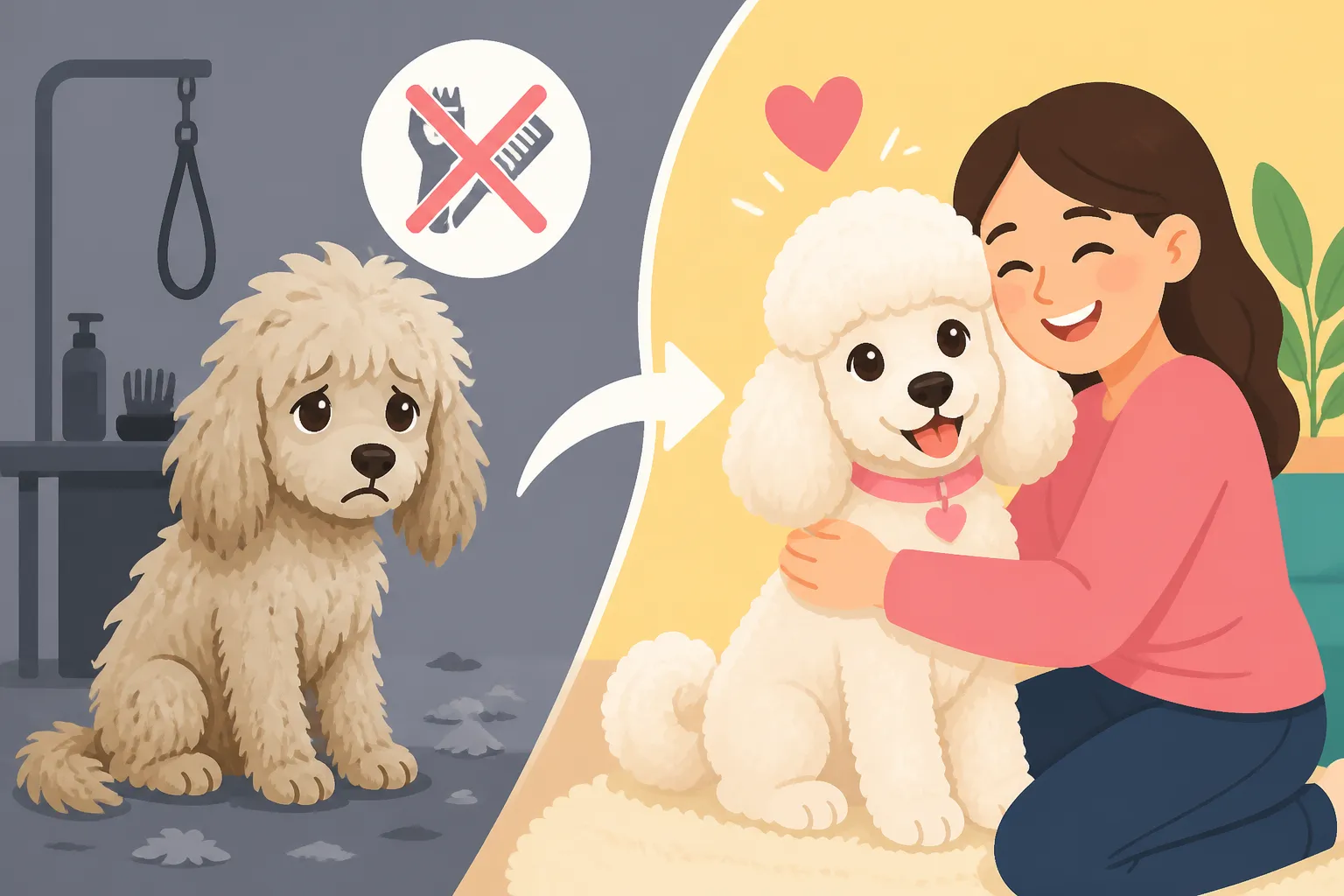
Imagine living with a constant, dull ache that intensifies with every movement. That's often the reality for a Poodle whose coat has been severely neglected. Mats aren't just cosmetic; they tighten against the skin with every stretch, pull, and walk, creating an agonizing sensation. These tight knots restrict blood flow, can cause open sores, and become breeding grounds for bacteria and parasites. We've seen Poodles arrive at rescues so matted that their own legs are fused to their bodies, making walking a painful shuffle. Their ears are often packed solid with hardened fur, leading to chronic infections. Their eyes might be weeping, crusted over, or even have hair growing into them from neglected topknots.
Beyond the physical pain, there's a profound emotional toll. A Poodle who has endured such discomfort often becomes fearful of human touch, especially around grooming tools. They might flinch, growl, or even snap when approached, not out of malice, but from a desperate attempt to protect themselves from what they associate with pain. It's a truly frustrating situation for rescue workers and new owners alike, as these dogs, often naturally affectionate, have had their trust eroded by their past experiences. It's vital to remember that while the outcome is neglect, the intention isn't always malicious. Sometimes, owners face unexpected financial hardships, severe illness, or a sudden change in living situation that makes proper care impossible. But the dog still pays the price.
The Stigma and Sadness of Rehoming
For owners, the decision to surrender a beloved pet, especially one surrendered due to grooming issues, is often fraught with guilt and sadness. They might feel like failures, unable to meet the needs of their Poodle. This could stem from a genuine lack of understanding about the breed's grooming requirements, compounded by financial strain that makes professional grooming inaccessible. Perhaps they lost a job, experienced a medical emergency, or simply couldn't keep up with the rising costs of pet care, including regular professional trims. It’s important to acknowledge that the journey to surrender is rarely easy; it’s a deeply personal struggle.
When these Poodles enter the rescue system, they carry not only the physical burden of their matted coats but also the emotional weight of upheaval. They've been removed from the only home they've ever known, surrounded by unfamiliar sights, sounds, and smells. While rescues provide a crucial safety net, offering immediate care and a path to a better future, the Poodle still experiences the disorientation and stress of being rehomed. They might withdraw, refuse to eat, or display signs of anxiety, all reactions to the sudden and often traumatic change in their lives. The stigma attached to surrendering a dog, even for valid reasons, can prevent owners from reaching out for help sooner, leading to even more severe neglect by the time the Poodle arrives at a rescue.
Why Grooming Becomes Such a Barrier for Poodle Owners
The Poodle's coat is undeniably its crowning glory, but it's also the single biggest reason why many owners find themselves overwhelmed. Unlike many other breeds, Poodles have hair, not fur, and it grows continuously, much like human hair. This unique characteristic is what makes them "hypoallergenic" and non-shedding, but it also means constant maintenance. Many new owners are simply not prepared for the reality of this commitment.
The Unique Demands of the Poodle Coat
A Poodle's coat is a marvel of nature – dense, curly, and endlessly growing. This very trait, which makes them so desirable for allergy sufferers, is also what necessitates rigorous grooming. Because their hair doesn't shed in the typical way, any loose hairs become trapped within the existing coat, twisting and tangling into knots. If these tangles aren't brushed out regularly and thoroughly, they quickly form mats. These aren't just surface tangles; they can become dense, felt-like masses that pull tightly on the skin, causing immense pain and limiting movement. Imagine wearing a heavy, constricting suit that constantly tugs at your skin – that's what a severely matted coat feels like to a Poodle.
The texture of the Poodle coat also changes with age, often becoming thicker and more prone to matting during their adolescent "coat change" phase, typically between 8-18 months. This can be a particularly challenging period for owners who are already struggling. Understanding why The Poodle Coat and Why It Never Stops Growing is so important helps prepare owners for the continuous upkeep. Without diligent brushing, right down to the skin, these mats can quickly "felt" or "pellet," forming a solid casing over the dog's body. Surface brushing, while making the coat look neat, does nothing for the undercoat, allowing mats to form undetected until they become severe. True Poodle grooming involves Brushing a Poodle to the Skin to ensure all tangles are removed from the root to the tip.
Underestimated Time and Financial Commitments
The time and financial investment in Poodle grooming are often grossly underestimated. For a Standard Poodle in a longer clip, daily brushing sessions of 30-60 minutes might be necessary, alongside professional grooming every 4-6 weeks. Even a Toy Poodle, despite their smaller size, requires consistent attention. If you're a busy professional or have multiple commitments, finding this consistent time can be a huge challenge. It’s not just the brushing itself, but also baths, drying, ear cleaning, and nail trims.
Financially, professional grooming is a significant ongoing expense. A full groom for a Standard Poodle can easily range from $80 to $150 or more, depending on your location and the groomer's expertise. Multiply that by 8-12 times a year, and you’re looking at an annual cost of $640 to $1,800 or more, just for grooming. This doesn't include emergency mat removal fees or veterinary visits for skin issues arising from neglect. This can quickly add up, especially when combined with food, vet care, and other pet expenses. Many owners don't realize What Grooming Adds to a Poodle's Lifetime Cost until they are deep into ownership. For some families, unexpected financial hardship makes these regular expenses simply unaffordable. Creating a realistic Budgeting for a Poodle Coat That Never Stops is crucial for any potential Poodle owner. When people consider buying a Poodle, these costs often aren't highlighted upfront, leading to sticker shock and eventual surrender when the budget can no longer accommodate them.
Recognizing the Signs of Neglected Poodle Grooming
The signs of grooming neglect in a Poodle are usually quite visible, though sometimes cleverly hidden by the Poodle's natural curl. Understanding these indicators is crucial for rescues, concerned neighbors, and potential adopters, as early intervention can prevent severe suffering. It's a somber education, but a necessary one to truly help these dogs.
Visual Cues and Physical Consequences
The most obvious sign of grooming neglect is matting. This isn't just a few tangles; it’s a dense, compacted mass of hair. Mats often start in high-friction areas: behind the ears, in the armpits, on the belly, between the legs, and around the collar or harness area. If neglected, these localized mats grow and merge, eventually covering large portions of the body, creating what's often referred to as "pelting." The coat becomes stiff and solid, losing all its natural movement and resilience. Imagine a Poodle whose entire body is encased in a thick, unyielding shell.
The physical consequences are dire. The tight pulling of the mats can cause open wounds, painful skin irritation, and even necrotic tissue due to restricted blood flow. Skin infections, characterized by redness, swelling, pus, and foul odor, are common under these mats, often exacerbated by moisture trapped against the skin. Parasites like fleas and ticks can burrow deep into matted coats, becoming almost impossible to remove. The Poodle's movement becomes severely restricted; they can't fully stretch their legs, turn their heads, or even lie down comfortably. Their eyes might be perpetually irritated by hair growing into them, leading to discharge and discomfort. Ear canals can become completely blocked by matted hair and wax, leading to severe ear infections that cause intense pain and may even affect their balance. These dogs often also present with Poodle Allergies and Skin Reactions that are made worse by the poor coat condition. Their teeth are usually neglected too, adding further health complications.
Behavioral Indicators of Discomfort and Pain
A Poodle in pain from matting often exhibits noticeable changes in behavior. They might become withdrawn, quiet, and less interactive. A once playful dog might refuse to run, jump, or engage in their usual activities, simply because every movement pulls at their painful skin. They may become extremely sensitive to touch, especially in matted areas. What once was an enjoyable stroke might elicit a yelp, a growl, or a quick snap as they try to protect themselves from anticipated pain.
You might notice them constantly scratching, biting, or licking at their matted areas, which only exacerbates skin irritation and can lead to hotspots. They might walk with a stiff, unnatural gait, or refuse to be picked up. A Poodle's natural intelligence and sensitivity mean they often try to hide their discomfort, but prolonged pain will eventually manifest. They might avoid eye contact, tuck their tail, or flatten their ears when approached, clearly signaling their distress. Recognizing these subtle cues that indicate Reading Pain in a Sensitive Poodle is crucial for both their immediate care and their long-term rehabilitation. These behavioral changes are not typically a reflection of their true temperament but rather a cry for help, a clear sign that they are suffering and need immediate relief from their physical burden.
The Journey of a Poodle Through the Rescue System
When a Poodle enters a rescue after being surrendered due to grooming neglect, their journey to recovery begins immediately. It’s a multi-faceted process that requires immense dedication, patience, and resources from the rescue organization, all focused on healing the dog both physically and emotionally.
Initial Assessment and Immediate Care
The moment a neglected Poodle arrives at a reputable rescue, the first priority is a thorough veterinary assessment. This isn't just a quick check-up; it's a comprehensive examination to identify all injuries, infections, and underlying health issues caused or exacerbated by the matting. The vet will check for skin infections, ear infections, eye issues, dental problems, and assess their overall body condition. Blood work might be done to check for organ function, especially if the dog is emaciated or severely dehydrated. This initial vet visit often reveals multiple, painful problems that need immediate attention.
Simultaneously, the grooming assessment begins. For Poodles with severe matting or pelting, a full shave-down is not just a cosmetic choice; it's a medical necessity. Attempting to brush out such mats would cause excruciating pain and further damage to the skin. Rescues work with experienced groomers, sometimes even veterinarians, to carefully and safely remove the matted coat. This process can take hours, often requiring specialized clippers and a gentle hand. In some severe cases, sedation may be necessary to relieve the Poodle of its painful burden without causing further trauma. This initial "makeover" is more than skin deep; it's the first step in physical healing. Knowing that Adopting a Matted Poodle and the First Groom will almost certainly involve a full shave-down helps prepare new owners. It's often shocking to see the dog underneath the matted coat, revealing how thin they might be or the extent of their skin issues. In situations where When a Poodle Coat Has to Be Shaved Off, the relief for the dog is almost immediate, though the skin underneath can be raw and tender, requiring further medical treatment.
Rehabilitation and Preparing for a New Home
Once the immediate physical suffering is addressed, the deeper work of rehabilitation begins. This includes treating all medical conditions identified during the initial assessment, which might involve antibiotics for infections, pain medication, medicated baths, and specialized diets. A high-quality diet, perhaps from a brand like Ollie, known for its fresh, human-grade ingredients, can be vital in supporting skin and coat regrowth, as well as overall health. During this phase, rescues also focus on behavioral assessment and enrichment. A Poodle who has been neglected might be wary, fearful, or even aggressive due to past pain. Rescue staff and experienced foster parents work tirelessly to rebuild trust, introducing positive reinforcement, gentle handling, and desensitization to grooming tools.
They carefully observe the Poodle’s temperament, identifying any anxieties, fears, or specific triggers. House training might need to be re-established, and basic obedience cues taught. Socialization with other dogs and people, if appropriate, is also part of the process, helping the Poodle regain confidence and learn to trust again. This preparation is critical for finding the right forever home. Rescues often have extensive application processes, and one of the key questions they ask is Why Poodle Rescues Ask About Coat Care. They want to ensure that potential adopters fully understand the ongoing grooming commitment and have the resources to meet it, preventing a repeat of the past neglect. This comprehensive approach ensures that when a Poodle is finally ready for adoption, they are not only healthy but also emotionally stable and prepared for a loving home.
Preparing Your Home for a Poodle with a Grooming History
Bringing home a Poodle who has been surrendered due to grooming issues is a profound act of compassion. However, it requires a conscious and deliberate effort to ensure their past experiences don’t dictate their future. Setting up your home with the right tools and mindset is paramount to their ongoing comfort and well-being.
Essential Grooming Supplies and Setup
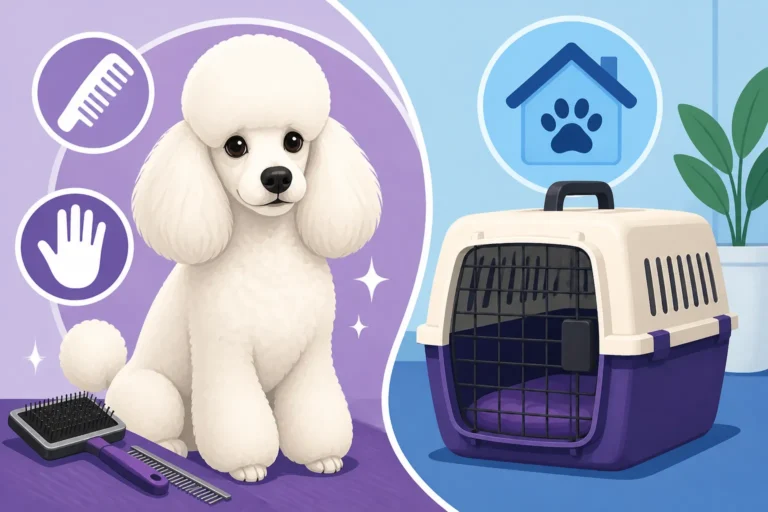
Before your rescued Poodle even walks through your door, it's wise to have essential grooming supplies on hand. This isn't just about having any brush; it's about having the right tools for the Poodle coat. A high-quality slicker brush (such as those from Chris Christensen or Artero) that can penetrate the thick, curly coat without scratching the skin is non-negotiable. Pair this with a sturdy metal comb – often called a Greyhound comb – that allows you to check for any missed mats right down to the skin. You'll also need a gentle, tearless shampoo and conditioner specifically formulated for dogs, as well as a high-velocity dryer if you plan on bathing at home. Good quality clippers (like those from Andis or Wahl) with various blade sizes are also a valuable investment if you plan to learn how to do some home grooming, which can significantly cut down on professional costs. Chewy is a fantastic resource for finding all these quality grooming products, often at competitive prices, ensuring you're well-stocked.
Beyond the tools, creating a dedicated, calm grooming space is vital. This could be a sturdy grooming table if you plan frequent home sessions, or even a designated spot on a non-slip mat on the floor. The key is to make it a positive, consistent environment. Avoid high-traffic areas or places with sudden loud noises that could startle a sensitive Poodle. Having treats readily available, along with calming music or scents, can help make the space feel safe and reassuring. Remember, this Poodle may have negative associations with grooming, so every effort to make the experience stress-free is crucial for rebuilding their trust.
Establishing a Positive Grooming Routine
Once your Poodle is home, establishing a positive grooming routine needs to be your top priority. This isn't about rushing into a full groom; it's about starting slowly, building trust, and making every interaction positive. Begin with very short, gentle sessions, perhaps just a few minutes, several times a day. Use a soft brush or even just your hands to gently touch their body, praising them lavishly and offering high-value treats (like small pieces of cooked chicken or cheese) throughout. The goal is to create a strong positive association with being handled and brushed.
As they become more comfortable, gradually introduce the actual grooming tools. Let them sniff the brush and comb, give a treat, then gently run the brush over a non-sensitive area for a few strokes, immediately followed by another treat. Never force them or restrain them harshly, as this will undo all your progress. If they show signs of stress (lip licking, yawning, turning away, growling), stop immediately and revisit at a later time. Patience is key. This meticulous approach, focused on positive reinforcement and desensitization, is how you can achieve Training a Poodle to Enjoy Grooming. It's a slow process, but an essential one to ensure they never again associate grooming with pain or fear. Consistency and kindness will be your most powerful tools in transforming their perspective on coat care.
Ongoing Grooming Care for a Rehomed Poodle
The initial shave-down and rehabilitation are just the beginning. Long-term, consistent grooming care is non-negotiable for a Poodle. Adopters must be prepared to integrate regular grooming into their lives, whether through professional services, home grooming, or a combination of both.
Navigating Professional Groomers vs. Home Grooming
For many Poodle owners, professional groomers are an invaluable resource. They have the expertise, specialized equipment, and often the physical strength to handle a Poodle's coat efficiently and effectively. If you opt for a professional, it's vital to find one who is not only skilled but also patient and compassionate, especially with a rescue Poodle who may have grooming-related trauma. Look for groomers who prioritize the dog's comfort over speed and who use positive reinforcement techniques. Discuss your Poodle's history with them upfront, so they can tailor their approach. Be prepared for potential Surcharges Groomers Add for a Matted Poodle if your dog's coat ever becomes unruly, as it takes extra time and effort. Establishing a regular schedule, typically every 4-8 weeks depending on the desired clip, is crucial.
However, professional grooming is expensive, and some owners might choose to learn how to groom their Poodle at home to save costs. This is a significant undertaking that requires an investment in quality tools, time, and a willingness to learn proper techniques. There are many online tutorials and even in-person classes available that can teach you Learning to Clip a Poodle at Home. The benefits include being able to groom your Poodle more frequently, in a familiar environment, and further strengthening your bond. Many Poodle owners find a hybrid approach works best: professional grooms every few months for a full reset, with diligent home grooming in between to maintain the coat. Regardless of the route you choose, the commitment to regular, thorough grooming is paramount.
Maintaining Coat Health Between Sessions
Even with regular professional grooming, daily or every-other-day home maintenance is essential to prevent matting. This means a thorough line brushing session, working through the coat section by section, from the skin out, with a slicker brush and then checking with a comb. Pay particular attention to those mat-prone areas: behind the ears, armpits, inner thighs, and anywhere a collar or harness rubs. These routine check-ins are vital for catching small tangles before they escalate into painful mats.
Bathing frequency will depend on your Poodle's activity level and coat length, but typically every 2-4 weeks is a good guideline. Always use a high-quality dog shampoo and conditioner, rinsing thoroughly to prevent skin irritation. Crucially, always blow-dry your Poodle’s coat completely straight using a high-velocity dryer and brush as you go. Air-drying a Poodle’s coat is a recipe for instant matting. Products from Chewy, like detangling sprays or conditioning rinses, can also be helpful for making the coat more manageable between full grooming sessions. Consistent and diligent home care is the foundation of a healthy, comfortable Poodle coat, ensuring your rehomed Poodle never has to experience the pain of severe matting again.
Beyond Grooming: Addressing Other Needs of a Rescued Poodle
While grooming neglect is the initial reason for surrender, Poodles arriving in rescues often have a host of other unmet needs, both physical and emotional. Addressing these holistically is crucial for their full recovery and integration into a new home.
Nutritional Support for Recovery
A Poodle surrendered due to grooming issues might also arrive in a state of poor nutrition. Their diet might have been inadequate, leading to a dull coat, brittle nails, and compromised skin health. Providing high-quality, nutrient-dense food is fundamental to their recovery. Look for dog foods with excellent protein sources, healthy fats (like omega-3s for skin and coat), and easily digestible ingredients. Brands like Ollie, which offers fresh, human-grade meals, can be particularly beneficial for Poodles recovering from neglect, as the easily digestible nutrients can help restore their vitality, improve their skin and coat health, and support their immune system.
When transitioning a Poodle to a new diet, do so gradually over 7-10 days to prevent digestive upset. Start by mixing a small amount of the new food with their old food (if known), slowly increasing the proportion of the new food each day. Observe them for any signs of allergies or sensitivities. Proper nutrition isn't just about weight gain; it's about rebuilding their body from the inside out, providing the essential building blocks for healthy skin, a resilient coat, strong muscles, and a robust immune system. A well-nourished Poodle is better equipped to handle the stresses of a new environment and continue their journey to health.
Behavioral Adjustments and Training
Beyond physical care, rescued Poodles often require significant behavioral rehabilitation. They may exhibit anxiety, shyness, fear, or even resource guarding if they’ve had to compete for food or attention in their past. House training might need to be reinforced or taught from scratch, as they may have been kept in conditions where regular potty breaks were not a priority. Separation anxiety is also common in Poodles, especially those who have experienced abandonment; their inherent "Velcro dog" nature means they crave companionship and can become distressed when left alone. Patience, consistency, and positive reinforcement are your most powerful tools.
Work with your Poodle at their pace, respecting their boundaries and slowly building their confidence. Basic obedience training using gentle methods can help establish a routine and build a stronger bond. For more complex behavioral issues, such as severe fear or aggression, seeking guidance from a certified professional dog trainer or behaviorist who specializes in positive reinforcement is highly recommended. It's crucial to find Finding a Trainer a Poodle Will Not Shut Down For, as Poodles are sensitive and can easily withdraw from harsh methods. These professionals can provide tailored strategies to help your Poodle overcome past traumas and adjust to their new life. Remember, their behavioral quirks are often a legacy of their past, and with understanding and consistent support, most rescued Poodles blossom into confident, loving companions.
Supporting Poodle Rescues and Responsible Ownership
The sheer number of Poodles surrendered due to grooming issues highlights a systemic problem: a lack of education and preparedness among prospective owners. Supporting Poodle rescues and promoting responsible ownership are two sides of the same coin, both vital for the welfare of this intelligent and elegant breed.
The Role of Rescues in Poodle Welfare
Poodle-specific rescues and all-breed shelters play an indispensable role in mitigating the crisis of neglected Poodles. These organizations are often run by dedicated volunteers who pour their hearts, time, and personal finances into saving these dogs. They provide immediate medical attention, often covering thousands of dollars in veterinary bills for severe matting, infections, and other neglected conditions. They fund comprehensive rehabilitation, including professional grooming, specialized nutrition, and behavioral training, to prepare these Poodles for adoption.
Beyond direct care, rescues serve as vital educational hubs, carefully screening potential adopters to ensure a thorough understanding of the Poodle's needs, especially their intensive grooming requirements. They match Poodles with homes that are genuinely prepared for the commitment, drastically reducing the chances of a repeat surrender. You can support these incredible organizations in numerous ways: by donating money, volunteering your time, fostering a Poodle in need, or advocating for responsible pet ownership. Every dollar and every hour helps a Poodle find its way to a happy, healthy future.
Preventing Future Surrenders Through Education
The best way to address the issue of Poodles being surrendered over grooming is through proactive education. Prospective Poodle owners need to do their homework before bringing a Poodle home. This means thoroughly researching the breed's characteristics, including their unique coat, high intelligence, and active energy levels. They need to have realistic expectations about the time, effort, and financial commitment involved in grooming, training, and veterinary care for the entire lifespan of the dog, which for Poodles can often be 12-15 years or more. Understanding that a Poodle is not a "wash and wear" dog is crucial.
Future owners should talk to current Poodle owners, reputable breeders, and professional groomers to get a full picture of what daily life with a Poodle entails. Consider how a comprehensive pet insurance plan, such as one from Healthy Paws, can help cushion the financial blow of unexpected veterinary emergencies, ensuring that health issues don't lead to neglect. Reputable breeders will also extensively interview potential buyers, ensuring they understand the commitment to grooming and overall care. By promoting thorough research, realistic expectations, and transparent communication, we can empower individuals to make informed decisions, ensuring that fewer Poodles ever have to endure the trauma of neglect and surrender in the future.
Disclaimer
Please remember that the information provided in this article is intended for general guidance and informational purposes only. It is not a substitute for professional veterinary advice, diagnosis, or treatment. Always consult with a qualified veterinarian or professional groomer regarding your Poodle's specific health, grooming, or behavioral needs.