Why a Cheap Poodle Usually Means No Testing
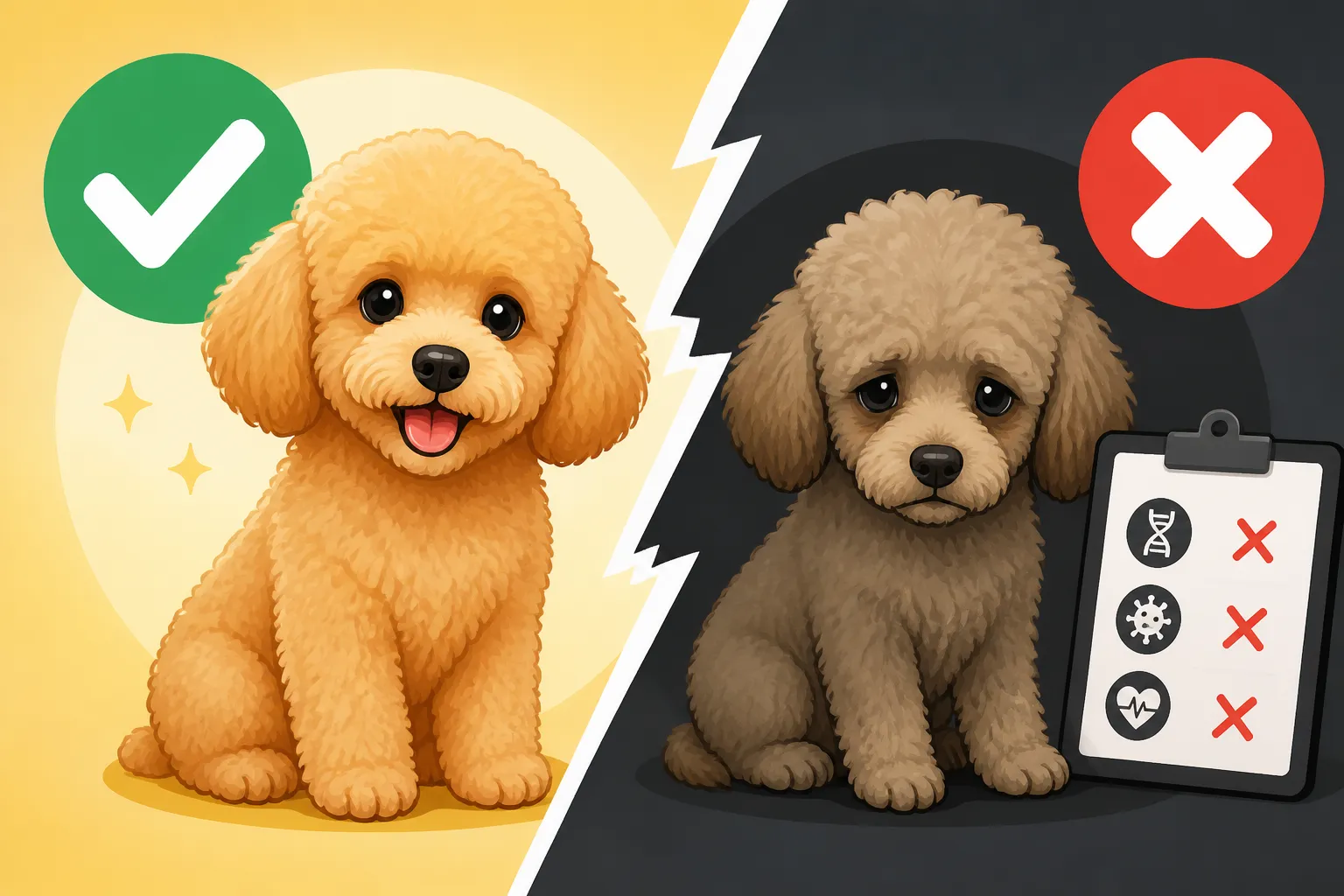
It's incredibly tempting when you’re eagerly anticipating a new Poodle puppy to jump at the first seemingly "affordable" offer you see. The internet is flooded with listings that promise a beautiful, purebred Poodle for a fraction of what reputable breeders charge, often making you question why some prices are so high. However, that deeply discounted price tag almost always comes with a silent, invisible cost: a lack of crucial health testing, which can lead to heartbreaking health issues and astronomical vet bills down the line. This guide aims to shed light on why a cheap Poodle is rarely a good deal and what true responsible ownership entails.
The Allure and Alarm of a Low-Priced Poodle Puppy
The excitement of bringing a new Poodle into your home can often cloud judgment, especially when you encounter what appears to be an incredible bargain. It’s natural to want to save money where you can, and with the high costs associated with pet ownership, a lower upfront price for a puppy seems like a smart financial move. But for Poodles, a breed with a specific set of known genetic health challenges, this is precisely where caution is paramount.
The Initial Appeal of a Bargain
Imagine scrolling through online classifieds or social media groups and finding Poodle puppies advertised for a significantly lower price than you've seen elsewhere—perhaps $800 to $1,500 when reputable breeders are quoting $2,500 to $5,000 or even more, particularly for Standard Poodles. It looks like a win-win: you get the Poodle you've always dreamed of, and you save a substantial amount of money that could go towards toys, food, or grooming. These breeders might offer generic photos, vague descriptions, and often push for a quick sale, appealing directly to the emotional desire to get a puppy quickly and cheaply. They might even rationalize their low prices by saying they "don't believe in overcharging" or "just want to find good homes," which sounds charming but is often a red flag.
The Hidden Costs That Lurk Beneath
While the immediate savings on a cheap Poodle puppy feel great, this initial economy is almost always overshadowed by significant long-term financial and emotional burdens. The reason a reputable breeder charges more is directly tied to the substantial investment they make in the health and welfare of their breeding dogs and puppies. Without that investment, particularly in health testing, you're essentially buying a lottery ticket where the prize could be a lifetime of managing chronic illness. We're talking about conditions like hip dysplasia, von Willebrand's disease, or progressive retinal atrophy, all of which can lead to immense veterinary expenses, specialized care, and profound heartache. The "bargain" price becomes a down payment on potential suffering and unexpected bills that far exceed the initial savings.
Understanding Reputable Poodle Breeder Practices
When you purchase a Poodle from a reputable breeder, you're not just buying a puppy; you're investing in a commitment to the breed's health, temperament, and future. These breeders adhere to rigorous standards that reflect their dedication to producing healthy, well-adjusted dogs. They understand the intricacies of Poodle Health Splits by Size and take proactive steps to mitigate risks.
The Investment in Health Testing for Poodles
A significant portion of a reputable Poodle breeder's costs goes into comprehensive health testing for their breeding stock. This isn't just a quick vet check-up; it involves specific, often expensive, screenings for genetic diseases prevalent in Poodles across all sizes. For instance, a Standard Poodle breeder will screen for hip and elbow dysplasia through the Orthopedic Foundation for Animals (OFA), test for von Willebrand's Disease (vWD), and screen for certain eye conditions, often including Progressive Retinal Atrophy (PRA). Miniature Poodles will also be tested for PRA, patellar luxation, and sometimes Legg-Calve-Perthes disease, while Toy Poodles require careful screening for luxating patellas, Legg-Calve-Perthes, and certain eye conditions.
These tests are not one-time events; many require retesting or specialized vet visits. For example, eye certifications are typically done annually by a board-certified veterinary ophthalmologist. DNA tests for conditions like vWD or PRA are typically done once, but the cost for genetic screening panels can still add up. A responsible breeder will openly provide verifiable results for both the sire and dam of the litter, often through public databases like the OFA or Canine Health Information Center (CHIC). This transparency is crucial. When a breeder cannot or will not provide these results, it’s a massive red flag, indicating they likely haven't performed the necessary tests. Knowing What a Poodle Breeder Must Test For is essential for any prospective owner.
Pedigree, Registration, and Ethical Breeding Standards
Beyond health, reputable breeders focus on preserving the Poodle breed standard, which includes temperament, conformation, and genetic diversity. They invest in quality breeding stock, often importing dogs or traveling to stud dogs that complement their lines, further adding to their costs. They understand the importance of sound genetics and conformation not just for show, but for the dog's overall well-being and longevity. This means they will register their puppies with recognized kennel clubs, such as the American Kennel Club (AKC), providing you with a clear lineage and proof of purebred status.
Ethical breeding also involves providing an enriching environment for puppies during their critical early weeks. This includes proper nutrition, early neurological stimulation, socialization with people and other animals, and careful monitoring by veterinary staff. They will typically keep puppies until at least 8 weeks of age, ensuring they are developmentally ready to leave their mother and littermates. A good breeder will also have a comprehensive contract that outlines health guarantees, spay/neuter clauses, and a commitment to take the dog back at any point in its life if you can no longer care for it. This commitment highlights their responsibility to every dog they bring into the world, a stark contrast to a "bargain" breeder who might disappear once the transaction is complete.
Why a Breeder's Transparency Matters
Transparency from a breeder isn't just about sharing health certificates; it's about open communication, willingness to answer questions, and inviting you to see their facilities and meet the parent dogs. A reputable breeder will be keen to interview you as much as you interview them, ensuring their puppies go to suitable, loving homes. They'll be upfront about the parent dogs' temperaments, any quirks, and the general health history of their lines. They will also educate you on Poodle Puppy Prices Across the Three Sizes and the reasons behind the costs.
They often have waiting lists because they breed selectively and responsibly, not constantly. This means they won't always have puppies readily available, and that's a sign of a thoughtful program, not a drawback. They are also usually deeply involved in the Poodle community, attending dog shows, obedience trials, or breed club meetings. This engagement not only enhances their knowledge but also provides a network for support and advice. When a breeder is secretive, pushes for quick cash transactions, or only offers to meet in public places, these are critical warning signs that they are likely cutting corners, most notably on health testing.
The Health Risks Associated with Untested Poodle Lines
The biggest gamble with a cheap Poodle puppy is the unquantifiable risk of inherited health problems. While no breeder can guarantee a dog will never have a health issue, responsible testing significantly reduces the likelihood of passing on known genetic conditions. Without testing, you're essentially flying blind.
Common Genetic Conditions in Poodles
Poodles, like many purebred dogs, are predisposed to certain genetic conditions. Standard Poodles, for example, have a higher incidence of Addison's Disease, a hormonal disorder that can be life-threatening and requires lifelong medication. They are also prone to Gastric Dilatation-Volvulus (GDV), or bloat, a sudden, severe, and often fatal condition where the stomach twists. While bloat isn't strictly genetic in the same way as a single gene disorder, certain conformations and family lines appear to be more susceptible, and responsible breeders are mindful of this. Miniature and Toy Poodles, on the other hand, often deal with conditions like Luxating Patella (slipping kneecaps), Legg-Calve-Perthes disease (a hip joint disorder), and Progressive Retinal Atrophy (PRA), which leads to blindness.
Genetic testing aims to identify carriers or affected dogs before they are bred, preventing the propagation of these diseases. Breeders conduct Genetic Panels for the Three Poodle Sizes to screen for these and other conditions. For instance, a DNA test can definitively tell if a Poodle carries the gene for PRA. If a cheap Poodle comes from untested parents, there's no way to know if they carry these silent genes, meaning your adorable, inexpensive puppy could develop a debilitating condition months or years down the line.
The Emotional and Financial Burden of Illness
Discovering your beloved Poodle has a serious, inherited illness is devastating. Beyond the emotional pain of seeing your dog suffer, the financial implications can be staggering. Treating Addison's Disease, for instance, requires monthly injections and regular blood work for the dog's entire life. A crisis related to Addison's can mean emergency hospitalization, costing thousands. Addison's Disease in Standard Poodles is a serious concern. Similarly, bloat requires emergency surgery, which can easily run into the thousands of dollars, with no guarantee of survival even after the operation. Emergency Signs of Poodle Bloat are something every Poodle owner should know.
Knee surgeries for luxating patellas can cost anywhere from $1,500 to $4,000 per knee, and sometimes both knees are affected. Blindness from PRA requires significant adjustments to your home and lifestyle. These aren't minor expenses; they are potentially life-altering bills that can quickly overshadow any perceived savings from buying a cheap puppy. For many families, these costs are simply unsustainable, forcing heartbreaking decisions or accumulating massive debt.
Short-Term Savings, Long-Term Heartache
The irony of a cheap Poodle is that the initial savings are almost always a false economy. What you save upfront, you often pay tenfold (or more) in vet bills, specialized food, medications, and emotional stress. This doesn't even account for the lost quality of life for your Poodle, who may live with chronic pain, limited mobility, or significant health challenges. A well-bred Poodle, while more expensive initially, comes with a much higher probability of a long, healthy life, minimizing these unpredictable expenses and maximizing joy.
It’s about weighing a few hundred or a couple of thousand dollars at the beginning against potentially tens of thousands later, coupled with the immense emotional toll. Many owners who opt for a cheap Poodle eventually find themselves in this difficult position, regretting not having invested in a responsibly bred dog from the start.
Where Bargain Poodles Often Come From
When a Poodle puppy is priced significantly below the market rate for a responsibly bred dog, it's not usually because the breeder is exceptionally generous or running a charity. More often than not, it points to a source that prioritizes profit over animal welfare, leading to compromised health and temperament.
Puppy Mills and Backyard Breeders
The vast majority of cheap Poodles come from either puppy mills or inexperienced backyard breeders. Puppy mills are commercial breeding facilities that churn out puppies for profit, with little regard for the health, genetics, or welfare of the parent dogs or their offspring. Dogs are often kept in deplorable conditions, receive minimal veterinary care, and are bred repeatedly without respite. Health testing is virtually nonexistent because it cuts into profits, leading to a higher incidence of genetic diseases, temperament issues, and parasitic infections in their puppies. These operations frequently sell through pet stores, online classifieds, or directly to unsuspecting buyers who are drawn in by the low price.
Backyard breeders, on the other hand, are often well-meaning individuals who breed their family Poodle without proper knowledge, research, or resources. They might think it would be "fun" to have puppies or want to recoup some money, but they typically lack an understanding of genetics, health testing protocols, and proper puppy rearing. They often don't screen for inherited diseases, nor do they understand how to select appropriate breeding partners to improve the line. Their dogs might not have champion bloodlines or robust health clearances, and the puppies often pay the price for this lack of expertise, inheriting a cocktail of potential health problems.
Online Scams and Unverified Sellers
The internet, while a powerful tool for connecting people, also provides a fertile ground for scammers and unscrupulous sellers. You'll find countless ads for "Poodle puppies near me" at unbelievably low prices, sometimes even advertised as free to a "good home," with only shipping costs required. These are often elaborate scams designed to take your money without ever delivering a puppy. They might use stolen photos of Poodle puppies and create compelling but entirely false narratives. You pay, and the puppy never materializes, or they demand more and more money for "shipping insurance," "vaccinations," or "customs fees."
Even when a puppy is real, unverified online sellers frequently operate like puppy mills or backyard breeders, selling puppies without health records, vaccination histories, or even basic socialization. You might encounter a "breeder" who insists on meeting in a neutral location, like a parking lot, or won't let you see the parents or the facility where the puppies were raised. These are all huge red flags. A legitimate breeder will welcome you to their home or kennel, will be transparent about their practices, and will have an established reputation. Be especially wary of listings on general marketplaces that don't specialize in pet sales, as vetting processes are often nonexistent.
The Consequences for Puppy Welfare
The consequences of buying a cheap Poodle from these sources extend far beyond potential health issues for your own dog. Every purchase from a puppy mill or unethical backyard breeder fuels their destructive practices, perpetuating a cycle of suffering for future generations of dogs. These operations often neglect the mental and emotional needs of their animals, leading to behavioral problems like anxiety, fearfulness, aggression, or difficulty with house-training. Puppies from these environments are often poorly socialized, making them more challenging to integrate into a family home and sometimes requiring extensive and costly behavioral modification.
Choosing a responsible breeder, even if it means paying more, is an ethical decision that supports humane breeding practices and helps to ensure the overall well-being of the Poodle breed. It’s a vote for transparency, health, and responsible pet ownership over quick profits and neglect.
What to Look for When Choosing a Poodle Puppy
Navigating the world of Poodle breeders can feel daunting, but knowing what to look for and what questions to ask will empower you to make an informed decision and ensure you bring home a healthy, well-socialized puppy. Your goal is to find a breeder who prioritizes the health and temperament of their Poodles above all else.
Essential Questions to Ask a Breeder
When you're speaking with a potential breeder, don't be afraid to ask a lot of questions. A reputable breeder will welcome them and be eager to share information. Here are some key inquiries:
- "What health clearances do the parents have, and can I see the documentation?" This is perhaps the most critical question. They should be able to provide OFA, PennHIP, or equivalent certifications for hips and elbows (especially for Standards), as well as current eye certifications from a veterinary ophthalmologist (CAER/CERF). Genetic DNA tests for conditions like von Willebrand's Disease (vWD), Progressive Retinal Atrophy (PRA), and others relevant to the Poodle size should also be available. Ask for the registered names of the sire and dam so you can verify results on public databases.
- "What is the temperament of the parents, and are they available to meet?" A good breeder will be able to describe the personality of both parents and allow you to meet the mother, and ideally the father if he lives on-site. Temperament is highly heritable, so seeing the parents gives you an indication of what your puppy might be like.
- "How do you socialize your puppies?" Look for breeders who expose puppies to various sights, sounds, textures, and people. Ask about early neurological stimulation protocols, interaction with children or other pets, and crate or potty training introductions.
- "What kind of health guarantee do you offer, and what does your contract entail?" A comprehensive contract should outline what happens if a genetic health issue arises, a spay/neuter agreement, and a "take-back" clause ensuring the dog never ends up in a shelter.
- "What are the puppies fed, and what vaccinations and deworming have they received?" They should be on a high-quality puppy food and have a clear record of age-appropriate vaccinations and deworming.
- "Are the puppies registered, and with which organization?" AKC registration (or the equivalent in other countries) is standard for purebred Poodles.
Verifying Health Clearances
Don't just take a breeder's word for it when it comes to health testing. Verifying clearances is a vital step. The Orthopedic Foundation for Animals (OFA) maintains an online database where you can search for a dog's health test results using their registered name or registration number. This allows you to independently confirm that the sire and dam have passed their screenings for conditions like hip and elbow dysplasia, patellar luxation, and thyroid disease. For eye clearances, look for Canine Eye Registry Foundation (CERF) or Companion Animal Eye Registry (CAER) numbers, which indicate examination by a board-certified veterinary ophthalmologist. DNA test results for conditions like PRA, vWD, or others can often be verified through specific lab reports. A truly transparent breeder will not only provide you with the necessary information but will also guide you on how to verify it yourself. This is crucial when considering Which Poodle Tests Actually Change Outcomes.
The Importance of a Comprehensive Contract
A detailed, written contract serves as a protective measure for both you and the puppy. Beyond health guarantees, it should clarify responsibilities, expectations, and what remedies are available if problems arise. A strong contract will outline:
- Health Guarantee: This specifies what genetic conditions are covered, for how long, and what the breeder will do (e.g., offer a replacement puppy or partial refund) if a covered condition is diagnosed.
- Spay/Neuter Clause: Most reputable breeders sell puppies on a limited registration with a spay/neuter agreement to prevent accidental or irresponsible breeding.
- Return Policy: A responsible breeder will always require that if you can no longer care for the dog, it must be returned to them rather than surrendered to a shelter.
- Microchip Information: Ensuring the puppy is microchipped with the breeder listed as an alternate contact.
- Feeding and Care Instructions: Guidance on diet, vaccination schedule, and initial care.
Review the contract carefully and ask for clarification on anything you don't understand. A reputable breeder will want you to be fully informed and comfortable with the agreement. This contract, alongside verified health clearances, is your best defense against the pitfalls of a cheap, untested Poodle.
Budgeting Realistically for a Healthy Poodle
Understanding the true cost of a Poodle goes far beyond the initial purchase price. A healthy, well-adjusted Poodle is an investment, not just monetarily, but in time, care, and emotional commitment. Budgeting realistically means factoring in all the expenses associated with responsible Poodle ownership, from the upfront cost to ongoing care.
The True Upfront Cost of a Well-Bred Poodle
The initial cost of a Poodle puppy from a reputable, health-testing breeder can range from $2,500 to $5,000, and sometimes even higher for exceptional lines or specific colors like red. This price reflects the breeder's immense investment in their dogs: extensive health testing, quality food and veterinary care for the breeding adults and puppies, proper socialization, registration fees, and countless hours of dedicated work. It's not a profit margin as much as it is a cost recovery for responsible breeding practices. When you buy a puppy from such a breeder, you're essentially buying peace of mind, knowing that every effort has been made to produce a healthy and genetically sound companion. Thinking about Why a Tested Standard Poodle Reaches Five Thousand helps put things in perspective.
Factoring in Ongoing Care and Preventative Measures
Beyond the purchase price, budgeting for a Poodle involves significant ongoing expenses. Their luxurious, non-shedding coat requires regular professional grooming every 4-8 weeks, which can cost anywhere from $70-$150 per session depending on size and location, amounting to hundreds, if not over a thousand, dollars annually. Even if you learn What a Poodle Owner Spends on Blades and Shampoo and groom at home, the initial investment in high-quality tools is considerable.
Then there's food: a quality diet is crucial for a Poodle's health. While brands like Chewy offer a wide range of options, and specialized diets from companies like Ollie provide fresh, human-grade food, these are ongoing costs. A Standard Poodle can eat quite a bit, making food a significant monthly expense. Routine veterinary care, including annual check-ups, vaccinations, and parasite prevention, is also essential. Factor in training classes, toys, bedding, and potential boarding costs. It’s wise to set aside an emergency fund, too, for unexpected illnesses or accidents, which can happen even with the healthiest dogs. All these expenses contribute to The First Year With a Poodle being a substantial financial commitment.
| Expense Category | Estimated Annual Cost (Toy Poodle) | Estimated Annual Cost (Standard Poodle) | Notes |
|---|---|---|---|
| Food (High Quality) | $300 – $600 | $700 – $1,200 | Varies by brand, type (kibble vs. fresh), and activity level. |
| Grooming (Professional) | $800 – $1,200 | $1,000 – $1,800 | 6-8 week intervals; depends on coat length & style. DIY saves money. |
| Vet (Routine/Prevent.) | $300 – $600 | $400 – $800 | Includes exams, vaccinations, heartworm/flea prevention. |
| Pet Insurance | $300 – $600 | $480 – $960 | Monthly premiums vary by age, size, plan. |
| Toys/Chews | $100 – $200 | $150 – $300 | Can be more if your Poodle is a destructive chewer! |
| Training/Classes | $200 – $500 (initial) | $200 – $500 (initial) | Puppy classes, obedience, or specialty sports. |
| Miscellaneous | $100 – $300 | $200 – $500 | Collars, leashes, beds, cleaning supplies, unexpected incidentals. |
| Total Annual Estimate | $2,100 – $4,000 | $3,030 – $6,060 | Excludes initial puppy purchase, emergency vet care, or major illness |
Pet Insurance as a Financial Safety Net
Given the potential for high veterinary costs, especially if your Poodle develops an inherited condition, pet insurance is an increasingly popular and sensible financial tool. Companies like Healthy Paws offer comprehensive plans that can cover a significant portion of unexpected vet bills for accidents and illnesses. While a pet insurance policy won't cover pre-existing conditions, it can be a lifesaver for new diagnoses that crop up later in your Poodle's life, whether they are genetic or acquired.
When researching pet insurance, compare different providers and plans. Look at deductibles, reimbursement percentages, and annual limits. It’s an ongoing monthly premium, but it can provide immense peace of mind, protecting you from the financial shock of a major illness or emergency surgery. This is especially true when considering Insuring a Poodle Against Addison's and Bloat, two potentially very expensive conditions. Investing in pet insurance is another way to budget realistically, ensuring you can provide the best possible care for your Poodle without going into debt, regardless of what unexpected health challenges may arise.
Disclaimer
The information provided in this article is for general informational purposes only and is not a substitute for professional veterinary advice. Always consult with a qualified veterinarian for any health concerns or before making any decisions related to your Poodle's care.