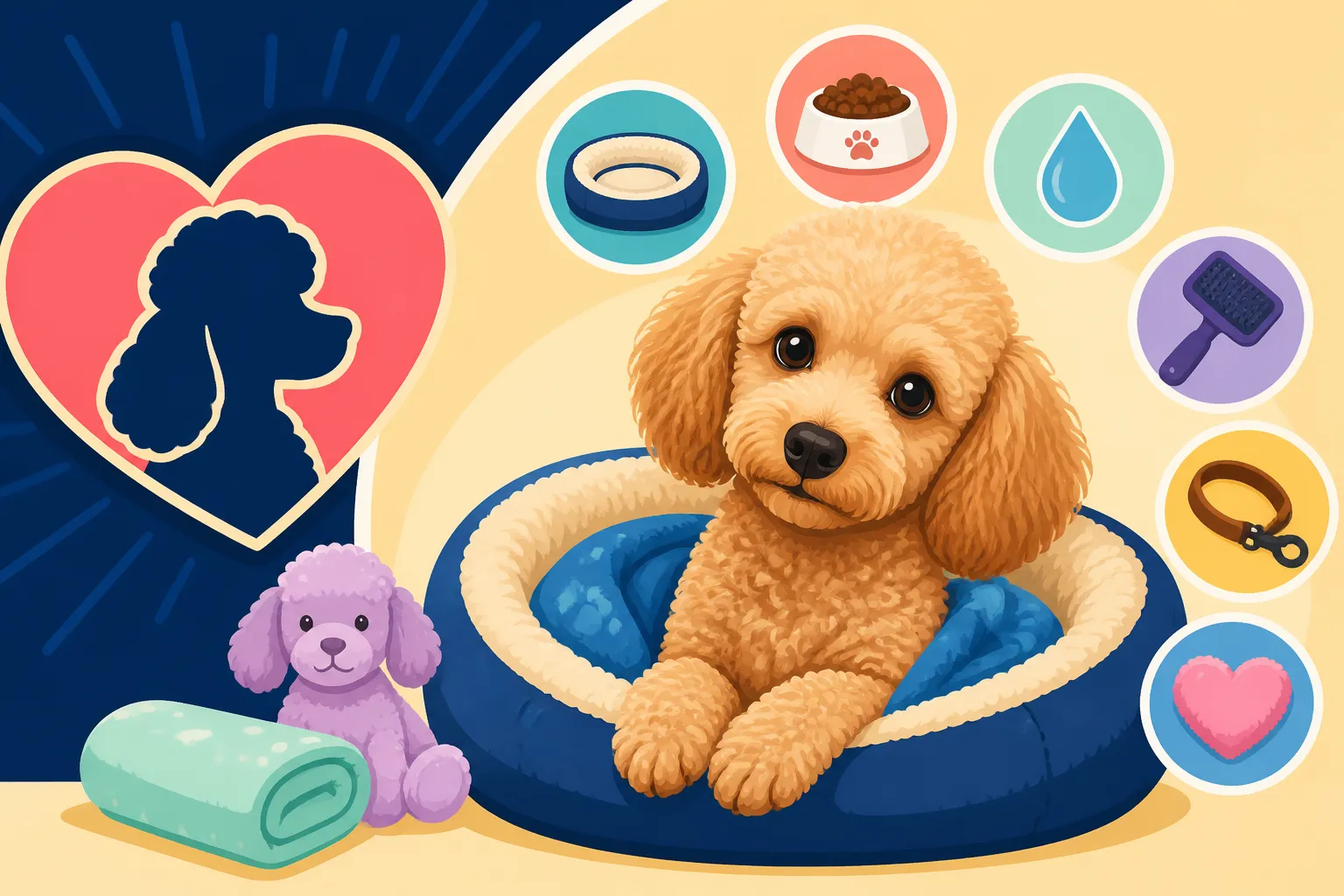
What a Rescue Poodle Needs in Week One
Bringing a rescue Poodle home for the first time is an incredibly exciting, yet often overwhelming, experience. You’re thrilled to give them a loving home, but there’s also the unknown — what hidden anxieties do they carry? How will they adjust? This guide is here to walk you through that crucial first week, helping you set up a secure, loving environment that fosters trust and helps your new Poodle begin to truly decompress.
Creating a Safe Haven and Ensuring Immediate Safety
The very first thing your rescue Poodle needs is a sense of safety and predictability. They've likely been through significant changes, perhaps multiple homes, shelters, or even traumatic experiences. Their world has been turned upside down, and now they're in a completely new place with new smells, sounds, and people. Your priority is to make this new world feel safe, not scary.
Setting Up a Designated Safe Space
Imagine being dropped into a stranger's house. You'd probably want a quiet corner to retreat to, right? Your Poodle feels the same way. Designate a specific, quiet area for them—this could be a crate, a dog bed in a low-traffic room, or even just a corner of the living room away from bustling activity. Make it their sanctuary. Line the crate or bed with soft, comfortable bedding. Old towels or blankets that you don't mind getting dirty are perfect initially, especially if you're unsure about their potty habits. Avoid placing this space in a high-traffic area like a doorway or busy hallway, as constantly being disturbed can increase their anxiety. Many Poodles thrive with a cozy, den-like crate where they can feel secure and protected, even if the door remains open. This helps to establish boundaries and offers them a choice to retreat when feeling overwhelmed.
Poodle-Proofing Your Home Environment
Poodles are curious, and even an adult rescue might revert to puppy-like behaviors when stressed or in a new environment. Think like a Poodle: what could they get into? Secure any toxic cleaning supplies, medications, or chemicals. Pick up small objects that could be choked on, especially if you have a smaller Toy or Miniature Poodle. Electrical cords should be tucked away or protected. If your Poodle came from a shelter, they might not be accustomed to a "normal" home, so things you take for granted could be intriguing or even dangerous. Consider using baby gates to block off areas you don't want them to access, especially during the first few days when you're still learning their habits and preferences. This also helps manage their exposure to the whole house at once, which can be overwhelming.
Essential Gear for a Smooth Transition
Before your Poodle even steps paw into your home, make sure you have the basics covered. A well-fitting collar or harness is crucial, along with a sturdy leash. Remember, Poodles can be surprisingly Houdini-like when stressed or fearful. Many Poodles have a more delicate trachea, especially smaller varieties, so a harness is often preferable to a collar to prevent injury if they pull. Ensure their ID tags are attached with your current contact information. Even if microchipped, visible tags are the first line of defense if they get loose. You’ll also need food and water bowls, preferably non-slip. Toys, particularly chew toys, can help them de-stress and settle in. Don't forget grooming tools like a slicker brush and comb, even if a professional groom is scheduled soon. You can find a vast selection of quality leashes, collars, and bowls on platforms like Chewy, offering convenient delivery right to your door before your new friend arrives.
Establishing Predictable Routines and Comfort
Poodles, being intelligent and often sensitive dogs, thrive on routine. Predictability can be a huge comfort to a rescue Poodle who has likely experienced a lack of it. The first week is about gently introducing them to their new life's rhythm.
The Power of a Consistent Daily Schedule
From day one, try to establish a consistent schedule for feeding, potty breaks, walks, and bedtime. This helps your Poodle understand what to expect and when, reducing anxiety. For instance, wake up at the same time each day, offer food, then immediately take them out for a potty break. Repeat this throughout the day at regular intervals. Bedtime should also be consistent, allowing them to settle into a predictable pattern for rest. Even if they're not fully crate trained, taking them to their designated safe space at bedtime helps reinforce it as a place of rest. A consistent schedule also helps with house-training, as your Poodle will learn when the appropriate times and places for elimination are. Don't be surprised if your Poodle has accidents in the house initially; remember, they're in a new place and may not understand your cues or where they're supposed to go. For more insight, consider reading about Why a Clever Poodle Still Has Accidents.
Gentle Introductions to Family and Other Pets
Rescue Poodles often come with unknown histories regarding other animals or children. Always supervise initial interactions closely. Keep things calm and controlled. For other pets, introduce them slowly on neutral territory if possible, or at least in a quiet room with leashes on both dogs. Short, positive interactions are key. For children, teach them how to gently interact with the Poodle, emphasizing soft voices and slow movements. Explain that the Poodle needs space and time to adjust. Never leave a child unsupervised with a new rescue dog, no matter how friendly the dog seems. The goal is positive association, not overwhelming them. If you have a Toy Poodle, be especially mindful around larger dogs or boisterous children, as their delicate size makes them more vulnerable. Learning about Socializing a Poodle Before It Turns Wary can provide valuable insights here.
Allowing for Decompression and Quiet Time
The term "decompression" is incredibly important for rescue dogs. It means giving them time and space to adjust without pressure. Avoid inviting all your friends over to meet the new Poodle on day one. Keep visitors to a minimum for the first few days, allowing your Poodle to bond with their immediate family. Let them approach you rather than forcing interactions. Many Poodles are naturally affectionate and will become "Velcro dogs" once they feel secure, but this takes time. If you notice signs of stress—lip licking, yawning, tail tucked, cowering—give them space. Don't force them to "come out of their shell." Sometimes, simply being present in the same room, calmly going about your business, is enough. This quiet presence communicates safety without demanding interaction. Some Poodles might even develop Separation Anxiety in a Velcro Poodle if not given proper decompression time initially.
Nourishment, Health Checks, and Initial Grooming
A healthy body supports a healthy mind, and this is especially true for a rescue Poodle. Their diet and immediate health needs are paramount in that first week.
Diet and Transitioning Food
Your rescue Poodle might arrive with information about their previous diet. If so, it’s best to stick to that food for the first few days to avoid upsetting their stomach, which is already stressed from the move. If you plan to switch to a new food, do it gradually over 7-10 days, mixing increasing amounts of the new food with decreasing amounts of the old. High-quality dog food is essential for Poodles, who can sometimes have sensitive stomachs or allergies. Brands like Ollie offer fresh, human-grade food delivered to your door, which can be a great option for a sensitive Poodle, providing excellent nutrition. Always provide fresh water, easily accessible, and refresh it frequently. Observe their eating habits – are they gulping their food? A slow feeder bowl might be beneficial. Are they picky? Small, frequent meals might be better for a tiny Toy Poodle.
Scheduling the All-Important Vet Visit
Within the first week, schedule a comprehensive check-up with your veterinarian. This is crucial even if the rescue organization provided recent vet records. Your vet can give your Poodle a thorough examination, check for parasites (fleas, ticks, worms), administer any necessary vaccinations, and discuss preventive care. They can also address any immediate health concerns you might have noticed. This visit is also a great opportunity to ask about any breed-specific health issues your Poodle might be predisposed to, like those sometimes seen in Standard Poodles such as Addison's Disease. If you've adopted an older Poodle, discuss what to look out for in terms of senior health. Don't hesitate to ask your vet about pet insurance options, as something like Healthy Paws can provide peace of mind for unexpected medical costs, covering accidents and illnesses from future diagnoses. If your Poodle came with a pre-existing condition, like Taking On a Poodle With Addison's, discuss the lifelong management plan with your vet.
Starting Gentle Grooming
Poodles are renowned for their non-shedding, constantly growing coats, which makes regular grooming non-negotiable. Rescue Poodles often arrive matted, dirty, or with neglected coats. While a full professional groom might be too much for their first few days, gentle brushing with a slicker brush and comb is a good start. This not only begins to address any tangles but also serves as a bonding activity. Use a soft, reassuring voice and keep sessions short and positive. Check their ears for cleanliness and any signs of infection, and gently examine their paws, including the pads and nails. If they have significant matting, consult with your groomer about the best approach, as Adopting a Matted Poodle and the First Groom can be a delicate process. Sometimes, severe mats need to be shaved off entirely, which is safer and less painful for the dog. Regular, gentle handling during the first week will set the stage for a lifetime of comfortable grooming. For more guidance, check out How Often a Pet Poodle Needs Brushing and consider Setting Up a Poodle Grooming Corner at Home for future home care.
| Day | Task | Notes & Tips |
|---|---|---|
| Day 1 | Arrival & Settle In | Lead Poodle directly to designated safe space. Offer water. Keep interactions minimal. Supervise potty breaks closely. |
| Day 2-3 | Routine & Observation | Establish consistent feeding, potty, rest schedule. Observe eating, drinking, elimination. Limit new experiences. |
| Day 4-5 | Vet Visit & Gentle Grooming | Schedule initial vet check-up. Begin very short, gentle brushing sessions. Introduce one new, quiet toy. |
| Day 6-7 | Bonding & Exploration | Increase short, positive interactions. Allow Poodle to explore more areas of the home under supervision. Continue routine. |
Beginning Gentle Training and Bonding
The first week isn't the time for intensive training, but it's the perfect opportunity to lay the groundwork for a strong, trusting relationship through positive interactions and clear communication.
Simple Cues and Positive Reinforcement
Focus on simple, positive interactions that build trust. Use their name often in a cheerful voice. Practice basic cues like "sit" or "come" using high-value treats and praise. Keep these sessions extremely short, just a minute or two at a time, and always end on a positive note. The goal isn't perfect obedience yet, but rather to teach your Poodle that engaging with you is rewarding and safe. This also helps them learn how to learn, which is key for such an intelligent breed. Avoid any harsh corrections or punishment; these can severely damage the trust you're trying to build with a rescue Poodle. Remember, Rebuilding Trust With a Frightened Poodle can be a long and challenging process, so start with kindness.
Mindful Playtime and Appropriate Toys
Play is a wonderful way to bond, but keep it low-pressure. Offer a variety of toys: soft plush toys, durable chew toys, and maybe a puzzle toy filled with treats. Observe what your Poodle prefers. For many Poodles, a game of gentle fetch or tug (if they initiate it) can be very rewarding. However, some rescue Poodles might not know how to play, or they might be wary of hands reaching for toys. If they seem hesitant, just leave the toys accessible and let them explore on their own terms. Never force play. If you have a Standard Poodle, ensure toys are appropriately sized and durable to prevent choking hazards. Even small, short bursts of Daily Exercise for a Toy Poodle combined with mental stimulation can be very tiring and beneficial.
Understanding Poodle Body Language
One of the most valuable things you can do in the first week is learn to "speak Poodle." Pay close attention to their body language. A tucked tail, flattened ears, lip licking, yawning (when not tired), or turning away can all be signs of stress or discomfort. A loose, wagging tail, soft eyes, and relaxed posture usually indicate comfort. Reading Pain in a Sensitive Poodle goes beyond just physical injury and can encompass emotional distress. Poodles are known for being highly empathetic and sensitive, and they often communicate subtly. The more you observe, the better you'll become at recognizing when they need space, when they're ready for interaction, or when they might be feeling overwhelmed. This understanding is the foundation of a truly harmonious relationship. Poodles are incredibly perceptive, and learning Why Poodles Read People So Well can help you understand their reactions.
Disclaimer
Please remember that the information provided in this article is for general informational purposes only, and does not constitute veterinary advice. Always consult with a qualified veterinarian or professional animal behaviorist for any health concerns or behavioral issues specific to your Poodle.