Car Restraints for a Standard Poodle
It’s a common scenario for Standard Poodle owners: you’re heading out for a drive, maybe to the dog park, the vet, or a fun day trip, and your magnificent companion is ready to come along. But what do you do with a large, energetic dog in the car? Allowing them to roam free, even in the back seat, isn't just a minor inconvenience; it's a significant safety hazard for everyone in the vehicle. This guide will walk you through the essential options for securing your Standard Poodle in the car, ensuring both their safety and yours on every journey.
Why Car Restraints Aren't Just for Safety – They're for Everyone
Let's be honest, we all love seeing our Poodles' happy faces in the rearview mirror, perhaps with their ears flapping in the breeze. But that picture-perfect moment can turn into a nightmare in an instant if your furry co-pilot isn't properly secured. It's not about stifling their joy; it's about protecting them and you from preventable harm.
The Risks of an Unrestrained Standard Poodle
Imagine a sudden stop, a swerve, or, heaven forbid, an accident. An unrestrained Standard Poodle, weighing anywhere from 40 to 70 pounds (or more!), becomes a projectile inside your car. At just 30 mph, a 60-pound dog can exert a force of 2,700 pounds in a crash. That's a serious impact, not only for your beloved Poodle but also for any human occupants. The potential for severe injury or even fatality for your dog is incredibly high, and they can also cause grave harm to anyone else in the car.
Beyond the catastrophic consequences of a collision, there are everyday risks. A Standard Poodle can easily become a major distraction to the driver. They might jump into the front seat, block your view, or interfere with controls, especially if they are a particularly curious or high-energy Poodle. If you've ever had a Poodle who suddenly decides to explore the console while you're navigating a busy intersection, you know exactly what I mean. Some states even have laws against unrestrained pets in vehicles, carrying fines that can add insult to injury if an accident occurs.
Protecting Your Investment and Your Peace of Mind
Think about all the care and love you pour into your Poodle. From ensuring they get their Daily Exercise for a Standard Poodle to managing their grooming and health, you've made a significant commitment. An accident involving an unrestrained dog can result in devastating injuries requiring extensive veterinary care. While pet insurance providers like Healthy Paws are fantastic for helping with unexpected vet bills, preventing those accidents in the first place is always the best approach. A properly restrained dog is less likely to suffer injuries in a crash, potentially saving you from emotional distress and considerable financial strain down the line.
Furthermore, a secured Poodle is less likely to escape if you need to open the car door, for example, at a rest stop or after a fender bender. Their natural retrieving instinct might kick in, or they might simply be overwhelmed and try to bolt, leading to another host of dangers. The peace of mind that comes from knowing your Poodle is safe and secure, unable to cause distractions or be harmed by a sudden event, is truly invaluable.
Types of Car Restraints for a Standard Poodle
When it comes to choosing a car restraint for your Standard Poodle, you've got a few main categories to consider. Each has its pros and cons, and what works best really depends on your Poodle's personality, your car's setup, and your personal priorities for safety and convenience.
Crash-Tested Harnesses and Seatbelts
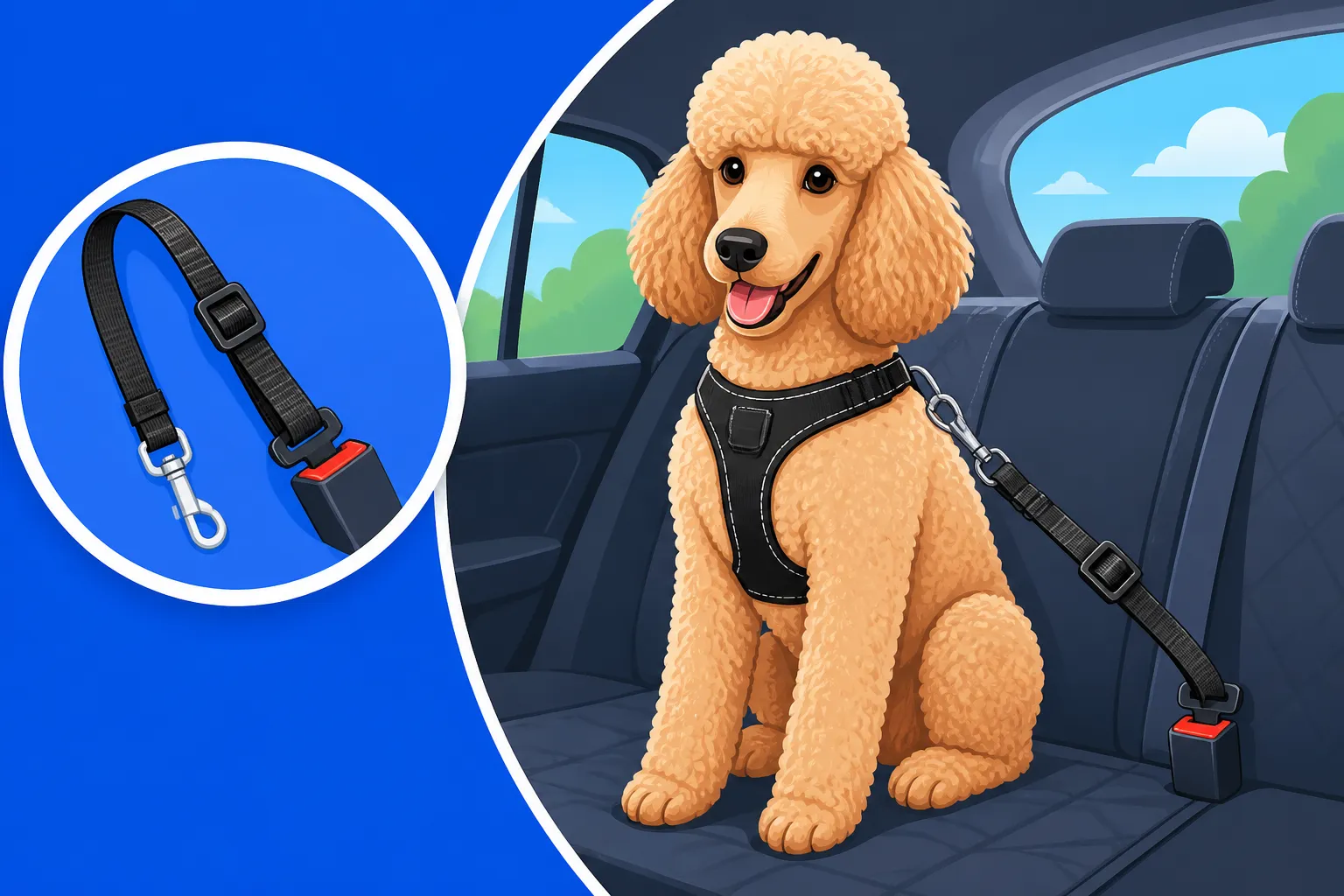
These restraints are designed to work much like human seatbelts, securing your dog directly into the car's seatbelt system. The key here is "crash-tested." Not all pet harnesses are created equal, and many offer little to no protection in a collision. Look for harnesses that have been certified by independent organizations, like the Center for Pet Safety (CPS). These harnesses typically feature wide, padded straps designed to distribute impact forces across your Poodle's strongest points, like the chest, rather than delicate areas like the neck.
A good crash-tested harness will usually have a strong metal attachment point that connects directly to your car's seatbelt buckle or utilizes a separate strap that loops around the seatbelt. This keeps your Poodle tethered to the seat, preventing them from being thrown forward. They offer your Poodle some freedom to sit, lie down, or look out the window, which can be a huge plus for dogs who get antsy. You can often find a good selection of these harnesses on online retailers like Chewy, making it easy to compare options and read reviews. However, some Poodles might find harnesses bulky or restrictive, and an ill-fitting harness can cause discomfort or even injury. Remember, a Poodle Obesity and Its Consequences can make finding a proper fit challenging, so ensure your Poodle is at a healthy weight.
Travel Crates and Carriers
For many Standard Poodle owners, a travel crate offers the highest level of security. Just like harnesses, it's crucial to look for crash-tested crates, especially for larger breeds. These are typically robust, rigid crates made from high-strength materials, designed to withstand impacts and keep your Poodle contained and protected. They are usually secured in the cargo area of an SUV or hatchback, or on the back seat if they are small enough and can be properly anchored. Never place a large crate on a seat without securing it, as it can still become a dangerous projectile.
The benefits of a sturdy travel crate are numerous. They provide a familiar, den-like space for your Poodle, which can reduce anxiety for Poodle Temperament and Sensitivity dogs who get nervous in cars. In a collision, the crate absorbs and distributes forces, protecting your dog within its confines. They also contain any mess, whether it's shedding hair, muddy paws, or an upset stomach. The downside, of course, is their size. A crash-tested crate for a Standard Poodle can be quite large and heavy, taking up significant space in your vehicle. Choosing the correct Crate Size for Each Poodle Variety is essential for comfort and safety.
Vehicle Barriers and Dividers
Vehicle barriers and dividers serve a different, but still important, purpose. These are typically mesh, metal, or soft fabric barriers that install between the front and back seats, or behind the back seats, to keep your Poodle confined to a specific area of the vehicle. They prevent your dog from jumping into the front seat and distracting the driver or interfering with controls.
While barriers are excellent for containment and reducing driver distraction, it's critical to understand that they do not protect your Poodle in a crash. If you rely solely on a barrier, your Poodle will still be thrown around within the confined space during an impact, risking severe injury. Therefore, barriers are best used in conjunction with a crash-tested harness or a secure crate. They add an extra layer of peace of mind by preventing your Poodle from becoming a projectile into the passenger compartment, but they don't safeguard the dog itself within the cargo area. If you find your Poodle gets bored and tries to explore, knowing What a Poodle Does When Its Brain Is Idle might explain why a barrier can be useful for containment.
Choosing the Right Restraint for Your Standard Poodle and Your Car
Selecting the perfect car restraint isn't a one-size-fits-all decision. It requires a bit of thought about your individual Poodle's needs, your vehicle's capabilities, and what truly makes you feel confident on the road.
Assessing Your Poodle's Temperament and Size
First, consider your Poodle's unique personality. Do you have a mellow Poodle who curls up and sleeps the moment the car starts moving? Or is your Poodle a constant explorer, always trying to get closer to the action, perhaps even attempting to make their Why a Poodle Invents Its Own Shortcuts into the front seat? Anxious dogs might feel more secure in a familiar travel crate, which provides a cozy, den-like environment. A high-energy Poodle, on the other hand, might tolerate a crash-tested harness better, as it allows them a bit more freedom to shift position and look around without being able to truly roam.
Their size and weight are also crucial. A Standard Poodle, being a larger dog, needs robust equipment. A harness must fit snugly without pinching or restricting movement, and it must be rated for their weight. Similarly, a travel crate needs to be large enough for your Poodle to stand up, turn around, and lie down comfortably. If the crate is too small, it's not only uncomfortable but can also be less effective in an impact. For some Poodles, a particular restraint might cause discomfort or stress. Pay attention to signs of distress; knowing how to read Reading Pain in a Sensitive Poodle can help you determine if a restraint needs adjustment or if a different type would be better.
Evaluating Your Vehicle's Layout and Features
Your car plays a big role in what kind of restraint will work. Do you drive an SUV with ample cargo space where a large crate could be securely anchored? Or do you have a sedan with limited back seat space?
For SUVs, vans, or hatchbacks, a securely anchored crash-tested crate in the cargo area is often the safest choice. Ensure the crate itself can be strapped down to cargo hooks to prevent it from sliding or tipping. If you have a two-row SUV, a barrier combined with a crash-tested harness can be a good solution to keep your Poodle in the back while still offering crash protection.
If your Poodle must ride in the back seat of a sedan, a crash-tested harness that connects to the seatbelt system is usually the most practical option. Never, ever allow your Poodle to ride in the front seat, especially if your vehicle has active airbags. The force of an airbag deploying, even in a minor collision, can cause catastrophic injuries to a dog. Always use the back seat for canine passengers. Consider your vehicle's LATCH system (Lower Anchors and Tethers for Children) if available; some pet restraints are designed to use these anchors for extra security.
Prioritizing Crash-Tested Options
I cannot stress this enough: prioritize crash-tested products. Many harnesses and crates on the market are designed for containment and comfort, but not for crash protection. A harness that merely keeps your dog in place but breaks under pressure in an accident is no safer than no restraint at all. Look for products that have been independently certified. The Center for Pet Safety is a fantastic resource that conducts rigorous tests and publishes its findings, helping consumers identify truly safe products.
Choosing a certified restraint is an investment in your Poodle's life. Think of it as a crucial part of the overall commitment you make to your dog, much like annual vet visits or providing a high-quality diet. It's a proactive step that can make all the difference in an emergency, protecting not only your Poodle but also the human passengers by preventing your dog from becoming a dangerous projectile. This decision aligns with the broader understanding of What Owning a Poodle Actually Demands—a commitment to their safety and well-being in all aspects of life.
Practical Tips for Introducing and Using Car Restraints
Even with the perfect restraint chosen, getting your Standard Poodle used to it can sometimes be a process. Poodles are intelligent and sensitive, and a gradual, positive approach is always best.
Gradual Introduction and Positive Reinforcement
Don't just strap your Poodle into a new harness or shove them into a crate and expect them to love it for a long road trip. Start small. Introduce the harness or crate in a neutral, calm environment inside your home. Let your Poodle sniff it, investigate it. Offer high-value treats and praise around the restraint. For a harness, put it on for a few minutes at a time, praising and rewarding them. Take it off before they get uncomfortable. This is similar to how you might approach Training a Poodle to Enjoy Grooming – lots of positive association.
Once they're comfortable with the restraint itself, move to the car. Start with short, positive experiences. Put them in the car, secure them, give a treat, and then immediately take them out. Gradually increase the time they spend restrained in the parked car, always with positive reinforcement. Then, take very short drives – just around the block – to a fun destination like the park. The goal is to build positive associations with the restraint and the car. If your Poodle shows signs of fear or anxiety, take a step back and go even slower. Consistency is key here.
Regular Checks and Maintenance
Just like any other piece of safety equipment, your Poodle's car restraint needs regular inspection and maintenance. For harnesses, check for frayed straps, loose stitching, or damaged buckles. Make sure the D-rings or attachment points are still secure. If your Poodle has grown or gained weight, re-check the fit of the harness. For crates, inspect latches, hinges, and the integrity of the walls. Look for any cracks, bent bars, or loose components.
Regular cleaning is also important, especially if your Poodle has an accident or gets carsick. Keeping the restraint clean and in good working order not only prolongs its life but also ensures it's always ready for safe use. Dirt and grime can sometimes affect the function of buckles or zippers, so a quick wipe-down after each adventure is a good habit.
Never Leave Your Poodle Unattended
This might seem obvious, but it's worth reiterating: never leave your Standard Poodle alone in a car, even for a few minutes, when they are restrained. Even on a mild day, the temperature inside a car can rise rapidly to dangerous levels, leading to heatstroke. This risk is especially pertinent for Poodles with their dense coats, which, while beautiful, can make them prone to overheating. Conversely, in cold weather, a car can quickly become an icebox.
Beyond temperature concerns, leaving a Poodle unattended, especially if visible through windows, can make them a target for theft. A car restraint won't protect them from that. If you need to run an errand where dogs aren't allowed, it's best to leave your Poodle at home or plan to have another person stay with them outside the store. Their safety and comfort are paramount.
Comparing Car Restraint Options for Standard Poodles
To help you decide, here's a quick comparison of the main types of car restraints suitable for a Standard Poodle:
| Restraint Type | Pros | Cons | Best Use Cases for Standard Poodle |
|---|---|---|---|
| Crash-Tested Harness & Seatbelt | Allows dog to sit, stand, lie down; easy to install; relatively space-efficient. | Can be bulky; some dogs dislike the feeling; requires careful fitting; still some internal movement. | Poodles who enjoy looking out windows; cars with limited cargo space; Poodles who prefer a less confined feeling. |
| Crash-Tested Travel Crate | Highest level of protection; provides secure "den" space; contains messes. | Very large and heavy; takes up significant vehicle space; can be costly; not all cars can accommodate. | Poodles prone to anxiety or motion sickness; frequent long trips; vehicles with ample cargo space (SUV, hatchback, minivan). |
| Vehicle Barrier/Divider | Prevents access to front seats; keeps dog contained to a specific area. | Offers NO crash protection for the dog itself; only for containment. | Used in conjunction with a crash-tested harness or crate in the cargo area; for Poodles who tend to wander or distract the driver. |
Choosing the right car restraint for your Standard Poodle is an important decision for their safety and your peace of mind. By understanding the options and taking a thoughtful approach to introduction and use, you can ensure that every road trip with your beloved Poodle is a safe and enjoyable adventure.
Disclaimer
This article is for general informational purposes only and does not constitute professional advice. Laws, prices and regulations vary by location and change over time. Consult a qualified professional for guidance on your specific situation.