The Poodle That Claims a Spot on the Sofa
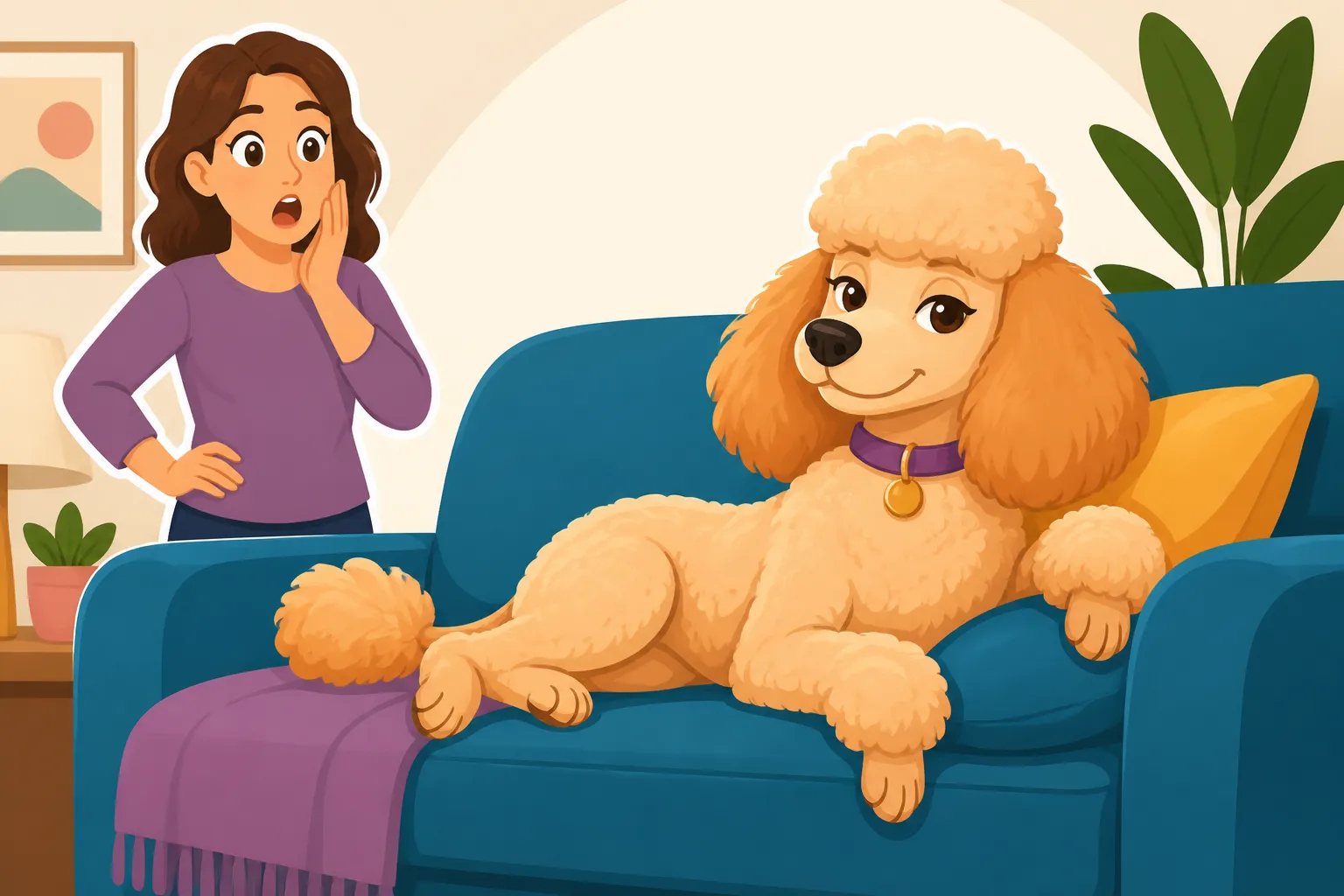
It's a familiar scene in many Poodle-loving homes: you settle down for a quiet evening, and before you know it, your clever Poodle has not just joined you, but has effectively claimed prime real estate on the sofa. This isn't just about sharing space; it can quickly become a battle of wills, or worse, lead to resource guarding issues. This guide is here to help you understand why your Poodle might be staking a claim on the couch, how to identify the subtle and not-so-subtle signs, and most importantly, how to establish clear boundaries that allow for harmonious cohabitation without sacrificing your beloved Poodle's comfort or your own.
Understanding Why Your Poodle Claims the Sofa
It might seem like a simple act of comfort, but a Poodle claiming the sofa often stems from a combination of their innate intelligence, desire for closeness, and how they perceive their place within the household. It's rarely malicious; it's just very Poodle.
The Poodle's Natural Inclination for Comfort
Let's be honest, Poodles are smart cookies, and they appreciate the finer things in life, which absolutely includes a plush, soft sofa over a hard floor or even a perfectly good dog bed. They're not just looking for any place to rest; they're looking for the best place. Our sofas, with their inviting cushions and human scents, are often the epitome of comfort in a Poodle's world. Think about it from their perspective: why lie on the floor when there's a cloud-like structure right next to their favorite person? Their keen intellect means they quickly identify and gravitate towards the most desirable spots, and the sofa almost always wins that contest. It’s a perfectly logical conclusion for a dog that is as intelligent as a Poodle to seek out the softest, warmest, most comfortable spot in the house, especially when that spot is also where all the interesting things happen.
Poodles and Their "Velcro Dog" Tendencies
Poodles are renowned for being "Velcro dogs" – they adore their people and often want to be as close to them as possible, literally sticking by their side. This intense desire for companionship means that if you're on the sofa, they want to be on the sofa with you. It’s a physical manifestation of their deep bond and affection. For many Poodles, being in close physical contact with their human isn't just about comfort; it's about feeling secure, loved, and connected. The sofa becomes the ultimate bonding zone. If you've ever wondered Why a Poodle Picks One Person, you'll know that their loyalty runs deep, and often that means wanting to share every moment, and every surface, with that chosen person. This isn't necessarily a bad thing, but it certainly explains why they're so drawn to sharing your personal space.
Learning and Reinforcement: How the Sofa Becomes "Theirs"
Dogs are brilliant at learning what behaviors get them what they want. If your Poodle jumps on the sofa, and you pet them, talk to them sweetly, or even just tolerate it, you’ve just given them a reward. Over time, this consistent (even if unintended) reinforcement teaches them that the sofa is a perfectly acceptable place to be, and perhaps even their place. It starts subtly, maybe with a puppy allowed on for cuddles, and then gradually, that occasional privilege morphs into an assumed right. They learn the routine, they understand the unspoken rules (or lack thereof), and they'll exploit every loophole. What began as an innocent snuggle session can quickly become a firmly established habit, making it much harder to change later on. It's a classic example of how our actions, however small, shape our dog's understanding of boundaries.
Identifying the Signs of Sofa Ownership
Before you can address the issue, you need to be able to recognize when your Poodle is simply enjoying the sofa and when they're actively asserting ownership. The signs can range from barely noticeable nudges to outright defiant behavior.
Subtle Cues: From Head Rests to Body Language
Poodles are masters of subtle communication, and they often start with low-key attempts to claim space. You might notice them slowly expanding their footprint on the cushion, perhaps starting with just their head resting on your lap, then gradually shifting their entire body to take up more room. A deep sigh as they settle, almost as if saying "Ah, finally, my spot," can be a subtle declaration. They might also give you "the look" – a soulful gaze that seems to dare you to move them. Observing their Reading a Poodle's Body Language can give you great insight. Are their ears slightly back, indicating comfort and contentment, or is there a stiffness that suggests a more possessive stance? Pay attention to these nuanced signals; they're often the first indicators that your Poodle sees the sofa as more than just a shared space.
Overt Behaviors: Growling, Snapping, or Refusing to Move
This is where things can become more serious and require immediate attention. If your Poodle growls, stiffens, or even snaps when you try to move them off the sofa, or when someone else approaches their chosen spot, you're likely dealing with resource guarding. This isn't about dominance in the old-fashioned sense, but often a fear-based response to losing something they value (in this case, the prime sofa spot). They might dig in their heels, literally refusing to budge, or emit a low rumble that escalates if you persist. These are clear, unmistakable signals that your Poodle believes they have a right to that space and are willing to defend it. Understanding When a Poodle's Growl Needs a Behaviorist is crucial here, as ignoring these overt signs can lead to escalating aggression.
The "Guard Dog" Mentality on the Couch
Beyond simple comfort, some Poodles develop a "guard dog" mentality when they're on the sofa. They might perk up, become hyper-vigilant, and bark at every sound or movement outside, far more intensely than if they were on the floor. This isn't just general alertness; it's a territorial defense of their perceived high-value resting place. They see the sofa as their castle, and they're the loyal (if slightly overzealous) sentinels. This behavior can be particularly problematic if you have children or frequent guests, as the Poodle might perceive anyone approaching the sofa as a threat to their claimed territory. It shifts from a desire for comfort to an active role in "protecting" what they believe is theirs.
Strategies for Reclaiming Your Furniture
Reclaiming your sofa doesn't mean banishing your Poodle forever; it means establishing clear rules and offering suitable alternatives. It’s about teaching them where they are welcome, and under what conditions.
Establishing Clear Boundaries and Consistent Rules
The golden rule for any dog training is consistency, and it's doubly important when it comes to furniture privileges. Every single person in the household must adhere to the same rules, every single time. If one person allows the Poodle on the sofa and another doesn't, you're sending mixed signals that confuse your dog and undermine your efforts. Decide: Is the sofa completely off-limits? Is it "invitation only"? Or are certain designated spots allowed with a special blanket? Once you've decided, enforce it diligently. Use management tools like baby gates to block access when you're not there to supervise, especially during the initial training phase. Remember, dogs thrive on predictability, so a clear "yes" or "no" policy will make it much easier for your Poodle to understand what’s expected of them.
Providing High-Value Alternatives
You can't just tell a Poodle "no" without offering a "yes" that's equally appealing. This means investing in high-quality, comfortable, and strategically placed dog beds that your Poodle will genuinely prefer. Think memory foam, orthopedic support, and soft, washable covers. Place these beds in key areas where you spend time – next to your spot on the sofa, in the living room, or your home office. The goal is to make their designated sleeping areas so irresistible that they choose them over the sofa. Many excellent options are available from retailers like Amazon, so you can find something that truly provides luxurious comfort. Consider having several beds around the house so they always have a great alternative, no matter where you are.
Positive Reinforcement for "Off" and "Place" Cues
Training your Poodle to get "off" the sofa and go to their "place" (their bed) is fundamental. Start by luring them off the sofa with a high-value treat, saying "Off," and then immediately rewarding them once all four paws are on the floor. Practice this repeatedly. Once they understand "Off," introduce the "Place" cue. Lead them to their bed, say "Place," and reward them heavily for lying down on it. Gradually increase the duration they stay on their place before rewarding. This teaches them that wonderful things happen when they go to their designated spot. Online training programs, such as those offered by BAXTER & Bella, can provide structured lessons and support for teaching these foundational cues effectively, helping you with everything from Fading Rewards With a Quick-Learning Poodle to increasing duration. Make their "place" a rewarding experience, not a punishment.
Managing Resource Guarding on the Sofa
If your Poodle's sofa claim has escalated to growling or snapping, you're dealing with resource guarding, and this requires a more careful, nuanced approach than simply telling them "off." It's essential to understand the underlying reasons and apply appropriate training.
Understanding the Roots of Guarding Behavior
Resource guarding, at its core, is often a defensive behavior driven by fear – the fear of losing a valued item or space. It's rarely about a dog trying to be "dominant" or control you. When a Poodle growls over a sofa spot, they're communicating that they feel threatened or insecure about someone taking it away. This instinct can stem from early experiences, genetics, or a lack of clear boundaries and trust. They've learned that aggressive displays keep people (or other pets) away from their perceived treasure. It’s a natural, albeit problematic, coping mechanism. Understanding this shifts your approach from confrontation to compassionate management and retraining, focusing on building trust rather than asserting dominance.
The "Trade Up" Game: Building Positive Associations
If your Poodle is guarding the sofa, never physically force them off. This can escalate the situation and damage your bond. Instead, employ the "trade up" game. Approach your Poodle while they're on the sofa, toss an extremely high-value treat away from the sofa, and as they go to get it, say "Off." Once they're off, casually place one of their comfortable beds in the spot they were guarding, and then invite them to their bed with another treat. The goal is to create a positive association: moving off the sofa means something better is coming. This is not about taking something away, but about offering a superior exchange. Repeat this often, gradually reducing the reliance on the treat toss as they learn the pattern. The key is to make every interaction a positive reinforcement of leaving the sofa willingly.
When Professional Help is Essential
If your Poodle exhibits growling, snapping, or any signs of aggression when guarding the sofa, it's absolutely crucial to seek help from a certified professional dog trainer or a veterinary behaviorist. These behaviors are not something to "tough out" or try to fix with amateur methods, as you could inadvertently make the problem worse or put yourself or others at risk. A qualified professional can assess the specific triggers for your Poodle's guarding behavior, help you develop a safe and effective management plan, and guide you through behavior modification techniques. They can also ensure that any underlying medical conditions aren't contributing to the behavior. Remember, Finding a Trainer Who Uses No Force on a Poodle is paramount, as harsh methods can severely damage a sensitive Poodle's trust and escalate aggression.
Preventing Future Sofa Takeovers
Once you've addressed existing issues, prevention is key to ensuring your Poodle doesn't return to their sofa-claiming ways. This involves proactive training, meeting their needs, and creating appealing alternatives.
Proactive Training from Puppyhood
The easiest way to manage sofa privileges is to start early. When you bring home a Poodle puppy, decide on your furniture rules from day one and stick to them. If you don't want them on the sofa as an adult, then never let them on as a puppy, no matter how cute they are. If "invitation only" is your rule, then teach them to wait for an invitation, and always have them get off when asked. This early consistency sets the foundation for a well-behaved adult Poodle. Enroll in Puppy Class Fees for a Fast-Learning Poodle to get a head start on foundational cues and socialization, which will contribute to a well-adjusted dog less likely to develop problematic behaviors. Establishing these clear boundaries from the outset is far easier than trying to undo ingrained habits later on.
Ensuring Your Poodle's Needs Are Met (Exercise & Mental Stimulation)
A tired Poodle is a good Poodle! Poodles, regardless of size, are intelligent and energetic dogs that require both physical exercise and significant mental stimulation. A Poodle that isn't getting enough enrichment can become bored, frustrated, and more likely to engage in undesirable behaviors, including fixating on high-value resources like the sofa. Ensure your Poodle has regular walks, playtime, and engaging puzzle toys. Incorporate training sessions, scent work, or even dog sports to keep their clever minds active. Understanding the Daily Work for a Poodle's Body and Mind is crucial for preventing a myriad of behavioral issues. When their needs are adequately met, they're more content to relax in their own space rather than constantly seeking out yours.
Creating a Designated "Poodle Zone"
Beyond just a dog bed, consider creating an entire "Poodle Zone" – a space that is exclusively theirs and is even more appealing than the sofa. This could be a comfortable crate (if they are crate trained and enjoy it), a plush dog bed in a quiet corner, or even a section of the room with their favorite toys and blankets. Ensure this zone is safe, comfortable, and away from high-traffic areas if your Poodle prefers peace. The size of this area should be appropriate; understanding Crate Size for Each Poodle Variety can help you determine the right dimensions for a comfortable space. By making this designated area a haven, you give them a positive alternative and reinforce the idea that they have their own wonderful spot, reducing their perceived need to claim yours.
Living Harmoniously with a Sofa-Loving Poodle
Ultimately, the goal isn't to create a rigid, unhappy environment, but to find a balance where everyone, Poodle included, feels comfortable and respected. There are ways to share without giving up control.
Finding a Compromise: Blanket Zones and Invitation Only
For many Poodle owners, a complete ban on sofa access feels too harsh. A compromise can work beautifully. One popular strategy is the "blanket zone." Designate a specific blanket or throw that, and only that, allows your Poodle onto the sofa. If the blanket isn't there, neither is the Poodle. This clearly defines their permitted space and protects your furniture. Another approach is "invitation only." Your Poodle is only allowed on the sofa when you explicitly invite them, perhaps with a pat on the cushion and a verbal cue like "Up." This maintains your control over the space while still allowing for cherished cuddle time. Whatever compromise you choose, the key is consistency and clear communication.
Respecting Your Poodle's Space (Even on Your Sofa)
Even if you've established clear rules, it's vital to respect your Poodle's need for personal space, especially when they are resting. If your Poodle is allowed on the sofa, even on a blanket, avoid startling them awake or crowding them unnecessarily. While you are the leader of the pack, a gentle approach builds trust and reduces the likelihood of defensive behaviors. If you need them to move, use your "Off" cue rather than physically pushing them. Always give them an easy escape route or space to shift if another person sits down. This respectful interaction reinforces their security and helps them feel safe, which, in turn, makes them less likely to guard their spot.
The Enduring Bond: Why Sofa Snuggles Are So Tempting
Let's face it, one of the greatest joys of having a Poodle is their loving, affectionate nature. The temptation to snuggle up with them on the sofa is strong, and it’s a beautiful way to strengthen your bond. Poodles are known for How a Poodle Shows Affection, and sharing a cozy spot is definitely high on their list. The aim of managing sofa access isn't to eliminate these moments, but to ensure they happen on your terms, safely and respectfully. By understanding their motivations, establishing clear rules, and providing great alternatives, you can enjoy all the wonderful snuggles without the accompanying behavioral challenges. It's about finding that sweet spot where both you and your Poodle can relax and enjoy each other's company, whether that's on the sofa or in their luxurious designated "Poodle Zone."
Disclaimer
This article is for general informational purposes only and does not constitute professional advice. Laws, prices and regulations vary by location and change over time. Consult a qualified professional for guidance on your specific situation.