Why a Poodle Shuts Down When Scolded
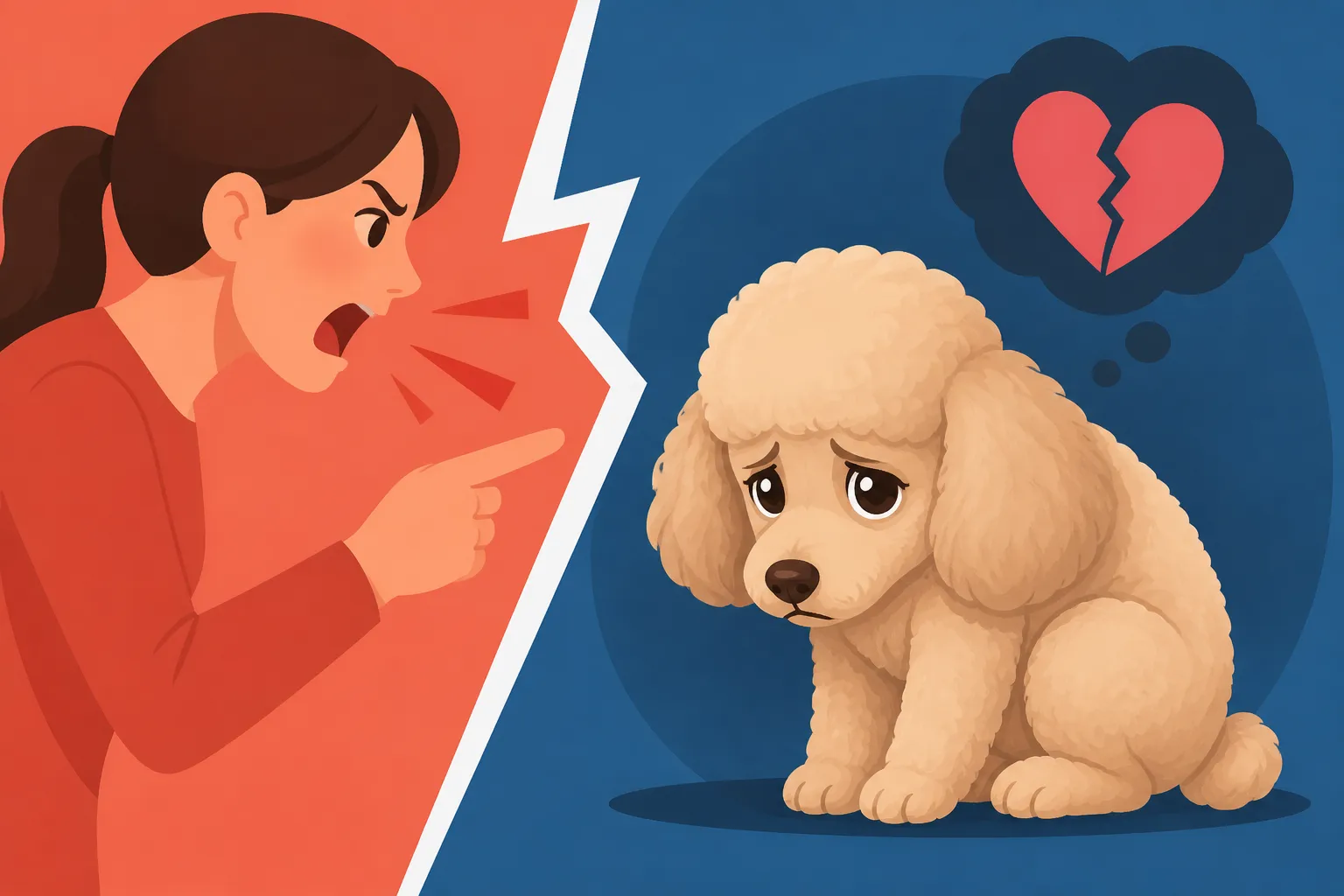
It’s a scenario many Poodle owners know all too well: you correct your furry friend for something minor, maybe a bit too sternly, and instead of just moving on, they completely deflate. Their tail tucks, their head lowers, their eyes dart away, and they might even slink into another room, refusing to engage. This isn't just a moment of sadness; it's a deep shutdown that leaves you feeling confused and, let's be honest, a little heartbroken. This guide will explore why Poodles react this way to scolding and offer more effective, Poodle-friendly approaches to training and guidance.
The Poodle's Innate Sensitivity: More Than Just a "Smart" Dog
Poodles are renowned for their intelligence, often ranking among the smartest dog breeds. But this sharp intellect comes hand-in-hand with a profound sensitivity that shapes how they perceive and react to the world, especially to human emotions and corrections. What might be a mild rebuke to another dog can be a significant emotional blow to a Poodle.
A Highly Attuned Intellect
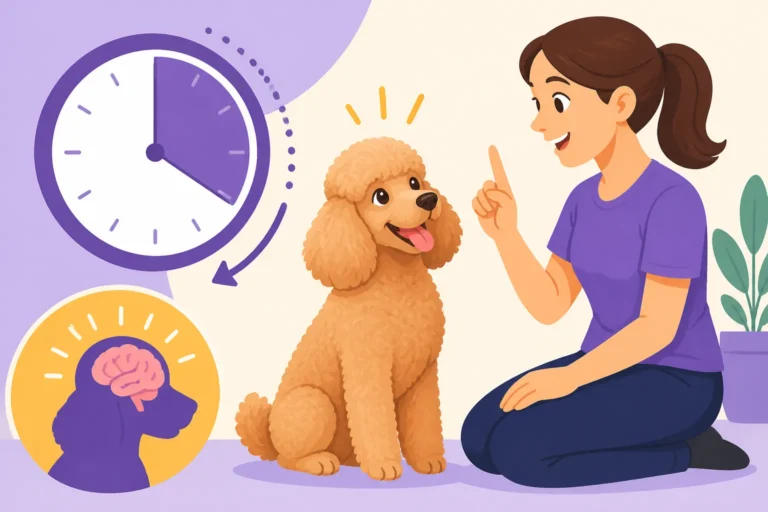
Poodles are quick studies, capable of Why Poodles Learn a Cue in Five Repetitions and understanding complex commands. This high level of intelligence means they are constantly observing, processing, and interpreting the world around them, including your subtle cues. They pick up on shifts in your tone, your body language, and even your facial expressions far more acutely than many other breeds. This isn't just about understanding words; it's about understanding the emotion behind those words. If your voice tightens, your shoulders tense, or your brow furrows, a Poodle notices. They can tell when you're genuinely pleased, slightly annoyed, or deeply frustrated, and they react accordingly. This makes them incredibly intuitive companions, but it also means they are exquisitely vulnerable to negative feedback. They are exceptional at Why Poodles Read People So Well, which means they're also excellent at reading your displeasure.
The Emotional Sponge Effect
Think of your Poodle as an emotional sponge, soaking up the atmosphere of your home and the moods of its inhabitants. They are often described as "Velcro dogs" precisely because they are so bonded to their people, thriving on connection and harmony. When that harmony is disrupted by a scolding, even a light one, it can feel amplified to them. They don't just register your displeasure; they feel it deeply. This isn't necessarily a flaw in their character; it's part of what makes them such devoted and empathetic companions. However, it also means that harsh words or strong disapproval can trigger a profound emotional response, causing them to withdraw and seek to escape the negative energy.
The Impact of Human Tone and Body Language
It's a common misconception that dogs only understand the words we use. For Poodles, the how of your communication is often far more important than the what. A sharp, loud tone, even if the words themselves aren't explicitly angry, can be jarring and frightening. Similarly, sudden, aggressive body language – a pointed finger, leaning over them, or stepping quickly towards them – can be perceived as threatening. These actions, combined with a stern voice, tell a sensitive Poodle that they have done something terribly wrong and that the person they love and trust is upset with them. This isn't about manipulation or "sulking" on their part; it’s a genuine reaction to perceived emotional or physical threat, leading to a desire to de-escalate the situation by making themselves small and unresponsive.
What "Shutting Down" Actually Looks Like in a Poodle
When a Poodle "shuts down," it's more than just looking a bit sad. It's a complex behavioral response that owners need to understand to avoid misinterpreting and exacerbating the situation. It’s often a coping mechanism, not a sign of stubbornness.
Beyond Simple Sadness: A Freeze Response
For many Poodles, shutting down after a scolding is a variation of the "fight, flight, or freeze" response. Given their temperament, fighting is rare, and fleeing might involve simply retreating to another room. More commonly, they "freeze." This manifests as a complete cessation of activity, often accompanied by very specific body language. Their head might lower, their ears might pin back, and their eyes often dart away or avoid direct eye contact. Their body language becomes very subdued, almost as if they are trying to disappear. They might stand still, move very slowly, or lie down, making themselves as small and non-threatening as possible. This is their way of trying to appease you and make the negative interaction stop. It's a key difference from just being "sad" or Whether Poodles Sulk; it's a more profound behavioral halt. Understanding Reading a Poodle's Body Language is crucial here, as these subtle cues speak volumes.
The Short-Term and Long-Term Effects
In the short term, a Poodle who has shut down will likely refuse to engage further. They won't respond to commands, won't play, and might even decline treats. This is often frustrating for owners who want their dog to "get over it," but the Poodle is still processing the emotional impact.
Over the long term, repeated harsh scolding can have much more damaging consequences. It can severely erode the trust between you and your Poodle. They might become generally more anxious, timid, or hesitant to approach you or try new things, fearing another negative reaction. A Poodles' inherent eagerness to please can be stifled, leading to a dog that's less confident and more prone to anxiety. They might even start avoiding you when you call them, or show signs of fear when you raise your voice, even if it's not directed at them. This chronic stress can also manifest in physical ways; for example, a sensitive Poodle might be more prone to Why a Sensitive Poodle Hides Illness to avoid drawing attention to themselves, making it harder to spot health issues.
Why Traditional Scolding Backfires with a Poodle
Traditional disciplinary methods that rely on verbal reprimands, shouting, or physical corrections are particularly ineffective, and often damaging, when used with a Poodle. Their intelligence and sensitivity mean they process these interactions very differently from what an owner might intend.
Learning Through Positive Reinforcement, Not Punishment
Poodles, like most intelligent dogs, learn best through clear, consistent positive reinforcement. This means rewarding desired behaviors so they are more likely to be repeated. When you scold a Poodle, especially loudly or harshly, you're not actually teaching them what to do. Instead, you're creating a strong negative association, often with you or the general situation, rather than the specific unwanted behavior. A Poodle might stop the behavior you're scolding them for, but only because they fear your reaction, not because they understand why it was "wrong" in a human sense.
For example, if your Poodle jumps on the counter and you loudly scold them, they might learn not to jump when you are present. But the moment you turn your back, they might try again, because they haven't learned an appropriate alternative behavior, only to avoid your anger. This lack of clear instruction, coupled with fear, is precisely Why Harsh Handling Breaks a Poodle. It breaks down their willingness to offer behaviors and experiment, which is crucial for a Training a Poodle That Outthinks You.
Creating a Cycle of Anxiety and Avoidance
When a Poodle shuts down, they're not contemplating their actions or feeling remorse. They are primarily experiencing fear, confusion, and anxiety. They are trying to make the perceived threat (your anger) go away. If scolding is a regular part of your interaction, your Poodle can become perpetually anxious, constantly trying to predict when they might incur your displeasure. This creates a deeply insecure dog.
This anxiety can lead to avoidance behaviors, where your Poodle tries to steer clear of situations or even people they associate with negative experiences. They might become hesitant to come when called, or hide when you get their leash out, if past walks involved scolding. This not only hinders training but also damages the bond you share. Rebuilding trust once it's been fractured by repeated negative interactions can be a long and challenging process, as explored in Rebuilding Trust With a Frightened Poodle. Instead of fostering learning, scolding inadvertently fosters a cycle of anxiety and avoidance, making your Poodle less responsive and less confident.
| Reaction | Interpretation by Owner (Traditional View) | Poodle's Likely Internal Experience |
|---|---|---|
| Averted Gaze | "They're being stubborn/disrespectful." | "I am trying to appease you and avoid conflict." |
| Tucked Tail | "They know they did wrong." | "I am feeling fearful and submissive." |
| Hunched Body | "They're looking guilty." | "I am trying to make myself smaller and non-threatening." |
| Retreating | "They're sulking." | "I am removing myself from perceived threat." |
| Refusal to Engage | "They're being defiant." | "I am too overwhelmed/anxious to respond or interact." |
| Quietness | "They're ashamed." | "I am freezing due to fear/stress." |
Rerouting Your Approach: Effective Poodle Guidance
Understanding your Poodle's sensitivity means adjusting your approach to training and corrections. The goal isn't to let your Poodle get away with anything, but to guide them effectively in a way that builds trust and confidence, rather than eroding it.
Interruption and Redirection: The Poodle-Friendly Method
Instead of reacting with anger or a loud "NO!", the most effective strategy with a sensitive Poodle is timely interruption followed by calm redirection. If you catch your Poodle in the act of an undesirable behavior, use a neutral, calm sound to interrupt them – a gentle clap, a soft "oops," or simply standing up to break their focus. The key is not to use a harsh tone. The moment they stop the unwanted behavior, immediately redirect them to something appropriate.
For instance, if your Poodle is chewing on the leg of your favorite chair, gently interrupt them, then immediately present them with an appropriate chew toy. As soon as they take the toy, offer enthusiastic praise ("Good job! Yes!"). This teaches them what is acceptable, rather than just what isn't, and associates positive feelings with making the right choice. This method works wonders for Poodles who are eager to please but need clear, gentle guidance. You can find many durable and engaging chew toys, especially for Poodles who enjoy a good challenge, on Amazon.
The Power of Praise and Clear Communication
Poodles flourish with positive reinforcement. Make an effort to catch your Poodle doing something right and praise them lavishly. When they lie quietly, come when called, or settle nicely, let them know how happy you are. Use happy, encouraging tones and a cheerful demeanor. This builds their confidence and strengthens your bond.
When you need to correct, keep your voice calm and even. If your Poodle is doing something you don't want, use a firm but not angry voice to interrupt, and then immediately guide them to the correct behavior. For instance, if they're about to jump on a visitor, calmly say "Off!" and immediately ask for a "Sit," rewarding them the moment their rear touches the ground. Consistency is also key: everyone in the household needs to use the same cues and expectations. Programs like BAXTER & Bella offer structured, positive-reinforcement-based training that aligns perfectly with a Poodle's sensitive nature, providing tools and techniques for clear communication without harshness. Remember to be mindful of Fading Rewards With a Quick-Learning Poodle as they become proficient.
Managing the Environment for Success
Much of what we perceive as "bad behavior" in Poodles can be prevented through effective environmental management. This proactive approach sets your Poodle up for success and reduces the need for correction altogether.
Poodle-proof your home by keeping tempting items out of reach. Use baby gates to restrict access to certain rooms when you can't supervise directly. Crates, when introduced positively, can be invaluable tools for safe containment and teaching appropriate downtime. Providing plenty of mental and physical exercise is also paramount. A bored Poodle is a Poodle looking for trouble. Engage their brilliant minds with puzzle toys, scent games, and training sessions. Keeping a Poodle Mind Occupied with activities that challenge them will lead to a happier, better-behaved companion. Offer regular walks and playtime suitable for their size and energy level, whether it's a brisk walk for a Standard or an engaging indoor game for a Toy. This proactive approach minimizes opportunities for unwanted behaviors, reducing your frustration and your Poodle's exposure to corrections.
Disclaimer
This article is for general informational purposes only and does not constitute professional advice. Laws, prices and regulations vary by location and change over time. Consult a qualified professional for guidance on your specific situation.