Why a Poodle Follows You to the Bathroom
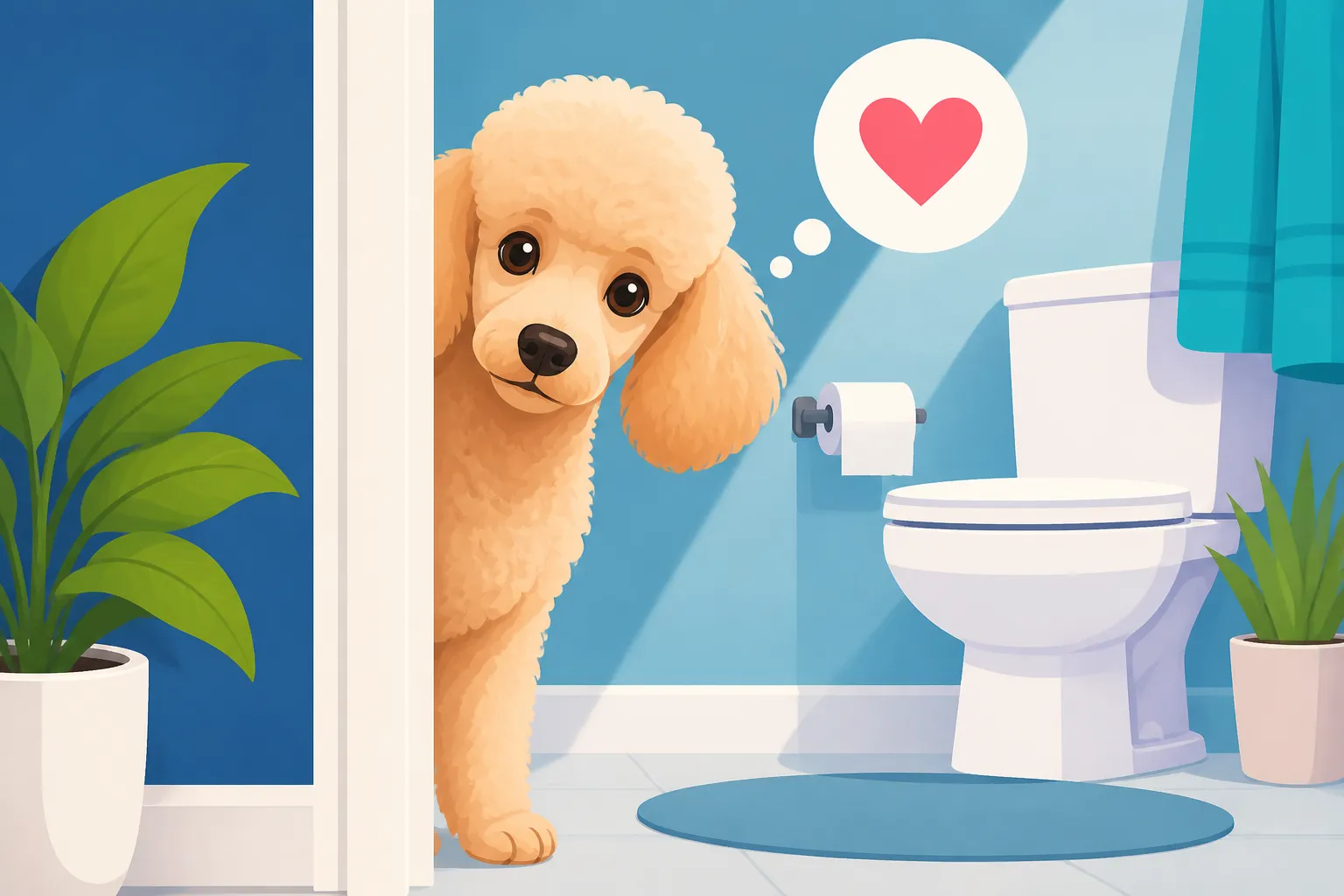
It's a familiar scene for many Poodle owners: you stand up to head to the restroom, and before you've taken two steps, your Poodle is right there, a furry shadow, determined to accompany you. This constant companionship, even during private moments, can be both sweet and a little perplexing, making you wonder just why your Poodle feels the need to join every single bathroom break. This guide will explore the deep-seated reasons behind this common Poodle behavior and offer practical, empathetic ways to understand and gently manage your devoted companion's clinginess.
The Poodle's Innate Drive for Proximity
Poodles, regardless of their size, are renowned for their intelligence and their strong desire to be close to their human companions. This isn't just a quirky trait; it's often rooted in their history and inherent temperament. They are not merely pets; they are partners, and they take that role very seriously, even when you're just stepping out of the living room.
The Poodle's Pack Mentality
Dogs, by nature, are pack animals, and your household is their pack. Within this structure, they look to you, their human, as a central figure, a provider of safety, food, and affection. For a Poodle, this pack bond is incredibly strong. They thrive on connection and often feel a primal need to know where their pack leaders are at all times. When you get up and move to another room, especially one that temporarily closes you off, it can trigger a natural instinct to follow and maintain that crucial connection. They're not being nosy; they're simply adhering to their deeply ingrained social structure.
Consider a wild canine pack: members rarely wander off alone without purpose. There's a constant awareness of each other's location for safety and cohesion. Your Poodle is applying this ancient blueprint to your modern home. When you disappear behind a closed door, from their perspective, you've momentarily left the "pack," and their instinct kicks in to re-establish that bond. This can be particularly true for Poodles who are highly sensitive and attuned to your presence, as they might feel a greater need to stay physically connected to you. Poodle Temperament and Sensitivity is a key factor here; their refined emotional radar means they often react more intensely to perceived separations, no matter how brief.
A History of Close Partnership
Poodles were not bred to be solitary working dogs. Their origins trace back to water retrieving, where they worked closely alongside hunters, fetching downed birds. This required a high degree of attentiveness, trainability, and a desire to please their human handler. Over centuries, as they transitioned from working dogs to beloved companions and even performers, this close partnership was amplified. They learned to observe human cues, anticipate needs, and form profound bonds.
This historical context means that the Poodle breed inherently values human companionship. They are accustomed to being involved in their human's activities, no matter how mundane they might seem to us. Whether it was retrieving ducks from icy waters or performing intricate tricks in a circus, their role always involved a direct, interactive relationship with a person. So, following you to the bathroom isn't just a random act; it's an echo of generations of Poodles who have learned that being close to their human leads to engagement, purpose, and reinforcement. It's a testament to how deeply ingrained this desire for interaction and partnership truly is within the breed.
Seeking Reassurance and Proximity
Sometimes, the constant following is less about a deep pack instinct and more about a learned behavior for seeking comfort and reassurance. Poodles are intelligent, and they quickly learn patterns. If following you has, even inadvertently, led to positive attention—a quick pat, a gentle word, or simply the comfort of your presence—they'll continue the behavior. They know that your proximity often means good things, whether it’s a cuddle, a meal, or a walk.
Moreover, if your Poodle has ever experienced moments of anxiety or uncertainty, your presence acts as a powerful anchor. A loud noise, an unfamiliar visitor, or even just a change in routine can make a sensitive Poodle feel a little off-kilter. In these moments, staying close to you, their protector and comforter, is a natural coping mechanism. They might not consciously think, "I need reassurance," but their behavior reflects a deep-seated desire for the safety and stability your presence provides. It's a subtle form of communication, letting you know they feel most secure when you're within reach. For many Poodles, being in the same room is simply their default setting for feeling content and safe.
Decoding Your Poodle's Bathroom Cues
Understanding why your Poodle follows you is the first step, but it's also important to discern what specific need they're expressing. Is it just a habit, or is there something more? Poodles are masters of subtle communication, and by paying close attention, you can often pinpoint the exact message they're trying to convey.
Distinguishing Simple Curiosity from Deeper Needs
Often, your Poodle's bathroom escort service is nothing more than simple curiosity or a mild case of FOMO (Fear Of Missing Out). They see you move, and their intelligent brain immediately wonders, "What's happening? Is it something fun? Can I be part of it?" This is particularly true for Poodles who are always on alert for mental engagement, as their bright minds require constant stimulation. Keeping a Poodle Mind Occupied is vital; if they're under-stimulated, any activity you undertake, including going to the bathroom, becomes an intriguing event they want to investigate.
However, sometimes the following behavior hints at a deeper need. If your Poodle seems agitated when you close the door, paws at it, whines, or shows signs of distress, it could be more than just curiosity. It might be a nascent sign of separation-related anxiety. On the other hand, if they simply lie down outside the door and wait patiently, that's likely just companionship. If they nudge your hand for a pet, it's a desire for connection. A good way to gauge this is to consider their overall demeanor. Are they relaxed, or are they tense? Does the behavior intensify when you leave the house, or only for short trips to the bathroom? This distinction is crucial for deciding how to address the behavior.
Observing Subtle Body Language
Your Poodle's body language is a rich tapestry of communication, and interpreting it can tell you a lot about their motivation for following you. A Poodle that follows with a loose, wagging tail, relaxed ears, and soft eyes is likely expressing happy companionship or simple curiosity. They might sit or lie down calmly near the bathroom door, content just to be in your vicinity. They're not panicking; they're just participating in your orbit. This relaxed posture suggests they're comfortable and simply enjoy being near you.
Conversely, a Poodle exhibiting signs of stress or anxiety will show a very different set of cues. Look for a tucked tail, flattened ears, wide or darting eyes, excessive licking of lips, yawning (not out of tiredness), panting, or even pacing. They might whine, bark softly, or paw at the door. If your Poodle seems genuinely distressed by your momentary absence, even just into the bathroom, it's a sign that their attachment might be leaning into anxiety rather than mere companionship. Understanding Reading Pain in a Sensitive Poodle can help here, as emotional discomfort often manifests in physical ways. This is an important distinction to make because it guides your response; what works for a curious Poodle won't be enough for an anxious one.
The "Velcro" Trait Versus Demanding Behavior
Poodles are often affectionately called "Velcro dogs" because of their tendency to stick close to their owners. This trait is generally positive, reflecting a deep bond and loyalty. It means they love being with you, sharing your space, and feeling connected. When this is the case, your Poodle simply wants to be where you are, and their presence at the bathroom door is a natural extension of that desire for togetherness. They're not demanding anything specific; they're just being. The Poodle That Follows You Everywhere article dives deeper into this endearing quality.
However, sometimes this "Velcro" trait can edge into demanding behavior if not gently managed. If your Poodle barks insistently, scratches at the door, or prevents you from closing it without a fuss, they might have learned that these actions get your attention or prevent your temporary disappearance. They've figured out that their actions can control the situation, and an intelligent Poodle can quickly learn these kinds of shortcuts. Why a Poodle Invents Its Own Shortcuts is a common challenge for owners. While it's a testament to their intelligence, it's a behavior that needs gentle redirection to ensure they understand boundaries and can cope when you're not immediately available. It's about teaching them that your absence isn't a cue for panic or demand, but simply a part of daily life.
Practical Strategies for Managing the Bathroom Shadow
While your Poodle's devotion is heartwarming, there are times when you might need a little personal space. The good news is that with consistent, gentle training, you can teach your Poodle to be comfortable with your brief absences, even to the bathroom, without diminishing your special bond. It's all about clear communication and building their confidence.
Gentle Redirection and Boundary Setting
Instead of scolding your Poodle for following you, which can be counterproductive for such a sensitive breed (remember Why Harsh Handling Breaks a Poodle), focus on positive redirection and setting clear, calm boundaries. As you head towards the bathroom, before they even get up, you can offer them an engaging alternative. Give them a long-lasting chew toy or a puzzle feeder filled with a treat. This creates a positive association with staying behind. You might say something like, "Stay," or "Wait," and then gently close the door.
When you return, if they've stayed put, offer calm praise and a small reward. The key is to make staying behind a more rewarding experience than following. You can also use a baby gate to create a temporary boundary at the bathroom door. Products available on Amazon, like a sturdy pet gate, can be invaluable for this. They can still see you and know you're nearby, but they learn that they cannot physically enter that space. This visual connection often eases their minds while you establish the boundary, slowly teaching them that your temporary absence is nothing to worry about. Consistency is paramount here; everyone in the household needs to reinforce the same rules.
Fostering Independent Play and Space
A Poodle who is overly reliant on your constant presence for entertainment or comfort might struggle more with your bathroom trips. Encourage independent play by providing engaging toys that can hold their interest when you're busy. Interactive puzzle toys, snuffle mats, or a KONG filled with peanut butter are excellent choices. Hide these toys in their designated "spot" before you leave, so they associate your departure with a fun, solitary activity. This helps shift their focus from you to an enjoyable personal activity.
Create a specific, comfortable space where your Poodle can relax and feel secure, even when you're not right next to them. This could be their crate (if they are properly Crate Training a Poodle That Wants Company), a special dog bed in a quiet corner of the living room, or a mat. Encourage them to use this space by offering treats and praise when they settle there. The goal is for them to learn that this spot is their personal retreat, a place where they can be calm and content on their own. Practice sending them to their "spot" before you briefly leave the room, gradually increasing the duration of your absence. This builds their confidence in being alone, even for short periods.
Creating a "Safe Haven" for Your Poodle
Beyond just a comfortable bed, a "safe haven" is a place where your Poodle feels completely secure and relaxed, knowing they are not expected to be "on duty" or constantly attentive to your movements. This is especially helpful if your Poodle is prone to anxiety or just benefits from having a predictable, calm retreat. This area should be out of the main thoroughfare of the house, perhaps a quiet corner of a room, a den, or even a properly introduced crate. The idea is to create an environment where they can truly decompress.
You can enhance this safe haven with calming elements. Consider a comfortable, orthopedic bed, a blanket that smells like you, or even a white noise machine or calming music. Puzzle toys or long-lasting chews can be introduced here to create a positive association. Before you head to the bathroom, calmly direct your Poodle to their safe haven with a treat. The idea is not to banish them, but to empower them with a choice to relax independently. Over time, they will learn to associate this space with peace and security, making your brief departures less impactful. Tools like pet cameras, readily available on Amazon, can also help you observe their comfort levels in this space when you're out of sight, providing valuable insights into their progress.
When Bathroom Following Signals a Bigger Concern
While often a sign of affection, a Poodle's relentless shadowing can sometimes cross the line into more concerning territory, particularly if it's accompanied by distress. It's important to differentiate between a "Velcro dog" and a Poodle struggling with genuine anxiety when left alone, even for a moment.
Recognizing Early Signs of Separation Anxiety
If your Poodle's bathroom-following is paired with other signs of distress, it might be an early indicator of separation anxiety. This is more than just wanting to be with you; it's a profound inability to cope with your absence. Common symptoms include persistent whining, barking, or howling when you're out of sight, even for a moment. You might notice destructive chewing, scratching at doors, or attempts to escape their confinement. Urinating or defecating indoors, despite being house-trained, can also be a sign. Separation Anxiety in a Velcro Poodle explores this issue in depth.
These behaviors aren't about being "naughty"; they are panic responses. A Poodle suffering from separation anxiety isn't trying to be difficult; they are genuinely terrified of being alone. Even your quick trip to the bathroom can trigger this intense fear because, from their perspective, you have vanished, and they don't know if or when you'll return. Pay close attention to the intensity and consistency of these behaviors. If they escalate over time or happen every single time you leave, even momentarily, it’s a strong signal that your Poodle needs more focused intervention.
The Importance of Mental Stimulation
An under-stimulated Poodle, regardless of their size, is a Poodle more likely to develop behavioral issues, including excessive clinginess or anxiety. Poodles are highly intelligent and need their minds to be challenged daily. A bored Poodle will often create its own "job," which might involve shadowing you every second, demanding attention, or engaging in destructive behaviors. A simple walk around the block often isn't enough to satisfy their keen intellect.
Regular mental exercise, such as obedience training, puzzle toys, scent work games, or learning new tricks, can significantly reduce their need to constantly monitor your movements. If their brain is busy working on a problem or enjoying an engaging activity, they'll be less focused on your whereabouts. Think of it as diverting their powerful mental energy into productive channels rather than letting it fester into anxiety. Incorporating puzzle feeders, readily available on Amazon, for their meals can also turn eating into a stimulating activity. You might also find resources on BAXTER & Bella that offer online classes or ideas for engaging your Poodle's mind, helping them learn that being alone can be a positive experience. Cameras and Puzzle Feeders for a Lonely Poodle highlights how these tools can make a difference.
Seeking Professional Guidance
If you suspect your Poodle's bathroom-following is more than just a habit and is instead rooted in separation anxiety or an inability to cope with your absence, it's crucial to seek professional help. A certified professional dog trainer or a veterinary behaviorist can accurately assess the situation and develop a tailored plan. They can distinguish between mild attachment and clinical anxiety, which often requires a multi-faceted approach.
A professional will guide you through desensitization and counter-conditioning protocols, gradually helping your Poodle become more comfortable with increasing periods of alone time. This might involve structured practice sessions where you briefly leave and return, paired with positive reinforcement. They can also advise on environmental enrichment, appropriate management tools, and sometimes, medication in more severe cases of anxiety. Remember, separation anxiety is a genuine panic disorder, and your Poodle isn't choosing to be difficult. Finding a compassionate and effective trainer is key, especially for a sensitive breed like the Poodle; look for a professional who understands Finding a Trainer a Poodle Will Not Shut Down For to ensure your Poodle thrives under their guidance. This specialized help can make all the difference in helping your Poodle live a happier, more independent life.
| Poodle Behavior | Likely Motivation | Suggested Approach |
|---|---|---|
| Follows, then lies down calmly by door | Curiosity, companionship, routine | Gentle redirection with a chew toy, calm praise for staying. |
| Nudges, seeks attention after following | Desire for interaction, learned habit | Provide independent activities, ignore nudging, reward calm behavior. |
| Whines, paws at door, paces, panting | Anxiety, distress, fear of abandonment (separation anxiety) | Professional help, desensitization, safe haven, mental stimulation. |
| Barks insistently, tries to block door | Demanding behavior, attention-seeking | Clear boundaries (e.g., baby gate), ignore demanding barks, reward quiet waiting. |
| Looks relaxed, wagging tail, soft eyes | Happy companionship, "Velcro" trait | No urgent need to change, but can still encourage independent relaxation. |
Disclaimer
This article is for general informational purposes only and does not constitute professional advice. Laws, prices and regulations vary by location and change over time. Consult a qualified professional for guidance on your specific situation.