Hours a Poodle Copes With an Empty House
One of the most heart-wrenching parts of Poodle ownership can be the moment you close the door and leave your beloved companion home alone. That nagging guilt, the worry about what they're doing, and the fear they might be stressed or destructive—it's a universal experience for Poodle parents. This comprehensive guide will walk you through realistic expectations for how long your Poodle can comfortably cope with an empty house, offering practical strategies and insights to make alone time a calmer experience for everyone.
Understanding Your Poodle's Social Needs
Poodles are not just beautiful dogs; they are incredibly intelligent and deeply social creatures. Their history as working partners, retrieving fowl from icy waters right alongside their human companions, has hardwired them for close connection. This strong bond means they thrive on interaction and often struggle when left in isolation.
The Poodle's 'Velcro' Tendencies
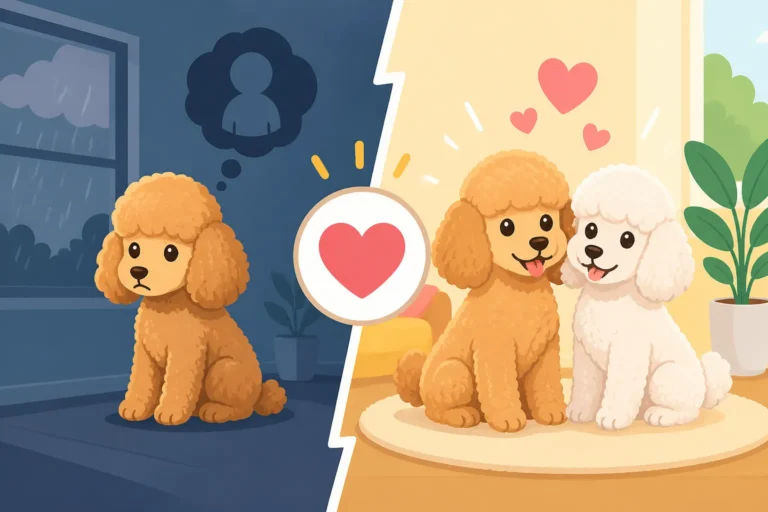
If you've ever owned a Poodle, you know the term "Velcro dog" perfectly describes them. They often shadow you from room to room, settling at your feet the moment you sit down, and greeting you with unbridled joy if you've been gone for mere minutes. This isn't just clinginess; it's a testament to their desire for companionship and their inherent loyalty. They were literally bred to work with people, not independently.
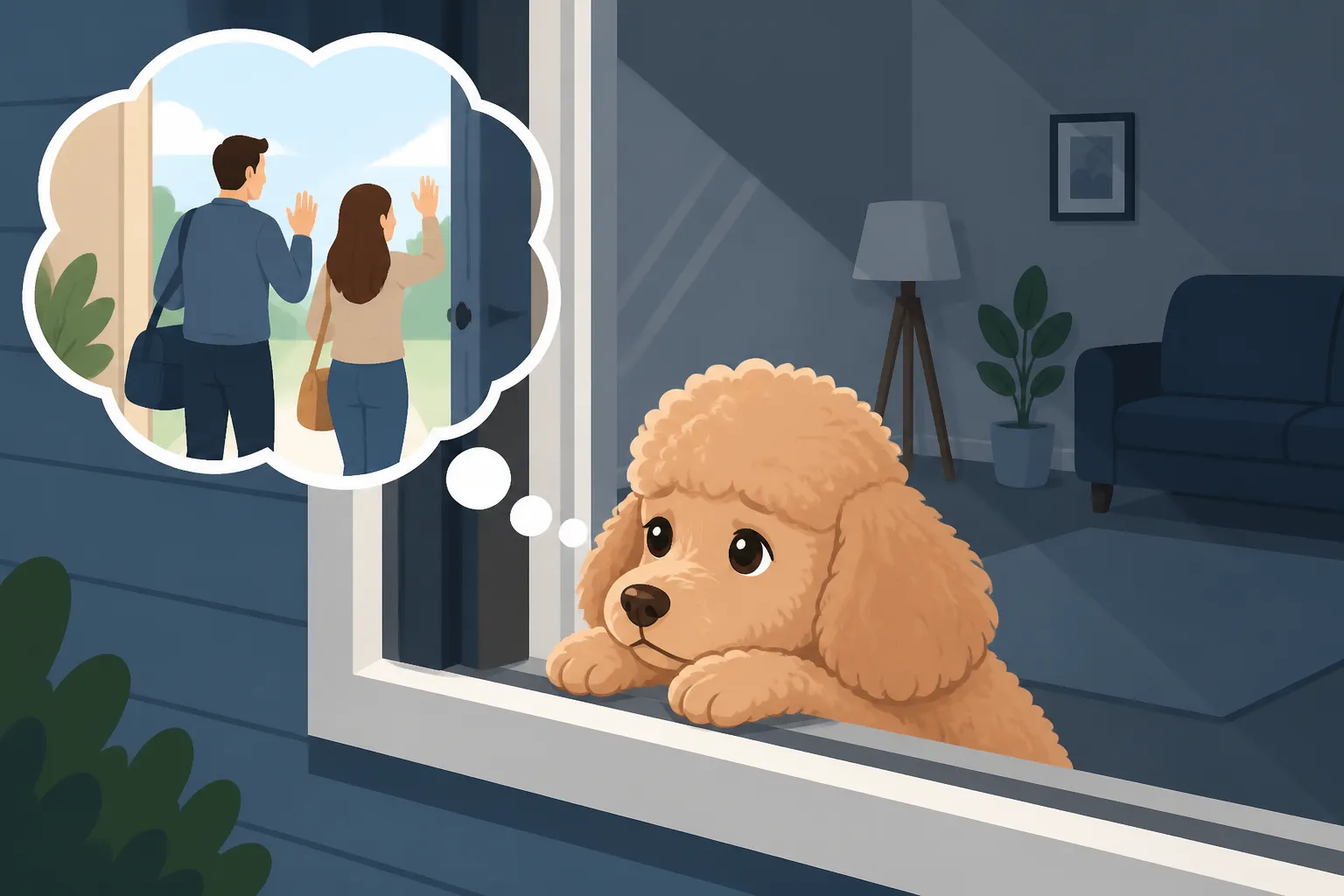
This intense desire to be near you can make alone time particularly challenging. Many Poodles will lie by the door you exited, waiting patiently, or sometimes not so patiently, for your return. They can become deeply attuned to your routine, anticipating your departures and showing signs of distress even before you grab your keys. Understanding this fundamental aspect of their character is the first step in helping them navigate periods of solitude. Why a Poodle Shadows Its Owner delves deeper into this fascinating Poodle trait.
Age and Developmental Stages
The amount of time a Poodle can handle being alone isn't a one-size-fits-all answer; it changes dramatically throughout their life. A tiny, vulnerable Poodle puppy has vastly different needs than a self-assured adult, and a senior Poodle might find alone time more difficult again due to age-related changes.
Puppies: For young Poodles, separation from their pack (you!) can be terrifying. They have tiny bladders, undeveloped coping mechanisms, and an intense need for security and regular interaction. Leaving them alone for long stretches can quickly lead to distress, house-training setbacks, and the development of separation anxiety. Their world is small, and you are its center.
Adults: A well-adjusted adult Poodle, with proper training and socialization, can generally handle longer periods of solitude. They've learned that your departures aren't permanent and that you always come back. However, even adult Poodles need their mental and physical exercise met before being left alone, and they still crave companionship.
Seniors: As Poodles age, their needs can shift once more. They might have increased bathroom frequency, cognitive decline that makes them more anxious or disoriented when alone, or physical discomfort that makes waiting for your return more challenging. Caring for an Aging Poodle offers more insights into supporting your older companion.
Realistic Timeframes for Leaving a Poodle Alone
It's crucial to set realistic expectations for your Poodle, keeping their age, training, and individual personality in mind. Pushing them beyond their comfort zone can have detrimental effects on their well-being and your household.
Poodle Puppies and Short Absences
Let's be very clear: Poodle puppies, especially those under six months, should never be left alone for extended periods. Their bladders can only hold so much, and more importantly, their developing minds need constant reassurance and opportunities for positive reinforcement.
| Age of Poodle Puppy | Maximum Recommended Alone Time (Approx.) | Key Considerations |
|---|---|---|
| 8-10 Weeks | 1-2 hours | Tiny bladder, high anxiety, needs frequent potty breaks. |
| 10-12 Weeks | 2-3 hours | Bladder developing, still needs much supervision. |
| 3-6 Months | 3-4 hours | Can hold it longer, but mental stimulation is crucial. |
| 6-12 Months | 4-5 hours | Approaching adult capacity, but still needs exercise. |
Leaving a young Poodle puppy alone for an entire workday is simply not fair or safe. It can lead to accidents, destructive chewing fueled by boredom and anxiety, and a deep-seated fear of being left behind. If you work away from home, arranging for a trusted friend, family member, or professional pet sitter to provide midday breaks and companionship is essential during these formative months. Think of it like caring for a human toddler; they simply aren't equipped for long-term independence. Bladder Size in a Toy Poodle Puppy provides specific details on their physical limits.
Adult Poodles and Moderate Absences
Once your Poodle reaches adulthood (typically around 12-18 months, depending on size), and has been properly house-trained and desensitized to alone time, they can generally handle longer stretches. A healthy adult Poodle can often cope for 4 to 6 hours without issue.
However, "coping" doesn't always mean "thriving." While they might not be destructive or have accidents, prolonged daily solitude can lead to boredom, pent-up energy, and a general decline in their mental well-being. Imagine being stuck in your house with nothing to do for 8-10 hours every day; it's not ideal for anyone. Before leaving them, ensure they've had a good potty break and plenty of physical exercise, like a brisk walk or a vigorous play session, and some mental stimulation. A tired Poodle is a good Poodle when it comes to alone time! Daily Exercise for a Standard Poodle and Daily Exercise for a Toy Poodle offer guidance tailored to your Poodle's size.
For owners working typical 8-9 hour days, plus commute time, it's often advisable to arrange for a midday potty break and some interaction. A dog walker or a trusted neighbor popping in can make a world of difference, turning a stressful eight-hour stretch into two manageable four-hour blocks. This break allows them to relieve themselves, stretch their legs, and get some much-needed human contact, which can prevent behavioral issues from festering.
Senior Poodles and Changing Needs
Our senior Poodles, bless their graying muzzles, often experience a resurgence of puppy-like needs when it comes to alone time. As they age, their bladders may not be as strong, meaning they need more frequent potty breaks. Cognitive decline, a common issue in older dogs, can also make them more anxious, disoriented, or vocal when left alone.
If your previously independent senior Poodle starts having accidents indoors or exhibiting new signs of distress when you leave, it's a clear signal that their alone-time tolerance has decreased. It's not a behavioral issue born of spite; it's usually a physical or cognitive change requiring more frequent attention. You might need to adjust your schedule, hire a dog walker for more frequent visits, or even consider doggy daycare designed for older, calmer companions. Be patient and understanding with them; they rely on you more than ever. Cognitive Decline in an Old Poodle explains how to recognize these changes and how to help your Poodle adjust.
Strategies to Help Your Poodle Cope While You're Away
Leaving a Poodle alone isn't just about setting a timer; it's about preparing them for your absence and making their solitude as comfortable and enriching as possible.
Crate Training for Security
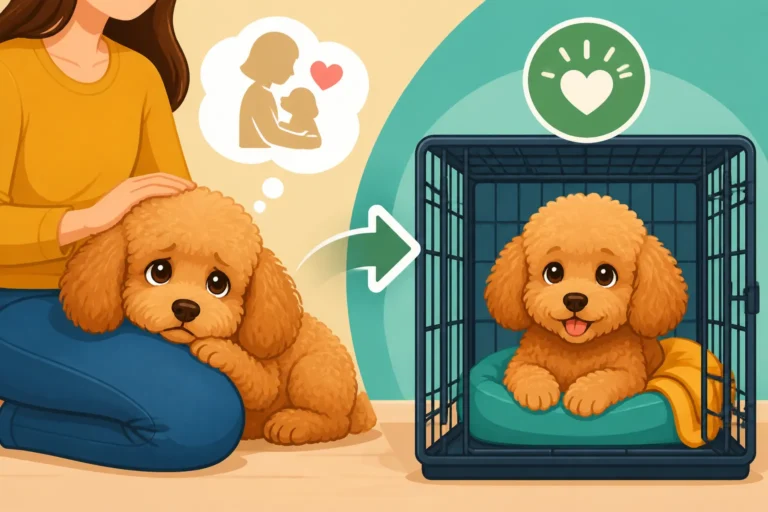
For many Poodles, a crate isn't a jail cell; it's a cozy, secure den where they can feel safe and relaxed. When introduced properly, a crate becomes their personal sanctuary, a place where they can retreat from the world and feel protected, especially when the house is empty and quiet. This sense of security can significantly reduce anxiety during alone time.
Start by making the crate a positive space, filled with comfortable bedding, safe chew toys, and treats. Never use it for punishment. Gradually increase the time your Poodle spends in the crate while you're home, then for very short periods while you step out. A properly crate-trained Poodle will often choose to go into their crate on their own when they want to nap or feel overwhelmed. This tool is invaluable for house training and managing alone time, particularly for puppies. Learn more about making the crate a positive experience in Crate Training a Poodle That Wants Company.
Enrichment and Mental Stimulation
A bored Poodle is a mischievous Poodle. Their high intelligence means they need mental stimulation to prevent destructive behaviors or excessive barking when left alone. Puzzle toys, interactive feeders, and long-lasting chews can keep their brains engaged and their mouths busy, redirecting their energy into appropriate activities.
Before you leave, offer them a KONG stuffed with peanut butter or plain yogurt (and frozen for extra challenge!), a snuffle mat with scattered kibble, or a puzzle feeder that dispenses treats as they manipulate it. These activities burn mental energy, satisfy their natural instinct to work for food, and create a positive association with your departure. You can find a fantastic selection of these enrichment toys on platforms like Amazon, often with reviews from other Poodle parents detailing their effectiveness. Don't underestimate the power of a good brain game to tire out your smart Poodle! Scent Games That Stretch a Poodle's Mind offers more ideas for mental workouts.
Establishing a Predictable Routine
Poodles, like many dogs, thrive on routine. A predictable schedule helps them understand what to expect throughout the day, including your departures and arrivals. Establishing clear pre-departure rituals can signal that you're leaving but will return. This might involve a specific phrase, giving them a special "go-away" toy, or simply always taking them out for a potty break right before you leave.
Equally important are your post-arrival greetings. While it's tempting to make a huge fuss, overly enthusiastic greetings can inadvertently reinforce the idea that your return is a massive, attention-worthy event, making your departures seem even more dramatic. Instead, greet them calmly, let them settle, and then engage in playtime or a walk once the initial excitement has subsided. This helps normalize both your leaving and your returning. Consistency helps build confidence that you will always come back.
Professional Support and Daycare Options
For those times when you simply can't avoid longer absences, don't feel guilty about enlisting professional help. Dog walkers, pet sitters, and doggy daycare facilities can be lifesavers for Poodle owners. A dog walker can provide a much-needed midday stroll, a potty break, and some human interaction, breaking up a long day into more manageable segments for your Poodle.
Pet sitters, who come to your home, can be ideal for Poodles who prefer their familiar surroundings or who have specific needs. They can adhere to your Poodle's routine, ensuring meals, potty breaks, and playtime are all on schedule. Doggy daycare, on the other hand, offers a full day of supervised play and socialization with other dogs, which can be fantastic for high-energy Poodles who crave constant engagement. Look for facilities that offer separate play areas for different sizes and temperaments, ensuring your Poodle has a positive experience. Remember, these services are not a luxury; for a highly social breed like the Poodle, they can be a necessity for their well-being and your peace of mind. Daycare Costs for a Standard Poodle can give you an idea of what to expect if you choose this option.
Recognizing and Addressing Separation Anxiety
While many Poodles learn to cope with alone time, some develop full-blown separation anxiety, a genuine panic disorder. It's a heartbreaking situation for both dog and owner, and it's important to differentiate between a little boredom and true distress.
Signs Your Poodle Is Struggling
It's easy to dismiss destructive behavior or accidents as "spite," but for a Poodle with separation anxiety, these are often desperate attempts to cope with overwhelming fear. Common signs include:
- Excessive Barking or Howling: Non-stop vocalization from the moment you leave until you return. Cameras can help you monitor this.
- Destructive Chewing: Targeting doors, window sills, furniture, or anything that smells like you. This isn't just chewing; it's often an attempt to escape or alleviate stress. What a Panicking Poodle Does to the Door goes into more detail.
- House Soiling: Urinating or defecating indoors, even if they are perfectly house-trained when you are present. This isn't out of spite but inability to control bodily functions due to extreme stress.
- Pacing and Trembling: Restlessness, panting, and shaking are clear indicators of high anxiety.
- Escaping: Trying to dig, chew, or break out of crates or rooms. This can lead to injury.
- Excessive Salivation: Poodles may drool heavily due to stress.
- Self-Mutilation: In severe cases, dogs may lick or chew at themselves to self-soothe.
If you observe these behaviors consistently when you leave, it's highly likely your Poodle is suffering from separation anxiety and needs a targeted approach, not just more toys or longer walks.
Gradual Desensitization and Training
Addressing separation anxiety requires patience, consistency, and a structured approach. The goal is to gradually desensitize your Poodle to your departures, teaching them that being alone is not something to fear. This often involves very short, incremental departures.
Start by practicing "pre-departure cues" without actually leaving. Grab your keys, put on your coat, and then sit back down. Repeat this until your Poodle no longer reacts with anxiety. Then, begin leaving for extremely short periods—literally seconds at first—and gradually increase the duration. The key is to return before your Poodle becomes anxious, so they never experience the full panic. Teaching a Poodle That Leaving Is Ordinary offers a step-by-step guide to this process.
Online training platforms can be incredibly helpful resources for this. For example, BAXTER & Bella offers comprehensive online puppy and dog training programs, including modules specifically designed to address separation anxiety and build confidence in puppies and adult dogs. Their step-by-step guidance and community support can be invaluable when tackling these challenging behavioral issues. Consistency is paramount; a few minutes of daily practice is far more effective than an hour once a week.
When to Seek Professional Help
Sometimes, despite your best efforts, separation anxiety can be too severe to manage on your own. If your Poodle's anxiety is causing significant destruction, injury to themselves, or is simply not improving with your training efforts, it's time to bring in the big guns.
Consult your veterinarian first. They can rule out any underlying medical conditions that might be contributing to the anxiety and, if appropriate, discuss medication options that can help alleviate the acute panic, making training more effective. In conjunction with your vet, seeking help from a certified professional dog trainer or a veterinary behaviorist specializing in anxiety disorders is highly recommended. These professionals have the expertise to assess your Poodle's specific triggers and develop a tailored behavior modification plan. They can provide hands-on guidance and support, which can be a game-changer for severe cases of separation anxiety, helping both you and your Poodle find peace.
Disclaimer
This article is for general informational purposes only and does not constitute professional advice. Laws, prices and regulations vary by location and change over time. Consult a qualified professional for guidance on your specific situation.