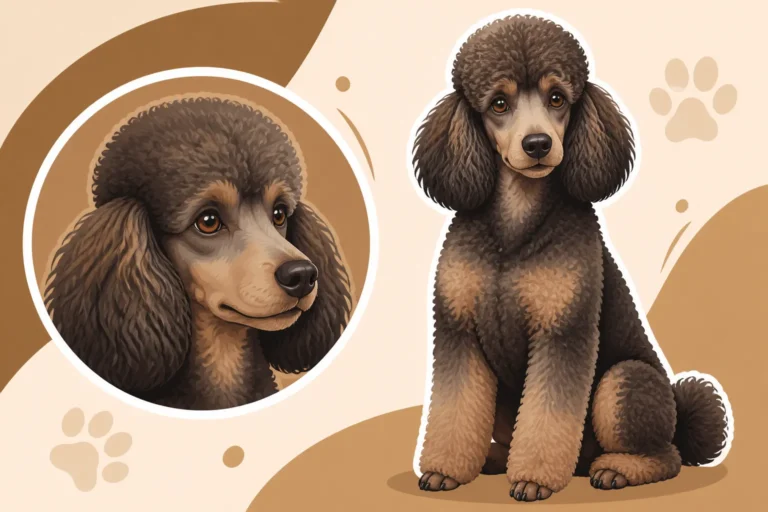
Whether Poodles Really Came From France
It’s a tale as old as time, or at least as old as the Poodle's rise to international fame: are Poodles truly French? Many a dog lover has been caught in this common misconception, believing that the elegant, sophisticated Poodle is unequivocally from France. But the truth, as with most things in history, is a little more nuanced and frankly, much more interesting! This guide will dive deep into the fascinating origins of the Poodle, unraveling the threads of history to show you why its national identity is often debated and where this magnificent breed truly began its journey.
The Historical Debate: German or French?
The Poodle, with its distinctive curly coat and proud carriage, has long been associated with French aristocracy and chic salons. You see them in classic French art, hear about them in French literature, and even the French word for Poodle, "Caniche," sounds inherently French. It’s easy to assume this is where their story began. However, historical records and linguistic clues point to a different cradle for this clever canine.
"Pudel" and the German Roots
If you trace the Poodle's lineage back far enough, you'll find that its most likely origins lie in Germany. The breed’s name itself provides a significant clue. The word "Poodle" comes from the German word "Pudel," which means "to splash" or "puddle." This is directly linked to the dog's original purpose as a water retriever. Imagine the marshlands and lakes of Germany centuries ago, where hunters needed a dog capable of leaping into cold water to fetch downed waterfowl. The Poodle, with its dense, water-resistant coat and strong swimming abilities, was perfectly suited for this task. You can read more about this in Why the Poodle's Name Means to Splash.
Early artistic depictions from Germany, dating back to the 16th century, also show dogs that are unmistakably Poodle-like. These images often depict dogs with curly coats and intelligent expressions, clearly engaged in retrieving activities. These were not pampered lapdogs but robust, athletic working dogs, essential companions to hunters. The practicality of their existence was paramount, far from the ornamental role they would later play. This working heritage is fundamental to understanding the true The Poodle as a Breed.
French Refinement and Popularity
While the Poodle may have originated in Germany as a working water dog, it was in France that the breed truly soared in popularity and underwent a significant transformation, evolving from a hardy retriever into a symbol of elegance and fashion. The French aristocracy, with their penchant for lavishness and unique pets, quickly adopted the Poodle. They were charmed by its intelligence, trainability, and distinctive appearance.
During this period, Poodles became companions to royalty and nobility, their natural charm and willingness to learn making them excellent performers and delightful pets. It was in France that the elaborate grooming styles we often associate with Poodles began to take shape. These fanciful clips, far removed from the functional cuts of a working retriever, became a status symbol, showcasing the owner's wealth and willingness to spend on their dog's upkeep. This French connection is so strong that for many, the Poodle is almost synonymous with France.
Tracing the Poodle's Ancestry and Purpose
To truly understand the Poodle's origins, we need to look beyond national borders and delve into its functional history. The Poodle's conformation, its coat, and its innate intelligence all scream "water dog," regardless of where it was splashing first. This deep-seated purpose shaped the breed for centuries before it ever graced a royal court.
The Water Dog Connection
At its heart, the Poodle is and always has been a water dog. Its tightly curled, non-shedding coat, which feels more like hair than fur, is incredibly efficient at repelling water and providing insulation in cold conditions. This was an indispensable trait for a dog expected to plunge into icy lakes and retrieve game for hours on end. The distinctive Poodle clip, often seen as purely aesthetic today, actually evolved from a very practical need to protect vital organs and joints from the cold while allowing for maximum movement in the water. For more on this, check out How the Clip Kept a Working Poodle Warm and Why the Poodle Clip Was a Working Design.
Imagine a hunter standing by a misty lake, his Poodle eagerly awaiting the command. The dog would bound into the water, its strong legs paddling effortlessly, its keen nose tracking the fallen bird. This vigorous activity demanded a dog that was not only robust but also highly intelligent and biddable, able to understand complex commands and work independently when needed. This inherent working drive is still present in modern Poodles, regardless of their size or whether they ever see a marsh.
Early Depictions and Records
Beyond the etymology and practical purpose, historical artifacts provide further glimpses into the Poodle's early days. As mentioned, 16th-century German artists like Albrecht Dürer depicted dogs resembling Poodles in their works, often alongside humans in various settings, hinting at their integrated role in society. These early images often show them with more rustic, less stylized clips than the ones that became popular much later in France, again underscoring their working-class roots.
Travelers' accounts and early dog breeding texts from across Europe also contribute to the understanding of the Poodle's spread. While the exact moment of its "founding" as a distinct breed is blurry, the consistent descriptions of curly-coated water dogs in various regions suggest a widespread utility rather than a localized origin. These dogs were valued for their skills, making them a desirable companion across different cultures and classes long before they were standardized into the elegant show dogs we know today.
How the Poodle Became France's National Dog
So, if Poodles likely originated in Germany, how did they become so thoroughly intertwined with French identity, to the point where many believe they are unequivocally French? It's a testament to the power of cultural adoption and the breed's undeniable charm.
Royal Patronage and Fashion
The Poodle's transformation into a French icon began in earnest when it caught the eye of the French aristocracy. Their wit, intelligence, and playful nature made them perfect companions for the wealthy, who had the time and resources to lavish attention on them. King Louis XVI and Marie Antoinette, among other royals, were known to keep Poodles, elevating their status from working dogs to fashionable pets.
This royal endorsement catapulted the Poodle into the spotlight. Their adaptability and eagerness to please meant they could be trained for complex tricks, making them stars of performance and circus acts – a role Poodles excelled at for centuries. Poodles in Circuses and Performance became a common sight, further embedding them in the public's imagination as a sophisticated, entertaining breed. This period saw the development of the more elaborate and ornate clips, transforming their utilitarian coat into a canvas for grooming artistry.
Cultural Assimilation and Recognition
Over time, the Poodle became so deeply ingrained in French culture that it was officially recognized as the national dog of France. This wasn't just about fashion; it was about a mutual appreciation. The French adored the Poodle's spirited personality, intelligence, and elegant appearance, while the Poodle seemed to thrive in the social and intellectual environment of French society. The breed flourished under this cultural embrace, with French breeders and enthusiasts playing a crucial role in standardizing its various sizes. You can learn more about this in The Poodle as France's National Dog and When the Toy Poodle Appeared.
Today, the Poodle is recognized globally, with three main sizes – Standard, Miniature, and Toy – each a testament to centuries of careful breeding and development. While their German roots are historically significant, their French "citizenship" is undeniable in terms of cultural impact and development. They are truly an international breed, appreciated worldwide for their distinctive The Poodle Character and unparalleled elegance, often found with a collection of grooming supplies and premium food from a trusted retailer like Chewy.
Why the Origins Matter: Beyond National Pride
Understanding the Poodle's true origins isn't just a historical footnote; it offers valuable insights into the breed's health, temperament, and care requirements. It helps us appreciate the Poodle not just as a pretty face, but as a dog with a rich, practical heritage that still influences its modern existence.
Understanding Breed Development
Knowing that the Poodle was originally a robust water retriever from Germany helps us appreciate its athleticism, stamina, and love for water. It explains why, despite generations of being pampered, many Poodles still have a strong retrieving instinct and enjoy activities like swimming and dock diving. It also sheds light on their intelligence; a working dog needed to be smart, capable of problem-solving, and quick to learn commands in challenging environments. This is why Poodles are consistently ranked among the most intelligent dog breeds.
This background also informs breeders and owners about the importance of mental and physical stimulation. A Poodle isn't just content with a short walk around the block; its intelligent mind and energetic body crave a "job" to do, whether it's learning complex tricks, participating in dog sports, or simply engaging in interactive play. Ignoring this fundamental aspect of their breed history can lead to boredom and behavioral issues. Even for pet Poodles, engaging their minds with puzzle toys or training sessions, often sourced from online pet stores like Chewy, is crucial.
Impact on Breed Standards and Classification
The Poodle's journey from German marshes to French salons has left its mark on how the breed is classified and understood today. Most major kennel clubs, like the American Kennel Club (AKC), recognize the Poodle as a non-sporting breed, despite its sporting origins. However, its history as a water dog is still reflected in aspects of its breed standard, such as the requirements for its dense, curly coat and its athletic build.
This historical context is vital for breeders who strive to maintain the breed's health and integrity. Understanding the original function helps in making informed decisions about breeding lines, health testing, and preserving the traits that made the Poodle such an exceptional dog in the first place. For owners, it provides a deeper connection to their beloved pet, enriching their understanding of why their Poodle acts the way it does, loves water, or seems to outsmart them at every turn. Ultimately, whether German or French, the Poodle’s history is a fascinating journey of evolution, utility, and undeniable charm that has cemented its place as one of the world's most beloved and recognizable breeds.
| Aspect | German Argument ("Pudel") | French Argument ("Caniche") |
|---|---|---|
| Etymology | "Pudel" (to splash) | "Caniche" (from "cane" meaning female duck) |
| Original Role | Waterfowl Retriever (Germany) | Companion, Performer, Fashion Icon (France) |
| Early Depictions | 16th-century German art (e.g., Dürer) | 17th-century onwards, popular with French aristocracy |
| Coat Styling | Functional cuts for water work | Elaborate, ornamental clips for aesthetics and status |
| Cultural Status | Hardy working dog | National dog, symbol of elegance and sophistication |
| Key Contribution | Foundation stock, working ability, name origin | Refinement, popularization, standardization of varieties |
Disclaimer
This article is for general informational purposes only and does not constitute professional advice. Laws, prices and regulations vary by location and change over time. Consult a qualified professional for guidance on your specific situation.