Tear Staining Around a Poodle’s Eyes
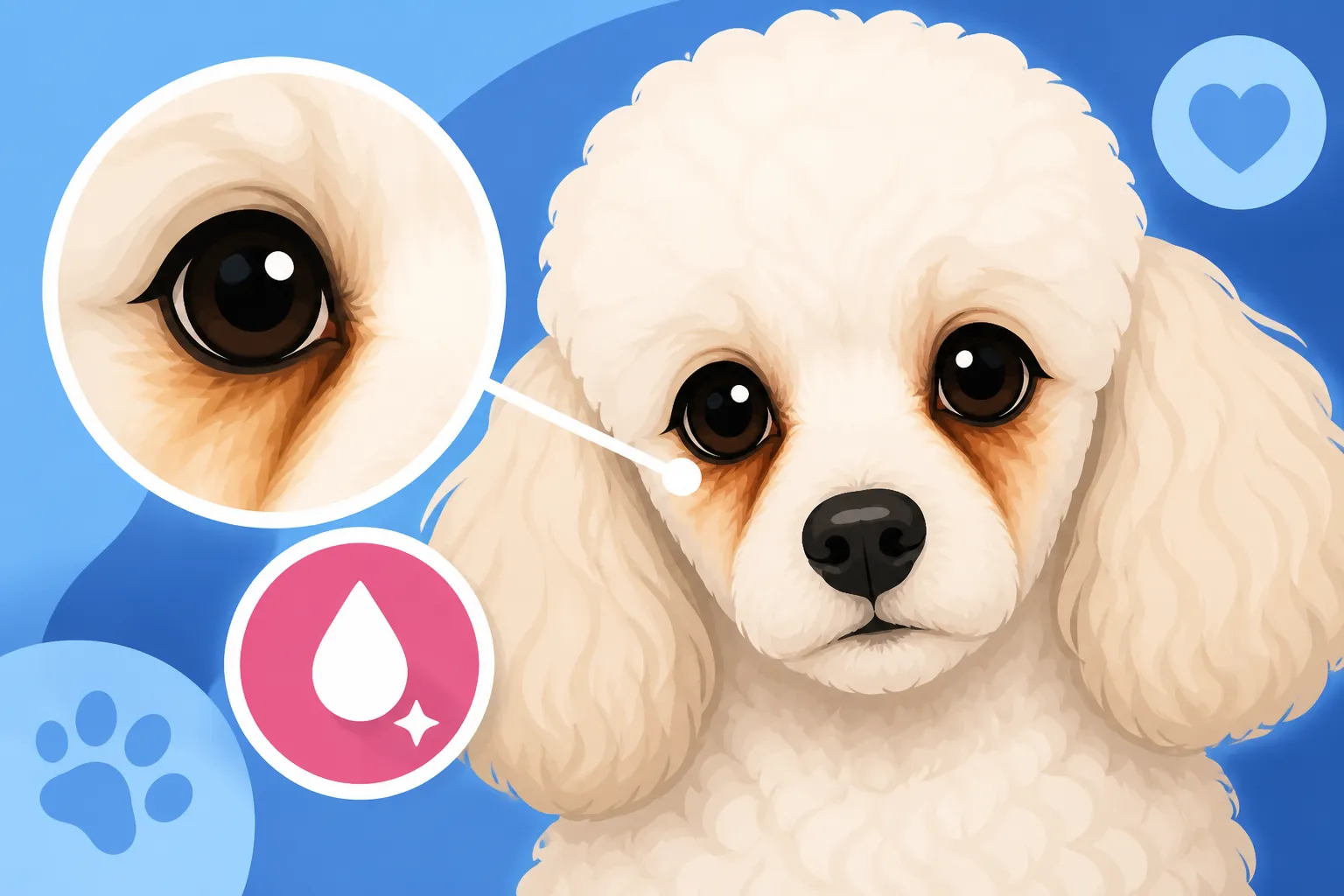
That reddish-brown discoloration under your Poodle's beautiful, expressive eyes? It’s not just an aesthetic annoyance; it’s a deeply frustrating problem for many Poodle owners, signaling anything from minor irritation to underlying health issues. This guide will walk you through the real reasons behind those stubborn tear stains, what they tell you about your Poodle's health, and practical, empathetic steps you can take to manage and even prevent them, so your beloved companion can truly shine.
Understanding Poodle Tear Stains: More Than Just an Eyesore
It’s disheartening to see those unsightly streaks marring your Poodle's pristine white or apricot coat, isn't it? Many of us have been there, tirelessly wiping and scrubbing, only to see the stains return with defiant regularity. Understanding what's actually happening beneath those tear-stained tracks is the first step toward effective management. It's not just "dirty" eyes; it's a complex interplay of biology, environment, and sometimes, health.
The Science Behind the Stain: Porphyrins and Yeast
The primary culprits behind those reddish-brown stains are often porphyrins. These are iron-containing waste products, naturally excreted through tears, saliva, and urine. When these porphyrins are exposed to sunlight, they oxidize, creating that distinctive reddish-brown color we all lament. Think of it like rust forming on metal – it’s a chemical reaction. Every dog produces porphyrins, but in Poodles, especially those with lighter coats, the stains are just far more visible, making them seem like a bigger problem. It’s truly just a visual thing in many cases, but it can also be exacerbated by other factors.
Beyond porphyrins, another common contributor is yeast, specifically Malassezia. When the area under the eyes remains consistently damp from excessive tearing, it creates a warm, moist environment – a perfect breeding ground for yeast and bacteria. These microorganisms then contribute to a darker, sometimes almost black or greenish-brown stain, often accompanied by a distinct, yeasty odor. This can also lead to skin irritation, making your Poodle scratch at the area, which only makes things worse. It’s a vicious cycle that can be tough to break without addressing both the moisture and the microbial overgrowth.
Anatomical Peculiarities of Poodle Eyes
Poodles, regardless of size, often possess certain anatomical traits that can predispose them to tear staining. Many Poodles have relatively shallow eye sockets or slight conformational differences that lead to tears not draining properly through the tear ducts. Instead of flowing into the nasal cavity as they should, the tears spill over the eyelid margin and down the face – a condition known as epiphora. This constant wetness is the fundamental precursor to staining.
Furthermore, Poodles are known for their luxurious, continuous-growing hair, and this includes the fine hair around their eyes. This hair can act like a wick, drawing tears away from the tear ducts and onto the face. It can also irritate the eye itself if it grows too long and pokes into the eye, causing even more tearing. Combine that with a long muzzle that might encourage tear flow, and you have a recipe for noticeable staining, particularly in Toy and Miniature Poodles. It's not a flaw, just a breed characteristic we need to be mindful of.
Common Environmental Triggers
Our Poodles live in our homes, sharing our environments, and sometimes those environments can unwittingly contribute to tear staining. Things we might not even think about can be irritants. Dust, pollen, or even the residue from household cleaning products can get into your Poodle's eyes, causing irritation and subsequent increased tear production. In fact, if you notice a sudden onset of staining, it's worth considering if you've recently changed laundry detergent, air fresheners, or cleaning sprays.
Another often overlooked factor is the quality of your Poodle's drinking water. Water with high mineral content, like iron, can potentially contribute to porphyrin buildup, though this is debated among experts. However, using filtered water is a simple step many owners take to reduce mineral intake and, anecdotally, report a decrease in staining. Consider a simple charcoal filter for their water bowl, easily found on Amazon. Even humidity levels in your home or exposure to wind and dust during walks can contribute by drying out the eyes or introducing irritants, making the eyes produce more tears as a protective mechanism.
Uncovering the Root Causes: When to Worry and When Not To
When you see tear stains, it's natural to jump to conclusions, but it's important to differentiate between a cosmetic issue and a medical concern. Sometimes it's just a mild annoyance, but other times, those stains are a flashing red light that something else is going on with your Poodle. This section dives into the specifics that can cause excessive tearing, known as epiphora, leading to those frustrating stains.
Medical Conditions That Cause Excessive Tearing (Epiphora)
While mild tearing can be normal, excessive or persistent epiphora demands attention. A range of medical conditions can trigger increased tear production. Eyelid abnormalities, such as entropion (where the eyelid rolls inward, causing eyelashes to rub against the eye) or ectropion (where the eyelid rolls outward, exposing the conjunctiva), are common culprits. These structural issues not only cause irritation but also prevent proper tear drainage. Ingrown eyelashes (distichiasis or ectopic cilia) can also constantly scratch the eye, leading to chronic irritation and watering.
Beyond structural problems, infections are a major concern. Bacterial or viral conjunctivitis can lead to inflamed, watery eyes. Even less obvious issues like glaucoma (increased pressure within the eye) or corneal ulcers can present with excessive tearing as a primary symptom. These conditions are painful and can quickly lead to vision impairment if left untreated. Poodle Dental Disease by Size is another often-surprising culprit. Dental problems, especially issues with upper molars, can create inflammation and pressure that affects the tear ducts, leading to blockages or increased tearing. It’s vital to get a thorough veterinary check to rule out these more serious underlying health issues, especially if the tearing starts suddenly or is accompanied by squinting, pawing at the face, or redness.
Dietary Factors and Water Quality
What goes into your Poodle’s body can absolutely show up on their face. The link between diet and tear staining is widely discussed among Poodle owners. High-quality, balanced nutrition can play a significant role in overall health, including eye health. Some argue that certain ingredients in commercial dog foods, particularly those with fillers, artificial colors, or common allergens like corn, wheat, or soy, can cause a low-grade inflammatory response in some dogs, manifesting as excessive tearing. Switching to a limited ingredient diet or a fresh food option might help. Brands like Ollie offer human-grade fresh food that some owners find beneficial for reducing tear stains, possibly due to fewer irritants and higher quality ingredients.
Even the type of bowl your Poodle eats and drinks from can matter. Plastic bowls, especially if scratched, can harbor bacteria that then get transferred to your Poodle’s face when they eat or drink, contributing to bacterial growth around the eyes. Stainless steel or ceramic bowls are often recommended because they are easier to keep clean and less likely to scratch. As mentioned before, filtered water is another simple change many owners swear by, believing that reducing minerals and impurities helps minimize the porphyrin load in tears. It's a small change, but sometimes the simplest adjustments make the biggest difference.
Allergic Reactions and Irritants
Just like humans, Poodles can suffer from allergies, and these often show up as skin issues, itching, and yes, excessive tearing. Poodle Allergies and Skin Reactions are incredibly common. Environmental allergens like pollen, dust mites, and mold can irritate your Poodle's eyes, causing them to water profusely. You might notice the staining is worse during certain seasons or after your Poodle has been playing outside. Food allergies or sensitivities can also manifest as eye irritation and tearing. If your Poodle is constantly rubbing their face, has red eyes, or the tear staining seems to coincide with other skin issues, allergies are definitely something to investigate.
Beyond traditional allergens, simple irritants can also cause problems. Smoke (from cigarettes, fireplaces, or even cooking), strong perfumes, or chemical fumes from household cleaners can all act as irritants. Even hair products you use on yourself could potentially be affecting your Poodle if they get too close. Consider your Poodle's daily routine and environment. Is there anything new that could be causing a reaction? Sometimes, the solution is as simple as switching to hypoallergenic cleaning products or being mindful of where your Poodle rests during the day, away from drafty windows or dusty areas. Identifying and removing the irritant is often the quickest way to see improvement.
Effective Strategies for Managing and Preventing Tear Stains
Okay, we've talked about the "why" behind those stubborn streaks. Now, let's get into the "how" – how we can actively fight back against tear stains and keep our Poodles looking and feeling their best. It's going to take consistency, but with the right approach, you can definitely make a noticeable difference.
Daily Cleaning Regimens and Products
When it comes to managing existing tear stains, daily cleaning is non-negotiable, especially for light-colored Poodles. The key is to prevent the tears from sitting on the fur and oxidizing. A soft, clean cloth dampened with warm water is a good starting point. Gently wipe the area under the eyes at least once or twice a day. For more stubborn stains, or for cleaning that also helps with microbial overgrowth, there are several dedicated tear stain removers on the market. Many contain mild astringents or anti-bacterial agents to help with the yeast and bacteria. Always look for products specifically designed for pets and avoid anything with harsh chemicals or bleach, which can damage your Poodle's delicate eye area. You can find a wide selection of these products on platforms like Chewy or Amazon.
After cleaning, it's equally important to keep the area dry. A small amount of cornstarch (unscented) or a pet-safe drying powder can be applied lightly with a clean brush or cotton swab to absorb excess moisture. This creates an unfavorable environment for yeast and bacteria to thrive. Remember, consistency is your best friend here. A quick daily wipe is far more effective than an occasional deep scrub. Think of it like brushing your own teeth – it's a small, consistent effort that prevents bigger problems down the line. To really dig into the issue, check out Removing Tear Stains From a White Poodle.
Dietary Adjustments and Supplements
As we touched on earlier, diet can be a game-changer. If you suspect your Poodle’s tear stains might be linked to their food, consider a diet trial. This often involves switching to a high-quality, limited-ingredient diet with a novel protein source (something your Poodle hasn't eaten before, like duck or venison) and avoiding common allergens like chicken, beef, wheat, and corn. Stick with the new diet for 8-12 weeks to see if there's any improvement in tear staining, as well as general skin health or itching, as discussed in Elimination Diets for an Itchy Poodle.
Beyond food itself, several supplements are touted by Poodle owners for reducing tear stains. Probiotics, which support gut health, are believed to help boost the immune system and reduce systemic inflammation, potentially lessening tear-related issues. Antioxidant supplements, like those containing cranberry extract or Vitamin C, might also help by reducing oxidative stress. Some popular tear stain supplements also contain a very small amount of antibiotics, specifically tylosin, which works to combat the bacterial component of staining. However, using antibiotics long-term without veterinary guidance isn't recommended due to potential resistance issues. Always discuss any significant dietary changes or new supplements with your vet to ensure they're appropriate for your Poodle's specific needs.
Environmental Controls and Grooming
Managing your Poodle's environment is crucial, especially if Environmental Allergies in a Poodle are suspected. Regularly clean and vacuum your home to reduce dust mites and pet dander (even though Poodles shed minimally, environmental dander still exists). Use air purifiers, especially in rooms where your Poodle spends a lot of time, to filter out airborne allergens like pollen. Changing your Poodle's water source to filtered or distilled water, and ensuring their food and water bowls are stainless steel or ceramic and cleaned daily, are simple yet effective steps.
Grooming plays an immense role in preventing tear stains. The long hair around your Poodle's eyes can irritate them and wick away tears. Regularly trimming this hair is essential. You can gently use blunt-nosed scissors or small clippers to keep the area clear, being extremely careful not to poke the eye. Many professional groomers offer a "face, feet, and tail" trim between full grooms, which often includes tidying the eye area. Consistent grooming not only helps with staining but also prevents mats from forming in this sensitive area. Regular brushing of their entire coat also helps keep them clean and free of irritants. For detailed tips on this, see Trimming the Hair Around a Poodle's Eyes.
| Method/Product | Primary Benefit | How It Works | Pros | Cons |
|---|---|---|---|---|
| Daily Wiping | Removes fresh tears, prevents oxidation | Physically cleans the fur under the eyes | Simple, inexpensive, safe for daily use | Requires consistency, doesn't address root cause, may not remove old stains |
| Tear Stain Wipes/Solutions | Addresses existing stains, reduces bacteria | Contains mild cleansing agents, sometimes antimicrobials | Effective for stubborn stains, convenient, targets microbial growth | Can be more costly, some products may contain controversial ingredients |
| Filtered Water | Reduces mineral intake | Filters out impurities from drinking water | Easy change, beneficial for overall health, no direct contact with eyes | Efficacy for tear stains is anecdotal, doesn't address all causes |
| Dietary Changes | Addresses internal triggers | Eliminates potential allergens or inflammatory ingredients | Holistic approach, can improve overall health | Requires commitment, can be costly, takes time to see results |
| Trimming Eye Hair | Prevents irritation & wicking | Keeps hair away from eyes and tear ducts | Prevents new irritation, aids drainage | Requires careful technique or professional grooming, risk of injury |
| Probiotic/Antioxidant Supplements | Supports gut/immune health, reduces oxidative stress | Modulates internal body functions | Holistic approach, general health benefits | Efficacy for tear stains varies, can be costly, takes time to see results |
When to Consult Your Veterinarian: Beyond Home Remedies
While many tear stain issues can be managed with diligent home care and environmental adjustments, there are absolutely times when a professional eye (pun intended!) is needed. Don't feel like you've failed if home remedies aren't cutting it; some issues simply require a vet's expertise.
Recognizing Red Flags and Persistent Issues
So, when do you stop trying things at home and pick up the phone? A good rule of thumb is to call your vet if you notice any of the following: a sudden increase in tearing, particularly if it's unilateral (only one eye); thick, colored discharge (yellow or green); cloudiness in the eye; redness or swelling of the eye or eyelids; squinting or pawing at the eye; or if your Poodle seems to be in pain or discomfort. These are all signs that something more serious than simple porphyrin staining is at play. Even if there are no other obvious symptoms but the tear staining persists despite consistent home care, it's worth a vet visit. It could indicate a persistent underlying issue that needs diagnosis, such as a blocked tear duct or a subtle anatomical problem. For general check-ups, even for puppies, a vet can offer early insights into potential issues, as they check for common problems covered in What a Vet Checks on a Toy Poodle Puppy.
Diagnostic Procedures and Medical Treatments
When you bring your Poodle to the vet for tear staining, they won't just glance at it. They'll perform a thorough ophthalmic examination. This might include a Schirmer tear test to measure tear production, a fluorescein stain test to check for corneal ulcers or abrasions, and a careful examination of the eyelids and eyelashes for abnormalities. They may also flush the tear ducts to check for blockages. In some cases, a bacterial culture of the eye discharge might be taken to identify specific infections.
Depending on the diagnosis, medical treatments can vary widely. If an infection is present, antibiotic eye drops or oral antibiotics might be prescribed. Anti-inflammatory drops could be used for irritation. For allergies, your vet might suggest antihistamines or other allergy medications, along with discussing Environmental Allergies in a Poodle. Sometimes, if a Poodle has systemic issues like a thyroid imbalance, treating that underlying condition can even alleviate the tear staining, as discussed in Full Thyroid Panels Poodle Breeders Order. The goal is to treat the root cause, not just the symptom of the stain.
Surgical Options for Severe Cases
For certain anatomical issues that cause chronic epiphora and tear staining, surgery might be the most effective, or even the only, long-term solution. Conditions like entropion or ectropion, where the eyelids are malformed, can be corrected surgically to ensure the eyelid sits correctly and tears drain as they should. Similarly, if your Poodle has ingrown eyelashes that are constantly irritating the eye, these can be removed or permanently addressed through various surgical techniques.
A persistently blocked tear duct, especially one that doesn't respond to flushing, might also be a candidate for surgical intervention to open or reconstruct the duct. While the idea of eye surgery can sound daunting, these procedures are often straightforward and highly effective in resolving the chronic irritation and subsequent staining. Your vet will discuss all options, including the benefits, risks, and recovery process, to help you make the best decision for your Poodle's comfort and long-term eye health. Always get a clear understanding of what the surgery entails and what the expected outcomes are before proceeding.
Disclaimer
This article is for general informational purposes only and does not constitute professional advice. Laws, prices and regulations vary by location and change over time. Consult a qualified professional for guidance on your specific situation.