Why a Poodle’s Eyes Weep
There's nothing quite as frustrating as seeing those beautiful, expressive Poodle eyes framed by rusty, unsightly tear stains, especially on a pristine white or delicate apricot coat. You spend so much time and care on their grooming, only for these stains to stubbornly persist, making you feel like you're fighting a losing battle. This guide is here to shed some light on why your Poodle's eyes might be weeping more than they should, helping you understand the root causes and providing practical steps to manage this common, yet often perplexing, issue.
Understanding Normal Tear Production Versus Excessive Weeping
Let's start by clarifying what's normal and what crosses the line into "weeping." All dogs produce tears; it's essential for eye health, keeping the surface lubricated and clean. The problem isn't the tears themselves, but when there's an overproduction, or when those tears aren't draining correctly.
The Anatomy of Poodle Tears
Your Poodle's eyes, just like ours, have lacrimal glands that produce tears. These tears then spread across the eye, collecting debris and keeping the cornea moist, before ideally draining away through tiny openings called puncta, located in the corner of the eyelids near the nose. From there, they travel down small tear ducts into the nasal cavity. It’s a pretty efficient system when it's working as it should.
However, Poodles, particularly the smaller varieties, sometimes have unique facial structures. Their eyes might be a bit more prominent, or their tear ducts could be narrower or have a slight kink, making them more prone to overflow. Think of it like a sink with a slow drain – eventually, the water starts to back up and spill over. When tears consistently spill over the eyelid onto the surrounding hair, they create a perpetually damp environment.
Why Tears Can Become a Problem
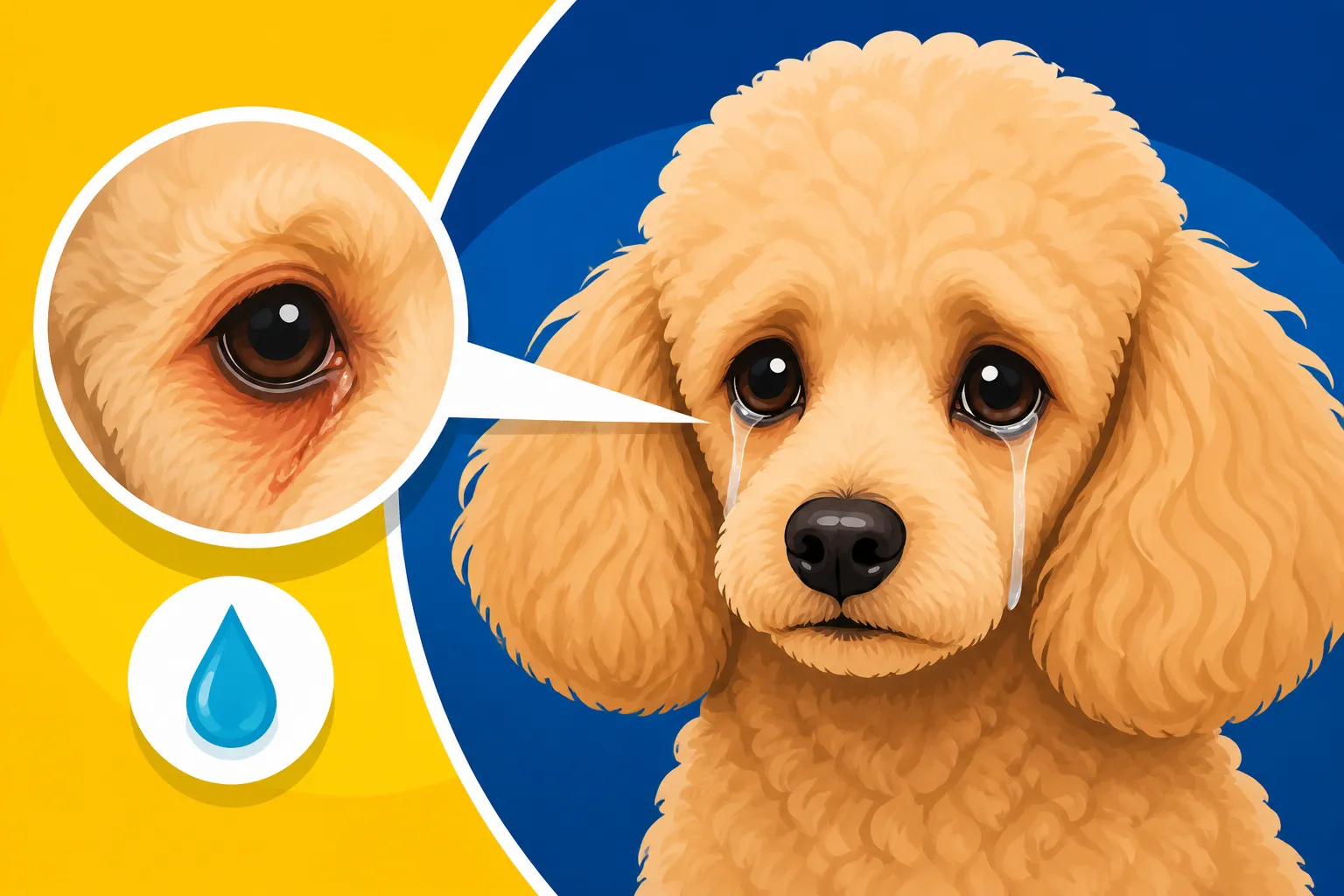
When these tears spill onto the fur and are exposed to air and light, they can become a breeding ground for yeast and bacteria. Specifically, a type of yeast called Red Yeast (Porphyrin) thrives in this moist environment. This yeast produces a reddish-brown pigment, which is what gives those notorious tear stains their tell-tale color. It’s not actually the tears themselves that are red, but the staining byproduct of this microbial growth.
It's a vicious cycle: excess moisture encourages microbial growth, which in turn creates the visible staining. This isn't just an aesthetic concern; prolonged dampness can also lead to skin irritation or even secondary infections in the folds of skin around the eyes, making your Poodle uncomfortable. It's important to differentiate between clear, watery overflow and thick, discolored discharge, as the latter might indicate a more serious infection.
Common Causes of Poodle Eye Weeping
Identifying the specific reason behind your Poodle's weeping eyes can feel like detective work, but it's crucial for effective management. There are numerous factors, ranging from simple environmental irritants to more complex underlying health issues.
Allergic Reactions and Irritants
Poodles, unfortunately, are quite prone to allergies, and their eyes are often the first place these sensitivities manifest. Just like people, dogs can react to environmental allergens such as pollen, dust mites, mold spores, or even certain perfumes and cleaning products used in the home. If your Poodle's eyes seem to weep more during certain seasons or after you've used a new household spray, allergies might be a strong culprit.
Food allergies or sensitivities are another common trigger. Ingredients like certain proteins (chicken, beef, dairy), grains (corn, wheat, soy), or artificial additives in their kibble can cause systemic inflammation, which can include watery eyes. You might also notice other symptoms like itching, paw chewing, or digestive upset if food is the cause. Exploring different diet options, perhaps even fresh food diets like those offered by Ollie, could be a path to explore if allergies are suspected. For more on this, you might find our article on Poodle Allergies and Skin Reactions helpful.
Physical Obstructions and Abnormalities
Sometimes, the plumbing simply isn't working right. One of the most common physical issues is a blocked tear duct, also known as nasolacrimal duct obstruction. If the tears can't flow down into the nasal cavity, they have nowhere to go but out and over the eyelids. This can happen due to inflammation, debris, or even a congenital malformation where the duct is too narrow or simply didn't form correctly.
Other structural problems can also lead to excessive tearing. Ingrown eyelashes, known as distichiasis or ectopic cilia, can constantly rub against the sensitive surface of the eye, causing irritation and tear production. Similarly, a condition called entropion, where the eyelid rolls inward, causes the eyelashes and fur to abrade the cornea. Even something as simple as stray hairs growing too long around the eyes, which is very common with a Poodle’s continuously growing coat, can act as a constant irritant, causing the eye to water defensively. This is why regular trimming of the hair around their eyes is so important.
Underlying Health Conditions
While often overlooked, other health problems can present with excessive eye weeping. Dental issues, particularly an abscess in an upper tooth root, can sometimes impact the tear duct situated nearby, causing inflammation and blockage. It's a surprising connection, but the anatomy of the skull can link these seemingly separate problems. Keeping up with your Poodle's dental hygiene, including regular brushing and professional cleanings, is paramount. If you're curious about this, read more about Why Small Poodles Lose Teeth Early.
Ear infections, another common ailment in Poodles due to their drop ears trapping moisture, can also contribute to eye irritation. The close proximity of the ears and eyes means that severe inflammation or infection in the ear canal can sometimes affect nerves or cause swelling that indirectly impacts tear drainage. Additionally, some systemic illnesses, though less common, can manifest with changes in eye discharge or tear production. For this reason, persistent weeping should always warrant a veterinary examination to rule out anything serious.
Diet and Water Quality
Believe it or not, what your Poodle eats and drinks can have a significant impact on tear staining. Some theories suggest that certain dyes, artificial ingredients, or fillers in lower-quality kibble can lead to an inflammatory response in the body, which then manifests as excess tear production or changes in tear composition, making them more prone to staining.
Similarly, the quality of your tap water can play a role. Water high in minerals, especially iron, can be deposited on the fur as tears evaporate, leaving behind a rusty stain. While this isn't causing the weeping, it can certainly exacerbate the staining. Switching to filtered water or even bottled water for their drinking bowl can sometimes make a noticeable difference, especially for Poodles with very light coats. Many pet owners choose to order pet food and supplies from retailers like Chewy, which offers a wide selection of specialty diets and filtration systems that might address these concerns.
| Feature | Normal Tears | Problematic Weeping |
|---|---|---|
| Appearance | Clear, watery, barely noticeable | Consistent moisture, discoloration (red/brown) |
| Draining | Drains efficiently into nasal cavity | Overflows onto facial fur |
| Associated Symptoms | None | Redness, irritation, odor, skin infection |
| Frequency | Intermittent, especially with yawning/rubbing | Constant or frequent |
| Impact on Coat | No staining | Prominent staining, especially on light fur |
| Underlying Cause | Healthy eye function | Blocked ducts, allergies, irritants, health issues |
Identifying the Cause and Seeking Veterinary Help
While some tear staining can be managed at home, it's really important to know when to bring in the professionals. Your veterinarian is your best partner in truly understanding why your Poodle's eyes are weeping and what the most effective course of action will be.
When to See the Vet
It's easy to dismiss tear stains as merely cosmetic, but persistent or suddenly worsening weeping should always prompt a veterinary visit. If you notice any accompanying symptoms like redness, swelling, squinting, pawing at the eye, discharge that is thick, yellow, or green, or if your Poodle seems to be in pain, don't delay. These could be signs of an infection, an ulcer, or a foreign body in the eye, all of which require immediate medical attention. Even if it's just the staining, if your at-home efforts aren't making a difference, a vet can offer deeper insights and diagnostic tools you don't have access to.
A good rule of thumb is this: if the weeping is new, sudden, affecting only one eye, or accompanied by other signs of discomfort, get to the vet. If it's a long-standing, chronic issue affecting both eyes that hasn't responded to basic grooming, it's still worth a check-up to rule out underlying medical causes.
What Your Vet Will Check For
When you visit the vet for weeping eyes, they'll likely perform a thorough ophthalmic examination. This typically includes checking vision, pupillary responses, and examining the eyelids, conjunctiva, and cornea. They might use a fluorescein stain test, which involves placing a harmless orange dye on the eye to check for corneal ulcers or scratches. If an ulcer is present, the dye will stick to the damaged area, glowing green under a special light.
To assess tear duct function, your vet might perform a Schirmer tear test to measure tear production, ensuring there isn't an underlying "dry eye" problem contributing to irritation. They may also try to flush the tear ducts to check for blockages. This involves administering a mild sedative and flushing sterile saline through the puncta to see if it exits through the nose. If the duct is blocked, they can often clear it, though sometimes surgical intervention might be necessary for persistent blockages. If allergies are suspected, your vet might discuss allergy testing or an elimination diet trial, which can be a lengthy but effective process.
The Role of Genetic Predisposition
It’s worth noting that some Poodles, particularly the smaller varieties like Toys and Miniatures, can have a genetic predisposition to certain eye conditions or anatomical features that make them more prone to weeping. For instance, their prominent eyes might expose more of the eye surface to irritants, or their facial structure might naturally lead to shallower tear troughs where tears collect.
While responsible breeders strive to minimize genetic health issues through careful screening, some anatomical nuances are simply part of the breed's characteristics. Awareness of these predispositions means you, as a Poodle owner, need to be extra vigilant about eye care and prompt in addressing any issues. Understanding the unique health considerations by size is important, and articles like Why Poodle Health Splits by Size can provide further context on this.
Managing and Preventing Poodle Eye Weeping at Home
Once any serious medical issues have been ruled out or addressed by your vet, there's a lot you can do at home to manage and prevent those pesky tear stains. Consistency is absolutely key here!
Daily Cleaning Regimen
A gentle, consistent daily cleaning routine is your first line of defense. Use a soft, warm, damp cloth or a designated pet eye wipe to gently clean the area around your Poodle's eyes at least once, preferably twice, a day. The goal is to remove any accumulated moisture, crust, or debris before the yeast and bacteria have a chance to proliferate and cause staining. Be extremely gentle, as the skin around the eyes is very delicate. Always wipe away from the eye, and use a fresh part of the cloth or a new wipe for each eye to prevent spreading any potential infection.
For stubborn crust, hold the warm, damp cloth over the area for a few seconds to soften it before gently wiping. This simple act of keeping the area dry and clean can make a world of difference. You can find a wide variety of gentle pet eye wipes and cleaning solutions on platforms like Amazon, but always ensure they are specifically formulated for pets and free of harsh chemicals or perfumes.
Grooming for Eye Health
Given the Poodle's continuously growing coat, regular grooming is paramount for preventing eye irritation. Those long hairs around the eyes can act like tiny wicks, drawing tears out onto the fur, or worse, irritate the eye itself. Keeping the hair around your Poodle's eyes and on the top of their muzzle trimmed short is essential. Many Poodle owners learn to carefully trim this area at home with blunt-nosed scissors or a small clipper.
If you're not comfortable doing it yourself, ensure your professional groomer prioritizes keeping this area meticulously neat and clean. Discuss the "face, feet, and tail" trim, specifically asking them to keep the hair around the eyes very short and clean-shaven if possible, especially for lighter-colored Poodles. This minimizes both irritation and the surface area for staining to occur. Our article Trimming the Hair Around a Poodle's Eyes offers more specific guidance on this delicate task.
Dietary Adjustments and Water Filtration
As we touched on earlier, diet and water quality can be significant factors. If you suspect food allergies or sensitivities, talk to your vet about trying a limited ingredient diet or a novel protein diet. Brands like Ollie offer fresh, human-grade food that can be excellent for dogs with sensitivities, as their ingredients are usually very transparent. When switching foods, do it gradually over a week or two to avoid upsetting your Poodle's stomach.
Consider filtering your Poodle's drinking water. A simple charcoal filter pitcher or a filter on your tap can remove many of the minerals, like iron, that contribute to reddish staining. Even just using bottled water can make a difference if your tap water is particularly hard. This might seem like a small change, but for sensitive Poodles with light coats, it can be quite effective at reducing the intensity of the stain.
Environmental Control
Reducing environmental irritants in your home can also help. Dust, smoke, strong cleaning chemicals, and even overly fragrant air fresheners can irritate your Poodle's eyes, leading to increased tearing. Regularly vacuuming, especially if you have carpets, and using air purifiers can help reduce airborne allergens and dust mites. Opt for pet-safe, unscented cleaning products and avoid spraying anything directly around your Poodle's face.
Ensure your Poodle's bedding is regularly washed in a gentle, unscented detergent to minimize dust mites and other allergens. If your Poodle spends time outdoors, consider wiping their face gently after they've been in areas with high pollen counts or dusty conditions. These small environmental adjustments can collectively reduce the load on your Poodle's eyes and potentially lessen the weeping.
Products for Tear Stains
The market is flooded with products promising to eliminate tear stains, from topical wipes and gels to oral supplements. When considering these, always exercise caution and discuss them with your vet. Topical products designed to cleanse and lighten the stained fur can be helpful in conjunction with daily cleaning and addressing the root cause. Look for gentle, pH-balanced formulas that are safe for use around the eyes.
Oral supplements often contain ingredients like probiotics or cranberry extract, with the theory that they can change the body's pH or microbial balance to reduce the red yeast growth. While many owners report success, it's important to understand that results can vary greatly, and these are often not a quick fix. Never use products containing antibiotics without veterinary supervision, as overuse can lead to antibiotic resistance and more serious problems down the line. Focus on resolving the underlying cause, and use cleaning products as a secondary aid to keep the fur clean and clear.
Disclaimer
This article is for general informational purposes only and does not constitute professional advice. Laws, prices and regulations vary by location and change over time. Consult a qualified professional for guidance on your specific situation.