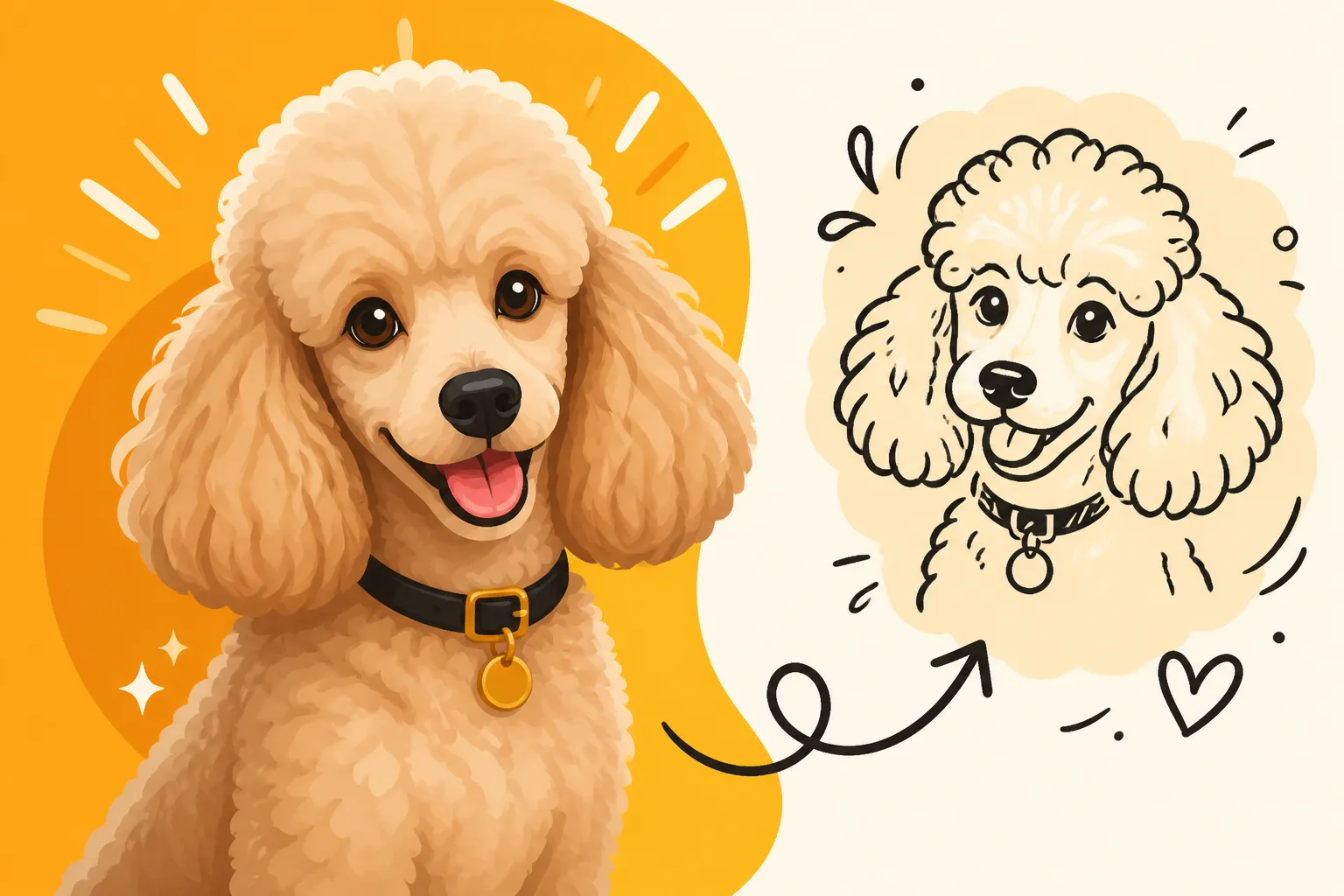
The Poodle Behind Every Doodle
You've probably noticed them everywhere lately: Goldendoodles, Labradoodles, Bernedoodles, Cavapoos, you name it. These charming, often shaggy-coated dogs have absolutely exploded in popularity, and it's easy to see why so many families fall for their delightful looks and personalities. But beneath every single one of those adorable "Doodle" names lies the unsung hero, the true foundation of these crossbreeds: the Poodle. This guide will take a deep dive into the Poodle's profound influence on the Doodle craze, helping you understand the genetic gifts and care requirements that come directly from their Poodle parentage.
The Poodle's Enduring Legacy: Why They're the Doodle's Foundation
It’s easy to get caught up in the "Doodle" moniker and forget that these dogs are, at their core, fifty percent Poodle—or even more, depending on the generation of the cross. The Poodle isn't just an arbitrary choice; it brings a powerhouse of desirable traits to any pairing, making it the go-to breed for creating these popular mixes. This isn't just about good looks; it's about a combination of practical and endearing qualities that breeders specifically seek out.
The Allure of the "Hypoallergenic" Coat
Let's be honest, for many, the primary draw of a Doodle is the promise of a "hypoallergenic" dog. While no dog is truly 100% hypoallergenic, the Poodle's unique coat comes closer than most. Poodles have hair, not fur, which means it grows continuously and sheds minimally, trapping dander and loose hairs within its curls rather than releasing them into the environment. This characteristic alone is a game-changer for individuals or families with mild to moderate dog allergies, opening up the world of canine companionship in a way that traditional shedding breeds simply cannot.
This highly sought-after Poodle coat is the genetic gold standard that Doodle breeders aim to replicate. When a Poodle is bred with another breed, the hope is that this low-shedding, allergy-friendly trait will be passed down to the puppies. However, it's important to remember that genetics are a roll of the dice in first-generation crosses. Some F1 (first generation) Doodles might inherit more of the Poodle's coat qualities, while others might lean more towards the other parent breed, resulting in coats that shed more than anticipated. Understanding Why Poodles Are Called Non-Shedding helps set realistic expectations for any Poodle-derived cross.
Unmatched Intelligence and Trainability
Beyond the coat, the Poodle is renowned for its exceptional intelligence. In Stanley Coren's ranking of canine intelligence, the Poodle consistently places among the top breeds, often second only to the Border Collie. This high intelligence isn't just for show-stopping tricks; it translates into incredible trainability, making Poodles eager learners who pick up new commands and routines with impressive speed. This is another major asset that the Poodle brings to the Doodle table.
A highly intelligent dog is often a highly adaptable dog, and this trait is incredibly valuable for families. Doodles frequently inherit this sharp Poodle mind, making them quicker to house-train, easier to teach basic obedience, and more responsive to advanced training. This means that many Doodle owners find their companions to be delightful to work with, whether it's learning to sit, stay, or even more complex tasks. This inherent cleverness is a huge benefit, as it means less frustration during the training process and a dog that can truly integrate into family life with good manners.
Versatility in Size and Temperament
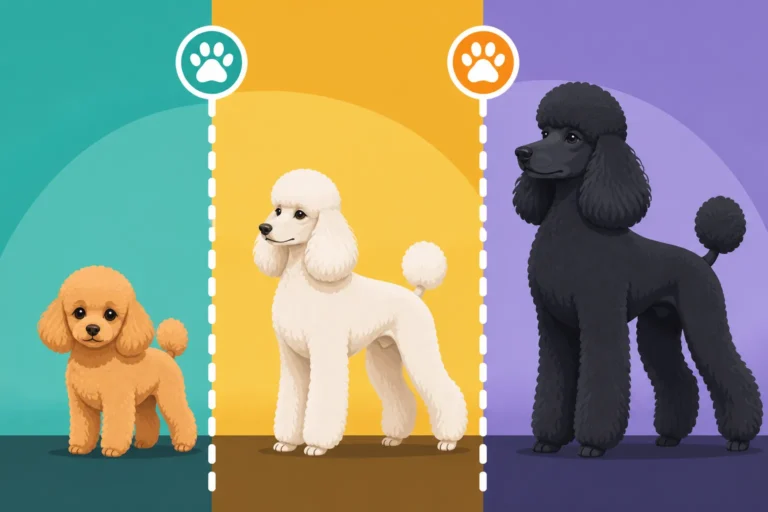
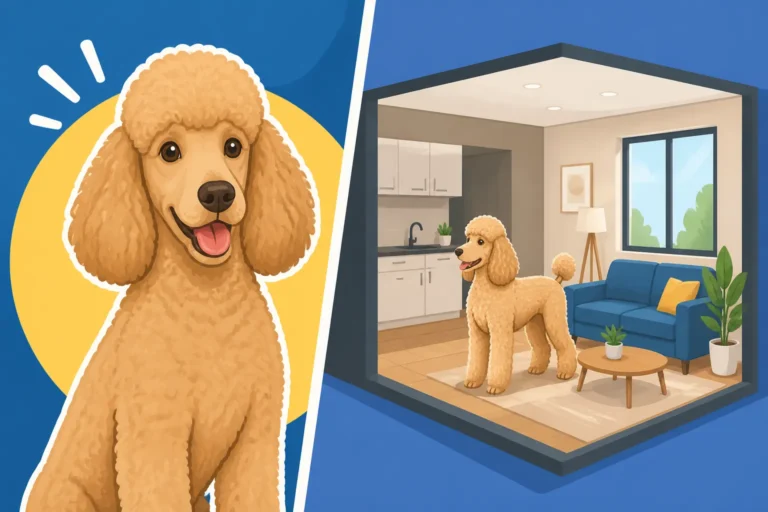
One of the often-overlooked aspects of the Poodle's genetic contribution is its sheer versatility. Poodles come in three distinct sizes: Standard, Miniature, and Toy. This range allows Doodle breeders to create crosses that fit various lifestyles and living situations, from apartment dwellers seeking a smaller companion to families with acreage wanting a larger, more robust dog. A Standard Poodle provides the foundation for a larger Goldendoodle or Labradoodle, while a Miniature Poodle might contribute to a medium-sized Cavapoo or Mini Goldendoodle, and Toy Poodles are used for the smallest "designer" breeds.
This size versatility is paired with a generally adaptable and often joyful temperament. Poodles are known for being affectionate, loyal, and good-natured with their families, thriving on companionship and interaction. While individual personalities always vary, the Poodle's baseline temperament contributes a significant degree of amiability and people-pleasing qualities to their Doodle offspring. They typically love to be involved in family activities and form strong bonds with their human companions, a trait highly valued in any pet.
Understanding the Poodle Coat: More Than Just "Non-Shedding"
When people talk about Poodles, the conversation almost immediately turns to their coat. It's distinctive, it's beautiful, and it's the reason many people consider a Poodle or a Poodle cross in the first place. But the reality of owning a Poodle-coated dog is often more complex than the simple phrase "non-shedding" suggests. This unique coat comes with specific care requirements that are crucial for owners to understand, especially those who might not have experience with this type of hair.
The True Nature of the Poodle's Single Coat
Unlike most dogs who have a double coat consisting of a soft undercoat and coarser guard hairs that shed seasonally, Poodles possess a single coat of dense, curly hair. This hair grows continuously, much like human hair, and has a different growth cycle. Instead of detaching from the follicle and falling out readily, dead hairs become tangled within the surrounding curls. This is why Poodles are often lauded as "non-shedding" – the hair doesn't fall off and blanket your furniture, but it does still come out.
The benefit here is clear for allergy sufferers; the dander and shed hair are largely contained. However, this also means that if these shed hairs are not regularly brushed out, they quickly form mats. These mats start as small tangles and can rapidly grow into dense, painful clumps that pull on the skin and can harbor moisture and bacteria, leading to skin issues. It's a double-edged sword: less shedding means more dedicated grooming to keep the coat healthy and comfortable. Understanding The Poodle Coat and Why It Never Stops Growing is foundational to providing proper care.
The Grooming Demands of a Poodle's Hair
Because the Poodle's coat grows continuously and is prone to matting, it demands a significant grooming commitment. This isn't just a once-a-month spa day; it's a regular regimen of brushing, bathing, and professional clipping every 4-8 weeks. Even a Poodle in a short "kennel clip" or "sporting clip" will require consistent brushing between professional grooms to prevent mats from forming. For Doodle owners hoping for a low-maintenance pet, this can be a rude awakening, as many Doodles inherit this high-maintenance coat type.
Imagine trying to brush through a mop of curly human hair that hasn't seen a comb in weeks – that's what a matted Poodle or Doodle coat feels like for the dog, only it's attached to their skin. Regular line brushing down to the skin is essential to prevent these painful tangles. Many owners opt for professional grooming every 4-6 weeks, which can add a substantial amount to the lifetime cost of owning one of these breeds. What Grooming Adds to a Poodle's Lifetime Cost is a real eye-opener for many prospective owners. High-quality brushes and combs are a must, and many Poodle owners rely on online retailers like Chewy for a steady supply of grooming essentials, from slicker brushes to detangling sprays.
How Poodle Coat Genes Influence Doodle Appearance
The genetics of the Poodle coat are complex, and when combined with another breed, the outcome for a Doodle's coat can be highly variable. The Poodle carries genes for curl and for non-shedding, but the other parent breed might carry genes for shedding, straight hair, or a different texture. This is why you see such a wide range of coat types even within a single litter of Doodles. Some Doodles might have a loose, wavy coat that sheds a moderate amount, while others get the full, tightly curled, non-shedding Poodle coat. Still others might end up with a wiry, scruffy coat that is also prone to matting.
Breeders often aim for specific "F" generations (e.g., F1, F1b, F2) to try and predict coat types, but even then, there's no absolute guarantee. An F1b Doodle (first generation backcross, meaning an F1 Doodle bred back to a purebred Poodle) is often sought after because it typically has a higher percentage of Poodle genetics, increasing the likelihood of a more reliably low-shedding, curly coat. However, regardless of the generation, owners of Poodle-crosses must be prepared for the grooming demands that stem from that Poodle heritage. A Doodle with a Poodle-like coat still needs Poodle-level grooming, even if it looks a bit scruffier. Without diligence, those beautiful curls quickly become a tangled mess.
Poodle Temperament: The Brains and Heart of a Doodle
While the coat might be the initial draw for many to Poodles and Doodles, it's the Poodle's incredible temperament that truly endears them to their families. Often unfairly stereotyped as "fussy" or "dainty," purebred Poodles are in fact highly intelligent, athletic, and deeply affectionate dogs with a rich history as working retrievers. These intrinsic qualities are what make Doodles such cherished companions, as they inherit much of their personality and mental acuity from their Poodle parent.
Poodle Intelligence and Its Impact on Doodles
As mentioned, Poodles are consistently ranked as one of the smartest dog breeds. This isn't just about being able to learn a trick quickly; it speaks to their cognitive abilities, problem-solving skills, and remarkable capacity for understanding human communication. This inherent intelligence is a significant asset in Doodles, making them generally quicker to house-train, eager to please, and highly responsive to training cues. Owners often describe their Doodles as "smart" and "attuned" to their feelings, a direct nod to their Poodle lineage.
However, high intelligence can also come with its own challenges. A smart dog is a dog that needs mental stimulation. If a Poodle or a Poodle-cross isn't given enough to do, they can become bored, and a bored dog can easily become a destructive dog. This might manifest as chewing furniture, excessive barking, or developing clever ways to get into mischief. Puzzle toys, interactive games, and consistent training are not just optional extras for these breeds; they are essential for keeping their bright minds happily engaged. Poodle Intelligence and Coren's Ranking offers more insight into how truly sharp these dogs are, and why they need a "job" to do, even if that job is just learning new tricks.
The Poodle's Sensitivity and Velcro Nature
Poodles are often described as "Velcro dogs" due to their strong desire to be close to their human companions. They thrive on interaction and affection, forming deep bonds with their families. This characteristic is frequently passed down to Doodles, who often become incredibly devoted and loving members of the household. They love to cuddle, follow you from room to room, and generally want to be involved in whatever you're doing. This intense desire for companionship makes them wonderful family pets, but it also means they don't do well when left alone for long periods.
This deep attachment can also lead to a predisposition for separation anxiety if not managed properly from a young age. A Poodle's sensitivity, while making them incredibly responsive to positive reinforcement training, also means they don't respond well to harsh corrections or yelling. They are attuned to their owner's emotions and can become withdrawn or anxious if treated unkindly. Many Doodle owners find their dogs to be highly empathetic, mirroring their own moods. For more on this, check out Poodle Temperament and Sensitivity, which delves into how these dogs truly feel and react to their environment and owners.
Energy Levels and Exercise Needs Passed Down
While Poodles are certainly elegant, they are far from being fragile couch potatoes. Especially Standard Poodles, in particular, are athletic, energetic dogs bred for retrieving from water. They require significant daily exercise and mental stimulation to be truly content. Miniature and Toy Poodles also need regular activity, but their smaller size means their needs can often be met with vigorous indoor play and shorter walks. These energy levels are faithfully passed on to their Doodle offspring.
A Goldendoodle or Labradoodle, for example, will often have the boundless energy of its Standard Poodle parent, requiring long walks, runs, or active play sessions daily. They excel in dog sports like agility, obedience, and even dock diving, thanks to their Poodle heritage. Even smaller Doodles, like Cavapoos, derive much of their playful exuberance from their Toy or Miniature Poodle side. Prospective Doodle owners should be prepared to meet these substantial exercise requirements, otherwise, that intelligent, energetic dog can quickly channel its energy into less desirable behaviors. Without proper outlets, even the smartest Doodle can become a nuisance.
Health Considerations: What Doodles Inherit from Their Poodle Side
One of the most critical aspects of owning any dog, purebred or crossbreed, is understanding their potential health challenges. When you bring a Doodle into your home, you're not just inheriting the Poodle's beautiful coat and brilliant mind; you're also inheriting its genetic predisposition to certain health conditions. This is a topic that often gets overlooked in the excitement of a new puppy but is vital for long-term well-being and responsible ownership.
Common Poodle Health Concerns Seen in Doodles
Poodles, like all purebred dogs, have specific health concerns that are more prevalent in the breed. Unfortunately, Doodles, being half or more Poodle, can and do inherit these conditions. Some of the most common issues include:
- Hip and Elbow Dysplasia: This is a genetic condition where the hip or elbow joints don't form properly, leading to arthritis and pain. It's more common in larger breeds like Standard Poodles and, consequently, larger Doodles.
- Progressive Retinal Atrophy (PRA): A group of degenerative eye diseases that can lead to blindness. This is a significant concern, particularly in Miniature Poodles, and therefore in smaller Doodle crosses.
- Addison's Disease: Also known as hypoadrenocorticism, this is an autoimmune disorder where the adrenal glands don't produce enough hormones. It's notoriously difficult to diagnose because its symptoms mimic many other conditions, earning it the nickname "the great pretender." Standard Poodles are disproportionately affected, and it is a concern for larger Doodles.
- Sebaceous Adenitis (SA): An inflammatory skin disease that destroys the sebaceous glands, leading to dry, scaly skin, hair loss, and secondary infections. It's particularly prevalent in Standard Poodles.
- Bloat (Gastric Dilatation-Volvulus): A life-threatening condition where the stomach fills with gas and twists. While not exclusively a Poodle issue, the deep-chested conformation of the Standard Poodle makes them highly susceptible, passing this risk onto larger Doodles.
- Luxating Patella: A condition where the kneecap slips out of place, common in smaller Poodles and thus a concern for Toy and Miniature Doodles.
- Thyroid Disease: Hypothyroidism, an underactive thyroid gland, is also seen in Poodles.
It’s a long list, and it highlights why choosing a responsible breeder who performs comprehensive health testing on their Poodle breeding stock is paramount. You need to understand that the "Doodle" part doesn't somehow magically negate these breed-specific risks. In fact, sometimes it can even complicate things further.
The Myth of Hybrid Vigor in Poodle Crosses
One of the arguments often made in favor of crossbreeding, particularly Doodles, is the concept of "hybrid vigor" or heterosis. The idea is that by mixing two different breeds, you introduce more genetic diversity, which can lead to a healthier, more robust offspring with fewer inherited diseases. While hybrid vigor can exist, it's frequently misunderstood and misapplied in the context of designer breeds. True hybrid vigor occurs when you breed two genetically distinct individuals from different populations, resulting in offspring that are superior to either parent in terms of fitness or health.
However, simply crossing two purebred dogs does not guarantee a healthier outcome. A Doodle inherits half its genes from the Poodle parent and half from the other parent breed. If both parent breeds carry genetic predispositions to similar conditions, or if the individual parents themselves are not thoroughly health-tested, the offspring can still inherit health problems from either side. For example, if both the Poodle and the Golden Retriever parents in a Goldendoodle cross have a propensity for hip dysplasia, the Goldendoodle puppy is still at significant risk. The "mix" doesn't inherently erase these genetic liabilities.
Importance of Genetic Testing in Poodle Parentage
This brings us to the absolute critical importance of genetic health testing. Reputable Poodle breeders and Doodle breeders who use Poodles as their foundation stock should perform a comprehensive battery of health screenings on their breeding animals. This goes far beyond a simple vet check-up. These tests are designed to identify carriers or affected individuals of the genetic diseases common to Poodles, such as PRA, Von Willebrand Disease, Addison's, and hip/elbow dysplasia. Genetic Panels for the Three Poodle Sizes are available and should be utilized.
Prospective Doodle owners should always ask to see the health clearances for both parent dogs, not just a vague assurance that "they've been checked." Look for official certifications from organizations like the Orthopedic Foundation for Animals (OFA) for hips, elbows, and patellas, and the Canine Eye Registry Foundation (CERF) for eyes. Genetic DNA tests can identify carriers of specific diseases, allowing breeders to make informed choices that reduce the risk of passing on these conditions. For example, if a Poodle carries a gene for PRA, it should only be bred to a Poodle that is clear of that gene to ensure no puppies are affected. Responsible breeding practices, rooted in rigorous health testing, are the only way to genuinely increase the likelihood of healthier puppies, whether they are purebred Poodles or Doodles. You can even find services for genetic testing through online pet retailers like Chewy, offering convenient ways for breeders to access these crucial tests.
Poodles Versus Doodles: A Deeper Dive into Differences
When considering a Poodle-derived companion, it's easy to get lost in the terminology and trends. The sheer popularity of Doodles has, in some ways, overshadowed the purebred Poodle, leading many to believe that Doodles are simply "Poodles with something extra" or even an improved version. However, there are fundamental differences between purebred Poodles and Poodle crosses, particularly when it comes to predictability, genetic heritage, and the ethics of breeding. Understanding these distinctions is key to making an informed choice about which type of dog is truly right for your home and lifestyle.
Predictability in Purebred Poodles
One of the most significant advantages of choosing a purebred Poodle is predictability. Generations of selective breeding have refined the Poodle's traits, leading to a relatively consistent standard for appearance, temperament, and even expected health predispositions. When you bring home a purebred Poodle puppy from a reputable breeder, you have a very good idea of what that puppy will grow into. You know the approximate adult size, the specific type of coat and its grooming needs, and a generally consistent temperament profile (intelligent, sensitive, athletic, loyal).
This predictability extends to health. While no dog is guaranteed to be free from health issues, responsible Poodle breeders adhere to strict health testing protocols for generations, meticulously tracking genetic lines to minimize the risk of known breed-specific diseases. They often belong to breed clubs, participate in conformation shows to validate their breeding stock against the breed standard, and commit to improving the breed. This dedication results in a clearer picture of what to expect, making it easier for owners to prepare for their dog's specific needs throughout its life. It also allows for a better understanding of potential risks, like those outlined in Poodle Health Splits by Size.
The Variability of Doodle Traits
In contrast, Doodles, especially first-generation (F1) crosses, exhibit a much higher degree of variability. Because they are a mix of two distinct breeds, their traits can be a grab bag, pulling from either parent in unpredictable ways. This means that while you might hope for the Poodle's low-shedding coat, you could just as easily end up with a coat that sheds and mats significantly. Similarly, temperament can lean more towards one parent breed or the other, and size can be difficult to predict even within the same litter.
Think of it like this: two siblings can look wildly different even if they share the same parents. The same genetic lottery applies to Doodles. This variability can be charming to some, offering a unique individual, but it can also be frustrating for those who had specific expectations. A family seeking a truly "hypoallergenic" dog, for instance, might be disappointed if their Doodle inherits more of the shedding trait from its non-Poodle parent. The blend of two distinct genetic pools often leads to less consistency in traits that are highly valued and promoted in the Doodle market. This is why Poodle Versus Doodle Crosses explores these nuances in detail.
The Cost and Ethical Considerations of Breeding
The immense popularity of Doodles has led to a booming industry, but not all breeders operate with the same ethical standards. Many "designer dog" breeders, unfortunately, capitalize on the demand without conducting proper health testing or adhering to responsible breeding practices. They may breed dogs simply for profit, without a deep understanding of genetics or a commitment to the health and welfare of their parent dogs and puppies. This can result in puppies with inherited health conditions, unpredictable temperaments, and coat issues that are expensive and challenging for new owners.
Reputable Poodle breeders, on the other hand, often spend years—even decades—perfecting their lines, focusing on health, temperament, and adherence to the breed standard. They invest heavily in health testing, proper nutrition, early socialization, and often have waitlists for their puppies, reflecting the care and dedication involved. While a purebred Poodle puppy from a responsible breeder might have a similar or even higher initial cost than a Doodle, that price reflects generations of careful breeding and comprehensive health clearances that aim to ensure a healthier, more predictable companion. Asking the right questions and demanding transparent health clearances, as discussed in What a Poodle Breeder Must Test For, is crucial regardless of whether you choose a Poodle or a Doodle.
Embracing the Poodle: Beyond the Doodle Trend
For years, the Poodle has been misunderstood, often caricatured as a "fussy" show dog, despite its impressive history as a robust working retriever. The rise of the Doodle has certainly brought renewed attention to the Poodle's excellent qualities, but it's also arguably taken focus away from the purebred Poodle itself. As we move past the initial hype, it's worth taking a moment to truly appreciate and rediscover the magnificent purebred Poodle for all its inherent virtues.
Rediscovering the Purebred Poodle's Charm
The purebred Poodle is a dog of incredible grace, intelligence, and versatility. From the regal Standard Poodle to the charming Miniature and the spirited Toy, each size embodies the core Poodle characteristics. They are athletic, capable, and profoundly loyal companions who thrive on being an integral part of their family. Their reputation for being "fancy" often overshadows their true nature as hardy, intelligent working dogs who love to play, learn, and explore. They are not merely components for another breed; they are a complete, wonderful package in themselves.
Beyond their renowned intelligence and low-shedding coat, Poodles possess a unique charm. They often have a playful, almost mischievous sense of humor, balanced with a keen sensitivity to their owner's emotions. They are often excellent with children and other pets when properly socialized, and their desire to please makes them highly adaptable to various living situations. Many Poodle owners will tell you that once you've lived with a Poodle, you truly understand why they are so beloved and why they've maintained their popularity for centuries.
The Benefits of a Predictable Companion
Choosing a purebred Poodle offers the distinct benefit of predictability, as explored earlier. This consistency allows prospective owners to make a more informed decision about whether the breed is truly a good fit for their lifestyle. You know, within a reasonable margin, what your Poodle will look like, how large it will grow, what its general temperament will be, and what its grooming and exercise requirements entail. This removes much of the guesswork inherent in crossbreeds, which can be invaluable for first-time dog owners or those with specific needs, such as allergy sufferers who require a truly low-shedding dog.
The breed standard for Poodles, maintained by organizations like the American Kennel Club, defines not just their physical appearance but also their desired temperament and health predispositions. This provides a clear roadmap for what to expect and what to seek out in a responsible breeder. When you choose a purebred Poodle, you are investing in a dog with a well-documented history, a clear genetic profile, and a community of dedicated enthusiasts and breeders committed to upholding the breed's integrity and health.
Finding a Reputable Poodle Breeder
If the Poodle's virtues resonate with you, the next crucial step is finding a reputable breeder. This is not a process to rush. A good breeder will be passionate about their dogs, prioritize health and temperament, and be transparent about their breeding practices. They will welcome questions, provide health clearances for both parents, and be a resource for you throughout your dog's life. They will also likely have a waiting list, which is a good sign, as it indicates demand for their well-bred puppies.
When looking for a Poodle breeder, start by researching local and national Poodle clubs. These organizations often have breeder directories and codes of ethics that members must follow. Expect to fill out an application and have an in-depth conversation with the breeder. They should ask you as many questions as you ask them, ensuring their puppies are going to suitable homes. Never buy a puppy from a breeder who won't allow you to meet the puppy's parents, see where the puppies are raised, or provide verifiable health clearances. For a deeper dive into this essential process, refer to Finding a Poodle Breeder Who Tests. Reputable breeders understand that the health and happiness of their puppies are paramount, and they take every step to ensure a positive outcome for both the dog and its new family.
| Feature | Purebred Poodle | Poodle Cross (Doodle) |
|---|---|---|
| Genetic Predictability | High: Consistent appearance, size, temperament, and health predispositions due to generations of selective breeding. | Variable: Traits can lean towards either parent, leading to wide variations in coat, size, and temperament even within one litter. |
| Coat Characteristics | Single coat, continuously growing, sheds minimally (hair trapped in curls). Requires extensive regular grooming. | Highly variable: Can be curly, wavy, or straight; may shed minimally or moderately. All types still prone to matting. |
| Grooming Needs | High: Professional grooming every 4-8 weeks, daily brushing essential. | High: Most Doodles inherit demanding coats that require consistent professional grooming and daily brushing to prevent matting. |
| Intelligence/Trainability | Extremely high: Eager to learn, quick to pick up commands, requires significant mental stimulation. | High: Often inherits the Poodle's intelligence, making them generally trainable, but also prone to boredom without mental engagement. |
| Temperament | Loyal, affectionate, sensitive, athletic, playful, "Velcro dog" tendency. | Variable: Can take on traits from either parent. Generally friendly, but specific nuances vary more widely. |
| Health Testing | Reputable breeders perform extensive genetic testing specific to Poodle health concerns. | Responsible breeders should test both Poodle parent and the other breed parent for their respective breed-specific conditions. |
| Hybrid Vigor | Not applicable (purebred). | Often claimed, but true hybrid vigor is not guaranteed by a simple cross and requires careful genetic management. |
| Purpose/History | Bred as water retrievers, highly versatile working dogs. | Bred primarily as companion dogs, often with the aim of combining desirable traits from two breeds. |
| Appearance | Conforms to a strict breed standard. | Wide range of appearances, often not conforming to any specific standard. |
Disclaimer
This article is for general informational purposes only and does not constitute professional advice. Laws, prices and regulations vary by location and change over time. Consult a qualified professional for guidance on your specific situation.