Caring for an Aging Poodle
Watching our beloved Poodles age brings a unique mix of gratitude and sadness. Their boundless energy and playful antics slowly give way to slower movements, more naps, and sometimes, a little confusion in their beautiful, intelligent eyes. This shift can be disorienting for us owners, as we try to decipher what’s normal aging versus what might be a sign of discomfort or a health issue. This guide is here to walk you through the journey of caring for your senior Poodle, helping you understand their changing needs and provide them with the best quality of life in their golden years.
Understanding the Poodle Aging Process
It's a bittersweet truth that our Poodles don't stay puppies forever. Just like us, they experience a gradual decline in various bodily functions as they age. This process, however, isn't a sudden event but a slow transition, often marked by subtle changes that accumulate over time. Knowing what to expect and how to interpret these shifts can make all the difference in providing proactive and compassionate care.
Recognizing the Early Signs of Aging
You might start noticing changes in your Poodle long before they hit a universally agreed-upon "senior" age. For smaller Poodles like Toys and Miniatures, signs might appear around 8-10 years, while a Standard Poodle might begin showing them closer to 6-8 years. One of the first things many owners observe is a general slowing down. Their once eager sprint to the door might become a leisurely trot, or they might opt for an extra nap instead of chasing a ball. They might not jump onto the sofa with the same effortless grace, or perhaps they hesitate before tackling stairs.
Beyond physical slowing, you might also notice subtle shifts in their senses. Their hearing might not be as sharp, leading to them not responding to commands as readily, or perhaps barking at unexpected noises they didn't hear approaching. Vision can also deteriorate; they might bump into furniture in dimly lit rooms or seem less confident navigating new environments. Sometimes, you'll see a dulling of their once bright eyes, or even a slight cloudiness that could indicate the start of cataracts. It's important to differentiate these age-related changes from sudden, acute symptoms that require immediate veterinary attention. These early signs are often our cue to start thinking about adjusting their routines and environment to better suit their evolving needs.
Another common early indicator is a change in their coat texture or volume. Even if you've always diligently brushed your Poodle, you might notice their once dense, springy curls becoming a bit coarser, thinner, or even more prone to matting. This can be especially noticeable on their topknot, where you might observe When a Poodle's Topknot Starts Thinning With Age. Their skin might also become drier or more sensitive. These changes are part of the natural aging process, reflecting decreased skin elasticity and slower hair growth cycles. Keeping up with grooming becomes even more critical during this time, perhaps requiring different brushes or more frequent, gentle sessions to prevent discomfort.
Differences in Aging Across Poodle Sizes
While all Poodles age, the timeline and specific health predispositions can vary significantly across the three sizes. It's a fascinating aspect of the breed, and understanding these differences helps us tailor our care more effectively. Generally speaking, smaller dogs tend to live longer than larger dogs, and Poodles are no exception. This means that a Toy Poodle might remain spry well into their early teens, whereas a Standard Poodle might start exhibiting senior signs much earlier. For a deeper dive into these variations, you might find it helpful to read about Poodle Lifespan Across the Three Sizes.
Toy Poodles, while generally long-lived, can be prone to different age-related issues compared to their larger cousins. For instance, their small joints can be susceptible to conditions like luxating patella, which might worsen with age and lead to chronic discomfort. They also have tiny teeth that are prone to dental disease, an issue that can become more severe and impact overall health as they get older. On the other hand, Standard Poodles, with their larger frames, are more commonly affected by conditions such as hip and elbow dysplasia, which can lead to significant arthritis in their senior years. They are also prone to certain cancers and bloat, which can be more prevalent as they age. Knowing these general tendencies allows us to be more vigilant about specific symptoms and discuss preventative care with our vets.
Miniature Poodles often fall somewhere in between, sharing some health concerns with both Toy and Standard sizes. For instance, they might experience patellar luxation like Toys, but also carry some risk for Addison's disease, which is more common in Standards. The key takeaway here is that while we celebrate their individual longevity, we must also be aware of the size-specific vulnerabilities that can emerge as they transition into their senior years. This proactive mindset, informed by breed-specific knowledge, empowers us to provide the most targeted and effective care, allowing them to enjoy their golden years with as much comfort and joy as possible.
The Emotional Impact of an Aging Poodle on Owners
Let's be honest, watching your Poodle age is tough. There's a profound emotional impact that often goes unacknowledged. You've shared years of memories, laughter, and unconditional love with this furry family member, and seeing them slow down can trigger a range of feelings from sadness and grief to frustration and even guilt. It's completely normal to feel this way. That energetic puppy you brought home, who once chased butterflies with unbridled enthusiasm, is now struggling to climb the steps or seems disoriented in familiar rooms. This shift in their capabilities can feel like a personal loss, even while they are still physically present.
Many owners experience what's known as anticipatory grief – mourning the loss of their Poodle's youth, their vitality, and the fear of the inevitable future. You might find yourself dwelling on their limited time, looking at them and remembering all the stages of their life, and knowing that their chapter is slowly drawing to a close. This can lead to increased anxiety, as every cough, stumble, or missed meal becomes a source of worry. It's a heavy burden to carry, especially when you're also trying to manage their daily care, which might have become more demanding. It’s important to acknowledge these feelings and give yourself permission to feel them. You are allowed to grieve the changes you see in your Poodle, even as you cherish every moment you still have together.
This emotional toll can also manifest as guilt. You might second-guess every decision you make, wondering if you're doing enough, if you're making the right choices, or if you could have done something differently earlier in their life to prevent current issues. "Did I exercise them enough? Did I feed them the right food? Should I have noticed that limp sooner?" These thoughts can be relentless. It's crucial to remember that you are doing your best, and your Poodle feels your love. Focus on providing comfort and care in the present moment, and don't let guilt overshadow the precious time you have left. Seek support from friends, family, or online communities who understand what you’re going through. Your Poodle needs your strength and your love, and you need to be kind to yourself through this challenging period.
Veterinary Care for Senior Poodles
As Poodles enter their senior years, their veterinary needs change quite a bit. What was once an annual check-up to make sure everything was ticking along nicely now becomes a much more crucial and detailed appointment. It's not about being alarmist, but about being proactive and catching potential issues early, when they're often more manageable. Our goal isn't just to extend their lives, but to enhance their quality of life, keeping them comfortable and happy for as long as possible.
Importance of Regular Senior Check-ups
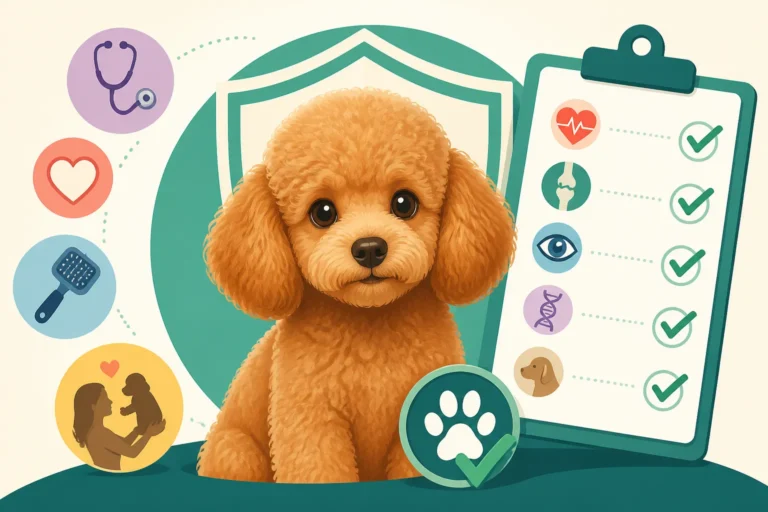
When your Poodle hits those senior years, those yearly vet visits become incredibly important, often needing to be biannual or even more frequent depending on their health. Think of it like this: a lot can change in six months for an aging dog. Conditions can progress, and new symptoms can emerge that might have been imperceptible just a few weeks prior. Regular check-ups allow your veterinarian to establish a baseline for your Poodle's health markers, making it easier to spot deviations. They'll typically perform a thorough physical examination, paying close attention to joint mobility, dental health, vision, hearing, and palpating for any unusual lumps or bumps that might indicate a developing issue.
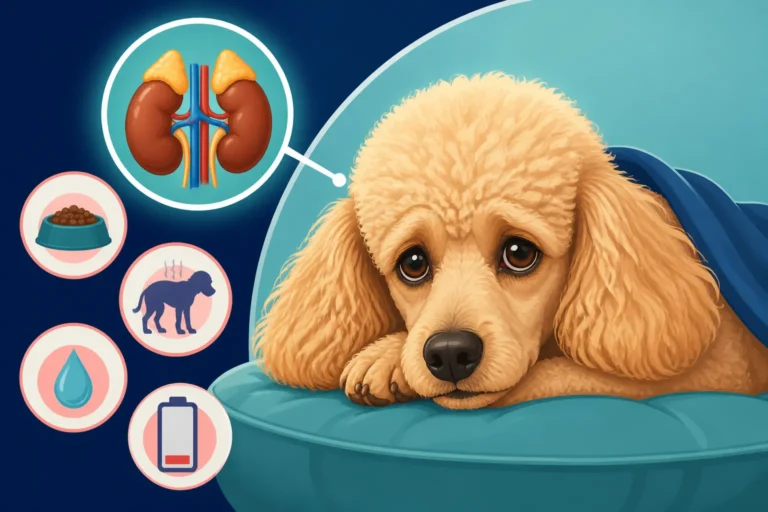
Beyond the physical exam, senior check-ups usually involve a comprehensive panel of diagnostic tests. This often includes blood work to assess organ function (kidneys, liver), check for anemia, and screen for metabolic diseases like diabetes or thyroid issues. Urine analysis is also vital, as it can reveal kidney problems, urinary tract infections, or even early signs of diabetes. These tests can uncover hidden health problems long before your Poodle shows obvious symptoms, giving you a head start on treatment. For example, catching early kidney disease means you can start dietary changes and medications sooner, potentially slowing its progression and improving your Poodle's comfort for longer. Discussions during these visits might also touch upon specific concerns like Kidney Values to Watch in a Senior Poodle.
These regular appointments are also the perfect opportunity to discuss any subtle changes you've observed at home, no matter how minor they seem. Have they been drinking more water? Are they sleeping more? Is their appetite different? Even slight shifts in behavior or routine can be critical clues for your vet. This collaborative approach between you and your vet is crucial. They rely on your observations, and you rely on their expertise and diagnostic tools. Don't be afraid to bring a list of questions or concerns to these appointments; it ensures all your worries are addressed, and you leave feeling confident in your Poodle's care plan. Many owners find having a robust pet insurance plan, like those offered by Healthy Paws, helps alleviate the financial stress of these necessary, more frequent vet visits and diagnostic tests.
Common Health Issues in Older Poodles
As Poodles age, just like humans, they become more susceptible to a range of health conditions. While genetics and individual luck play a part, there are some common ailments that many senior Poodles will encounter. One of the most prevalent is osteoarthritis, often simply called arthritis. Years of running, jumping, and playing take their toll on joints, leading to inflammation, pain, and reduced mobility. You might notice your Poodle struggling to get up after resting, limping, or showing reluctance to go on walks. This discomfort can be profound, and addressing Arthritis in a Twelve-Year-Old Poodle is a significant step in enhancing their quality of life.
Another common concern, particularly in Miniature and Standard Poodles, is endocrine diseases. Thyroid disease, specifically hypothyroidism, can manifest as weight gain, lethargy, and changes in their coat texture. Addison's disease, while often diagnosed earlier, can also pose ongoing challenges for senior Standards, requiring careful monitoring and management. Diabetes mellitus is another condition that can develop with age, characterized by increased thirst, urination, and weight loss despite a good appetite. Early diagnosis through blood tests during senior check-ups is key to managing these conditions effectively with medication and dietary adjustments.
Beyond physical ailments, many senior Poodles experience changes in their cognitive function. Canine Cognitive Dysfunction (CCD), akin to Alzheimer's in humans, is increasingly recognized. Symptoms can include disorientation, changes in sleep-wake cycles, altered interactions with family members, house soiling, and increased anxiety. It's heartbreaking to see your bright Poodle seem confused, and understanding Cognitive Decline in an Old Poodle is important for providing appropriate support. Other age-related issues include dental disease, which can lead to pain and systemic infections if left untreated, and various forms of cancer, which unfortunately become more common as lifespan increases. Staying alert to any new symptoms and discussing them with your vet is paramount to navigating these potential challenges.
Managing Chronic Pain and Discomfort
Living with chronic pain can drastically diminish a Poodle's quality of life, so actively managing it is a cornerstone of senior care. It’s not always obvious when a Poodle is in pain because they are often stoic and will try to hide their discomfort. This is particularly true for sensitive breeds like Poodles; they might go quiet or withdraw rather than vocalize their pain, making it challenging to decipher what's happening. Learning to Reading Pain in a Sensitive Poodle can help you recognize subtle cues like changes in posture, reluctance to be touched, or altered gait. Once pain is identified, there are numerous strategies available to help alleviate it.
Veterinarians often start with non-steroidal anti-inflammatory drugs (NSAIDs) for joint pain and inflammation. These medications can significantly improve mobility and comfort, but they require careful monitoring of kidney and liver function, especially in older dogs. Beyond NSAIDs, your vet might suggest other pain relief options, such as gabapentin for neuropathic pain, or even newer injectables like Librela (for osteoarthritis) which specifically target nerve growth factor, offering another avenue for relief. The goal is to create a multi-modal pain management plan, often combining several approaches to provide the best possible comfort. Physical therapy, including gentle massage, passive range of motion exercises, and hydrotherapy (swimming in warm water), can also be incredibly beneficial, strengthening muscles, improving flexibility, and reducing stiffness without putting excessive strain on aching joints.
Beyond medication and physical therapy, environmental modifications at home play a huge role. Providing orthopedic beds, installing ramps or steps to access furniture or cars, and ensuring good traction on slippery floors can dramatically reduce the physical strain on their bodies. Nutritional supplements, which we'll discuss further, can also support joint health. The best approach involves open communication with your veterinarian, regularly assessing your Poodle's comfort levels, and being willing to adjust the pain management plan as their needs change. The aim is to ensure their golden years are as free from pain as possible, allowing them to enjoy their remaining time with dignity and joy.
Nutrition and Hydration for the Golden Years
Just like we rethink our own diets as we age, our Poodles' nutritional needs shift significantly in their senior years. What fueled them as a spry youngster might not be appropriate for a slower, less active senior. Getting their diet right is fundamental to supporting their health, maintaining muscle mass, and preventing obesity, which can exacerbate many age-related conditions.
Adjusting Diet for an Aging Metabolism
As your Poodle moves into their senior years, their metabolism naturally slows down. They're typically less active, meaning they burn fewer calories throughout the day. Continuing to feed them the same quantity and type of food they ate as a young adult can quickly lead to weight gain. Poodle Obesity and Its Consequences are significant, including increased strain on joints, exacerbation of arthritis, higher risk of diabetes, and a decreased overall lifespan. Therefore, adjusting their diet is paramount. You'll want to transition them to a high-quality senior dog food. These formulations are specifically designed with lower calorie counts, reduced fat, and often higher fiber content to help them feel full without overeating.
However, "senior" doesn't just mean "less." While calorie intake might decrease, the quality of those calories becomes even more critical. Senior Poodles need highly digestible protein to help maintain muscle mass, which naturally declines with age. Look for foods with excellent sources of animal protein as the first ingredient. Many senior diets also contain added nutrients like L-carnitine, which helps convert fat into energy, and antioxidants to support a healthy immune system and combat cellular damage. The key is a gradual transition over 7-10 days to avoid upsetting their stomach. Start by mixing a small amount of the new food with their old food, slowly increasing the proportion of the new diet each day.
Portion control becomes more important than ever. Instead of just "eyeballing it," consider using a measuring cup to ensure you're feeding the precise amount recommended by the food manufacturer or your veterinarian. Your vet can also help you determine an ideal weight for your Poodle and calculate the appropriate daily caloric intake, taking into account their activity level and any existing health conditions. It's often beneficial to feed smaller, more frequent meals, especially for Toy Poodles, to aid digestion and prevent large drops in blood sugar. Remember, managing their weight effectively through proper diet is one of the kindest things you can do for your aging Poodle. For more specific guidance, you might want to look into Feeding a Poodle Past Ten.
Supplements to Support Senior Poodle Health
While a balanced senior diet is the foundation, supplements can play a valuable role in addressing specific age-related concerns and promoting overall well-being. Joint supplements are perhaps the most popular and often recommended for aging Poodles, especially those showing signs of arthritis. Ingredients like glucosamine and chondroitin sulfate are widely used to support cartilage health and joint lubrication, while MSM (methylsulfonylmethane) can help reduce inflammation and pain. Omega-3 fatty acids, particularly EPA and DHA from fish oil, are also excellent for their anti-inflammatory properties, benefiting not only joints but also skin, coat, and cognitive function. When choosing a supplement, always look for reputable brands and discuss options with your veterinarian to ensure they are appropriate and won't interact negatively with any medications your Poodle is taking. You can delve deeper into this topic by exploring Joint Supplements Worth Giving a Poodle.
Beyond joint health, other supplements can target specific needs. For Poodles experiencing cognitive decline, supplements containing antioxidants like Vitamin E and C, SAMe (S-adenosylmethionine), and medium-chain triglycerides (MCTs) can help support brain health and potentially slow the progression of cognitive dysfunction. Some vets might recommend probiotics for digestive health, especially if your senior Poodle experiences occasional stomach upset or has been on antibiotics. For Poodles with thinning coats or dry skin, additional omega fatty acids or biotin supplements might be beneficial.
It's crucial to approach supplements with a discerning eye. Not all supplements are created equal, and some may contain fillers or ineffective dosages. Always consult your veterinarian before starting any new supplement regimen. They can help you identify your Poodle's specific needs, recommend high-quality products, and ensure that the supplements complement their existing diet and medication plan. While supplements aren't a magic bullet, used judiciously, they can significantly contribute to your senior Poodle's comfort and vitality, helping them enjoy their later years more fully.
Ensuring Adequate Hydration
Hydration is a cornerstone of health at any age, but it becomes particularly critical for senior Poodles. As dogs age, their kidney function can decline, and they might become more susceptible to dehydration. Additionally, some older Poodles might have reduced thirst drive or find it uncomfortable to bend down to drink, especially if they have arthritis in their neck or spine. Dehydration can exacerbate kidney problems, lead to constipation, and make them generally feel unwell and lethargic. Therefore, actively encouraging and monitoring their water intake is a vital part of senior care.
The simplest step is to ensure fresh, clean water is always available in multiple locations throughout your home. If your Poodle has difficulty bending, try using elevated bowls, which can make drinking more comfortable. Some Poodles are particular about their water, so experimenting with different bowl materials (stainless steel, ceramic) or even a pet fountain, which provides circulating, filtered water, might encourage them to drink more. Pet fountains, such as those from PetSafe or Pioneer Pet, can be very appealing to dogs as the moving water is often perceived as fresher. If your Poodle seems reluctant to drink, you can try adding a splash of low-sodium chicken broth to their water, or even adding water to their kibble to increase their fluid intake during meal times.
Monitoring their hydration levels is also important. A quick way to check is to gently lift the skin on their back between their shoulder blades; if it snaps back quickly, they are likely well-hydrated. If it tents or is slow to return to normal, they may be dehydrated. Their gums should also be pink and moist; tacky or pale gums can be another sign of dehydration. Regular vet check-ups will also include hydration assessments. If you notice a significant decrease in water intake or signs of dehydration, consult your vet immediately. Ensuring your senior Poodle stays well-hydrated is a simple yet powerful way to support their overall health and kidney function, keeping them feeling better day-to-day.
Maintaining Mobility and Physical Comfort
One of the most noticeable aspects of aging in Poodles is a decline in mobility. Joints stiffen, muscles weaken, and their once effortless movements become more labored. Our role as owners is to adapt their environment and routines to support their physical comfort, allowing them to remain as active and independent as possible without causing undue pain or injury.
Gentle Exercise and Activity Modifications
While your senior Poodle might not be able to keep up with the same high-energy activities they once enjoyed, maintaining a consistent, gentle exercise routine is crucial for their physical and mental well-being. Regular, low-impact activity helps to keep joints flexible, strengthens muscles that support their frame, and helps prevent weight gain. Instead of long, strenuous runs, opt for shorter, more frequent walks on soft surfaces like grass, which are easier on their joints. A couple of 15-20 minute walks throughout the day might be far more beneficial than one long, tiring trek. Pay close attention to their cues; if they seem tired, slow down or turn back. The goal is gentle movement, not exhaustion.
Consider alternative forms of exercise that are less impactful. Swimming, for example, is an excellent low-impact activity that provides a full-body workout without stressing joints. Many canine rehabilitation centers offer heated pools for hydrotherapy, which can be incredibly therapeutic for arthritic Poodles. Even gentle play indoors, like rolling a soft ball or engaging in scent games, can provide mental stimulation and light physical activity. Remember to adjust the intensity and duration based on their daily energy levels and any pain they might be experiencing. On days when they're particularly stiff or sore, a very short stroll to relieve themselves might be all they can manage. The key is consistency and listening to your Poodle's body, ensuring that exercise remains a joyful part of their day, not a source of discomfort. For a standard Poodle, even just a walk around the block can be challenging if their hips are bothering them, so observing how far they comfortably go is key.
Another modification might involve avoiding activities that put undue strain on their aging bodies. This could mean discouraging vigorous jumping on and off furniture or out of the car. Instead, teach them to use ramps or steps. If your Poodle has always loved fetching, modify the game to shorter throws and softer landings. The goal isn't to stop them from enjoying life but to adapt how they engage with it, protecting their joints and preventing further injury. Regular, gentle movement can also help prevent Poodle Obesity and Its Consequences, which is often exacerbated by a sedentary lifestyle. A good pet insurance policy like Healthy Paws can also offer coverage for rehabilitation therapies like hydrotherapy, making these beneficial treatments more accessible for managing chronic pain.
Creating a Comfortable Environment
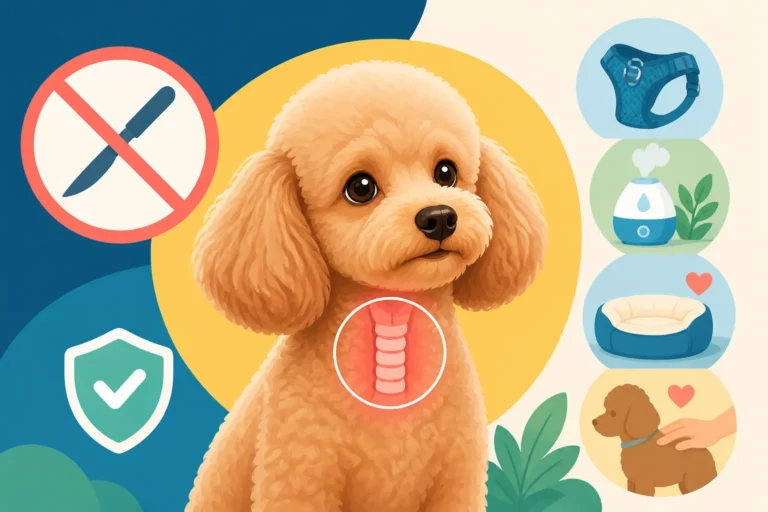
Making your home senior-Poodle-friendly is one of the most impactful ways to enhance their daily comfort and prevent accidents. Start by assessing their sleeping areas. Orthopedic beds are a game-changer for arthritic Poodles, providing superior support for their joints and cushioning pressure points. Place these beds in quiet, easily accessible spots where they feel secure and can rest undisturbed. Consider having multiple beds around the house, so they don't have to travel far to find a comfortable spot to nap.
Slippery floors can be a major hazard for older Poodles with unsteady gaits or weakened legs. Hardwood, tile, or laminate floors can lead to slips, falls, and injuries. Place non-slip rugs or runners in high-traffic areas, especially where they eat, drink, or get up from rest. Toe grips or non-slip booties can also provide extra traction. If your Poodle struggles with stairs, a ramp can be an invaluable investment, protecting their spine and joints from the strain of climbing. Similarly, ramps for accessing the car or even the sofa can make a huge difference in their independence and your peace of mind. Ensure pathways are clear of clutter, making it easier for them to navigate, particularly if their vision is declining.
Temperature control is another important factor. Older Poodles might be more sensitive to cold, especially if they have a short clip. Provide a warm, draft-free sleeping area, and consider a sweater or dog coat during colder months or if your house is chilly. Conversely, they can also overheat more easily, so ensure they have access to cool areas and plenty of fresh water during warmer weather. Small adjustments to their environment can significantly improve their quality of life, allowing them to move more freely and comfortably within their own home. For practical guidance on how to prevent slips and falls and ensure safe movement for older dogs, look for information on Home Care for a Poodle in Cognitive Decline, as many of these tips also apply to mobility issues.
Grooming Challenges in an Older Poodle
Grooming a Poodle is always an involved process, but it can become particularly challenging as they age. Their physical limitations, such as arthritis, can make standing for long periods or holding certain positions uncomfortable, even painful. What was once a routine can become a source of stress for both you and your Poodle. Stiffness in their hips or back means they might not be able to tolerate being brushed out in their usual positions, and they might become more sensitive to touch. This increased sensitivity can also make them more vocal or defensive during grooming sessions, leading to frustration for everyone involved.
To make grooming more manageable, break sessions into shorter, more frequent intervals. Instead of one long, arduous session, try 10-15 minutes of gentle brushing daily. This reduces the physical strain and prevents large mats from forming, which are much harder and more painful to remove. Invest in a comfortable grooming table with good traction, ideally one that can be lowered to reduce the need for jumping or lifting. Use gentle brushes, like a soft slicker brush or a wide-toothed comb, and always be mindful of pressure. If your Poodle flinches or shows signs of discomfort, stop and reassess. You might also find it useful to use detangling sprays or conditioning treatments to make their coat easier to manage.
For professional grooms, communicate closely with your groomer. Let them know about your Poodle's specific aches and pains, any sensitive areas, or if they have difficulty standing. A good groomer will be understanding and adjust their techniques, perhaps allowing for more breaks, using quieter clippers, or trying different positions to ensure your Poodle's comfort. They might also recommend a shorter, more practical clip that is easier to maintain at home between professional visits, reducing the frequency of potentially stressful, longer sessions. The goal is to keep them clean and mat-free without causing additional pain or anxiety, ensuring their coat health remains a priority, even if it means a less elaborate style.
Addressing Cognitive and Behavioral Changes
Aging isn't just about the body; the mind also undergoes changes. For many Poodles, these cognitive shifts can be just as, if not more, challenging to navigate for owners. What often appears as "just getting old" might actually be a recognizable condition requiring specific strategies and veterinary support.
Understanding Canine Cognitive Dysfunction CCD
Canine Cognitive Dysfunction (CCD), sometimes referred to as "dog dementia" or "canine Alzheimer's," is a neurodegenerative disease that affects senior dogs. It's not just a normal part of aging; it's a progressive condition that impacts memory, learning, and overall awareness. The symptoms can be subtle at first but typically worsen over time. You might notice your Poodle becoming disoriented in familiar surroundings, getting "stuck" in corners, or staring blankly at walls. Their interactions might change; they might seek less attention, or conversely, become clingier and more anxious.
Sleep-wake cycles are often disrupted. A Poodle with CCD might sleep more during the day and then wander or pace restlessly at night, sometimes vocalizing. House-soiling, even in a previously perfectly house-trained dog, is another common symptom, not due to defiance, but because they simply forget where they are or what they're supposed to do. Their learning abilities might decline, making it harder for them to remember commands or learn new ones. Recognizing these signs and understanding that they are not intentional acts but rather symptoms of a medical condition is the first crucial step. A visit to your veterinarian for a proper diagnosis is essential, as some symptoms of CCD can mimic other medical conditions, like pain or thyroid issues.
While there's no cure for CCD, early diagnosis allows for interventions that can slow its progression and improve your Poodle's quality of life. Your vet might suggest prescription diets formulated with ingredients to support brain health, such as antioxidants, omega-3 fatty acids, and medium-chain triglycerides. Medications like selegiline hydrochloride can also be prescribed to help manage symptoms. The goal is to keep them comfortable and their minds as engaged as possible. Understanding that this is a disease, not a behavioral choice, helps us approach our Poodles with greater empathy and patience during this difficult stage of their lives. It is a profoundly challenging condition for both dog and owner, and information on Cognitive Decline in an Old Poodle can offer further insights.
Strategies for Mental Stimulation
Even with cognitive changes, keeping your senior Poodle's mind active is incredibly important. Mental exercise helps to slow cognitive decline and provides a sense of purpose and engagement, enriching their lives. Just because their body is slowing down doesn't mean their intelligent Poodle brain has to shut off completely. In fact, Poodles, known for their exceptional intelligence, thrive on mental challenges throughout their lives, and this need doesn't diminish in old age. What changes is the type and intensity of the stimulation.
Opt for low-impact, brain-teaser activities. Puzzle feeders and snuffle mats are fantastic for senior Poodles, turning mealtime into a stimulating game. Instead of simply putting their food in a bowl, hide it in these devices, forcing them to use their nose and problem-solving skills to get their meal. This not only engages their mind but also slows down eating, which can be beneficial for digestion. Simple scent games, like hiding treats around the house and encouraging them to find them, are also excellent. This engages their powerful sense of smell, which often remains strong even as other senses decline. Start with easy hides and gradually increase the difficulty as they regain confidence.
Revisiting old tricks or teaching simple new ones can also be mentally stimulating. Keep training sessions short, positive, and full of praise and high-value treats. The focus isn't on perfect execution, but on the engagement and the bonding experience. Even just having a daily routine can provide comfort and mental security for a Poodle experiencing CCD, as predictability can reduce anxiety. Consistent daily interactions, gentle conversations, and familiar routines all contribute to a sense of stability that helps keep their minds as sharp and content as possible. Remember, a stimulated mind is a happier mind, even in old age.
Managing Anxiety and Disorientation
Anxiety and disorientation are common and heartbreaking symptoms of cognitive decline in older Poodles. As their world becomes more confusing, they can feel insecure, lost, and stressed. They might pace aimlessly, especially at night, vocalize more, or become clingier. It's crucial to address these behaviors with patience and understanding, as they stem from a medical condition rather than defiance. Our goal is to create an environment that feels safe, predictable, and minimizes triggers for anxiety.
Maintaining a consistent daily routine is perhaps one of the most effective ways to manage disorientation and anxiety. Feed them at the same times, go for walks at the same times, and have a consistent bedtime routine. Predictability provides a sense of security in a world that might feel increasingly unpredictable to them. Keep their environment familiar; avoid rearranging furniture or making drastic changes to their living space. If their vision is deteriorating, ensure good lighting, especially at night, and consider nightlights in hallways or common areas to help them navigate without bumping into things. If your Poodle is getting "stuck" in corners, block off those areas or guide them away gently when you see it happening.
For Poodles experiencing severe anxiety, particularly at night, your veterinarian might suggest medication to help manage their stress. This could range from natural calming supplements, like Zylkene, to prescription anti-anxiety medications. Creating a calm, quiet den for them, perhaps a comfortable crate covered with a blanket, can also provide a safe retreat when they feel overwhelmed. Pheromone diffusers, like Adaptil, which release synthetic dog appeasing pheromones, can also help create a comforting atmosphere. Above all, offer consistent reassurance, gentle touch, and your presence. Your calming presence can be the most powerful anxiolytic for your Poodle when they are feeling lost and confused.
Palliative Care and Quality of Life
As our Poodles reach the very end of their journey, the focus shifts from treatment and management to comfort and ensuring their dignity. Palliative care is about enhancing their quality of life, managing pain, and making every remaining day as good as it can be. This can be the most challenging phase of pet ownership, as it forces us to confront difficult questions and make incredibly hard decisions.
Assessing Your Poodle's Quality of Life
This is arguably the toughest, yet most important, conversation to have with yourself and your veterinarian. How do you objectively measure your Poodle's quality of life when your heart just wants them to stay forever? It requires stepping back and looking at their overall well-being from their perspective, not just ours. Vets often use a framework like the "HHHHHMM Scale" (Hurt, Hunger, Hydration, Hygiene, Happiness, Mobility, More Good Days Than Bad) to help owners evaluate different aspects of their pet's daily experience. Be honest with yourself about each point. Is your Poodle experiencing chronic pain that's no longer well-controlled? Are they eating and drinking adequately? Can they maintain basic hygiene, or are they constantly soiled? Do they still show moments of joy and engagement? Is their mobility so compromised that they can't even comfortably move to relieve themselves?
Keep a journal for a week or two, noting your Poodle's good days versus bad days. This can provide an objective record that's less influenced by the emotional highs and lows. It's easy to cling to the good moments and forget the struggles. If the bad days consistently outweigh the good, it's a strong indicator that their quality of life might be significantly diminished. Discuss these observations openly and honestly with your veterinarian. They can provide an impartial assessment, discuss realistic treatment options, and help you understand when further interventions might cause more stress than benefit. This difficult process is about advocating for your Poodle's comfort and ensuring they don't suffer unnecessarily. Ultimately, this journey leads to Deciding When to Let a Poodle Go, a decision no owner ever wants to make, but one that is often the final act of love.
It's also crucial to distinguish between moments of discomfort and a sustained pattern of poor quality of life. An older Poodle will have aches and pains, and some days will be worse than others. Palliative care aims to manage these fluctuations to maintain overall comfort. However, if they consistently refuse food, are severely disoriented, cannot get up or move without extreme pain, or no longer find joy in anything they once loved, it's a sign that suffering might be becoming their daily reality. This assessment is not a one-time event but an ongoing process, as their condition can change rapidly. Regular check-ins with your vet and constant observation of your Poodle's behavior and comfort level are key. Insurance providers like Healthy Paws may offer resources or support for difficult end-of-life decisions, recognizing the emotional toll these times take on pet parents.
Pain Management and Comfort Measures
Ensuring your Poodle is as comfortable and pain-free as possible is the primary goal of palliative care. When a cure is no longer possible, the focus shifts entirely to alleviating suffering and maximizing their daily comfort. This involves a comprehensive approach to pain management, often using a combination of medications and complementary therapies. Your veterinarian will likely adjust pain medications, potentially increasing dosages or adding different types of drugs to target various pain pathways. This might include stronger NSAIDs, opioid-based pain relievers, nerve pain medications like gabapentin, or even specific injectables designed for chronic pain. The aim is to find the right balance that provides maximum relief with minimal side effects.
Beyond pharmaceuticals, various comfort measures can significantly improve their daily experience. Soft, orthopedic bedding is essential, reducing pressure on joints and bony prominences. Keep them clean and dry, especially if they are experiencing incontinence. Regular gentle brushing and wiping sensitive areas can prevent skin irritation and matting. Ensure they have easy access to food and water, perhaps bringing bowls directly to them if mobility is severely limited. Gentle massage can help soothe sore muscles and promote circulation. Maintaining a warm, quiet environment free from drafts and loud noises can also reduce anxiety and promote rest.
The emotional comfort you provide is just as important as physical comfort. Spend quality time with them, even if it's just gentle petting, quiet conversation, or simply being present in the same room. Many Poodles thrive on companionship and the feeling of being loved and secure. Offer their favorite treats (if their appetite allows) or special foods. These small acts of kindness and connection can make a profound difference in their final days. The focus of palliative care is not on prolonging life at all costs, but on ensuring that every day they have left is lived with dignity, comfort, and as much joy as possible, surrounded by your love.
Emotional Support for Owners
Caring for an aging Poodle, and eventually facing their loss, is one of the most difficult experiences a pet owner can go through. It's a journey filled with love, but also immense emotional challenge. Recognizing and validating your own feelings is vital during this time.
Coping with Grief and Anticipatory Loss
The process of watching your Poodle age often brings with it a unique form of grief known as anticipatory grief. This isn't just sadness for a future loss; it's a deep sorrow experienced in the present moment, as you witness the gradual decline of your beloved companion. You grieve the Poodle they once were – the boundless energy, the playful antics, the effortless leaps onto the sofa. Every new grey hair, every stumble, every sign of confusion can feel like a small loss, compounding until it feels overwhelming. It's a heavy burden to carry, knowing that time is short, and it's perfectly normal to feel this profound sadness and a sense of helplessness.
This anticipatory grief can manifest in various ways: sadness, anxiety about the future, guilt over past decisions, anger at the unfairness of it all, or even depression. You might find yourself withdrawing from social activities, constantly checking on your Poodle, or struggling to find joy in everyday life. It’s important to understand that these feelings are valid and a natural part of loving a pet so deeply. Give yourself permission to feel them. Don't let anyone minimize your grief by saying, "It's just a dog." Your Poodle is a cherished member of your family, and your bond is profound. Acknowledging this sorrow, rather than trying to push it away, is the first step towards coping.
To help manage anticipatory grief, focus on creating positive memories in the present. Cherish the quiet moments, the gentle cuddles, and the small joys they still experience. Take photos, record videos, and spend quality time together. These memories will be a source of comfort later. Talk about your feelings with trusted friends or family members who understand the depth of your bond with your Poodle. Joining online support groups or forums where others are going through similar experiences can also provide immense comfort, reminding you that you are not alone in your journey. Allowing yourself to grieve now can, paradoxically, help you cherish the remaining time and prepare for the eventual farewell.
Finding Support Resources
You don't have to navigate the challenging journey of an aging Poodle, and the subsequent grief, alone. There are numerous support resources available, and reaching out for help is a sign of strength, not weakness. Your veterinary team can be a primary source of support. They not only provide medical care but can also offer advice on quality of life assessments, pain management, and navigating end-of-life decisions. Many clinics have staff who are trained in pet bereavement support or can recommend local resources. Don't hesitate to ask them for guidance; they understand what you're going through.
Beyond your vet, consider connecting with pet bereavement support groups. Many human hospitals, hospices, or animal welfare organizations offer these groups, either in-person or online. Sharing your experiences with others who understand the unique bond with a pet can be incredibly validating and comforting. Organizations like the Association for Pet Loss and Bereavement (APLB) or the Pet Loss Support Page offer helplines, online chats, and resources to help you cope. These communities provide a safe space to express your feelings without judgment, offering empathy and practical advice from those who have walked a similar path.
Finally, lean on your personal support network. Talk to friends, family members, or a therapist who can listen without judgment. It's okay to articulate your fears and sadness. Some people find solace in memorializing their pet, whether through creating photo albums, planting a tree, or donating to an animal charity in their Poodle's name. Remember that grief is a process, and there’s no right or wrong way to feel or to mourn. Take care of yourself during this time, just as you care for your Poodle. Allowing yourself to seek and accept support will not only help you cope but also enable you to be a stronger, more present caregiver for your cherished companion.
Disclaimer
This article is intended for informational purposes only and does not constitute medical advice. Always consult with a qualified veterinarian for any health concerns or before making any decisions about your Poodle's care, diet, or treatment. Individual needs may vary, and a professional can provide tailored recommendations.