Why Doodles Use Poodles as a Parent
It’s a scenario I’ve heard countless times: someone falls head over heels for the adorable, fluffy look of a Goldendoodle or Labradoodle, and suddenly they're knee-deep in research, trying to understand what makes these crossbreeds so popular. If you’ve ever wondered why so many "Doodle" breeds proudly claim the Poodle as one of their parents, you're not alone. It’s not just a coincidence or a passing fad; there are very specific, compelling reasons breeders consistently turn to the Poodle, and understanding them is key to appreciating these popular designer dogs. This guide will walk you through the fundamental Poodle traits that make them the star parent of the Doodle world.
The Allure of the Poodle: Why Breeders Choose Them
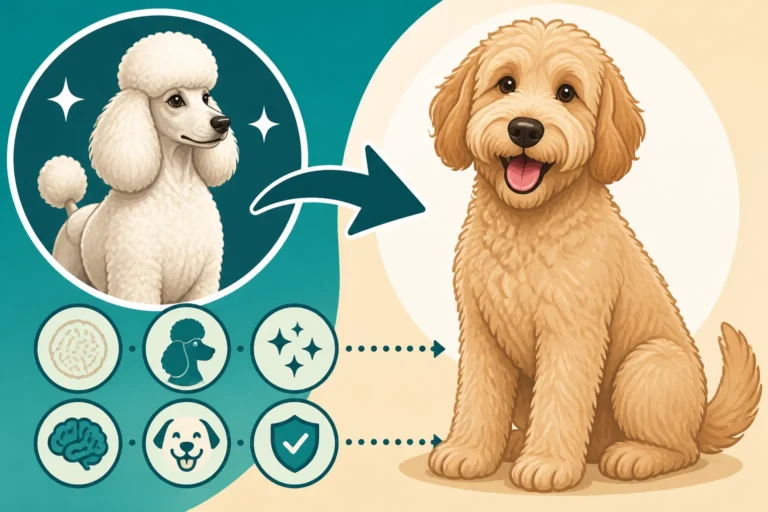
When someone decides to create a new crossbreed, they’re not just throwing two random dogs together. Responsible breeders choose parent breeds based on a careful assessment of their genetic contributions, aiming to combine the most desirable traits of each. For Doodles, the Poodle brings a whole host of qualities that are incredibly sought after, making them a consistent favorite. It's truly a testament to the breed's versatility and inherent wonderfulness that they form the foundation of so many popular crossbreeds.
The Prized Poodle Coat: Low Shedding and Hypoallergenic Claims
Let's be honest, for many, the Poodle’s coat is the undeniable star of the show. People are constantly searching for dogs that won't leave a tumbleweed of fur in every corner of their home, and the Poodle fits that bill beautifully. Their unique, continuously growing hair, often described as "hypoallergenic," is a massive draw. While no dog is truly 100% hypoallergenic (allergies are triggered by dander, saliva, and urine proteins, not just hair), Poodles tend to produce less dander and shed significantly less than many other breeds. This is a game-changer for individuals or families with mild dog allergies who long for a canine companion.
The idea here is simple: cross a shedding breed with a low-shedding Poodle, and you increase the likelihood of getting a low-shedding offspring. Breeders aim to capture that Poodle hair characteristic, offering a glimmer of hope to allergy sufferers. While not every Doodle inherits the exact non-shedding qualities of their Poodle parent, the chances are significantly higher than with many other breeds. This focus on the coat is often the very first reason people inquire about Doodles, and it speaks volumes about the Poodle's unique follicular gift. If you want to dive deeper into why this coat is so special, check out Why Poodles Are Called Non-Shedding.
Poodle Intelligence: A Trainable, Adaptable Companion
Beyond the coat, the Poodle brings an impressive brain to the table. Poodles are consistently ranked among the most intelligent dog breeds, often vying for the top spot. This isn't just about performing tricks; it translates into a dog that is highly trainable, quick to learn, and eager to please. For crossbreeds, this means that even if the other parent breed isn't known for its intellectual prowess, the Poodle's genes contribute significantly to making the Doodle a more receptive and intelligent pupil.
Imagine trying to train a puppy from a breed known for stubbornness or short attention spans. Now imagine adding Poodle intelligence into that mix. Suddenly, house training might come faster, basic obedience commands stick more readily, and the dog becomes a more enjoyable, cooperative member of the family. This adaptability and desire to learn make Doodles excellent candidates for various roles, from family pets to therapy or service dogs, because they inherit that keen Poodle mind. For a fascinating look at where Poodles stand among the smartest breeds, read Poodle Intelligence and Coren's Ranking.
Poodle Temperament: Affectionate, Loyal, and Playful
While intelligence and a low-shedding coat are incredibly valuable, a dog's temperament is arguably the most crucial factor for a family pet. Here again, the Poodle shines. They are known for being affectionate, loyal, and playful companions who thrive on human interaction. Poodles form strong bonds with their families and often display a wonderful zest for life, making them engaging and joyful household members. They are typically good with children and other pets, provided they are properly socialized.
When crossing a Poodle with another breed, breeders hope to instill these positive personality traits into the resulting Doodle. For instance, if the other parent breed might be a bit more aloof or independent, the Poodle's desire for companionship can help balance that out, creating a more people-oriented and integrated family dog. This blend often results in a dog that is not only smart and easy to live with but also genuinely enjoys being part of the family's daily life, whether it's snuggling on the couch or embarking on an adventure. The depth of Poodle character is truly remarkable, as explored in Poodle Temperament and Sensitivity.
Genetic Diversity and Hybrid Vigor: The Science Behind Doodles
The decision to cross a Poodle with another breed isn't purely about aesthetics or an individual trait. There's a biological theory at play as well: hybrid vigor. This concept suggests that the offspring of two unrelated purebred lines can actually be healthier and more robust than either parent. By introducing genetic diversity, breeders hope to sidestep some of the specific genetic health issues that can become concentrated within a single purebred line. It's a complex topic, but at its heart, it's about making stronger, healthier dogs.
Understanding Hybrid Vigor (Heterosis) in Doodle Crosses
Hybrid vigor, also known as heterosis, refers to the increased strength, growth, fertility, and health of a hybrid offspring compared to its purebred parents. In simple terms, when you cross two different purebred lines, you shuffle the genetic deck. This shuffling can often mask recessive genes that might be responsible for certain inherited diseases. For example, if one parent carries a recessive gene for a specific condition but the other doesn't, the offspring is less likely to express that condition.
The idea with Doodles is that by crossing a Poodle with a Labrador Retriever, Golden Retriever, or any other breed, you introduce a wider genetic pool. This can hypothetically reduce the incidence of breed-specific genetic diseases that might be common in either the Poodle or the other parent breed when bred within their own limited gene pools. It’s not a magic bullet, and responsible health testing of both parents remains absolutely critical, but it's a foundational argument for hybrid breeding.
The Appeal of Outcrossing for Health
Outcrossing, which is essentially breeding individuals from different lines or breeds, is seen as a way to improve the overall health and genetic diversity of a population. Purebred dogs, while beautiful and predictable, sometimes suffer from a narrowed gene pool due to generations of selective breeding for specific traits or appearances. This can inadvertently concentrate certain undesirable recessive genes.
By introducing a Poodle into another breed's lineage, the hope is to dilute these concentrated genes, leading to a healthier overall dog. However, it's vital to remember that hybrid vigor doesn't mean Doodles are immune to genetic diseases. They can still inherit conditions from either parent breed. This is why thorough health testing of both the Poodle parent and the other parent is paramount. Without it, you're just gambling. Breeders who prioritize health will always test both parents for common ailments, a practice you can learn more about in What a Poodle Breeder Must Test For and Genetic Panels for the Three Poodle Sizes.
The Impact of Poodle Size and Variety on Doodle Outcomes
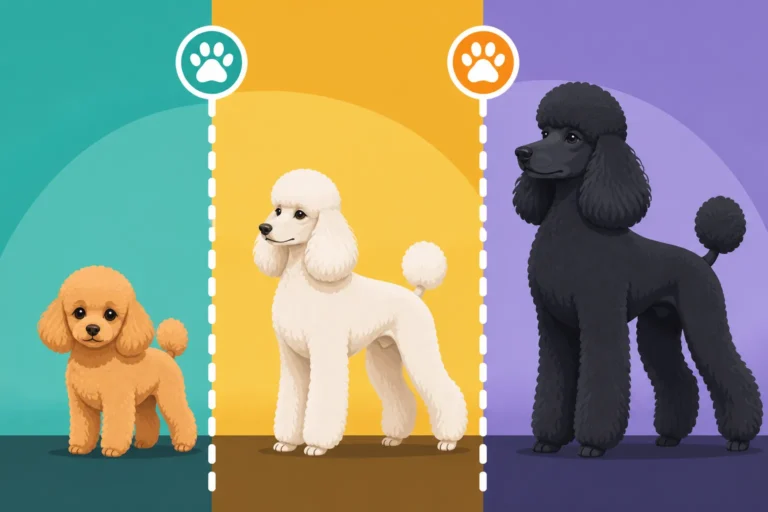
One of the most remarkable aspects of the Poodle breed is its range of sizes: Toy, Miniature, and Standard. This inherent variety within a single breed allows Doodle breeders incredible flexibility, enabling them to create crossbreeds suitable for vastly different living situations and preferences. It’s not a one-size-fits-all approach; the choice of Poodle size directly impacts the size, energy levels, and even some temperament nuances of the resulting Doodle.
Matching Poodle Sizes to Desired Doodle Characteristics
The sheer versatility of the Poodle in terms of size is a huge advantage for Doodle breeders.
- Standard Poodles are typically crossed with larger breeds like Golden Retrievers or Labrador Retrievers to create the classic Goldendoodles and Labradoodles. These Doodles are substantial dogs, often weighing 50-80 pounds or more, and require ample space and exercise. They embody the Poodle's athletic build and often retain its friendly, outgoing nature on a grander scale.
- Miniature Poodles are frequently used to create smaller Doodles, such as Mini Goldendoodles or Mini Labradoodles. These typically range from 20-40 pounds, making them a fantastic option for families who want a Doodle but have less space or prefer a more manageable size. They often inherit the Poodle’s quick wit and playful energy, but in a more compact package.
- Toy Poodles are the smallest, bred to create tiny Doodles like Teacup or Toy Cavapoos (Cavalier King Charles Spaniel x Toy Poodle). These adorable companions often weigh less than 20 pounds and are perfect for apartment living or owners who prefer a lap-sized dog. They tend to be lively and affectionate, carrying the Poodle’s charming personality into a miniature form.
This ability to tailor the size of the Doodle simply by choosing a different Poodle parent is a key reason for their widespread appeal. It means there’s a Doodle almost for everyone, regardless of their living situation, as discussed further in The Poodle as a Breed.
Predicting Coat Types and Temperaments in Poodle Crosses
While the size contribution from the Poodle parent is generally predictable, predicting the exact coat type and temperament of a Doodle puppy can be a bit more of a genetic lottery. This is where the concept of "generations" (F1, F1b, F2, etc.) comes into play, aiming to create more consistent outcomes.
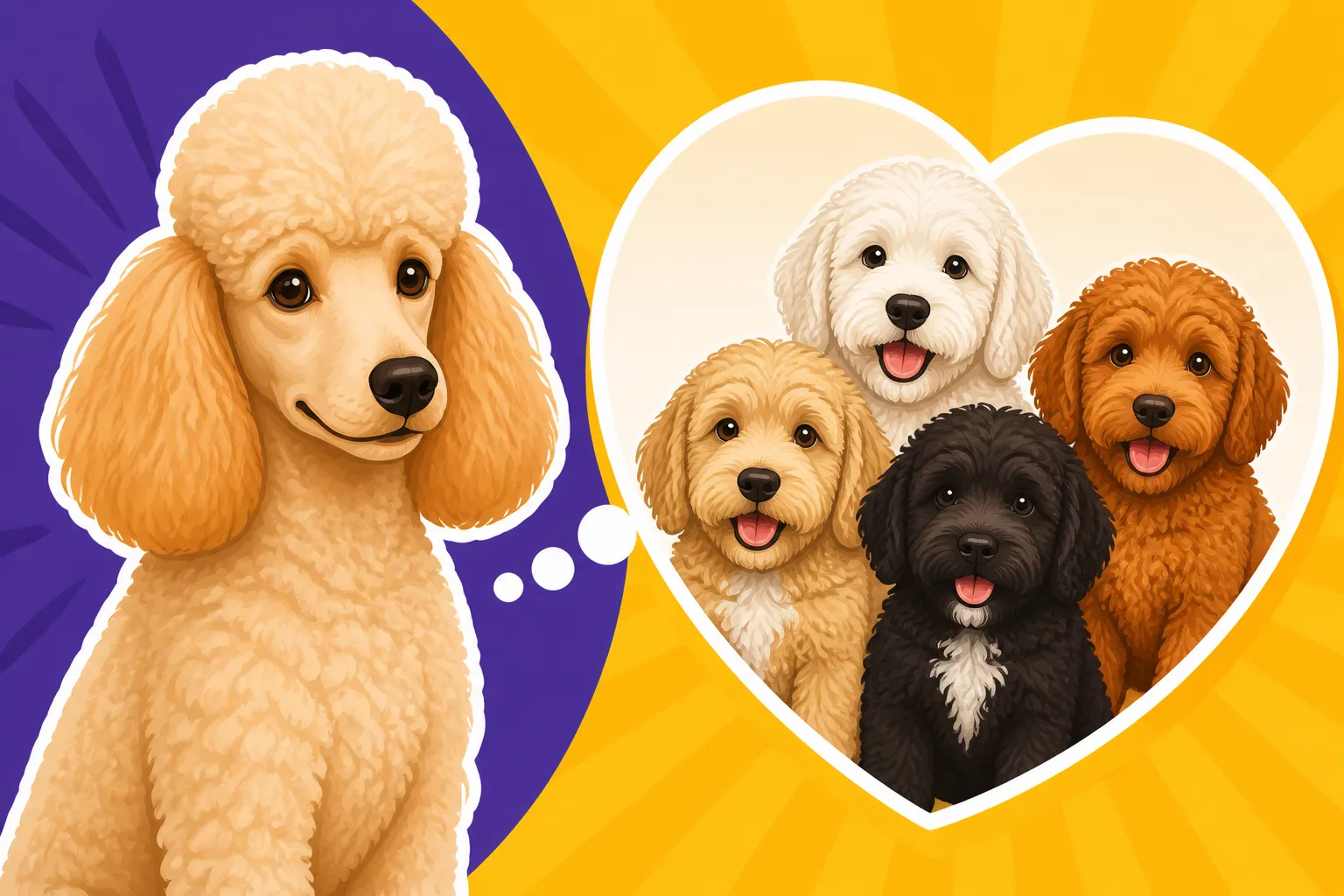
- Coat Type: The Poodle’s curly, low-shedding coat is dominant, but not always entirely so. An F1 (first-generation) Doodle, a 50/50 mix, might have a wavy coat, a shaggy coat, or even a straight coat, depending on the other parent. To enhance the Poodle coat characteristics, breeders often create F1b Doodles, which are 75% Poodle (an F1 Doodle bred back to a purebred Poodle). This increases the likelihood of a curlier, lower-shedding coat. Despite breeders' best efforts, there's always an element of unpredictability, something explored in Whether Doodle Coats Are Predictable.
- Temperament: While Poodles contribute intelligence and an eager-to-please attitude, the temperament of a Doodle will be a blend of both parent breeds. A Poodle crossed with a high-energy working breed might produce a Doodle that is also quite active. A Poodle crossed with a more laid-back breed might result in a calmer Doodle. Responsible breeders screen both parents for stable temperaments to increase the chances of well-adjusted puppies. Understanding the Poodle's inherent nature is crucial, as is knowing the other breed's typical disposition.
Here's a quick look at how Poodle size can influence Doodle outcomes:
| Poodle Parent Size | Typical Doodle Sizes | Common Other Parent Breeds | General Doodle Characteristics |
|---|---|---|---|
| Toy Poodle | Toy/Teacup Doodles | Cavalier King Charles, Bichon Frise | Small, lapdog size, often lively and very affectionate, suited for apartments |
| Miniature Poodle | Mini Doodles | Golden Retriever, Labrador, Cocker Spaniel | Medium size, adaptable, good family pets, often energetic but manageable |
| Standard Poodle | Standard Doodles | Golden Retriever, Labrador, Bernese Mountain Dog | Large size, athletic, highly trainable, requires significant exercise and space |
Beyond the Coat: Other Desirable Poodle Traits Transferred to Doodles
While the coat, intelligence, and temperament are often the most highlighted reasons for using Poodles in Doodle crosses, they bring a wealth of other, perhaps less obvious, desirable traits. These contribute to the overall appeal and functionality of Doodles, ensuring they are not just cute, but also robust and capable companions. The Poodle is far more than just a fluffy, smart face; it's a history of athleticism and endurance.
Poodle Structure and Athleticism
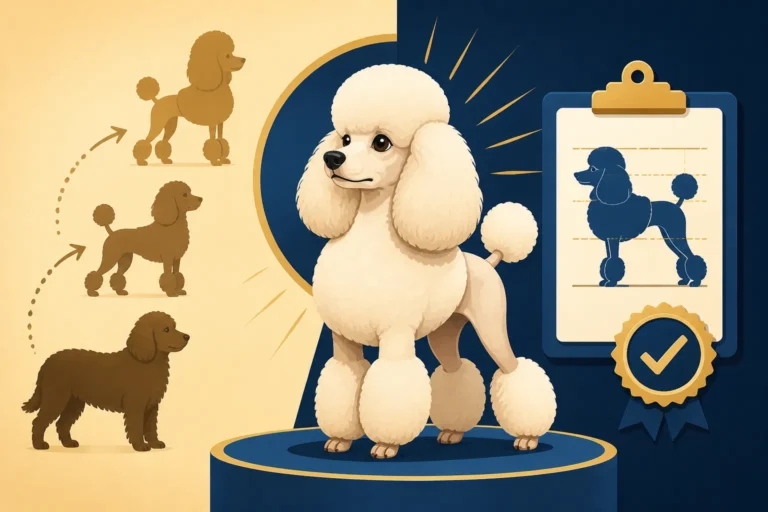
Before they were elegant show dogs or dainty lap companions, Poodles were hardworking water retrievers. This history means they possess a remarkably athletic and balanced structure. They are agile, well-muscled, and built for endurance, whether it's splashing through water to retrieve game or excelling in dog sports like agility and obedience. This sound physical foundation is incredibly valuable when passed on to a Doodle.
When a Poodle is crossed with another breed, it often contributes to a well-proportioned, structurally sound offspring. This can result in Doodles that are robust enough for active family life, capable of joining their owners on hikes, runs, or trips to the dog park without being overly delicate. They tend to have good bone structure, efficient gaits, and a natural athleticism that makes them enjoyable partners for various activities. This inherent athleticism ensures Doodles are not just pretty faces but functional, active dogs.
Longevity and General Poodle Hardiness
Poodles, particularly Standard Poodles, are generally known for their relatively good longevity compared to some other large breeds. While health issues can occur in any breed, a well-bred Poodle from health-tested lines often lives a long, healthy life. This hardiness and good lifespan are highly desirable traits that breeders hope to see in their Doodle offspring.
By introducing the Poodle's genetic robustness, breeders aim to create Doodles that not only have the desired appearance and temperament but also possess the resilience to live a full, active life well into their senior years. Of course, proper care, nutrition, and regular veterinary check-ups are essential for any dog's longevity, but starting with a genetically sound foundation from both Poodle and the other parent breed significantly increases these chances. For general information about Poodle health, consider reading Why Poodle Health Splits by Size.
Navigating the Doodle Landscape: What to Look For
The popularity of Doodles has unfortunately led to a surge in irresponsible breeding. Just because a dog is a Poodle cross doesn't automatically mean it's healthy, well-tempered, or non-shedding. The Poodle's desirable traits are a strong reason for their use, but it's crucial for prospective owners to look beyond the "Doodle" label and understand the responsibilities of ethical breeding.
The Importance of Health Testing Both Poodle and Other Parent
This cannot be stressed enough: responsible breeders health test both parent dogs. Period. The theory of hybrid vigor is great, but it doesn't magically eliminate the risk of inherited diseases. Both Poodles and the breeds they are crossed with (like Golden Retrievers or Labrador Retrievers) are prone to certain genetic conditions. For instance, Standard Poodles can be susceptible to Addison's Disease, Bloat, and hip dysplasia, while Golden Retrievers might face issues like cancer or elbow dysplasia.
A reputable breeder will openly share the health testing results for both the Poodle parent and the other parent. These tests might include screenings for hip and elbow dysplasia, eye certifications, cardiac clearances, and genetic panels for conditions like progressive retinal atrophy or Von Willebrand disease. If a breeder makes excuses or can't provide verifiable test results, walk away. Investing in a puppy from health-tested parents greatly increases your chances of bringing home a healthy dog and significantly reduces the heartbreak and financial strain that can come with managing preventable genetic conditions. This is discussed in more detail in What a Poodle Breeder Must Test For. When you're ready to stock up on supplies for your new puppy, whether it’s specialized food or grooming tools, resources like Chewy can be helpful, but always choose your breeder first!
Understanding the F1, F1b, F2 Generations and Their Poodle Influence
When you start looking at Doodles, you'll inevitably encounter terms like F1, F1b, and F2. These aren't just fancy designations; they indicate the specific genetic makeup of the Doodle and, crucially, the degree of Poodle influence. Understanding these generations helps you make a more informed choice, especially regarding coat type and potential shedding.
- F1 (First Generation): This is a direct cross between a purebred Poodle and a purebred of another breed (e.g., Poodle x Golden Retriever). These puppies are 50% Poodle and 50% the other breed. Coat types can vary widely, from straight to wavy to curly. They are generally considered to have the most hybrid vigor.
- F1b (First Generation backcross): This is an F1 Doodle bred back to a purebred Poodle (e.g., F1 Goldendoodle x Poodle). These puppies are typically 75% Poodle and 25% the other breed. The "b" stands for backcross. F1b Doodles usually have curlier coats and are more likely to be low-shedding, making them a popular choice for allergy sufferers.
- F2 (Second Generation): This is a cross between two F1 Doodles (e.g., F1 Goldendoodle x F1 Goldendoodle). These puppies are theoretically 50/50, but coat types and shedding can be highly unpredictable due to the wide range of genes that can be expressed from two mixed parents.
- F2b (Second Generation backcross): An F2 Doodle bred back to a Poodle, or an F1b bred back to an F1. The percentages can vary, but the goal is typically to further enhance Poodle traits.
The generation tells you a lot about the genetic blend, but always remember that genetics are complex, and individual puppies can still surprise you. No matter the generation, look for ethical breeders who prioritize health and temperament first. You'll find a wide range of grooming supplies for any coat type, from brushes to shampoos, on sites like Chewy, but the right generation for your needs starts with the breeder. Ultimately, the Poodle is used as a parent breed for Doodles because of its incredible combination of a desirable coat, high intelligence, wonderful temperament, and sound structure. These are the pillars that support the entire Doodle phenomenon.
Disclaimer
This article is for general informational purposes only and does not constitute professional advice. Laws, prices and regulations vary by location and change over time. Consult a qualified professional for guidance on your specific situation.