The Toy Poodle Cut-Off at Ten Inches
One of the most common questions new Poodle owners, and even seasoned enthusiasts, grapple with is exactly what defines a Toy Poodle, particularly when it comes to their size. It can be incredibly confusing when you're looking at a litter, wondering if that adorable fluffball will stay tiny or grow past the 'official' cut-off. This guide is here to shed light on the very specific ten-inch height limit that dictates a Toy Poodle's classification, exploring what that means for their health, temperament, and your life together.
Understanding Poodle Size Classifications
The world of Poodles, with its three distinct sizes, can feel a bit like a tiered system, each with its own specific requirements. It's not just about what feels "small" or "large" to us; there are very precise standards that determine where a Poodle belongs. These standards aren't just for show dogs; they inform breeders, impact health considerations, and ultimately help owners understand what to expect from their beloved Poodle.
The Official Breed Standard and Its Importance
Every purebred dog breed has an official standard, a detailed written description of the ideal dog of that breed. Think of it as the blueprint. For Poodles, this standard is set by kennel clubs, and it covers everything from coat texture and color to conformation, gait, and, crucially, size. These standards are vital because they maintain the breed's integrity, ensuring that Poodles continue to embody the characteristics that define them. Without these guidelines, breeders might diverge, leading to unpredictable health issues or changes in the breed's core traits. The size divisions within the Poodle breed – Standard, Miniature, and Toy – are perhaps the most universally recognized aspect of their standard, and they've evolved over time from their working dog roots.
Initially, Poodles were primarily Standard-sized, robust dogs bred for retrieving waterfowl. Their job required strength, intelligence, and a certain physical stature. As Poodles gained popularity as companions, particularly in urban environments, there became a demand for smaller versions. This wasn't just a whim; smaller dogs were more manageable in smaller homes and less costly to feed. Over generations, selective breeding successfully downsized the Poodle, first to the Miniature Poodle and then to the even smaller Toy Poodle, but always with the intention of retaining the core Poodle characteristics, just in a more compact package. Each size, therefore, has its own specific height range clearly defined in the breed standard.
Where the Toy Poodle Fits In
So, where does the Toy Poodle land in this carefully defined hierarchy? The classification is actually quite straightforward when you look at the numbers.
The Poodle breed is divided into three distinct size varieties:
- Standard Poodle: This is the largest, standing over 15 inches tall at the highest point of the shoulders (the withers). These are the magnificent, regal dogs often seen in elaborate show clips.
- Miniature Poodle: Falling in the middle, a Miniature Poodle stands between 10 inches and 15 inches at the withers. They offer a good balance for many families, being small enough for apartment living but sturdy enough for active play.
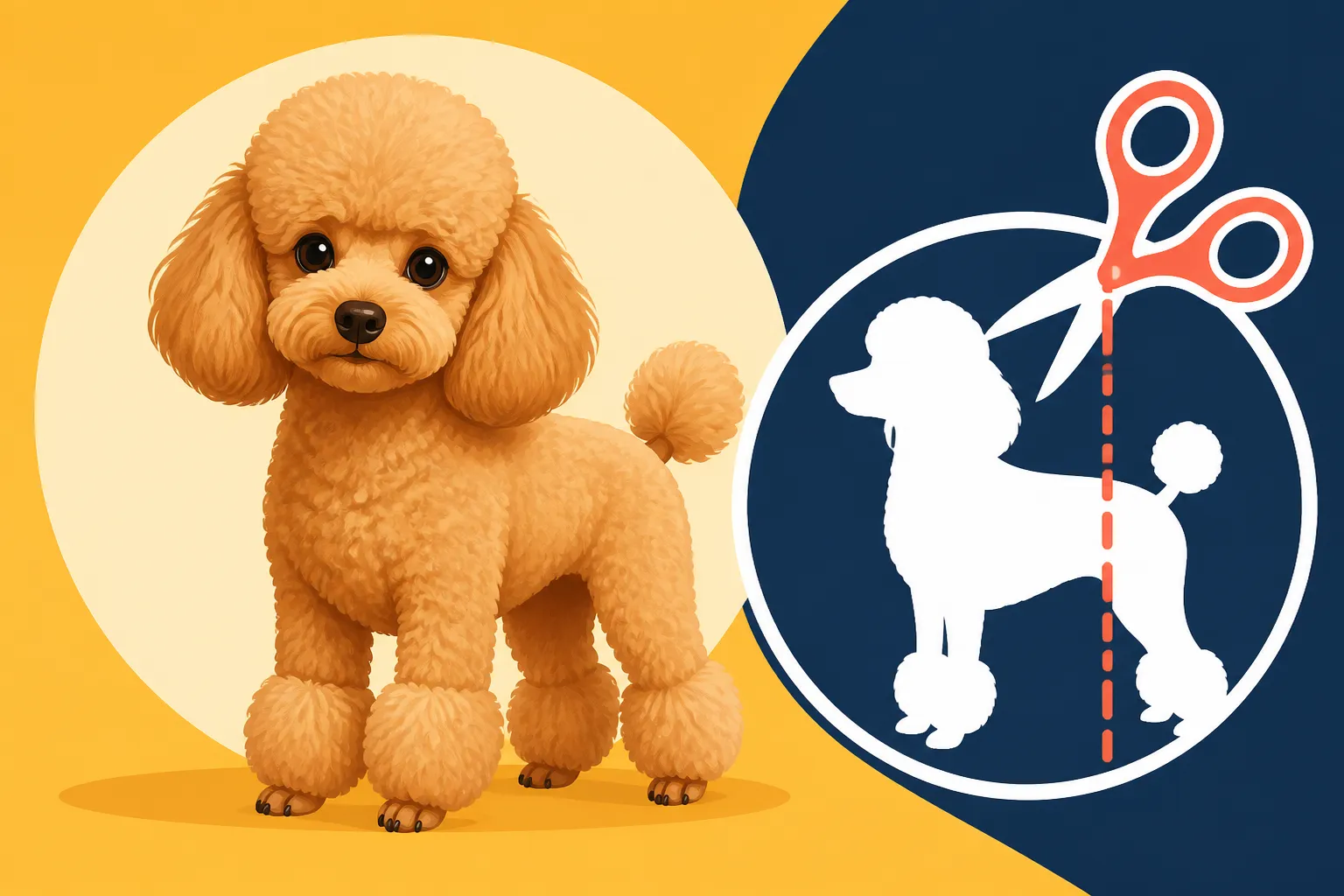
- Toy Poodle: And then we have our focus, the Toy Poodle. To be classified as a Toy Poodle, a dog must stand 10 inches or under at the withers. This is the crucial cut-off point that distinguishes them from their slightly larger Miniature cousins.
It's a strict measurement, typically taken when the dog is fully grown, usually by 12 months of age. That single inch can make all the difference, literally defining their variety. Many people assume weight is the primary factor, but in the Poodle world, it's all about height at the shoulder. A Toy Poodle might weigh anywhere from four to eight pounds, but their height is the non-negotiable factor. Understanding Height Limits That Divide the Three Poodles is fundamental to appreciating the breed.
The Significance of the Ten-Inch Cut-Off
That seemingly arbitrary ten-inch mark for Toy Poodles isn't just a number; it carries significant weight, impacting everything from how a Poodle is perceived in the show ring to the breeding choices made by ethical enthusiasts. It’s the line in the sand that officially separates "Toy" from "Miniature."
Defining "Toy" in the Poodle World
When we talk about a Poodle being "Toy," we are referring to this specific height constraint. A Poodle that stands even 10.1 inches tall at the withers technically crosses into Miniature territory. This can be a source of frustration and confusion for owners who purchased a "Toy" puppy, only to have it mature just a hair too tall for the category. It's a testament to the precision demanded by breed standards.
For breeders, the ten-inch mark is a constant goal and a significant challenge. Ethically breeding Toy Poodles means striving for dogs that fit comfortably within this tiny stature, while also maintaining sound structure and health. It's not about breeding the smallest dog possible at all costs, but rather breeding a healthy, well-proportioned Poodle that falls within the Toy size range. If a Poodle puppy from what was intended to be a Toy litter grows a little taller, they are often referred to as an "oversized Toy" or a "tiny Miniature." While still cherished pets, this distinction can impact their future in breeding or showing, as we'll explore next.
Implications for Breeding and Showing
The ten-inch cut-off has profound implications for Poodle breeders and for any owner interested in the competitive dog show world.
In the conformation ring, where Poodles are judged against the breed standard, size is non-negotiable. A Toy Poodle that exceeds 10 inches in height will be disqualified. This is a hard and fast rule. Similarly, a Miniature Poodle under 10 inches would also face disqualification for being too small for its category. This strict adherence to size ensures that judges are evaluating dogs within their proper variety, maintaining the distinct appearance and proportions of each Poodle type. Breeders invest significant time and effort into understanding the genetics of size to produce puppies that will consistently fall within their intended variety.
For breeders, selecting breeding stock involves not just evaluating a dog's overall quality and temperament, but also its size and the size history of its lineage. A breeder aiming to produce Toy Poodles will carefully choose parents who themselves are within the Toy size range and ideally come from lines known for consistent Toy sizing. They must also consider other factors, like ensuring a bitch is large enough to safely carry and whelp a litter, even if her offspring are expected to be very small. This is why What a Poodle Breeder Must Test For extends beyond just genetic diseases to include careful consideration of size predictability. A truly reputable breeder will be transparent about the potential for "oversized" or "undersized" offspring, especially in the fluctuating world of puppy growth.
Beyond the Tape Measure: What Size Really Means for a Toy Poodle
While the tape measure is the definitive tool for classification, the actual experience of living with a Toy Poodle goes far beyond a simple numerical height. Their small stature influences everything from their unique health needs to the practicalities of daily life and even common behavioral traits.
Health Considerations Linked to Size
Being exceptionally small isn't without its specific health challenges, and Toy Poodles, by virtue of their ten-inch-and-under classification, are particularly susceptible to certain conditions that are less common in their larger counterparts. It's not about fragility, but about understanding their unique physiology.
One of the most widely recognized issues in Toy Poodles is patellar luxation, often simply called "slipping kneecaps." In this condition, the kneecap (patella) dislocates or moves out of its normal groove. It can range from mild, causing an occasional skip in their step, to severe, requiring surgical correction. This is why a breeder screening for Luxating Patella in Toy and Miniature Poodles is so important. Another concern is Legg-Calve-Perthes disease, a condition affecting the hip joint, where the head of the femur spontaneously degenerates. While less common than patellar luxation, it's another orthopedic issue more often seen in smaller breeds.
Toy Poodles can also be prone to conditions related to their delicate respiratory systems. Collapsing Trachea in a Toy Poodle, where the rings of cartilage in the windpipe weaken and flatten, can lead to a distinctive "honking" cough. This is often exacerbated by pulling on a collar, making harnesses a much safer choice for walks. Similarly, hypoglycemia, or low blood sugar, is a significant risk, especially in young Toy Poodle puppies. Their tiny bodies have less glycogen stored, making them vulnerable to blood sugar crashes if they don't eat regularly or are under stress. Understanding Hypoglycemia in a Toy Poodle Puppy is crucial for new owners.
Responsible owners understand that preventative care, regular vet check-ups, and a keen eye for subtle changes are paramount for these tiny companions. Discussing these specific risks with your veterinarian and breeder can help you be proactive in maintaining your Toy Poodle's health throughout its Poodle Lifespan Across the Three Sizes.
Practicalities of Living with a Ten-Inch Poodle
Life with a ten-inch Toy Poodle is wonderfully unique, but it does come with its own set of practical considerations that differ significantly from owning a Standard Poodle. Everything is just… smaller, and often more delicate.
First, let's talk about their needs around the house. Their small size means they don't require vast amounts of space. An apartment or a house without a large yard can be perfectly suitable, provided they get adequate exercise and mental stimulation. However, their small stature also means they can be more susceptible to household hazards. Stairs can be tricky, jumping off furniture can lead to injuries like patellar luxation, and they can easily slip into small gaps or get underfoot. Childproofing your home for a Toy Poodle is often akin to childproofing for a toddler.
When it comes to feeding, portion control is absolutely vital. A tiny excess of calories can quickly lead to obesity in a small dog, which in turn can exacerbate joint problems or other health issues. High-quality kibble formulated for small breeds, like those readily available on Chewy, is often recommended, and treats must be given sparingly and chosen carefully for their size and calorie content. Despite their small size, Toy Poodles still need daily exercise, though it looks different from a Standard. Multiple short walks, indoor games, and puzzle toys are often more appropriate than long, strenuous hikes.
Grooming is another major aspect. Despite their size, Toy Poodles still have that signature non-shedding, continually growing coat. This means regular brushing to prevent mats, and professional grooming every 4-6 weeks is essential, just like their larger cousins. However, working on a tiny dog requires a delicate touch and specialized tools. Products such as small slicker brushes, fine-toothed combs, and even tiny nail clippers or grinders are specifically designed for their scale, and many can be found on Chewy. This consistent care helps prevent skin issues and keeps their coat healthy and beautiful.
| Aspect | Standard Poodle (Over 15") | Miniature Poodle (10-15") | Toy Poodle (Under 10") |
|---|---|---|---|
| Typical Weight | 40-70 lbs | 15-17 lbs | 4-8 lbs |
| Daily Exercise | 60-90 min | 30-60 min | 20-30 min (multiple short bursts) |
| Grooming Frequency | Every 4-6 weeks | Every 4-6 weeks | Every 4-6 weeks |
| Dietary Needs | Large breed formula | Small/medium breed formula | Small breed formula, calorie-dense |
| Common Health Issues | Bloat, Addison's disease | PRA, Epilepsy | Patellar luxation, Hypoglycemia, Tracheal collapse |
Temperament and Behavior by Size
It's a common misconception that smaller dogs are inherently more delicate in temperament or more "yappy" than their larger counterparts. While some traits can be influenced by size, a well-bred and well-socialized Toy Poodle possesses the same intelligent, lively, and affectionate nature as any other Poodle variety.
Toy Poodles are renowned for their sharp intelligence. They are quick learners, often picking up new commands with remarkable speed. This intelligence means they thrive on mental stimulation just as much as physical exercise. Puzzle toys, short training sessions, and learning new tricks are excellent ways to keep their minds engaged and prevent boredom, which can lead to unwanted behaviors. Don't let their small size fool you into thinking they don't need mental work; a bored Poodle, regardless of size, can become a mischievous Poodle. Many engaging toys can be ordered from Chewy to help with this.
However, their small size does put them at a disadvantage in a world built for larger creatures. This can sometimes lead to what's perceived as "nervousness" or "yappiness." Often, this is a learned behavior or a reaction to feeling vulnerable. A Toy Poodle who hasn't been properly socialized and exposed to various sights, sounds, and people, or who is constantly picked up and protected, might become more wary or vocal. It’s crucial to socialize a Toy Poodle extensively as a puppy, introducing them to different environments, friendly people, and well-behaved larger dogs in a safe, controlled manner. This builds confidence and helps them understand that the world isn't so scary.
When it comes to children, Toy Poodles can be wonderful family pets, but supervision is key. Their tiny bodies are fragile, and even well-meaning children can accidentally injure them. Teaching children how to interact gently and respectfully with a small dog is paramount. Similarly, while many Toy Poodles get along beautifully with larger dogs, care must be taken to ensure play is appropriate and not overly rough, as accidental injury is a real risk. A Toy Poodle's spirit is often much larger than its body, and they deserve to be treated with respect, not as a fragile ornament. They are just as capable of being bright, playful, and loyal companions as a Standard Poodle, as explored in discussions like Whether Toy Poodles Are as Smart as Standards.
Navigating the Nuances: When a "Toy" isn't Quite Toy-Sized
The world of Poodle sizing isn't always black and white, especially when dealing with the natural variations that occur in any breeding program. Sometimes, a Poodle lands right on the cusp, creating a unique situation for both breeders and owners.
The "Oversized Toy" or "Tiny Miniature" Dilemma
This is where the nuances of the ten-inch cut-off really come into play. What do you call a Poodle that stands 10.5 inches tall? Too tall to be a Toy, too short to be a comfortable Miniature. These dogs are sometimes affectionately, or sometimes frustratingly, referred to as "oversized Toys" or "tiny Miniatures." They don't fit neatly into either AKC (American Kennel Club) recognized category in the US, and this can be perplexing for owners.
In Europe, there's a recognized size variety called the "Moyen" or "Klein" Poodle, which translates roughly to "medium" Poodle. This size typically falls between the Miniature and Standard, effectively filling the gap that exists in the American classification system. A Poodle that is an "oversized Toy" in the US might well fit perfectly into the Moyen category in another country. However, in the US, without a specific category for them, these Poodles are still considered purebred but cannot compete in conformation shows within the Toy or Miniature varieties.
For pet owners, this size difference often doesn't matter one bit beyond personal preference. An "oversized Toy" will still be a loving companion, with all the wonderful Poodle traits. However, for breeders, it means carefully re-evaluating their breeding goals and understanding the genetic factors that led to the slight deviation. It underscores that size is a complex inherited trait, not always perfectly predictable.
Puppy Growth and Predicting Adult Size
Predicting the adult size of a Poodle puppy, especially a Toy, is an art form as much as a science. While breeders can make educated guesses based on the size of the parents and the puppy's growth rate, nature sometimes has its own plans. A millimeter here, a quarter-inch there, can make all the difference in a dog whose entire category hinges on a ten-inch mark.
Puppies experience rapid growth, and their adult height isn't fully locked in until they are typically around 9-12 months old, though some can continue to fill out slightly beyond that. During their early months, a Toy Poodle puppy might seem to be on track to stay well under ten inches, only to have a late growth spurt that pushes them just over the line. Conversely, a puppy that appears robust might finish growing sooner and smaller than anticipated.
Breeders often use growth charts or formulas to estimate adult size, but these are merely predictions. They track the puppy's weight and height at various stages, comparing it to known growth patterns of their lines. However, environmental factors like nutrition, general health, and even exercise can subtly influence growth. It's a testament to the biological variations within any living creature, even one as carefully bred as a Poodle.
Finding a Reputable Breeder Who Understands Size Standards
Given the complexities of Poodle sizing, especially with the strict ten-inch cut-off for Toys, choosing a reputable breeder is perhaps the most critical step you can take. An ethical breeder doesn't just breed for size; they breed for overall health, temperament, and adherence to the entire breed standard.
A truly responsible breeder will be transparent about their dogs' pedigrees, including the sizes of the parent dogs and previous generations. They will readily discuss the typical size range their puppies usually mature to and will be honest about the possibility of a puppy potentially growing slightly over or under the ten-inch mark. They won't make guarantees about exact adult height, but rather provide a realistic expectation. For example, a breeder might tell you that their puppies typically mature between 6 and 9 inches, minimizing the risk of an "oversized Toy."
They will also perform comprehensive health testing on their breeding stock, screening for genetic conditions common in Toy Poodles, such as patellar luxation, progressive retinal atrophy (PRA), and even heart conditions. They will be eager to share these test results with you, demonstrating their commitment to the long-term health of their puppies. Discussions around What a Toy Poodle Breeder Screens For are vital. Beyond size and health, a good breeder will prioritize temperament, ensuring their puppies are well-socialized from an early age, setting them up to be confident, well-adjusted companions. They are a wealth of information, from advising on the best food options (many of which are available on Chewy) to guiding you on Caring for an Aging Poodle years down the line. Asking thoughtful questions and observing the parents and puppies in their environment will give you the best chance of bringing home a truly wonderful Toy Poodle, regardless of where they land on that ten-inch mark.
Disclaimer
This article is for general informational purposes only and does not constitute professional advice. Laws, prices and regulations vary by location and change over time. Consult a qualified professional for guidance on your specific situation.