Why Poodles Appear in Detection Work
When most people picture a detection dog, they often conjure an image of a stoic German Shepherd or a tenacious Labrador Retriever, breeds renowned for their serious working capabilities. It might come as a surprise then to discover that the elegant Poodle, with its distinctive curly coat and often flamboyant clips, is increasingly making a name for itself in the demanding world of detection work. This guide will explore the often-overlooked traits that make Poodles not just suitable, but exceptional, partners in sniffing out everything from contraband to medical conditions, challenging the traditional stereotypes and highlighting their incredible versatility.
Beyond the Fluff: The Poodle's Natural Aptitudes for Detection Work
It’s easy to dismiss the Poodle as merely a pretty face or a pampered show dog, especially if your only exposure is seeing them prancing in a ring. However, beneath that cloud of curls lies a highly intelligent, intensely driven animal with a rich history of working alongside humans. Their natural aptitudes are precisely what make them such formidable detection dogs, often outperforming breeds traditionally associated with the role in certain scenarios.
Unrivaled Intelligence and Trainability
Poodles consistently rank among the most intelligent dog breeds, often placing second only to the Border Collie in studies of canine intelligence. This isn't just a fun fact for trivia night; it's a critical asset in detection work. A Poodle's sharp mind allows them to grasp complex tasks quickly, understanding intricate scent patterns and search protocols with remarkable speed. They don't just learn what to do, but often why, enabling them to problem-solve in novel situations – a trait invaluable when searching an unfamiliar environment.
Their eagerness to please, combined with their intelligence, makes them incredibly trainable. They thrive on mental stimulation and respond exceptionally well to positive reinforcement. When you're trying to teach a dog the difference between various subtle odors or to signal a find without disturbing the scene, a Poodle's ability to learn quickly and retain information is a huge advantage. This translates into less training time and a more reliable working partner. You might be surprised to learn just How Many Repetitions a Poodle Actually Needs to master a new cue.
A Hunter's Nose: The Forgotten Scent Drive
Before they became known for their sophisticated appearances, Poodles were, first and foremost, water retrievers. Their name itself, derived from the German "Pudel" meaning "to splash in water," points to their original purpose of flushing and retrieving waterfowl. This heritage endowed them with a powerful scent drive and an innate ability to follow a trail. A keen nose is, of course, the cornerstone of any good detection dog.
This strong drive to use their nose, combined with their focus, means Poodles excel at isolating specific target odors amidst a myriad of distracting smells. They are not easily deterred and possess the stamina to methodically work through large areas. While they might not have the rugged look of some hunting breeds, their genetic predisposition for scent work is undeniable and often underestimated. For an animal with such a The Poodle's Retrieving Instinct, scent work is a natural extension of their heritage.
Resilience and Focus: Busting Stereotypes
Many people assume that Poodles are delicate or easily stressed, perhaps because of their refined image. In reality, Poodles are incredibly resilient and possess a remarkable ability to maintain focus, even in high-pressure or distracting environments. A well-bred and properly socialized Poodle is confident and steadfast. They are not prone to "shutting down" under pressure, which is crucial for detection work that often involves unexpected noises, crowds, or variable conditions.
Their focus is further amplified by their desire to engage with their handler. A Poodle often forms a deep bond with their person and is highly attuned to their handler's cues and emotions, making for a truly collaborative working relationship. This intense connection ensures they are always looking for guidance and eager to perform the task at hand. It's a testament to Why Poodles Read People So Well, a trait that benefits detection teams greatly.
The Practical Advantages of a Poodle in the Field
Beyond their innate abilities, Poodles offer several practical advantages that make them increasingly popular choices for various detection roles. These benefits often address challenges faced when employing more traditional breeds, making Poodles a smart and thoughtful choice for specific working environments.
Hypoallergenic Coat: A Game-Changer for Handlers
One of the most significant practical advantages of using Poodles for detection work is their "hypoallergenic" coat. While no dog is truly 100% hypoallergenic, Poodles shed minimally and produce less dander compared to many other breeds. This is an absolute game-changer for handlers, colleagues, or members of the public who suffer from dog allergies. In settings like airports, schools, hospitals, or public events, where prolonged interaction with the detection dog is possible, a Poodle can perform their duties without causing allergic reactions.
This characteristic also means less hair in the working environment, which can be important for cleanliness and avoiding contamination in sensitive areas. While their coat does require regular grooming to prevent matting – you can find everything from brushes to shampoos for a Poodle's coat on Chewy – the trade-off in terms of reduced allergen exposure is often well worth it for organizations.
Public Perception and Approachability
Let's be honest: a Poodle doesn't typically evoke the same level of intimidation as a Malinois or a German Shepherd. While these breeds are exceptional at their jobs, their appearance can sometimes cause public anxiety or fear. A Poodle, on the other hand, often projects an image of elegance and friendliness. This makes them highly approachable, which can be a huge asset in public-facing detection roles.
When a detection dog needs to search a crowded area, interact with children, or work discreetly without drawing undue attention or causing alarm, a Poodle's generally softer public image can facilitate their work. People are less likely to feel threatened or become agitated, allowing the Poodle to execute their tasks more effectively and with less resistance. This can be crucial for tasks like detecting contraband in schools or searching for individuals in a sensitive environment.
Adaptability to Diverse Environments
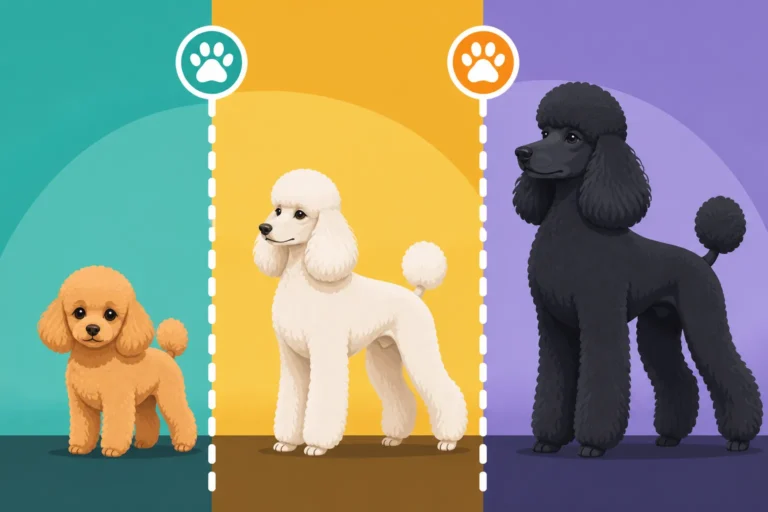
Poodles, especially Standard Poodles, are robust and athletic dogs, capable of working in a variety of environments, from vast outdoor spaces to confined indoor settings. Their moderate size (Standards) allows them to navigate tight spaces and awkward terrain that might be challenging for larger, bulkier breeds, while their smaller counterparts, Miniatures and Toys, can excel in areas where a compact dog is preferable, such as sniffing out bed bugs in hotel rooms or working within an office building.
Their intelligence means they adapt quickly to new surroundings, whether it's a bustling urban street, a quiet suburban home, or a noisy airport terminal. They are less likely to be fazed by environmental changes, allowing them to remain focused on their primary task. Providing a Poodle with enough Daily Work for a Poodle's Body and Mind ensures they maintain the physical and mental stamina needed for these varied roles. When preparing for diverse environments, having a range of durable training equipment, easily sourced from online retailers like Chewy, can be invaluable.
Specific Roles Where Poodles Shine in Detection
The Poodle's unique blend of intelligence, scent drive, trainability, and handler-friendliness makes them suitable for a surprisingly wide array of detection tasks. They are proving their mettle in fields traditionally dominated by other breeds, showcasing their versatility and effectiveness.
Explosives and Narcotics Detection
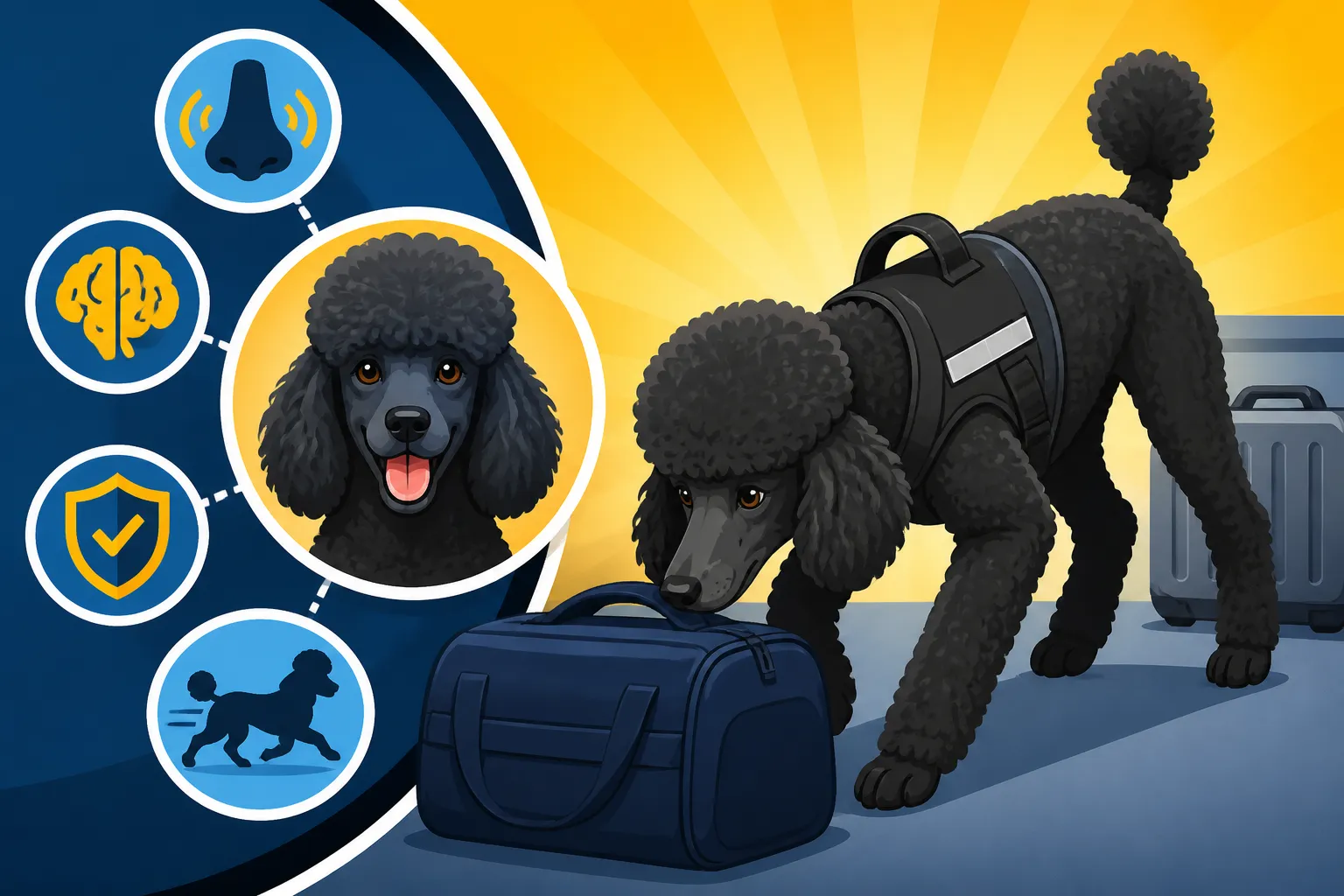
This is perhaps one of the most serious and high-stakes areas of detection work, and Poodles are showing that they are up to the challenge. Their incredible olfactory capabilities, combined with their sharp minds, allow them to be meticulously trained to detect a wide range of substances, from illicit drugs to various types of explosives. The ability to distinguish minute quantities of target odors, even when masked or hidden, is where a Poodle's fine-tuned nose truly excels.
Furthermore, their intelligence helps them understand the nuances of search patterns and to communicate a "find" in a clear, unambiguous way, often without touching or disturbing the potential evidence. This precision is critical, especially when dealing with volatile substances. The Poodle's naturally high energy and drive, particularly in Standard Poodles, ensures they can maintain prolonged search efforts without losing interest or efficiency. Poodles in Sport and Working Roles often build a foundation for such demanding tasks.
Medical Detection and Allergen Alert
The field of medical detection is expanding rapidly, and Poodles are proving to be exceptional candidates. Their sensitive noses can be trained to detect subtle changes in human scent or breath associated with certain medical conditions, such as specific cancers, diabetes (by signaling changes in blood sugar), or even impending epileptic seizures. Their calm and empathetic nature, coupled with their intelligence, allows them to work closely with individuals in these highly personal and critical roles.
Beyond medical conditions, Poodles are also used as allergen alert dogs, sniffing out common allergens like peanuts or gluten to help individuals with severe allergies avoid dangerous exposures. Their minimal shedding and hypoallergenic qualities make them ideal for these close-proximity assistance roles, where they might need to inspect food, rooms, or personal items for traces of allergens. Engaging a Poodle in Scent Games That Stretch a Poodle's Mind from a young age can lay the groundwork for these specialized detection skills.
Search and Rescue and Human Remains Detection
While not as commonly seen in broad wilderness search and rescue as some larger, more rugged breeds, Poodles are nonetheless capable. Their agility, stamina, and exceptional scenting ability make them valuable assets in urban search and rescue, especially in scenarios where collapsed buildings or confined spaces require a smaller, nimble dog. They can also be trained for human remains detection, a grim but vital task where their persistent scent drive is paramount.
The dedication and focus required for these demanding tasks align perfectly with the Poodle's character. They possess the mental fortitude to work under challenging circumstances and the physical ability to cover ground effectively. Their innate intelligence allows them to adapt their search strategies based on environmental cues, making them highly effective partners in the most critical of searches.
Training a Poodle for High-Stakes Detection Roles
Training any dog for detection work is an intensive process, and while Poodles bring many advantages, success still hinges on proper, consistent training that leverages their natural strengths. It's a journey that begins early and requires dedication from both dog and handler.
Early Foundation and Socialization
Just like any working dog, a Poodle destined for detection work benefits immensely from early socialization and foundational training. Exposing them to a variety of sights, sounds, people, and environments from a young age helps build a confident, well-adjusted dog that won't be easily distracted or startled in the field. This early exposure, combined with positive reinforcement, helps shape a Poodle into a stable and reliable partner. Socializing a Poodle Before It Turns Wary is critical for any Poodle, but especially for those in detection roles.
Basic obedience forms the bedrock. A Poodle needs to have impeccable manners and responsiveness to cues, ensuring they can be controlled and directed precisely during a search. This means instilling a solid "sit," "stay," "come," and "leave it" command, among others, to manage their behavior effectively in any situation. A Poodle's keen intelligence means they often pick up these commands with remarkable speed, making the initial training stages relatively smooth.
Positive Reinforcement and Engaging Their Minds
Poodles respond exceptionally well to positive reinforcement methods. Harsh training techniques can often make a sensitive Poodle shut down, hindering their learning and potentially damaging the crucial bond with their handler. Instead, trainers leverage their innate desire to please and their love for engaging tasks. Food rewards, high-value treats (many of which are available on Chewy), and enthusiastic praise are powerful motivators.
Keeping a Poodle's brilliant mind engaged is paramount. Detection work, with its puzzle-solving nature, is inherently stimulating for them. Incorporating play, puzzle toys, and varied training sessions prevents boredom, which can lead to unwanted behaviors. For a dog that needs a mental challenge to prevent it from getting What a Poodle Does When Its Brain Is Idle, detection work provides the perfect outlet for their intelligence and energy.
Specialized Scents and Repetitive Drills
Once the foundational work is in place, specific detection training begins. This involves introducing the target odors in a controlled environment and teaching the Poodle to identify and signal their presence. This stage requires immense patience and meticulous attention to detail. Trainers use small quantities of the target substance, ensuring the dog associates the specific scent with a reward.
Repetitive drills are essential for solidifying the Poodle's understanding and reliability. These drills progressively increase in difficulty, introducing distractions, varying search environments, and hiding the target odor in increasingly challenging locations. The goal is to build a dog that can perform consistently and accurately under any circumstances. Over time, the Poodle learns to ignore irrelevant odors and focus solely on the target, becoming a highly efficient and indispensable detection partner.
| Trait / Category | Traditional Detection Breeds (e.g., Labs, GSDs) | Poodles (Standard/Miniature) |
|---|---|---|
| Intelligence | High, strong work ethic | Extremely High, exceptional problem-solving & quick learning |
| Scent Drive | Excellent, bred for retrieving/tracking | Excellent, strong retrieving heritage and keen nose |
| Trainability | High, eager to please | Very High, highly responsive to positive reinforcement |
| Coat Type | Shedding, can produce dander | Low-shedding, less dander (often hypoallergenic-friendly) |
| Public Perception | Often perceived as serious, potentially intimidating | Often perceived as friendly, approachable, less threatening |
| Physicality | Robust, strong, good stamina | Athletic, agile, good stamina, moderate size for versatility |
| Focus/Resilience | Excellent | Excellent, thrives on handler engagement |
| Grooming Needs | Moderate | High (regular clipping/brushing to prevent matting) |
| Motivation | Food, toys, praise | Food, toys, praise, strong handler bond, mental engagement |
It's clear that the Poodle's role in detection work is not a fleeting trend, but a testament to their profound capabilities. They are proving that intelligence, a keen nose, and a willing spirit can come in a package that's both effective and surprisingly elegant.
Disclaimer
This article is for general informational purposes only and does not constitute professional advice. Laws, prices and regulations vary by location and change over time. Consult a qualified professional for guidance on your specific situation.