How the Doodle Boom Affected Poodle Breeding
For anyone who’s been around Poodles for a while, it's impossible to ignore the seismic shift the "Doodle Boom" brought to the dog world. This explosion in popularity of Poodle mixes, often touted for their supposed hypoallergenic coats and charming temperaments, created a ripple effect that significantly altered the landscape of purebred Poodle breeding, presenting both new challenges and opportunities for those dedicated to the traditional Poodle. This guide aims to thoroughly explore these impacts, from demand and pricing to health testing and genetic considerations, helping you understand the complex changes within the Poodle community.
Understanding the Rise of the Doodle Phenomenon
The concept of crossing a Poodle with another breed isn't entirely new; "designer dogs" have existed for decades. However, the last couple of decades have seen an unprecedented surge, particularly with mixes like the Labradoodle and Goldendoodle, that catapulted these crossbreeds into mainstream adoration. This wasn't just a fleeting trend; it became a full-blown cultural phenomenon that profoundly influenced how the public perceived Poodles and, by extension, how breeders of purebred Poodles operated.
The Allure of the "Hypoallergenic" Crossbreed
A primary driver behind the Doodle's immense appeal was the widespread belief that they were "hypoallergenic." Poodles are renowned for their low-shedding coats, which produce less dander, a common allergen. The idea was simple: cross a Poodle with a popular breed like a Labrador or Golden Retriever, and you could get the best of both worlds—the friendly nature of a retriever with the non-shedding qualities of a Poodle. For families desperate for a dog but plagued by allergies, Doodles seemed like the perfect solution, offering hope where traditional breeds often presented barriers.
This promise, while appealing, was often misunderstood. While Poodles themselves are indeed low-shedding, inheriting that trait consistently in a first-generation cross (F1) is far from guaranteed. Many Doodle owners quickly discovered that their beloved companions still shed, sometimes significantly, and allergies could persist. Yet, the initial marketing and word-of-mouth spread like wildfire, creating an insatiable demand for these curly-coated crossbreeds. This demand, in turn, put immense pressure on the Poodle gene pool, as more and more Poodles were sought for breeding programs that were not necessarily focused on preserving the purebred Poodle's integrity.
Initial Intent Versus Market Demand
Initially, some of these crosses, particularly the Labradoodle, were conceived with specific intentions, such as creating guide dogs for people with allergies. The idea was to combine the working aptitude of one breed with the coat type of another. These early, intentional crosses often involved careful selection of parent dogs and a focus on temperament and health. However, as the demand exploded, the market quickly outpaced the ethical intentions.
The sheer volume of people wanting Doodles led to a proliferation of breeders, some highly reputable and others less so. The focus shifted from selective breeding for specific traits to simply producing puppies to meet demand. This created a lucrative market, where the Poodle, once a beloved but sometimes niche purebred, became a commodity for its unique coat and intelligence. It also meant that many Poodles, particularly Standards and Miniatures, found themselves suddenly in high demand not for their own purebred futures, but as a component for a different "product." This surge in demand inadvertently highlighted the Poodle's wonderful traits like intelligence, trainability, and that famous coat, but often without the context of the full breed standard or the deep history behind The Poodle as a Breed.
Direct Impacts on Poodle Breeding Programs
The Doodle phenomenon didn't just exist parallel to purebred Poodle breeding; it directly intersected with and influenced it in numerous profound ways. For traditional Poodle breeders, it felt like their world was suddenly being turned upside down, as external market forces began to dictate aspects of their long-standing practices.
Increased Demand and Its Consequences
One of the most immediate and tangible impacts was the skyrocketing demand for Poodles themselves. Suddenly, Poodles of all sizes, especially Standard Poodles, were highly sought after to be used as parent dogs in Doodle breeding programs. This created a seller's market, where Poodle puppies, even those with limited registration, saw a significant increase in Poodle Puppy Prices Across the Three Sizes. While financially beneficial for some, it also meant that securing a purebred Poodle puppy from a reputable breeder became more challenging for those committed to the purebred standard. Waitlists grew longer, and breeders found themselves sifting through inquiries not just from purebred enthusiasts, but also from those looking to start their own Doodle ventures.
This heightened demand unfortunately also attracted less scrupulous individuals to Poodle breeding. The allure of quick profits meant that some individuals began breeding Poodles without the same dedication to health testing, genetic screening, or adherence to the breed standard that ethical purebred breeders uphold. These breeders might cut corners, forgo expensive health tests, or breed dogs that would otherwise not be considered breeding quality in a purebred program. This influx of less responsible breeding practices, driven by the Doodle market, inadvertently diluted the overall quality of available Poodles and posed a risk to the health integrity of the breed as a whole. It often blurs the line between responsible breeding and what many consider Poodle Mills and the Doodle Trade.
The Ethical Breeder's Dilemma
For ethical purebred Poodle breeders, the Doodle boom presented a moral and practical dilemma. On one hand, the increased visibility brought more attention to the Poodle breed, which could be seen as positive. On the other, the values driving the Doodle market often clashed directly with the principles of purebred preservation. Many dedicated Poodle breeders strive to produce dogs that conform to the breed standard, are healthy, and embody the Poodle's unique temperament. Their goal is to improve the breed with each generation.
When approached by Doodle breeders, ethical Poodle breeders often faced tough decisions. Should they sell a Poodle to someone who intends to crossbreed it, potentially propagating traits that might not be desirable in a purebred Poodle line, or worse, perpetuate health issues without proper screening? Most reputable Poodle breeders refuse to sell their breeding stock for crossbreeding purposes, often including clauses in their contracts that prohibit it or restrict registration. This stance is rooted in a commitment to their breed's future. They prioritize finding homes that will champion the Poodle as it is, not as a component for another breed. This unwavering dedication is part of Finding a Poodle Breeder Who Tests and places a premium on preserving the breed's distinct characteristics and health.
Shifting Focus in Breeding Goals
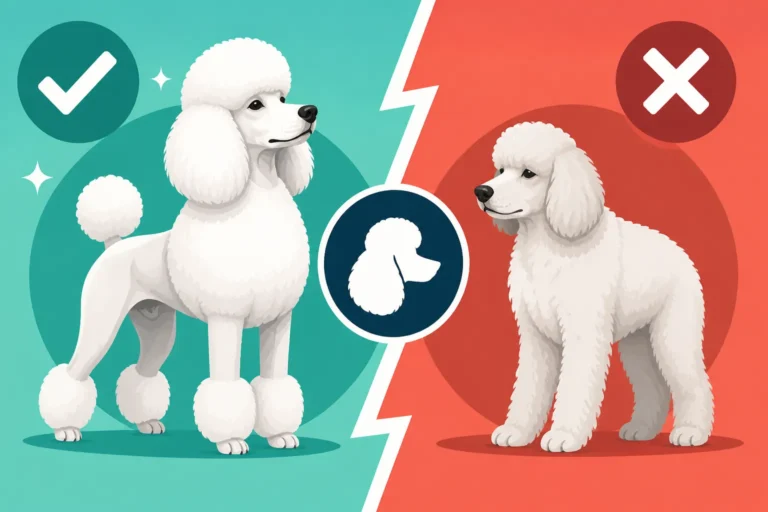
The Doodle boom also subtly, and sometimes not so subtly, shifted focus within breeding goals. While reputable Poodle breeders continued their work, some smaller or less experienced breeders, perhaps swayed by market trends, might have inadvertently started prioritizing certain traits more appealing to the Doodle market. For instance, color trends (like "red" Poodles) or a specific "fluffier" coat type that might be more desirable in a Doodle could influence breeding choices, even if those traits aren't paramount in the official Poodle breed standard.
This isn't to say that all Poodle breeders were affected, but the sheer commercial pressure could be undeniable. Breeders might find themselves having to explain why their purebred Poodles might not have the "Doodle look" or why strict health testing protocols for conditions like Addison's Disease or bloat prevention are essential, even if the "Doodle breeder down the street" isn't doing them. It becomes a constant educational battle for the purebred community to maintain focus on the Poodle's true essence and well-being, emphasizing the importance of comprehensive health screening, as outlined in articles like What a Poodle Breeder Must Test For.
The Economic and Genetic Ripple Effects
Beyond the immediate changes in demand and breeder practices, the Doodle boom had deeper, longer-term implications for the Poodle breed, touching upon everything from market valuation to genetic health. These effects are complex and continue to be a topic of much discussion within the purebred dog community.
Poodle Pricing and Market Value
As previously mentioned, the demand for Poodles as parent stock drove up prices. This increase wasn't always directly proportional to the quality of the purebred Poodle, however. Sometimes, Poodles with questionable pedigrees or less rigorous health testing could still fetch high prices if they possessed a desirable color or coat type for the Doodle market. This created a tiered pricing structure: top-tier purebred Poodles from fully health-tested lines with champion pedigrees commanded high prices from discerning purebred buyers, while Poodles destined for Doodle breeding could also fetch substantial sums, sometimes without the same level of health assurance.
This distorted market value made it harder for prospective purebred Poodle owners to understand what a fair price entailed. It also meant that, unfortunately, some Poodles bred primarily for the Doodle market might have been acquired at lower initial costs by their breeders, allowing them to skip crucial, but expensive, health screenings. When considering the lifetime costs of owning a Poodle, factoring in grooming, food, and vet care, the initial purchase price is just one piece of the puzzle, and often, an overlooked element in the Doodle market is the long-term health investment. You can find more details on this in What a Poodle's True Monthly Total.
The State of Health Testing and Pedigrees
This is perhaps one of the most concerning long-term impacts. Ethical Poodle breeders invest significant time, effort, and money into health testing their breeding stock for genetic diseases prevalent in the breed. This includes screening for conditions like hip and elbow dysplasia, eye diseases such as Progressive Retinal Atrophy, thyroid issues, and Von Willebrand disease, among others. They carefully study pedigrees to understand genetic lines and avoid problematic pairings. Genetic Panels for the Three Poodle Sizes are a crucial part of this responsible breeding.
The Doodle boom, however, saw a dramatic increase in Poodles being bred without such rigorous testing. Many individuals entering the Doodle breeding world may not have been educated on the importance of these tests or may have opted to skip them due to cost or ignorance. This means that a significant number of Poodles, and their Doodle offspring, were produced without proper health clearances, potentially passing on genetic predispositions to serious conditions. The argument that "hybrid vigor" magically solves all health problems is a dangerous misconception; if both parent breeds carry the same genetic flaw, or if an untested Poodle carries multiple, those can still be passed on.
Furthermore, some Poodles used in Doodle breeding might not have had complete or accurate pedigrees. While less common with purebred Poodles than with some other breeds, the increased demand could lead to situations where proper documentation was secondary to simply acquiring a Poodle. This erosion of meticulous record-keeping is a serious concern for the future genetic health of the Poodle breed itself, as it can be difficult to track lines and make informed breeding decisions if the foundation stock is compromised or poorly documented.
Genetic Diversity Concerns for Poodles
The purity and genetic diversity of a breed are paramount for its long-term health and vitality. For generations, Poodle breeders have worked to maintain healthy, diverse lines while refining desirable traits. However, the Doodle boom presented a unique challenge to this. When a large number of Poodles are siphoned off for crossbreeding, especially if they come from a narrow range of popular lines, it can subtly affect the genetic landscape of the purebred population.
While the primary concern here often falls on the Doodles themselves (many of whom inherit a mix of health predispositions from two different breeds), the sheer volume of Poodles being bred for Doodle production, often without the strict adherence to purebred Poodle breeding standards, means fewer Poodles are contributing to the purebred gene pool as purebreds. This can lead to a subtle narrowing of genetic diversity within the purebred Poodle lines, making it potentially harder to avoid certain inherited conditions in the long run. We've seen historically what kind of impact narrowing the gene pool can have on a breed, as discussed in What Inbreeding Did to Standard Poodle Immunity. The long-term effects of this mass crossbreeding on the purebred Poodle's overall genetic health is something dedicated breeders continue to monitor with vigilance.
| Impact Category | Purebred Poodle Breeding (Traditional) | Poodle Breeding (Doodle Market Influence) |
|---|---|---|
| Primary Goal | Preservation & improvement of Poodle breed standard, health, temperament | Production of Poodles as parent stock for crossbreeds |
| Health Testing | Rigorous, extensive genetic screening and OFA/CERF certifications | Often minimal or absent, relying on "hybrid vigor" myth |
| Pedigree Focus | Meticulous tracking, understanding genetic lines, avoiding faults | Less emphasis on pedigree depth; focus on desirable coat/color traits |
| Pricing Rationale | Reflects health testing, lineage, conformation, breeder effort | Driven by market demand for Doodle-producing Poodles, regardless of full health work |
| Genetic Diversity | Conscious effort to maintain and broaden healthy gene pool | Can inadvertently narrow purebred gene pool if quality Poodles are diverted |
| Contracts | Often include non-breeding/limited registration clauses | Less common to see strict non-breeding clauses or limited registration |
Navigating the Poodle Landscape Post-Doodle Boom
For those who love and appreciate the purebred Poodle, understanding these shifts is crucial. The Poodle is a magnificent breed with a rich history, incredible intelligence, and that iconic non-shedding coat. The challenges presented by the Doodle boom require prospective owners and dedicated breeders alike to be more diligent and informed than ever before.
Identifying Reputable Poodle Breeders
With the explosion of interest, it's more important than ever to know how to identify a truly reputable Poodle breeder. They are the guardians of the breed, dedicated to preserving its health, temperament, and conformity to the standard. When looking for a Poodle, here are some key indicators:
- Comprehensive Health Testing: A reputable breeder will openly share results for all health tests relevant to the Poodle, including hip and elbow evaluations (OFA or PennHIP), eye certifications (CERF/OFA Eye), thyroid panels, and genetic tests for conditions like Von Willebrand's disease and Progressive Retinal Atrophy. They should be able to explain why these tests are important and what the results mean. You should look for transparency, not just a vague statement that parents are "health tested."
- Clear Breeding Goals: Their primary goal will be to produce healthy, well-socialized Poodles that conform to the breed standard. They will talk about improving the breed, not just producing puppies. They often participate in dog sports or conformation shows, demonstrating their commitment to the breed's working ability and structure.
- Detailed Contracts and Support: Expect a comprehensive contract that outlines health guarantees, spay/neuter agreements (often with limited registration to prevent indiscriminate breeding), and a commitment to take the dog back at any point if the owner cannot keep it. They will be a lifelong resource for you and your Poodle.
- Transparency and Openness: A good breeder will welcome questions, allow visits to meet the dam (and sometimes the sire), and be open about their breeding practices, facilities, and the health history of their lines. They won't pressure you into a sale and will often have a waiting list. They are often passionate advocates for the purebred Poodle and can explain Whether a Doodle Sheds Less Than a Poodle and the nuances of What a Goldendoodle Takes From the Poodle.
Be wary of breeders who:
- Have multiple breeds available or are breeding Doodles alongside purebred Poodles without clear, separate, ethical programs.
- Cannot provide verifiable health clearances or make excuses for not doing so.
- Are primarily focused on rare colors or "designer" traits rather than health and temperament.
- Have puppies available "right now" without a waiting list.
For additional insight, look for discussions and products on trusted pet platforms like Chewy, where responsible owners often share tips on selecting high-quality food or grooming supplies, which typically reflects their dedication to well-bred animals.
Supporting the Purebred Poodle Future
For those who cherish the Poodle for what it is—a magnificent, intelligent, and elegant purebred dog—there are ways to actively support its future amidst the ongoing popularity of Doodles.
Firstly, educate yourself and others. Understand the Poodle's history, its breed standard, and the health challenges it faces. Share accurate information about responsible breeding, the importance of health testing, and the realities of "hypoallergenic" claims. Correct misinformation gently but firmly. The Poodle's enduring legacy is a testament to dedicated breeders who have protected it for centuries.
Secondly, support ethical breeders. If you're looking for a Poodle, choose a breeder who prioritizes health, temperament, and the breed standard above all else. Be prepared for potentially higher prices and longer wait times, knowing that your investment supports responsible practices that protect the breed. This also means understanding that a quality Poodle from a responsible breeder might cost more than a puppy from a casual breeder. Many essential items, from quality food to durable toys, can be found at retailers like Chewy, helping you provide the best care for your Poodle from day one.
Thirdly, consider Poodle rescue. Many wonderful purebred Poodles, for various reasons, find themselves in need of new homes. Poodle-specific rescues are dedicated to these dogs, ensuring they receive necessary vet care and are matched with appropriate families. Adopting a rescue Poodle is a fantastic way to give a deserving dog a second chance and support the purebred community.
The Doodle boom undeniably shook up the world of Poodle breeding, bringing both increased visibility and significant challenges. However, the resilient nature of the Poodle, coupled with the unwavering dedication of ethical breeders and informed owners, ensures that this incredible purebred dog will continue to thrive. By making informed choices and advocating for responsible breeding, we can help ensure the Poodle's legacy remains strong and vibrant for generations to come.
Disclaimer
This article is for general informational purposes only and does not constitute professional advice. Laws, prices and regulations vary by location and change over time. Consult a qualified professional for guidance on your specific situation.