Whether the Poodle Deserves Its Fussy Reputation
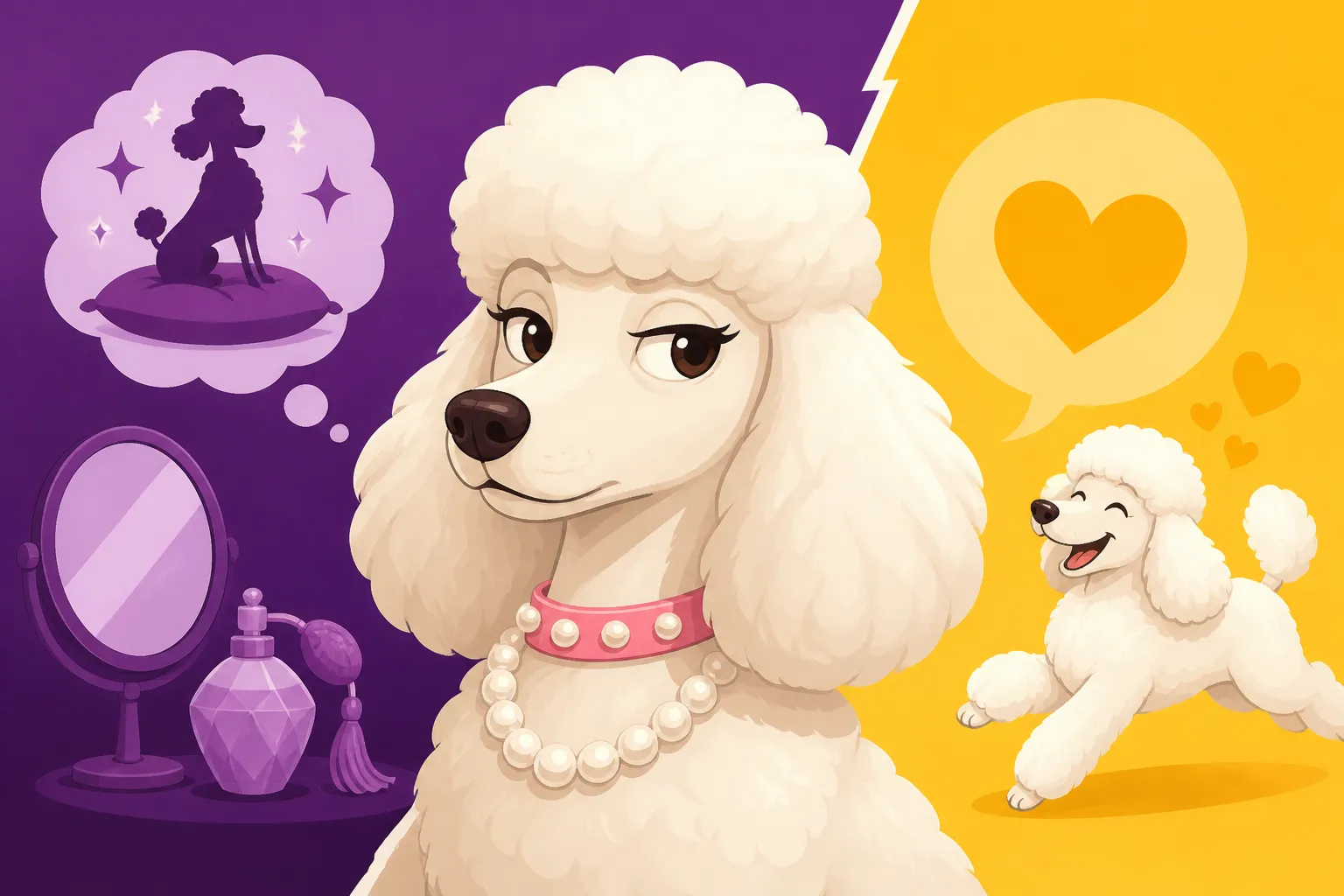
There's a persistent image of Poodles as delicate, prissy creatures, often adorned with elaborate, impractical haircuts, leading many to believe they are the epitome of a "fussy" dog. This stereotype can unfortunately deter potential owners who might otherwise be a perfect match for this intelligent and versatile breed. This guide aims to peel back the layers of misconception and explore the true nature of the Poodle, revealing why their reputation for fussiness is largely underserved and often misread.
Deconstructing the "Fussy" Stereotype
The Poodle's modern-day image as a pampered pet is a far cry from its origins. To truly understand why this perception exists, we need to look at both history and the unique physical traits of the breed. It's easy to look at a dog in a fancy show clip and assume that's how they are all the time, but reality tells a different story.
The Historical Roots of the Poodle's Image
Believe it or not, the Poodle's ancestors were robust water retrievers, working dogs bred to plunge into icy European lakes to fetch waterfowl. The name "Poodle" itself comes from the German word "Pudel" or "Pudelin," meaning "to splash in the water." Why the Poodle's Name Means to Splash Their original purpose demanded strength, intelligence, and an enduring coat to protect them from the elements. Over centuries, as they transitioned from working dogs to companions, and eventually to performers in circuses and pets of nobility, their appearance evolved. The elaborate clips we associate with them today actually began as functional trims to protect joints and vital organs from cold water, while the shaved areas reduced drag. However, once they became fashion statements among European royalty, these functional trims became exaggerated, adorned, and, yes, a bit over-the-top, leading to the perception of a "fussy" breed. People saw the elaborate trims, not the underlying hardy dog.
This association with aristocracy and showmanship, rather than the muddy fields and cold rivers of their past, cemented their image as a dog of leisure. The public saw paintings and photographs of Poodles with elaborate coiffures, often draped in silks or held by noble ladies, and the idea of them being anything but high-maintenance faded from popular memory. This historical shift is perhaps the strongest root of their "fussy" label, completely overshadowing their true working heritage.
The Impact of the Poodle's Unique Coat
One of the most defining characteristics of the Poodle is its dense, curly, continuously growing coat. Unlike dogs with fur, Poodles have hair that doesn't shed in the traditional sense, which is a blessing for allergy sufferers but a commitment for owners. The Poodle Coat and Why It Never Stops Growing This unique coat is a double-edged sword when it comes to their reputation. On one hand, it's beautiful and versatile, allowing for a wide array of clips. On the other hand, if not properly maintained, it mats severely, causing discomfort and potential skin issues for the dog.
The necessity of regular grooming – whether professional or at home – to prevent matting is often mistaken for pampering. Owners are seen taking their Poodles to the groomer every few weeks, not because the dog is "fussy," but because it's a fundamental health requirement. A matted coat isn't just unsightly; it can be painful, restricting movement and trapping moisture, leading to skin infections. So, what looks like excessive indulgence to an outsider is, in reality, routine care for the Poodle's well-being. It's not about making the dog pretty; it's about keeping them healthy and comfortable.
Misinterpreting Poodle Sensitivity
Poodles are renowned for their high intelligence and deep sensitivity, traits that can sometimes be misinterpreted as "fussiness" or being overly delicate. They are incredibly attuned to their owners' emotions and their environment, which means they can react strongly to changes, stress, or harsh treatment. A Poodle might shy away from a loud voice or a sudden movement, not because it's "fussy," but because it's a sensitive creature that thrives on consistency and gentle handling. This emotional depth is often underestimated.
When a Poodle appears withdrawn or reluctant to engage, some might label it as stubborn or particular, when in fact, they might be experiencing anxiety, discomfort, or simply not understanding what's being asked of them. Their expressiveness, which includes subtle body language, can be complex to read if you're not familiar with the breed. A Poodle's tendency to bond deeply with its family means they can be more prone to Separation Anxiety in a Velcro Poodle, which, if not managed, can manifest in behaviors that outsiders might deem "fussy" or attention-seeking. It's not fussiness; it's a request for connection and reassurance.
The True Poodle Temperament: Intelligent and Resilient
Beyond the fluffy exterior and the occasional fancy haircut, lies a dog with a vibrant personality, immense intelligence, and a surprisingly rugged constitution. Poodles are far more than just pretty faces; they are highly capable and engaging companions.
Brains Over Brawn: The Poodle's Intellectual Prowess
Poodles consistently rank among the most intelligent dog breeds. Dr. Stanley Coren, in his book "The Intelligence of Dogs," placed the Poodle second only to the Border Collie in terms of obedience and working intelligence. Poodle Intelligence and Coren's Ranking This means they learn new commands quickly, often in just a few repetitions, and possess an incredible capacity for problem-solving. While this sounds like a dream for training, it also means a Poodle's mind needs constant engagement.
A bored Poodle is not a happy Poodle, and their intelligence, if left unstimulated, can lead to behaviors that might be mistaken for "fussiness." They might become destructive, bark excessively, or develop quirky habits simply because they're looking for a job to do. This isn't fussiness; it's a brilliant mind seeking an outlet. Providing mental stimulation through puzzle toys, training games, or dog sports is crucial for their well-being. They thrive on learning and performing tasks, which is why they excel in everything from obedience to agility and even therapy work. This mental acuity is a defining trait, and understanding it is key to a harmonious relationship.
Active and Athletic: A Working Dog at Heart
Despite their refined appearance, Poodles are inherently active and athletic dogs. Whether Standard, Miniature, or Toy, they all retain the lively spirit and endurance of their water retriever ancestors. A Standard Poodle, in particular, requires a significant amount of daily exercise to stay physically and mentally fit. They love long walks, runs, swimming, and engaging in active play. Even Toy and Miniature Poodles, while smaller, are not content to be couch potatoes all day. Daily Exercise for a Toy Poodle
Their athleticism means they are fantastic partners for activities like hiking, jogging, and various dog sports. Many Poodles excel in agility, flyball, and dock diving, showcasing their speed, jumping ability, and love for water. To call such an energetic and capable dog "fussy" is to fundamentally misunderstand their needs. A Poodle that isn't receiving adequate exercise might become restless, destructive, or vocal, behaviors that are often mislabeled as being high-strung or "fussy." In reality, they are simply expressing pent-up energy and a natural drive to move and explore.
Loyalty and Sensitivity: Deep Bonds and Clear Communication
Poodles are deeply loyal and affectionate companions, forming strong bonds with their families. They often thrive on being close to their people, earning them the nickname "Velcro dogs" for their tendency to follow owners from room to room. This strong attachment, combined with their sensitivity, means they are incredibly perceptive to their owner's moods and the overall atmosphere of the home. This emotional intelligence is a hallmark of the breed.
Because of their sensitivity, Poodles respond best to positive reinforcement and gentle training methods. Harsh corrections or a chaotic environment can lead them to withdraw or become anxious. If a Poodle appears to "sulk" or seems hesitant, it's often a sign they are feeling uncomfortable, confused, or hurt, rather than being manipulative or "fussy." Poodle Temperament and Sensitivity Learning to read their subtle cues – a slight shift in ear position, a tucked tail, or averted eyes – can help owners understand their Poodle's emotional state. They are eager to please and genuinely want to be part of the family unit, and their "fussy" label often stems from a failure to appreciate their nuanced emotional landscape.
Practical Realities of Poodle Ownership (and Debunking the Myth)
Owning a Poodle certainly comes with responsibilities, but these are rooted in their specific care needs, not in some inherent pickiness or "fussiness." Understanding these practical aspects helps to dispel the myths and highlight the genuine commitment required.
Grooming as a Necessity, Not a Frivolity
The Poodle's continuously growing coat is the primary reason for their intensive grooming requirements. This isn't about vanity; it's about health and comfort. Regular brushing to the skin is essential to prevent mats, which can pull and cause pain. Brushing a Poodle to the Skin Most Poodle owners opt for professional grooming every 4-8 weeks, depending on the chosen clip and lifestyle, or commit to regular home grooming. This includes bathing, drying, clipping, and checking their ears and nails.
Investing in quality grooming tools, such as slicker brushes, combs, and clippers, is a must. Many owners find a great selection of these tools, from professional-grade clippers to conditioning shampoos, on sites like Chewy. While this might seem like a lot of work or expense, it's a non-negotiable part of Poodle ownership, much like feeding them daily. It's a commitment, not a concession to "fussiness." A well-groomed Poodle is a comfortable and happy Poodle, regardless of whether they have a fancy show clip or a simple, practical kennel cut.
Training Needs for a Bright Mind
Poodles are incredibly intelligent, which makes them highly trainable, but also means they require consistent mental engagement. This isn't fussiness; it's simply what their brains demand. They thrive on learning and benefit greatly from ongoing training, even beyond basic obedience. Think of it as intellectual exercise. Training the Second Smartest Dog Breed Without this mental stimulation, Poodles can become bored, and a bored Poodle is often a mischievous Poodle.
They are quick to pick up on routines and cues, and they will try to figure things out for themselves – which can sometimes lead to them inventing their own games if you don't provide structure! Owners often find that Poodles need a "job," whether it's learning new tricks, participating in dog sports, or even just engaging in daily puzzle toy challenges. Their quick wit and ability to anticipate actions mean that trainers need to be equally clever and consistent. This dedication to training ensures a well-behaved, fulfilled companion, not a fussy one. If they appear disengaged or "stubborn," it's often a sign that the training method isn't stimulating enough or they simply aren't understanding what's expected.
Health Concerns: Real Care for Real Conditions
Like all purebred dogs, Poodles are predisposed to certain health conditions that require proactive care and attention. This isn't "fussiness," but a crucial aspect of responsible ownership. For instance, Standard Poodles are known for their susceptibility to bloat, a life-threatening condition requiring emergency veterinary intervention. Bloat and the Deep Standard Poodle Chest All Poodle varieties can also be prone to certain eye conditions, orthopedic issues like luxating patellas in smaller varieties, and autoimmune diseases like Addison's disease. Addison's Disease in Standard Poodles
These genuine health concerns mean that Poodle owners must be vigilant about regular vet check-ups, appropriate preventative care, and sometimes, specialized diets or medications. This is about providing necessary medical care for a living creature, not indulging a "fussy" pet. Reputable breeders screen their breeding stock for these conditions to minimize their occurrence. What a Poodle Breeder Must Test For The care and attention given to a Poodle's health reflects good pet ownership, not a demanding disposition on the part of the dog. Many Poodle owners proactively research their dog's breed-specific needs, even finding specialized nutrition and supplements on trusted sites like Chewy.
Here's a quick comparison to help clear up some common misconceptions:
| Trait | Common Poodle Stereotype | Poodle Reality |
|---|---|---|
| Temperament | Delicate, easily upset, snobby | Intelligent, sensitive, loyal, playful, deeply bonded with family |
| Grooming | Purely for aesthetics/vanity | Essential for health and comfort due to non-shedding, continuously growing coat |
| Activity | Couch potato, prefers being carried | Athletic, energetic, needs regular exercise and mental stimulation |
| Intelligence | "Cute but not bright" | Among the smartest breeds, requiring consistent training and enrichment |
| Needs | Demanding, high-maintenance | Requires consistent care, clear communication, and engagement, like any intelligent working breed |
The Poodle's Enduring Appeal: Beyond the Fluff
When you look past the outdated stereotypes, what emerges is a truly exceptional dog that offers immense rewards to those willing to understand and meet its needs. The Poodle's enduring popularity is a testament to its real qualities, not just its looks.
Adaptability and Versatility
One of the Poodle's most underrated qualities is its incredible adaptability. They can thrive in various living situations, from apartments (with adequate exercise) to large homes with yards. They are equally content as a family companion, a high-level competitor in dog sports, or a sensitive therapy or service dog. Their desire to be with their people means they integrate well into diverse households, often adapting their energy levels to suit their environment, within reason. Whether a Standard Poodle Fits a Flat
This versatility extends to their interaction with people and other animals. When properly socialized, Poodles are generally good with children and other pets. They are keen observers and learners, quickly picking up on household routines and expectations. This adaptability is the opposite of fussiness; it shows a flexible and intelligent mind ready to engage with the world around it. They are truly a dog that can do it all, from navigating the bustling city sidewalks to exploring nature trails, provided their human understands their core needs.
The Joy of a "Smart" Companion
Living with a Poodle is a uniquely rewarding experience. Their high intelligence means they are always thinking, often surprising owners with their problem-solving abilities and clever antics. They possess a keen sense of humor and love to engage in playful interactions, keeping their families entertained. Many Poodle owners describe their dogs as having distinct personalities, often displaying a charming blend of elegance and silliness.
Their sensitivity and deep loyalty mean they form profound connections, offering unwavering companionship and emotional support. A Poodle knows how to comfort a sad owner or celebrate a happy one, making them more than just pets – they become integral family members. How a Poodle Shows Affection The commitment to their grooming and mental stimulation is a small price to pay for a lifetime with such a bright, loving, and truly delightful companion. It’s clear that their "fussy" reputation is a superficial label that completely misses the rich, complex, and joyful reality of Poodle ownership. They're not fussy; they're fantastic. You can easily find enrichment toys and healthy treats on Chewy to keep their clever minds busy.
Disclaimer
This article is for general informational purposes only and does not constitute professional advice. Laws, prices and regulations vary by location and change over time. Consult a qualified professional for guidance on your specific situation.