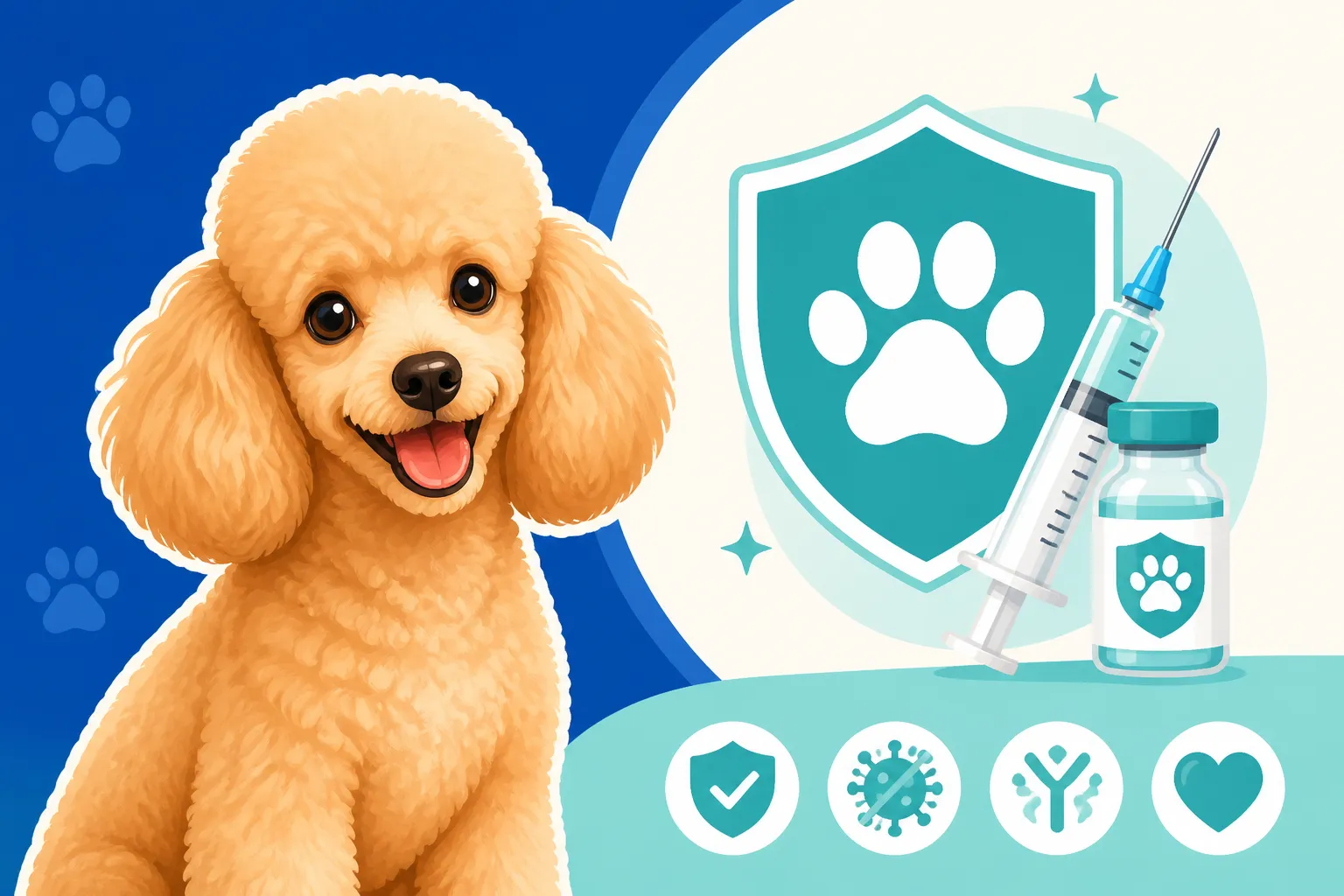
Poodle Vaccination and Preventive Schedule
Bringing a new Poodle into your home is an incredibly exciting time, but it can quickly feel overwhelming when you realize the sheer volume of health decisions ahead. From figuring out which shots are truly necessary to navigating year-round preventive medications, it's easy to feel lost in the medical jargon and endless schedules. This comprehensive guide is here to demystify your Poodle's vaccination and preventive care, helping you understand each step to ensure your beloved companion stays happy and healthy for years to come.
Understanding the Foundation: Puppy Vaccinations for Poodles
The journey of protecting your Poodle begins almost immediately with their puppy vaccinations. This initial series is absolutely critical, laying the groundwork for a strong immune system that can ward off serious, even fatal, diseases. It’s a period of intense vulnerability, especially for little Poodle puppies whose immune systems are still developing.
The Core Puppy Vaccine Series
The cornerstone of any puppy vaccination program is the DA2PP vaccine, often referred to simply as the "distemper shot." This single injection is actually a powerful combination protecting against Distemper, Adenovirus (Hepatitis), Parvovirus, and Parainfluenza. These are not minor sniffles; diseases like Distemper and Parvovirus are highly contagious and devastating, often proving fatal even with aggressive treatment.
Typically, your Poodle puppy will receive their first DA2PP shot around 6 to 8 weeks of age. This initial dose needs to be followed by boosters every 3 to 4 weeks until your puppy is about 16 weeks old. Why multiple shots? It’s all about timing. Pups receive some immunity from their mothers, but this maternal immunity wanes at different rates for different puppies. The repeated vaccinations ensure that your puppy's immune system is stimulated at the right moment, after maternal antibodies have faded, to mount its own robust defense. Missing a booster or stopping the series too early leaves your Poodle vulnerable during a critical developmental stage, potentially negating the protection from earlier shots. It’s a bit of a financial commitment upfront, but it's a small price to pay for preventing such severe illnesses.
Rabies Vaccination: A Legal and Health Imperative
Beyond the core DA2PP series, the rabies vaccine stands alone as both a crucial health protection and a legal requirement in most places. Rabies is a viral disease that attacks the central nervous system, leading to neurological symptoms and ultimately, death. Once symptoms appear, it is always fatal in animals and humans. There is no treatment.
Your Poodle puppy will typically receive their first rabies vaccination around 3 to 6 months of age, often coinciding with their final DA2PP booster. The specific timing can vary based on local ordinances, so it's essential to check your regional and even municipal laws regarding rabies vaccination. After the initial shot, a booster is usually required in one year, and then subsequent boosters are typically administered every three years. This schedule ensures continuous protection and legal compliance. While no one wants to think about their Poodle encountering a rabid animal, having them fully vaccinated offers vital peace of mind and, importantly, protects public health.
Elective Vaccines to Consider Based on Lifestyle
While core vaccines are a must, several other "elective" vaccines are highly recommended based on your Poodle's individual lifestyle, environment, and exposure risks. These aren't mandated everywhere, but they can be crucial for a Poodle living a full and active life.
If your Poodle is a water enthusiast, loves to hike, or spends time in areas frequented by wildlife or rodents, the Leptospirosis vaccine is definitely one to discuss with your vet. Lepto is a bacterial disease spread through contaminated water or soil, often from the urine of infected wildlife (like raccoons, deer, or even rats). It can cause severe kidney and liver damage, and shockingly, it’s zoonotic, meaning it can spread to humans. The initial series involves two doses, 2-4 weeks apart, followed by annual boosters. It's a lifesaver for outdoor-loving Poodles.
For Poodles who are social butterflies—attending daycare, frequenting dog parks, visiting groomers, or boarding—the Bordetella vaccine (commonly known as kennel cough) is a smart choice. Kennel cough is highly contagious and, while usually not life-threatening, can lead to a miserable, hacking cough for weeks. There are injectable and intranasal (squirted up the nose) options, and your vet will recommend the best type and frequency (often every 6-12 months) based on your Poodle's exposure.
Another vaccine to consider for highly social Poodles, especially those traveling or living in urban areas with high dog populations, is the Canine Influenza vaccine. This protects against the dog flu, which can cause respiratory illness, similar to human influenza. There are two main strains (H3N2 and H3N8), and both can be included in the vaccine. It requires an initial series of two shots, 2-4 weeks apart, followed by annual boosters.
Finally, if you live in a region where ticks are prevalent, especially in wooded or grassy areas, the Lyme Disease vaccine can provide an extra layer of protection. Lyme disease, transmitted by deer ticks, can cause lameness, joint pain, lethargy, and kidney issues. While tick preventives are your first line of defense, the vaccine offers additional security. It requires an initial series of two doses, 2-4 weeks apart, followed by annual boosters. Remember, the choice of these elective vaccines should always be a collaborative decision with your veterinarian, considering your Poodle's specific risks and activities.
Essential Annual Boosters and Adult Poodle Care
Once your Poodle moves past their puppy stages, their vaccination needs shift from intensive initial series to routine maintenance. It's easy to assume that after those first few hectic months, the vaccine schedule becomes an afterthought, but consistent adult boosters are just as crucial for sustained health.
Maintaining Core Vaccinations in Adulthood
The idea that "one and done" applies to vaccinations is a common misconception that can leave your adult Poodle vulnerable. Just like with human vaccines, the immunity from your Poodle's puppy shots will wane over time. Regular boosters are essential to remind their immune system how to fight off those dangerous diseases.
For the DA2PP vaccine, after the initial puppy series and a booster at one year of age, most veterinarians recommend subsequent boosters every three years. This schedule provides robust protection without over-vaccinating. Rabies, as we discussed, often follows a 1-year, then 3-year booster schedule, largely dictated by local and state laws. Your vet will always keep you informed of the exact timing for your specific area. Keeping up with these routine boosters might seem like a minor detail, but it’s a fundamental part of responsible Poodle ownership and offers immeasurable peace of mind, knowing your companion is shielded from preventable, severe illnesses.
Tailoring Elective Boosters to Your Poodle's Evolving Life
Life isn't static, and neither should your Poodle's preventive care plan be. What was essential for a rambunctious, adventure-seeking adolescent Poodle might change as they age or if your living situation evolves. This is why annual wellness exams are so important, providing a dedicated time to re-evaluate their lifestyle and tailor their elective vaccine schedule.
Perhaps your young Poodle regularly attended doggy daycare, making the Bordetella and Canine Influenza vaccines vital. But now, as a mature Poodle who prefers quiet walks and snuggle sessions at home, those specific risks might have decreased. Conversely, if you've moved to a rural area with more wildlife, or your Poodle has developed a new love for swimming in local ponds, vaccines like Leptospirosis and Lyme disease might become higher priorities. Don’t fall into the trap of blindly repeating the same vaccines year after year without discussion. Your veterinarian is your best resource for this personalized assessment, helping you determine which elective boosters continue to be relevant for your Poodle's current activities and environment. This thoughtful approach ensures your Poodle receives protection where it's truly needed, avoiding unnecessary vaccinations.
Titre Testing as an Alternative for Some Vaccines
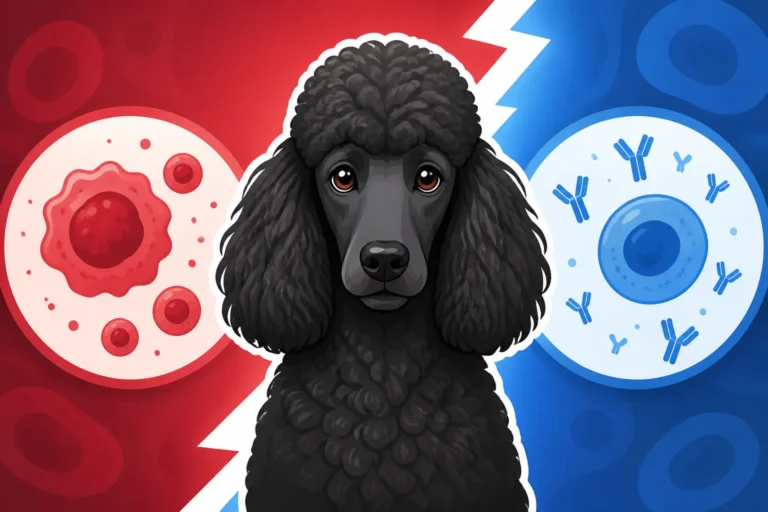
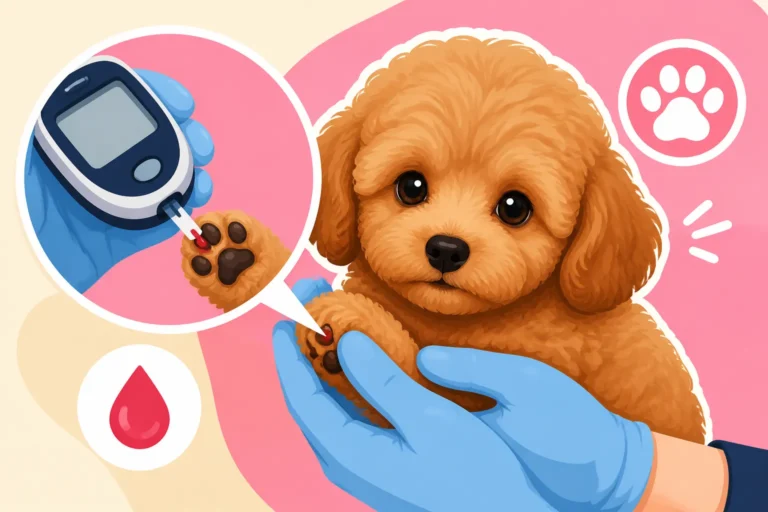
For some Poodle owners, the thought of repeated vaccinations, especially for long-lived breeds, can raise questions about potential cumulative effects. This is where titre testing comes in as an alternative for certain core vaccines. A titre test is a blood test that measures the level of antibodies circulating in your Poodle's system for specific diseases, such as Distemper and Parvovirus.
If the titre test shows a sufficiently high antibody level, it indicates that your Poodle still has adequate protection and may not need a booster vaccination at that time. The primary advantage is that it can help avoid potentially unnecessary vaccinations, reducing the frequency of vaccine administration. This can be particularly appealing for sensitive Poodles or those who have had previous adverse reactions. However, there are some important considerations. Titre tests are generally more expensive than a routine booster shot. Moreover, they are not legally accepted as proof of immunity for all vaccines; for instance, rabies vaccination is almost universally mandated by law, regardless of titre levels. If you're interested in exploring titre testing for your Poodle, have an open conversation with your veterinarian. They can help you weigh the pros and cons and determine if it's a suitable approach for your companion's specific health profile.
Parasite Prevention: A Year-Round Commitment for Poodles
Beyond vaccinations, a critical pillar of your Poodle's health and longevity is robust, year-round parasite prevention. This isn't just about warding off annoying fleas; it's about protecting against serious diseases carried by these tiny invaders. Skipping a dose or assuming "it's too cold for parasites" can have grave consequences.
Heartworm Prevention: The Silent Killer
Heartworm disease is insidious and devastating, and frankly, every Poodle, regardless of their lifestyle or location, needs to be on a consistent heartworm preventive. This disease is transmitted by mosquitoes, which carry microscopic heartworm larvae. When an infected mosquito bites your Poodle, these larvae are deposited into their bloodstream. Over several months, they mature into adult worms that can grow up to a foot long, residing in the heart, lungs, and associated blood vessels.
The damage these worms cause to the heart and lungs is extensive, leading to severe illness, heart failure, and eventually death. Treatment for established heartworm disease is incredibly costly, physically demanding on the dog, and carries significant risks. Prevention, on the other hand, is simple and highly effective: a monthly oral or topical medication, or a biannual injectable. These preventives work by killing any heartworm larvae that may have infected your Poodle in the previous month, before they can mature into adults. Even with consistent prevention, annual heartworm testing is crucial to ensure that the medication is working and to catch any breakthrough infections early. Discuss with your vet which Heartworm Preventives Sized by Poodle Variety is best suited for your companion.
Flea and Tick Control: More Than Just an Annoyance
Fleas and ticks are more than just itchy nuisances; they are vectors for a host of debilitating and sometimes deadly diseases. Fleas can cause intense itching, allergic dermatitis, and can transmit tapeworms if ingested, or even lead to anemia in heavily infested puppies or small Poodles. Ticks are even more concerning, capable of transmitting serious diseases like Lyme disease, Anaplasmosis, Ehrlichiosis, and Rocky Mountain Spotted Fever, all of which can cause chronic pain, organ damage, and long-term health problems.
Year-round flea and tick prevention is absolutely essential, even in colder climates, as fleas can happily live and reproduce indoors, and ticks can be active in surprisingly chilly weather. Thankfully, there are many highly effective options available today, including monthly oral tablets, topical spot-on treatments, and specially designed collars. The right choice depends on your Poodle's size, lifestyle, any sensitivities they might have, and your personal preference for administration. Your vet can help you choose the best product, considering factors like whether your Poodle swims frequently (which might wash off topical treatments) or if you have children who will be handling your dog. Remember, products like those available through providers and plans that Healthy Paws covers can make sure you’re always able to afford these crucial preventative measures, without having to cut corners. Make sure to choose Flea Products Safe for a Toy Poodle if you have a smaller Poodle, as incorrect dosing can be dangerous.
Intestinal Parasite Control: The Often-Overlooked Threat
While fleas and ticks are visible villains, intestinal parasites often operate unseen, quietly undermining your Poodle's health. Common culprits include roundworms, hookworms, whipworms, and tapeworms. Poodles can pick up these worms from contaminated soil, infected feces, or even by ingesting fleas (which carry tapeworm larvae).
Symptoms can range from a dull coat, pot-bellied appearance, diarrhea, or vomiting, to weight loss, anemia, and stunted growth, especially in puppies. Some of these parasites, like roundworms and hookworms, also pose a zoonotic risk, meaning they can be transmitted to humans, particularly children. Regular fecal examinations, typically once or twice a year, are vital to detect these parasites, even if your Poodle isn't showing obvious symptoms. Many monthly heartworm preventives also include ingredients that protect against several common intestinal worms, offering broad-spectrum coverage. If your Poodle tests positive for a specific worm, your vet will prescribe a targeted dewormer. A consistent schedule of fecal checks and appropriate deworming or preventive medication is a non-negotiable part of keeping your Poodle, and your family, healthy.
Beyond Shots: Comprehensive Wellness for Your Poodle
Vaccinations and parasite prevention are undoubtedly critical, but a Poodle's health journey extends far beyond just these essentials. True comprehensive wellness encompasses regular veterinary oversight, proactive health screenings, and a dedicated commitment to their overall physical and mental well-being.
The Importance of Regular Veterinary Check-ups
Think of your Poodle's annual veterinary visit as their yearly physical, not just a shot clinic. While vaccination boosters might be part of the appointment, the true value lies in the thorough physical examination your veterinarian performs. They'll meticulously check your Poodle from nose to tail, listening to their heart and lungs, palpating their abdomen, examining their eyes, ears, and teeth, and assessing their gait and overall body condition.
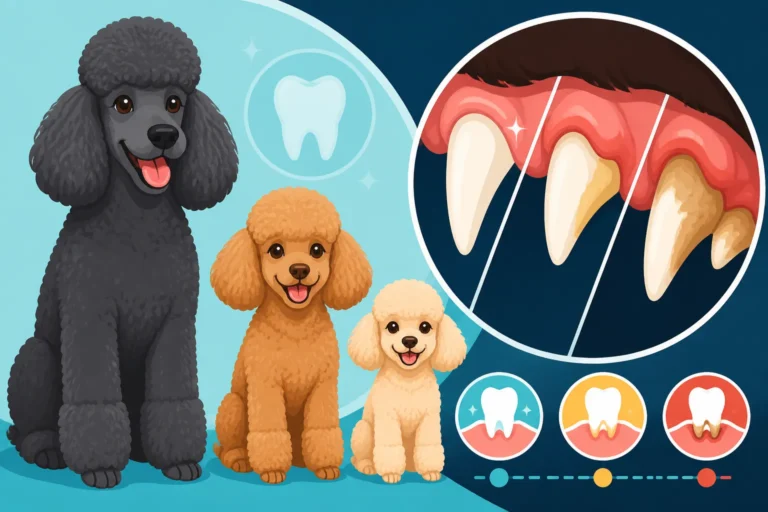
This hands-on examination is invaluable for early detection of potential health issues, especially important for a breed like the Poodle, which can be prone to specific conditions like Addison's disease or certain orthopedic problems. For instance, your vet can spot early signs of Poodle Dental Disease by Size, which can escalate quickly, or subtle changes in weight that might indicate a tendency towards Poodle Obesity and Its Consequences. For senior Poodles, these annual (or even biannual) check-ups become even more critical. Your vet might recommend routine bloodwork to monitor organ function, paying close attention to Kidney Values to Watch in a Senior Poodle or thyroid levels, allowing for intervention before a condition becomes advanced. These routine visits allow your vet to build a comprehensive history of your Poodle’s health, making it easier to spot trends and intervene effectively.
Genetic Health Screening and Responsible Breeding
A significant part of your Poodle's long-term health is determined long before they even arrive in your home: through responsible breeding practices. Poodles, like many purebred dogs, have certain genetic predispositions to particular health conditions. Understanding these helps you choose a healthy puppy and manage their health proactively throughout their life.
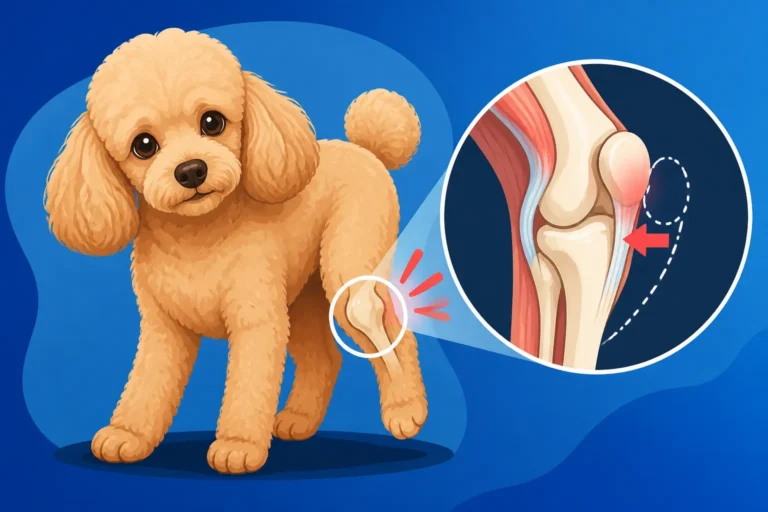
Reputable breeders are committed to genetic health screening their breeding stock. This means testing the parents for conditions commonly found in Poodles, such as Progressive Retinal Atrophy (PRA), von Willebrand Disease (vWD), Sebaceous Adenitis (SA), Hip Dysplasia, and Luxating Patellas. When you're searching for a Poodle puppy, never hesitate to ask the breeder for proof of these health clearances for both parents. A good breeder will be transparent and proud to share results from organizations like the Orthopedic Foundation for Animals (OFA) or the Canine Health Information Center (CHIC). Knowing What a Poodle Breeder Must Test For is empowering for prospective owners. Understanding the specific Genetic Panels for the Three Poodle Sizes can give you insights into potential future health concerns, allowing you to partner with your vet on targeted preventive strategies or early monitoring. This proactive approach by breeders directly translates to a healthier puppy for you, potentially saving you immense heartache and expense down the road.
Nutrition, Exercise, and Mental Stimulation
While veterinary care is paramount, the day-to-day choices you make about your Poodle's lifestyle form the bedrock of their health. A Poodle thrives when their fundamental needs for proper nutrition, adequate exercise, and stimulating mental engagement are consistently met.
Feeding your Poodle a high-quality, balanced diet appropriate for their age, size, and activity level is foundational. Poor nutrition can lead to a host of problems, from dull coats and digestive issues to obesity and weakened immune systems. There are excellent resources available to guide you on Feeding a Poodle by Size, whether you choose kibble, wet food, or a fresh food diet. Beyond the food bowl, Poodles are intelligent and active dogs who need more than just a quick trot around the block. They require regular, appropriate Daily Work for a Poodle's Body and Mind to stay physically fit and mentally sharp. This could include structured walks, playtime, dog sports like agility, or engaging puzzle toys that challenge their clever minds. An under-exercised or under-stimulated Poodle is not only prone to weight gain but can also develop behavioral issues stemming from boredom and excess energy. A holistic approach that integrates excellent veterinary care with thoughtful daily routines—supported by the financial security of pet insurance from a company like Healthy Paws, should unexpected health issues arise—is the true recipe for a Poodle's long, vibrant life.
Navigating Costs and Making Informed Decisions
Let's be realistic: owning a Poodle, especially one you intend to keep healthy and well-cared for, is a financial commitment. It's perfectly normal to feel a bit daunted by the costs associated with vaccines, preventives, and unexpected vet visits. But with a bit of planning and understanding, you can make informed decisions that ensure your Poodle receives the best possible care without breaking the bank.
Budgeting for Poodle Preventative Care
The cost of preventative care can add up, but it's an investment in your Poodle's health that pays dividends by preventing more serious, expensive issues down the line. A typical yearly budget for routine preventative care for a Poodle might include:
| Item | Estimated Annual Cost (Range) | Frequency | Notes |
|---|---|---|---|
| Annual Vet Exam | $50 – $150 | Annually | Often a base fee for the consultation. |
| Core Vaccines (DA2PP, Rabies) | $20 – $80 per vaccine | Every 1-3 years (after puppy series) | Varies by clinic; some combine fees. |
| Elective Vaccines (Lepto, Bordetella, etc.) | $20 – $50 per vaccine | Annually (if applicable) | Only for Poodles with relevant risk factors. |
| Heartworm Prevention | $80 – $250 | Monthly (or biannual injectable) | Varies by size of Poodle and brand. |
| Flea/Tick Prevention | $100 – $300 | Monthly | Varies by size of Poodle and product type (oral/topical). |
| Annual Heartworm Test | $30 – $60 | Annually | Essential even on preventives. |
| Fecal Exam | $20 – $50 | 1-2 times/year | Checks for intestinal parasites. |
These figures are general estimates and can fluctuate significantly based on your geographic location, your specific veterinary clinic, and the size of your Poodle. For instance, the Yearly Routine Vet Spend for a Poodle can be higher in metropolitan areas. Some veterinary clinics offer "wellness plans" which are subscription-based packages that bundle annual exams, core vaccines, and sometimes even routine bloodwork at a discounted monthly rate. This can be an excellent way to spread out costs and ensure all necessary preventative care is covered.
The Value of Pet Insurance for Long-Term Health
While budgeting for routine preventative care is important, it's the unexpected illnesses or accidents that can truly devastate your finances. This is where pet insurance can be a game-changer. Pet insurance typically works by reimbursing you for a percentage of your veterinary bills after you've met a deductible, covering things like accidents, emergencies, serious illnesses, surgeries, and specialized treatments.
It’s important to understand that most pet insurance policies do not cover routine wellness care (vaccines, preventives, annual exams) unless you specifically purchase an added "wellness package." However, its real value shines when your Poodle faces a significant health challenge, such as an unexpected injury, a sudden illness like Addison's disease, or even cancer. These situations can quickly lead to veterinary bills in the thousands, or even tens of thousands, of dollars. Having a policy from a reputable provider like Healthy Paws can mean the difference between being able to afford life-saving treatment and having to make agonizing financial decisions about your Poodle's care. It provides invaluable peace of mind, allowing you to focus on your Poodle's recovery rather than the escalating costs. When considering Insurance Versus Savings for a Standard Poodle, many owners find a combination is best: a dedicated savings fund for small, unexpected costs, and insurance for the truly catastrophic ones.
Partnering with Your Veterinarian
Ultimately, your veterinarian is your most important partner in ensuring your Poodle's health and longevity. They are not just service providers; they are highly trained professionals dedicated to your Poodle's well-being. Building a strong, trusting relationship with your vet is crucial for a lifetime of good care.
Don't ever hesitate to ask questions, voice your concerns, or discuss your budget. A good vet will be happy to explain vaccine protocols, discuss the pros and cons of different preventive medications, and help you tailor a health plan that fits both your Poodle's needs and your financial realities. They can offer insights into Caring for an Aging Poodle as your companion gets older, anticipating common issues and helping you prepare. Your Poodle relies on you to advocate for them, and an open dialogue with your veterinary team is the best way to do just that. They know your Poodle's history, understand breed-specific predispositions, and can provide personalized advice that you won't find in a generic online article.
Disclaimer
This article is for general informational purposes only and does not constitute professional advice. Laws, prices and regulations vary by location and change over time. Consult a qualified professional for guidance on your specific situation.