Whether Poodle Eyes Need Yearly Checks
It’s easy to get caught up in the day-to-day joys and challenges of Poodle ownership, often overlooking subtle health indicators. One area that frequently prompts questions from concerned owners is eye health: do Poodle eyes really need yearly checks, even if they look fine? The answer is a resounding yes, and understanding why is key to ensuring your beloved companion enjoys clear vision and comfort throughout their life. Many eye conditions in Poodles can develop insidiously, showing no obvious signs until they've progressed significantly, making proactive, regular veterinary attention absolutely essential. This guide will delve into the unique aspects of Poodle eye health, common issues, and the critical role of consistent professional examinations.
The Delicate Nature of Poodle Eyes and Common Vulnerabilities
Poodles, with their elegant features and captivating expressions, possess eyes that are both beautiful and, unfortunately, prone to a range of specific health concerns. The very traits that make them so appealing—their curly coat and often deep-set eyes—can also contribute to issues if not properly managed.
Why Poodle Eye Structure Matters
Poodles typically have beautiful, dark, almond-shaped eyes that are often deep-set within their skulls. While this can protect them from some external trauma, it also means that early signs of issues can be harder for an owner to spot without close inspection. The continuous growth of their signature curly coat is a double-edged sword: while it’s magnificent to behold, the hair around their eyes can easily grow long enough to irritate the cornea, scratch the delicate eye surface, or trap debris and moisture. This constant irritation can lead to chronic inflammation, infections, or even corneal ulcers if left unaddressed. It’s not just about aesthetics; that hair serves as a physical barrier and can wick away tear film incorrectly, or even harbor bacteria.
Beyond just the physical hair, many Poodles, particularly the lighter-colored varieties like creams, apricots, and whites, are notorious for tear staining. This reddish-brown discoloration under the eyes is often caused by an overflow of tears, which then react with bacteria and yeast on the fur. While tear staining itself isn't usually a health crisis, it can indicate an underlying issue such as blocked tear ducts, allergies, or even early signs of an eye infection or irritation. Ignoring persistent tear staining as "just a Poodle thing" misses an opportunity to investigate potential discomfort for your dog. For more insights on this, you might find our article on Why a Poodle's Tear Stains Turn Red particularly helpful.
Genetic Predispositions and Inherited Conditions
Unfortunately, Poodles are predisposed to several inherited eye conditions that can significantly impact their vision, sometimes leading to blindness. Responsible Poodle breeders are diligent about screening their breeding stock for these genetic conditions to minimize their occurrence, but even with the best practices, these issues can still surface. Understanding these predispositions is vital for any Poodle owner, as it informs the necessity of regular checks and can influence decisions about future care.
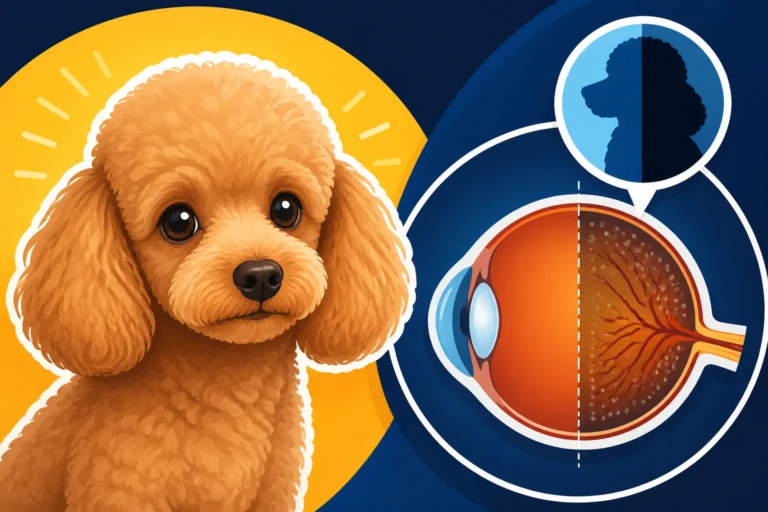
One of the most well-known inherited conditions in Poodles is Progressive Retinal Atrophy (PRA), a group of degenerative diseases that affect the retina and eventually lead to blindness. There are different forms of PRA, and while some may manifest in puppyhood, others might not show symptoms until a dog is well into adulthood. Another concern is cataracts, which can be inherited, or develop secondary to other conditions like diabetes, or simply due to old age. While some cataracts are benign, others can obstruct vision significantly and may require surgical intervention. Glaucoma, a painful condition characterized by increased pressure within the eye, also has a genetic component in some Poodle lines. If left untreated, glaucoma can rapidly lead to irreversible blindness and severe pain. This is why thorough testing of breeding dogs, as discussed in What a Poodle Breeder Must Test For, is so incredibly important for the breed's future health. Being aware of these genetic risks means you're better prepared to advocate for your Poodle's health with your vet.
Recognizing the Early Warning Signs of Eye Problems
As Poodle owners, we often develop an almost intuitive understanding of our dogs. However, our sensitive Poodles can be incredibly stoic, often hiding discomfort or pain until a condition is quite advanced. This makes it crucial to be vigilant for even subtle changes in their behavior or the appearance of their eyes.
Subtle Behavioral Changes to Look For
Your Poodle communicates in many ways, and changes in their routine or demeanor can be significant indicators of eye discomfort or vision impairment. One of the first things you might notice is an increased tendency to rub their face or eyes with a paw or against furniture. While a casual rub might be normal, persistent or frantic rubbing is a red flag. You might also observe excessive blinking or squinting, especially in bright light. If your Poodle, usually keen to explore, starts becoming more hesitant, bumping into familiar objects, or showing a reluctance to navigate stairs or jump onto furniture, it could signal a decline in their vision. They might also appear more withdrawn or anxious, particularly in new environments or at dusk.
Another subtle sign can be a change in their interaction with you or other pets. A Poodle with impaired vision might be more easily startled, less responsive to visual cues, or more prone to nipping if approached unexpectedly. Pay attention to how they play—are they missing toys they used to catch easily, or do they seem less engaged in visually stimulating games? These small shifts can be easy to dismiss, but for a Poodle, who often hides illness as described in Reading Pain in a Sensitive Poodle, they are vital clues that something is amiss. Keeping a mental note of these behavioral nuances can prompt an early vet visit, potentially saving their vision or relieving pain.
Visible Physical Symptoms
Beyond behavioral cues, there are several physical signs on or around your Poodle's eyes that should immediately warrant a call to your veterinarian. Any discharge from the eye, whether it's clear and watery, thick and pus-like, or green/yellow in color, is abnormal. While a small amount of clear discharge after waking up is often harmless, anything excessive, colored, or persistent is a concern. Redness of the whites of the eyes (sclera) or the conjunctiva (the pink tissue lining the eyelids) is another clear indicator of inflammation or infection. This can often be seen with conditions like conjunctivitis or more serious underlying issues.
Cloudiness or haziness in the eye itself, particularly over the pupil or iris, should never be ignored. This could indicate cataracts, corneal edema, or even glaucoma. For example, if you notice a bluish-grey film developing, especially in an older Poodle, it could be the beginning of a cataract. You can learn more about this in our article Cataracts in a Diabetic Poodle. Similarly, if one pupil appears larger or smaller than the other, or doesn't react normally to light, it could signal neurological issues or problems within the eye itself. Swelling around the eye, visible foreign objects like grass seeds or debris, or any ulceration on the surface of the eye are all emergencies requiring immediate veterinary attention. Don't try to remove foreign objects yourself; you could cause more damage. It's better to let a professional handle it.
The Lifelong Necessity of Routine Poodle Eye Care
For Poodle owners, the question of whether their dog's eyes truly need yearly checks is often asked. The answer is a resounding yes, and not just when a problem becomes obvious. Routine eye care, including professional veterinary examinations, is a cornerstone of responsible Poodle ownership and essential for their long-term well-being.
When and Why Yearly Eye Exams are Non-Negotiable
Think of your Poodle's annual eye exam as being just as important as their Poodle Vaccination and Preventive Schedule or their yearly physical. It's not merely a reactive measure for when something goes wrong; it's a proactive defense. Given the Poodle's genetic predispositions to various eye conditions, a yearly check-up allows your veterinarian to establish a baseline of what is normal for your individual dog. This baseline is invaluable, making it much easier to detect subtle changes that could signal the onset of a serious condition before it progresses too far. Early detection of issues like early-stage cataracts, glaucoma, or even Progressive Retinal Atrophy in Miniature Poodles can mean the difference between successful management and irreversible vision loss.
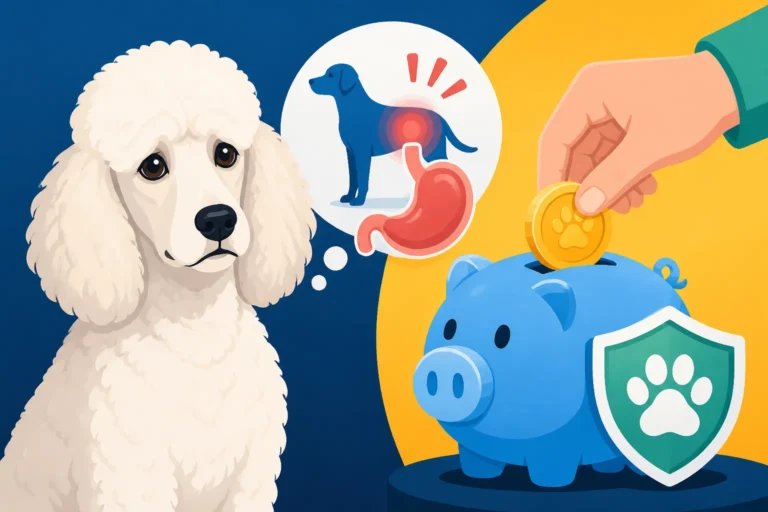
These annual visits are critical for all Poodle sizes and ages, not just the older ones. While senior Poodles certainly need vigilant eye care as part of Caring for an Aging Poodle, many inherited conditions can begin to manifest in younger dogs. Moreover, even seemingly minor issues, like chronic irritation from unruly hair or environmental allergies affecting the eyes, can be caught and addressed before they escalate into more painful or vision-threatening problems. Catching issues early can also significantly reduce the cost and complexity of treatment. A good pet insurance plan like Healthy Paws can really ease the financial burden if complex eye surgeries or long-term medication become necessary, providing invaluable support for these routine but crucial health measures.
What Happens During a Veterinary Eye Examination
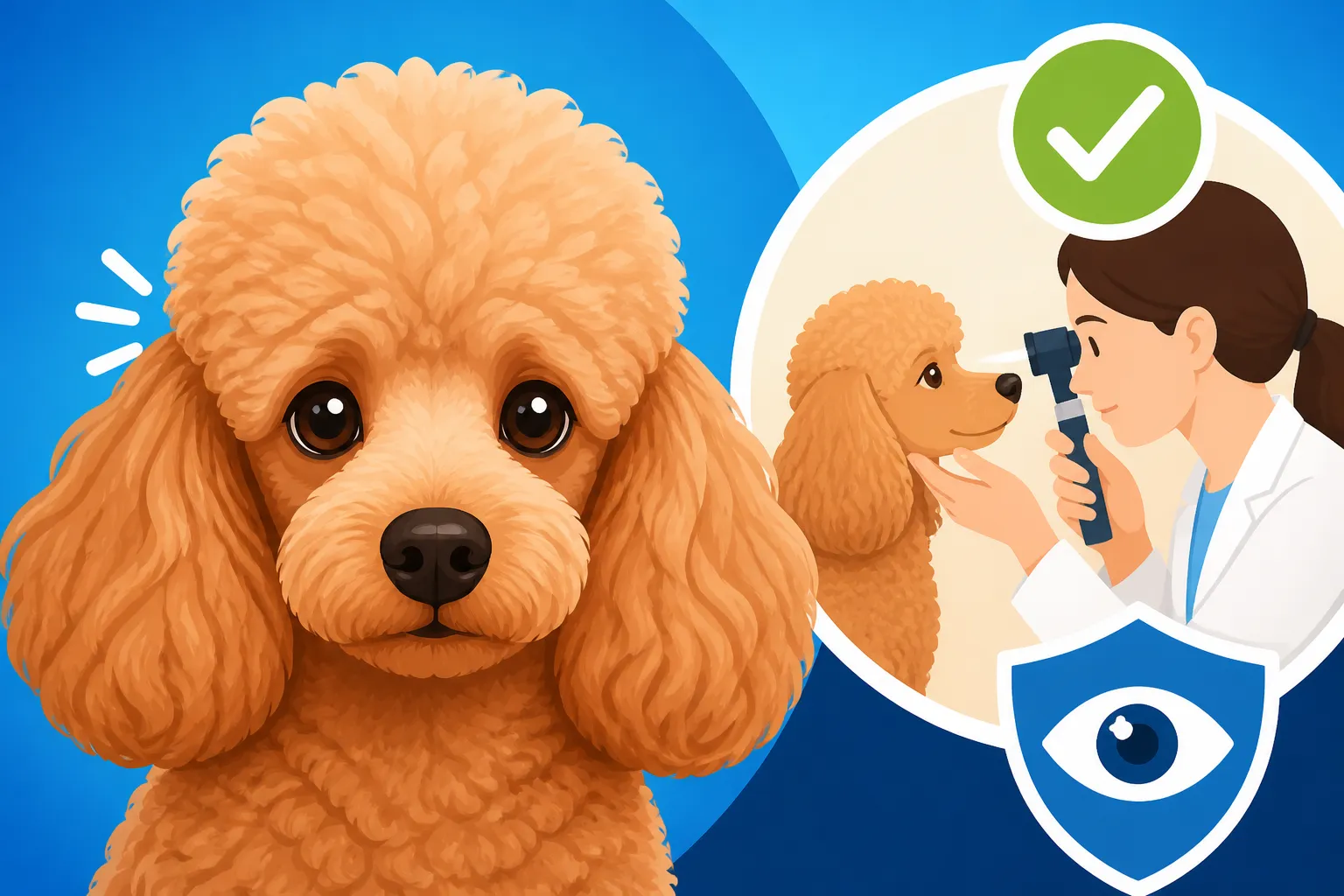
A comprehensive veterinary eye exam is far more than just a quick glance. Your vet will begin with a thorough visual inspection, observing your Poodle's overall eye appearance, tear production, and how they react to light. They'll examine the eyelids for any abnormalities like entropion (inward rolling) or ectropion (outward rolling), and check the conjunctiva for redness or swelling.
Next, specific diagnostic tools will likely be employed. An ophthalmoscope allows the vet to look deep into the eye, examining the retina, optic nerve, and lens for any signs of cataracts, retinal degeneration (like PRA), or other internal anomalies. A tonometry test, which measures the pressure inside the eye, is crucial for detecting glaucoma. This test is usually quick and painless, often performed with a topical anesthetic drop. Your vet may also use a fluorescein stain, an orange dye that, when applied to the eye, helps reveal any corneal abrasions, ulcers, or foreign bodies that might not be visible to the naked eye. This stain will glow under a special blue light, making even tiny scratches apparent. Each of these steps plays a vital role in providing a complete picture of your Poodle's eye health, allowing for accurate diagnosis and timely intervention.
Home Care and Proactive Measures
While professional veterinary checks are paramount, there's a lot you can do at home to support your Poodle's eye health. Regular, gentle cleaning around the eyes is a must, especially for Poodles prone to tear staining. Use a soft, damp cloth or a vet-approved eye wipe to gently clean away any crusts or discharge. Always wipe away from the eye, and use a fresh part of the cloth for each eye to prevent cross-contamination if there's an infection.
Grooming is another huge component of at-home eye care. The hair around a Poodle's eyes grows continuously and can become a constant source of irritation. Learning how to carefully trim this hair, or ensuring your professional groomer does so regularly, is essential. Our guide on Trimming the Hair Around a Poodle's Eyes offers practical tips for this task. Beyond external care, providing a high-quality, balanced diet rich in antioxidants can support overall health, including eye health. Always remember: if you suspect an eye problem, do not attempt to self-diagnose or use over-the-counter human eye drops. Many human medications can be harmful to dogs, and delaying professional diagnosis can have severe consequences for their vision. Consistent home care combined with diligent vet visits helps protect those precious Poodle eyes, and ensuring your Poodle's eyes are checked regularly is a cornerstone of responsible pet ownership. Having coverage from providers such as Healthy Paws can provide peace of mind for both routine and unexpected eye care needs.
Understanding Specific Poodle Eye Conditions
While general eye irritation and infections are common, Poodles are particularly susceptible to several serious eye conditions that owners should be aware of. Knowing what these conditions are, how they manifest, and their potential outcomes empowers you to work effectively with your vet.
Progressive Retinal Atrophy PRA
Progressive Retinal Atrophy (PRA) isn't a single disease but rather a group of genetic disorders that cause the degeneration of the photoreceptor cells (rods and cones) in the retina. These cells are responsible for detecting light and transmitting visual signals to the brain. Over time, these cells deteriorate, leading to progressive vision loss and, eventually, complete blindness. Different forms of PRA exist, with some appearing in Poodles as early as puppyhood (early-onset) and others developing later in life (late-onset). For Miniature Poodles, there's a specific type called prcd-PRA, which typically causes night blindness first, slowly progressing to full blindness. You can delve deeper into this condition by reading Progressive Retinal Atrophy in Miniature Poodles.
The insidious nature of PRA often means that owners don't notice the early signs, especially the initial night blindness, as dogs adapt remarkably well to their environment. As the disease progresses, you might observe your Poodle becoming more hesitant in dimly lit areas or bumping into objects in the evening. There is currently no cure for PRA, but genetic testing is available for many forms, including prcd-PRA, which allows responsible breeders to screen their stock and prevent passing the gene to future generations. For pet owners, DNA Testing a Poodle for PRA can confirm a diagnosis, which is crucial for planning your dog's future care. While a diagnosis of PRA can be disheartening, dogs adapt remarkably well to blindness, especially when the transition is gradual. Our article on Guiding a Poodle Blinded by Retinal Atrophy offers invaluable advice for supporting your visually impaired companion.
Cataracts and Glaucoma
Cataracts and glaucoma are two distinct but equally serious eye conditions that can affect Poodles. A cataract is a clouding of the lens inside the eye, which can vary in size and density, ranging from a small, insignificant opacity to a complete white clouding that severely impairs vision. Poodles can develop inherited cataracts, or they can be secondary to other diseases like diabetes, inflammation, or trauma. They can also simply occur as a natural part of aging. While some small cataracts may not impact vision, larger ones can cause significant visual impairment, making the world seem blurry or even entirely dark. Surgical removal of cataracts is often an option, particularly if they are impairing vision and the dog is otherwise healthy. This is a specialized procedure, and timing is often key for the best outcome.
Glaucoma, on the other hand, is characterized by increased pressure within the eye, which damages the optic nerve and can lead to rapid and irreversible blindness if not treated promptly. It is often extremely painful for the dog. Poodles can suffer from primary glaucoma (inherited) or secondary glaucoma (due to another eye condition like advanced cataracts, inflammation, or tumors). Signs of glaucoma can include a cloudy or bluish appearance to the eye, redness, dilated pupil, excessive tearing, squinting, or your Poodle rubbing their eye. Because glaucoma can progress so quickly, often causing blindness within hours or days if acute, it is considered a veterinary emergency. When planning for potential vet costs, remember that a solid pet insurance plan, like those offered by Healthy Paws, can be invaluable for unexpected, serious conditions like acute glaucoma or expensive cataract surgery.
Entropion, Ectropion, and Distichiasis
These are structural abnormalities of the eyelids or eyelashes that, while often correctable, can cause chronic discomfort and lead to more serious eye problems if left unaddressed.
Entropion is a condition where the eyelid (usually the lower one) rolls inward, causing the eyelashes and surrounding hair to rub directly against the cornea. This constant irritation is incredibly painful and can lead to corneal ulcers, scarring, and even vision loss over time. You might notice your Poodle squinting, tearing excessively, or having chronic discharge. It’s often seen in younger dogs but can appear at any age.
Ectropion is the opposite condition, where the eyelid rolls outward, exposing the delicate conjunctiva and globe to environmental irritants, dryness, and secondary infections. While less common in Poodles than entropion, it can still occur. Dogs with ectropion might experience chronic conjunctivitis or discharge.
Distichiasis refers to the growth of extra eyelashes from an abnormal location on the eyelid, specifically from the meibomian glands along the eyelid margin. These errant eyelashes often grow inward, rubbing against the cornea, similar to entropion, causing irritation, pain, and potentially corneal damage. Depending on the severity and number of errant lashes, treatment can range from plucking to cryosurgery (freezing) or surgical removal of the follicle.
All three of these conditions are usually diagnosed during a routine veterinary eye examination. While they may not be immediately vision-threatening in the same way as acute glaucoma, the chronic irritation and potential for corneal damage make early diagnosis and surgical correction important for your Poodle's comfort and long-term eye health.
| Eye Condition | Common Symptoms | Importance of Vet Checks |
|---|---|---|
| Progressive Retinal Atrophy (PRA) | Night blindness, bumping into objects, dilated pupils, gradual vision loss | Essential for early diagnosis, genetic counseling for breeders, and planning for a visually impaired dog. |
| Cataracts | Cloudiness in the lens, whitish appearance of the pupil, vision impairment | Crucial for differentiating from normal aging changes (nuclear sclerosis), monitoring progression, and surgical evaluation. |
| Glaucoma | Redness, pain, cloudy eye, dilated pupil, squinting, rapid vision loss | URGENT: Rapid diagnosis and treatment are critical to save vision and alleviate pain. |
| Entropion/Ectropion | Squinting, excessive tearing, discharge, redness, visible inward/outward rolling of lid | Necessary for diagnosis and surgical correction to prevent chronic pain and corneal damage. |
| Distichiasis | Tearing, squinting, rubbing eyes, corneal irritation from abnormal eyelashes | Important for identifying and removing irritating lashes to prevent chronic discomfort and corneal ulcers. |
| Conjunctivitis (Pink Eye) | Redness, swelling, discharge (clear, yellow, or green) | Essential to determine underlying cause (allergies, infection, foreign body) and treat appropriately to prevent complications. |
| Corneal Ulcers | Squinting, pain, discharge, cloudiness on cornea, visible lesion | URGENT: Requires immediate treatment to prevent infection, perforation, and permanent scarring/vision loss. |
Disclaimer
The information provided in this article is for educational and informational purposes only, and does not constitute veterinary medical advice. Always consult with a qualified veterinarian for any health concerns or before making any decisions about your Poodle's health or treatment.