How Often a Toy Poodle Puppy Must Eat
Bringing home a tiny Toy Poodle puppy is an absolute joy, but it often comes with a big dose of anxiety, especially when you realize how incredibly small and fragile they seem. Many new owners fret over everything from potty training to whether their little fluffball is eating enough, and for good reason: Toy Poodle puppies are particularly susceptible to dangerously low blood sugar. This guide will help you understand their unique nutritional needs and establish a confident feeding schedule to keep your precious puppy healthy and thriving.
The Delicate Metabolism of a Toy Poodle Puppy
It’s easy to look at a playful Toy Poodle puppy bouncing around and assume they're robust, but their tiny bodies have an incredibly fast metabolism. This means they burn through energy, particularly glucose (blood sugar), at an astonishing rate. What might be a minor inconvenience for a larger breed puppy can quickly become a life-threatening emergency for a Toy Poodle if their energy reserves aren't consistently topped up.
Understanding Hypoglycemia Risk
Hypoglycemia, or low blood sugar, is the silent threat lurking for many Toy Poodle puppies, especially those under four months old or weighing less than five pounds. Their small livers simply aren't mature enough to store significant glycogen (a form of glucose) reserves, and their bodies burn calories at a much faster pace than larger puppies. If a Toy Poodle puppy misses a meal, over-exercises, or gets stressed, their blood sugar can plummet dramatically and quickly.
The signs of Hypoglycemia in a Toy Poodle Puppy can be subtle at first, often mistaken for simple tiredness. You might notice your puppy becoming unusually quiet, moving sluggishly, or appearing confused. As it worsens, they might become wobbly on their feet, start shivering, or even collapse and have seizures. It's a terrifying experience for any owner to witness, and swift action is absolutely crucial. A puppy in a hypoglycemic state needs immediate access to sugar, which is why understanding Blood Sugar Crashes in a Toy Poodle is so important for every owner. Having a plan in place, like keeping a tube of glucose gel or corn syrup on hand, can literally save their life.
Rapid Growth and High Energy Demands
Beyond the risk of low blood sugar, remember that your Toy Poodle puppy is in a period of intense, rapid growth. Every cell in their tiny body is developing, from their bones and muscles to their brain and immune system. This phenomenal growth spurt demands a constant, steady supply of high-quality nutrients and calories. Think of them as miniature, high-performance engines that need frequent fueling.
Because their energy demands are so high and their stomach capacity so small, they can't simply eat one or two large meals a day like an adult dog. They need several smaller meals spread throughout the day to meet these demands without overwhelming their digestive system. These frequent feedings provide the consistent energy needed for all that growing, exploring, and learning. Without adequate and regular nutrition, a Toy Poodle puppy won't just struggle with hypoglycemia; their overall development can be stunted, affecting everything from their immune response to their muscle development and cognitive function. This constant need for fuel underscores why How Much a Toy Poodle Puppy Eats isn't just about quantity, but also frequency.
Establishing a Proper Feeding Schedule
One of the most common questions I get from new Toy Poodle owners is, "How often should I feed my puppy?" And honestly, it's not a one-size-fits-all answer, but there are clear guidelines that can help you set your little one up for success. Consistency is key, especially in those early, vulnerable weeks.
The Critical First Weeks (8-12 Weeks Old)
When you first bring home an 8 to 12-week-old Toy Poodle puppy, they are still very much babies, and their feeding schedule needs to reflect that. At this age, most breeders will have them on a schedule of four to five small meals per day, and it's best to continue this routine. These frequent meals are your primary defense against hypoglycemia.
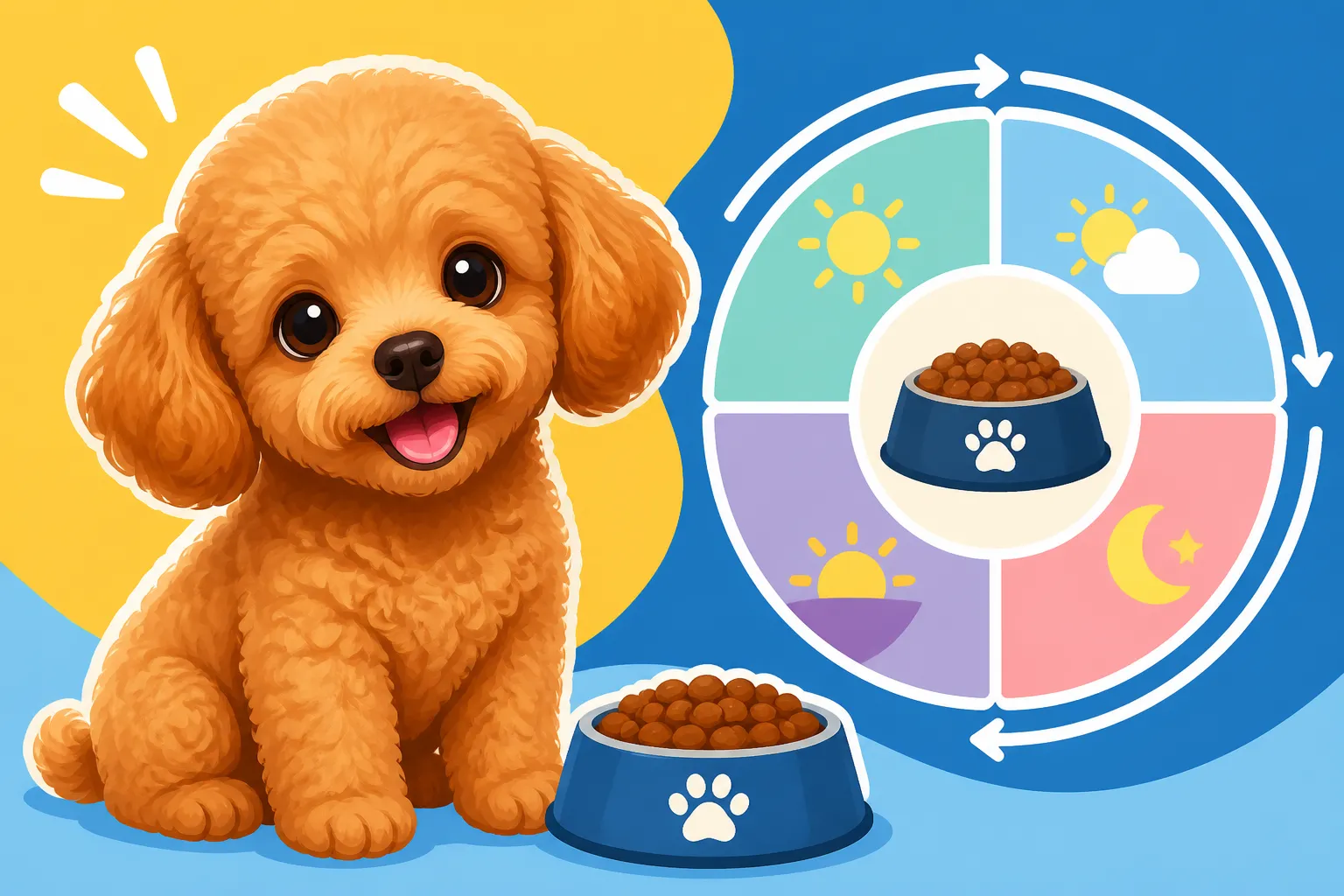
Imagine a typical day: your puppy might have their first meal shortly after waking up, around 6 or 7 AM. Then, another meal mid-morning, around 10 or 11 AM. A third meal in the early afternoon, perhaps 2 or 3 PM. A fourth meal early evening, 6 or 7 PM. And often, a small "bedtime snack" right before you tuck them in for the night, around 9 or 10 PM. This ensures they don't go too long without food, especially overnight. When you first get your puppy, it's incredibly helpful to get a detailed feeding schedule from the breeder, including the specific food they're eating, and stick to it for at least a week or two. Sudden changes, whether in food or schedule, can easily upset a sensitive puppy's tummy and stress their system.
Gradual Changes as They Grow (3-6 Months Old)
As your Toy Poodle puppy approaches three to four months of age, you'll start to notice them becoming a little more robust. They might be able to handle slightly longer stretches between meals without showing signs of low blood sugar. This is typically when you can begin to transition them from five meals down to four, and then eventually to three meals a day. This transition should always be gradual and based on your individual puppy's needs and energy levels.
Instead of just eliminating a meal, you might combine two smaller meals into one slightly larger one, ensuring the overall daily calorie intake remains appropriate for their growing body. For example, if they were eating at 7 AM, 11 AM, 3 PM, 7 PM, and 10 PM, you might try consolidating the 11 AM and 3 PM meals, moving to 7 AM, 1 PM, 7 PM, and 10 PM. Then, later, moving to 7 AM, 1 PM, and 7 PM. Always observe your puppy closely during these transitions. Are they still energetic? Are they finishing their meals? Are there any signs of lethargy or weakness? If you see any concerns, don't hesitate to slow down the transition or consult your vet. Routine vet checks, covered by pet insurance providers like Healthy Paws, are essential during these growth stages.
Here's a general guideline for feeding frequency by age:
| Age of Toy Poodle Puppy | Recommended Daily Meals | Notes |
|---|---|---|
| 8 – 12 Weeks Old | 4-5 meals | Crucial for preventing hypoglycemia. Last meal close to bedtime. |
| 3 – 6 Months Old | 3-4 meals | Gradually reduce frequency while maintaining adequate daily calories. Monitor energy closely. |
| 6 – 12 Months Old | 2-3 meals | Most puppies transition to two meals a day by 6-9 months. |
| 12+ Months Old | 2 meals | Standard adult feeding schedule. Consistency is still important. |
Moving Towards Adult Schedules (6-12 Months Old)
By the time your Toy Poodle puppy reaches six to nine months of age, they are usually ready to transition to an adult feeding schedule of two meals a day. While their growth rate might be slowing, they are still consolidating bone and muscle mass, and their energy levels are often still quite high. Many Toy Poodles will continue to eat a puppy-specific food until they are closer to 10-12 months old, especially if they are still very active or on the smaller side. The decision of when to switch to adult food often aligns with their overall growth plates closing and their energy needs stabilizing.
This transition should also be gradual. Once they are comfortably on three meals a day, you can slowly combine the lunch meal with either breakfast or dinner. For example, moving from breakfast, lunch, dinner to a larger breakfast and a larger dinner. Always spread these meals out as much as possible to maintain a steady energy supply. Remember, while they are becoming more robust, they still benefit from consistent nutrition. Don't be surprised if your Toy Poodle seems to have a persistent "puppy hunger" even after their meals. Their clever minds and love for food mean they'll often act like they're starving, but stick to your measured portions. For deeper insights into their dietary progression, check out The Age a Toy Poodle Goes to Two Meals.
What to Feed and How to Monitor
Beyond the frequency of meals, what you feed your Toy Poodle puppy and how you monitor their growth and health are equally important. A well-rounded diet tailored to their specific needs is fundamental to their development and long-term well-being.
Choosing the Right Puppy Food
Selecting the right food is paramount for a Toy Poodle puppy. You'll want a high-quality puppy formula specifically designed for small breeds. These foods are typically nutrient-dense, with appropriate calorie levels, and most importantly, feature a smaller kibble size. A tiny Kibble Size for a Toy Poodle's Jaw makes it easier for their delicate mouths to chew and digest, preventing choking hazards and promoting good dental health from an early age. Look for brands that have undergone extensive feeding trials and have a proven track record.
Avoid generic "all breed" puppy foods, as they might not meet the intense caloric and nutritional demands of a small, fast-growing Toy Poodle. Common, reputable brands often recommended by veterinarians include Purina Pro Plan Small Breed Puppy, Royal Canin Mini Puppy, or Hill's Science Diet Small Paws Puppy. Always introduce any new food gradually over 7-10 days, mixing increasing amounts of the new food with decreasing amounts of the old food. This slow transition helps prevent digestive upset, which can be particularly detrimental to a Toy Poodle puppy's blood sugar stability.
Portion Control and Growth Monitoring
While frequent feeding is crucial, simply free-feeding (leaving food out all day) isn't usually the best approach for Toy Poodle puppies. It makes it difficult to monitor their actual intake, can lead to picky eating, and can also contribute to obesity later on. Instead, measure out their daily food allowance and divide it into their scheduled meals. Follow the feeding guidelines on the food bag as a starting point, but remember these are just averages. Your puppy's individual metabolism, activity level, and growth rate will dictate their exact needs.
Regularly Checking a Toy Poodle Puppy's Blood Sugar is not something an owner typically does at home, but monitoring their weight and body condition is essential. You should be able to easily feel their ribs, but not see them protruding, and they should have a discernible waist when viewed from above. Weigh your puppy weekly on a kitchen scale in the early months. This helps you track their growth and adjust food portions as needed. If you notice any sudden drops or plateaus in weight, or if they seem overly skinny or chunky, it's time to consult your veterinarian. Even Training Treats and a Poodle's Daily Calories need to be factored into their overall nutritional intake to prevent overfeeding.
Emergency Preparedness and Vet Consultations
As much as we try to prevent it, emergencies can happen. Always have a plan for Emergency Sugar for a Crashing Toy Poodle. A tube of Nutri-Cal, Forti-Cal, or even a small squeeze bottle of corn syrup can be a lifesaver. Know the signs of hypoglycemia and act swiftly if you suspect it. Rubbing a little syrup on their gums can buy you precious minutes to get to the vet.
Regular veterinary check-ups are non-negotiable for a growing Toy Poodle puppy. Your vet will not only administer necessary vaccinations and deworming but also monitor their growth, dental development (checking for Retained Baby Teeth in a Toy Poodle, which are common in small breeds), and overall health. They can also provide guidance on adjusting feeding schedules, recommend appropriate food, and help you address any concerns about weight or energy levels. These consistent visits are part of ensuring your little one is thriving, and a good pet insurance policy, such as those offered by Healthy Paws, can certainly help manage the cost of these crucial What a Vet Checks on a Toy Poodle Puppy appointments, giving you peace of mind.
Common Feeding Missteps to Avoid
Even with the best intentions, it's easy to make mistakes when feeding a tiny Toy Poodle puppy. Understanding these common pitfalls can help you steer clear of problems and ensure your puppy develops into a healthy adult.
Overfeeding and Obesity Risks
One common misconception is that a chubby puppy is a healthy puppy. While a lean puppy is concerning, an overweight one isn't doing them any favors either. Overfeeding can happen subtly, especially if you're constantly offering treats or not accurately measuring meals. Many owners, worried about hypoglycemia, err on the side of giving too much food, leading to excessive weight gain.
Obesity in puppyhood can have significant long-term health consequences for your Toy Poodle. It puts undue stress on their developing joints, contributing to orthopedic issues like Luxating Patella in Toy and Miniature Poodles, which is already a concern for the breed. It can also predispose them to diabetes, heart disease, and a shorter lifespan. Moreover, a heavy puppy might become less active, creating a vicious cycle. Always remember that the feeding guides on food bags are a daily total, not per meal, and every treat adds calories. Be mindful of their body condition and adjust portions proactively.
Underfeeding and Nutritional Deficiencies
On the flip side, underfeeding is another serious issue. While less common than overfeeding due to concerns about hypoglycemia, it can happen if a puppy is particularly picky, has digestive issues, or if an owner underestimates their caloric needs. A puppy that isn't receiving enough calories and nutrients will fail to thrive.
Signs of underfeeding include lethargy (beyond normal puppy napping), poor coat quality, stunted growth, and a visible lack of muscle development. If your puppy consistently leaves food, seems uninterested in eating, or is generally not gaining weight as expected, it's a red flag. Nutritional deficiencies during critical growth periods can lead to irreversible problems, impacting bone density, immune system function, and overall vitality. If you suspect your Toy Poodle puppy isn't getting enough food, or if they're experiencing digestive upset that interferes with nutrient absorption, it's crucial to consult your vet. They can help identify underlying issues, recommend appetite stimulants if needed, or suggest a more palatable and nutrient-dense diet to get your little one back on track.
Disclaimer
This article is for general informational purposes only and does not constitute professional advice. Laws, prices and regulations vary by location and change over time. Consult a qualified professional for guidance on your specific situation.