Elimination Diets for an Itchy Poodle
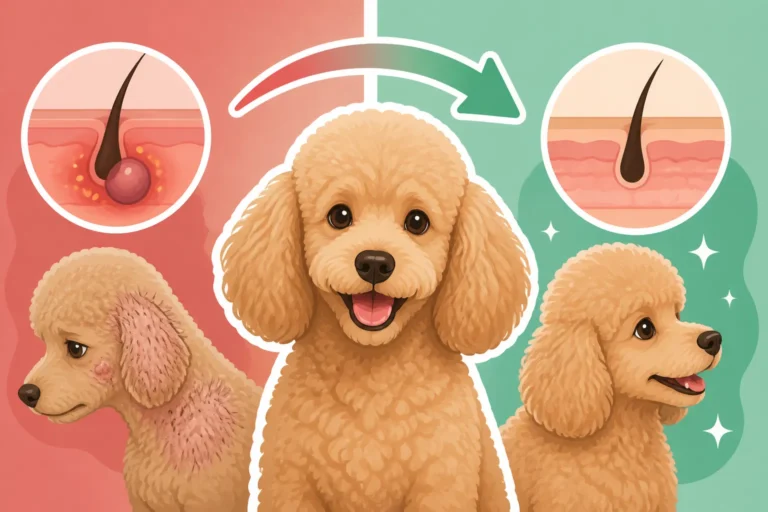
There’s little more heartbreaking than watching your beloved Poodle constantly scratching, licking, or chewing themselves raw. It’s an endless cycle of discomfort for them and a source of immense frustration and worry for us, their devoted owners. When that persistent itch doesn't respond to typical treatments like flea medication or medicated shampoos, it’s often a sign that a food allergy might be at play, and that's exactly what an elimination diet is designed to uncover. This guide will walk you through the ins and outs of tackling that frustrating itch with an elimination diet, helping you bring relief to your Poodle.
Unpacking the Mystery of Your Poodle's Persistent Itch
It's easy to assume an itch is just, well, an itch. But for Poodles, with their sensitive skin and propensity for certain conditions, it can be a complex puzzle. Before we dive into elimination diets, it's crucial to understand the different culprits that might be behind your Poodle’s discomfort. The goal isn't just to stop the scratching, but to find out why they're scratching in the first place. This detective work is key to lasting relief.
Differentiating Between Environmental and Food Allergies
One of the biggest hurdles in managing an itchy Poodle is figuring out if the problem is coming from something they're eating or something in their environment. Both can present with very similar symptoms, often grouped under the umbrella term "allergic dermatitis."
- Environmental Allergies (Atopy): These are often seasonal, though they can be year-round depending on the allergen (pollen, dust mites, mold spores). You might notice your Poodle gets itchier in spring when pollen counts are high, or perhaps year-round if dust mites are the issue. The itching typically affects their paws, ears, belly, and face. You might also notice repeated ear infections, which are common with Poodle Allergies and Skin Reactions.
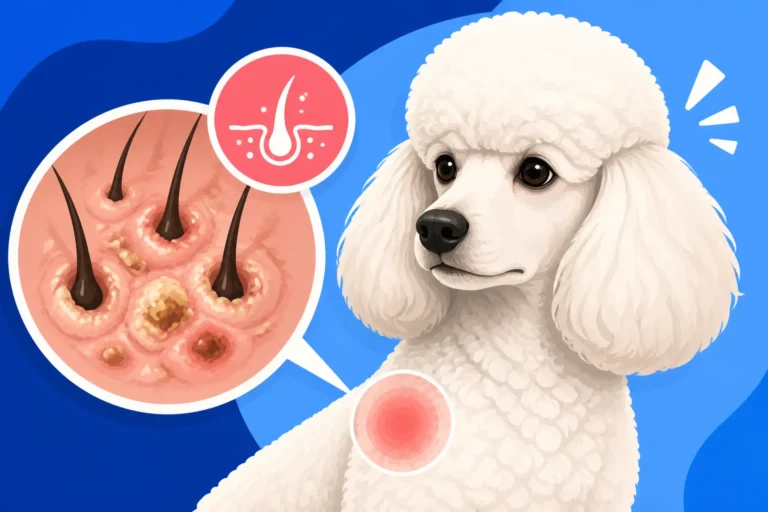
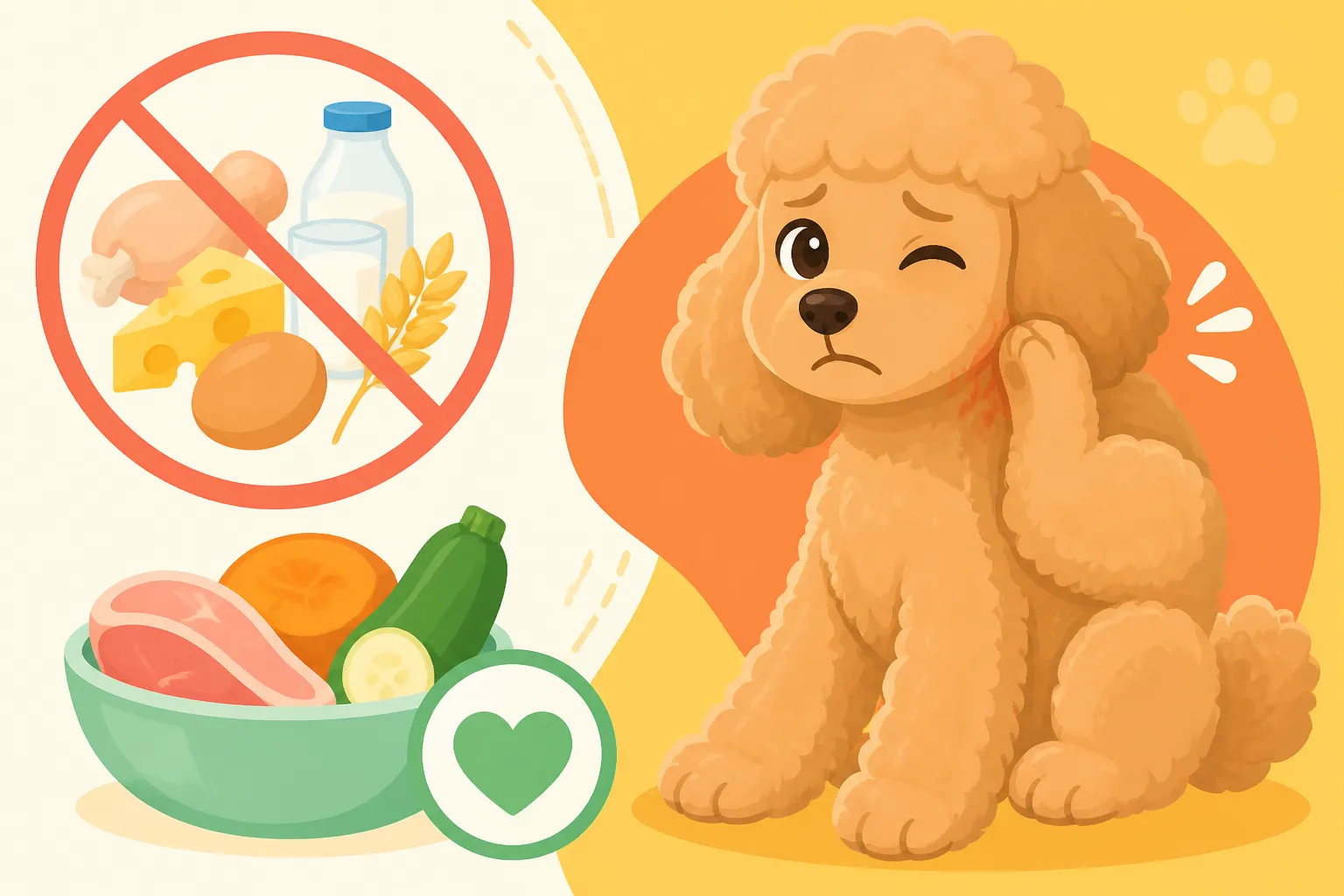
- Food Allergies: Unlike environmental allergies, food allergies in Poodles typically cause non-seasonal itching, meaning it persists year-round. The primary symptoms are usually skin-related – intense itching, redness, inflammation, and recurring ear or skin infections. However, Poodles with food allergies might also experience gastrointestinal upset like vomiting, diarrhea, or excessive gas, though skin symptoms are often the most prominent. Sometimes, the only sign is a Poodle obsessively licking their paws or rubbing their face. It can be hard to tell Whether a Poodle's Itch Is Allergy or Adenitis without careful diagnosis.
The biggest distinction lies in the consistency and accompanying symptoms. If the itch is constant, irrespective of the season, and especially if accompanied by gut issues, food allergy moves higher up the suspect list. If the itch seems tied to specific times of the year or particular environments, then Environmental Allergies in a Poodle might be the primary concern, or potentially both.
The Heartbreak of Constant Discomfort for Your Poodle
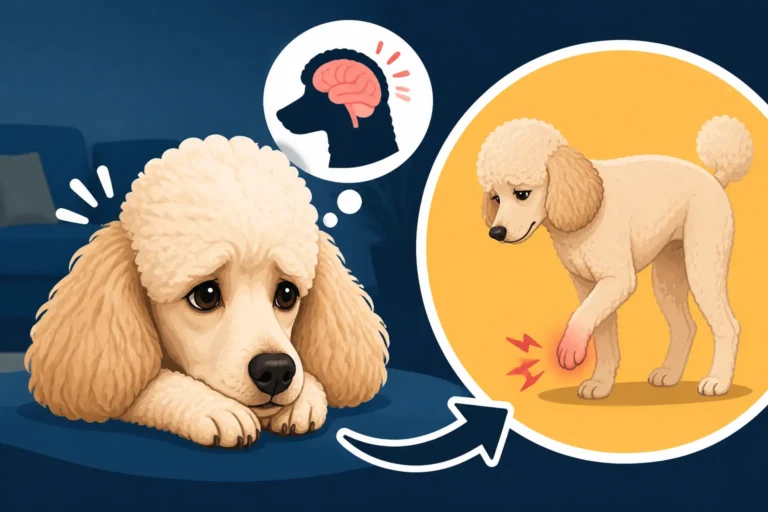
As a Poodle owner, you know these dogs are incredibly intelligent and sensitive. Living with chronic itch isn't just physically irritating; it takes a huge toll on their mental well-being too. Imagine being itchy all the time, unable to communicate your distress. Your Poodle might become more irritable, restless, or even withdrawn. The constant scratching can lead to secondary skin infections, hot spots, hair loss, and thickened, darkened skin. These complications only add to their suffering and prolong the diagnostic journey.
It’s easy to feel helpless when you see your Poodle relentlessly gnawing at their paws or rubbing their face along the carpet until it’s raw. This isn't just a minor annoyance; it's a significant quality of life issue for them. That's why embarking on an elimination diet, despite its strictness, is such a powerful tool. It offers a tangible path towards pinpointing the problem and providing genuine relief, transforming your Poodle from a miserable, itchy mess back into their happy, bouncy self.
The Gold Standard: How Elimination Diets Pinpoint Food Allergies
When your Poodle's itch won't let up and other causes have been ruled out, a food allergy often becomes the prime suspect. But how do you find the needle in the haystack of ingredients? This is where the elimination diet shines. It's not a quick fix or a magic pill; it's a methodical, diagnostic process, but it's hands-down the most reliable way to identify exactly which food ingredients are causing your Poodle's distress.
Understanding the 'Novel Protein and Carbohydrate' Approach
At its heart, an elimination diet works by stripping away all potentially allergenic ingredients and introducing only foods your Poodle has never eaten before. The term "novel" is key here. Think about it: most commercial dog foods rely on common proteins like chicken, beef, lamb, and grains like corn or wheat. If your Poodle has developed an allergy, it's almost always to one of these common ingredients they've been repeatedly exposed to.
A novel protein and carbohydrate diet means you'll be feeding your Poodle a food containing a single protein source they've never encountered, and a single carbohydrate source they've never eaten. For example, if your Poodle has always eaten chicken and rice, a novel diet might feature kangaroo and sweet potato, or duck and green pea. The idea is to hit the "reset button" on their immune system, giving their body a break from the allergens that have been triggering their reactions. With no exposure to the offending ingredient, the inflammatory response subsides, and the itching stops or significantly decreases.
The beauty of this method is its simplicity and scientific basis. It's not guessing; it's systematically removing and then reintroducing to identify the specific culprits.
The Role of Hydrolyzed Protein Diets
For some Poodles, finding a truly novel protein can be a challenge, especially if they've eaten a wide variety of foods over their lifetime. This is where hydrolyzed protein diets come into play. These veterinary-prescription diets are another excellent option for an elimination trial, often favored by veterinarians.
What makes them special? The proteins in these foods (often chicken or soy) are broken down into such tiny molecular pieces that the Poodle's immune system can't recognize them as allergens. It's like taking a complex word and breaking it down into individual letters – the immune system just sees the letters, not the word it's reacting to. This bypasses the allergic response, even if the Poodle is allergic to the original, intact protein.
Brands like Royal Canin Hypoallergenic Hydrolyzed Protein or Purina Pro Plan Veterinary Diets HA Hydrolyzed are common examples your vet might recommend. These diets are highly palatable, nutritionally complete, and designed for strict elimination. The choice between a truly novel protein diet and a hydrolyzed protein diet will depend on your Poodle's history and your vet's recommendation. The important thing is that both approaches effectively eliminate potential allergens, allowing your Poodle's system to calm down.
Executing a Successful Elimination Diet for Your Poodle
Embarking on an elimination diet is a commitment, but it's a worthwhile one. Success hinges on absolute strictness and a clear understanding of each step. This isn't just about changing food; it's about changing your Poodle's entire dietary routine, sometimes for an extended period.
The Essential First Step: Consulting Your Veterinarian
Before you even think about changing your Poodle's food, your very first action must be to schedule an appointment with your veterinarian. This step is non-negotiable. Self-diagnosing and implementing an elimination diet on your own can be risky.
Your vet will conduct a thorough examination to rule out other causes of itching, such as fleas, mites, yeast infections, bacterial infections, or other dermatological conditions. They might perform skin scrapings, cytology, or even blood tests to get a full picture. It's possible the itch is due to Thyroid Disease in Poodles or another underlying health issue. Only once these have been addressed or ruled out can you confidently move forward with an elimination diet.
Your vet will also help you choose the most appropriate diet—whether that's a prescription hydrolyzed protein diet or a novel protein/carbohydrate diet. They'll advise on portion sizes, discuss potential challenges, and guide you through the entire process, including the crucial reintroduction phase. They can also help you understand the financial aspects, as prescription diets can be an investment, and having pet insurance like Healthy Paws might help with diagnostic costs.
Selecting the Ideal Food for the Diet
Once you've consulted your vet, it's time to pick the food. This choice is critical and must be made with utmost care, ensuring it contains only the novel ingredients.
For a Novel Protein/Carbohydrate Diet:
- Ingredients are Key: Look for a diet with a single, unfamiliar protein (e.g., venison, duck, rabbit, kangaroo, alligator) and a single, unfamiliar carbohydrate (e.g., sweet potato, green peas, quinoa).
- Limited Ingredient Diets (LID): Many commercial LID foods are available, but be cautious. Some still contain common ingredients or cross-contamination from manufacturing. Read labels meticulously.
- Ingredient Examples: If your Poodle has been on chicken-based foods for years, a novel diet could be something like "Natural Balance L.I.D. Limited Ingredient Diets Sweet Potato & Venison Formula" or "Zignature Zssential Multi-Source Protein Formula" (though be mindful of the 'multi-source' aspect, a single source is usually best for the initial trial).
- Home-Cooked: In some cases, your vet might recommend a home-cooked diet. This gives you absolute control over ingredients. However, it requires careful nutritional balancing, often with the help of a veterinary nutritionist, to ensure your Poodle gets all necessary nutrients. For a Feeding a Poodle by Size guide, ensure the diet is balanced.
For a Hydrolyzed Protein Diet:
- These are usually only available through your veterinarian. They offer the most reliable "clean slate" because the proteins are processed to be non-allergenic.
- Brands: Common brands include Royal Canin Veterinary Diet Hypoallergenic Hydrolyzed Protein, Purina Pro Plan Veterinary Diets HA Hydrolyzed Vegetarian Formula, or Hill's Prescription Diet z/d.
Crucial Advice: Whichever you choose, do not add anything else. No supplements unless approved by your vet, no table scraps, no flavored medicines, no dental chews, no human foods. Nothing.
The Golden Rule: Strict Adherence
This is where many elimination diets fail. For the trial to be accurate, you must be absolutely, unwaveringly strict. Even a tiny piece of flavored treat, a lick of a dropped crumb, or a chew toy made with animal protein can sabotage the entire process.
- Designated Food Only: Your Poodle eats only the chosen elimination diet food, and nothing else.
- No Flavored Meds: If your Poodle is on medication, ensure it's unflavored or ask your vet for an alternative.
- Water Only: Besides their food, only plain water is allowed.
- Beware of Hidden Ingredients: Many dental chews, supplements, and even some toys contain animal by-products or flavoring. These are strictly off-limits during the elimination phase.
- Family Buy-in: Ensure everyone in your household understands and commits to the strictness. Children, especially, need clear rules about not sharing food with the dog.
- Securing Food: Keep your Poodle's food away from any other pet's food. If you have multiple dogs, you might need to feed them separately to prevent accidental swaps. This is a common challenge in A Poodle in a Multi-Dog House.
How Long Does it Take? The Duration of the Diet
Patience is a virtue, especially when it comes to an elimination diet. You can't expect immediate results. It takes time for the old allergens to clear out of your Poodle's system and for their body to heal.
Typically, an elimination diet lasts 8 to 12 weeks. Some Poodles with severe or long-standing allergies might need even longer, up to 16 weeks, to show significant improvement.
- Initial Weeks (1-4): You might not see much change, or even a slight worsening initially as the body detoxes. Don't lose heart!
- Mid-Phase (4-8): This is usually when you start to notice improvements. The itching might decrease, redness may fade, and overall comfort levels should improve. You might see the Poodle start to enjoy walks more, sleep better, and show more energy.
- End Phase (8-12): By the end of this period, if your Poodle has a food allergy, their symptoms should have significantly resolved or disappeared entirely. Their skin should look healthier, and their scratching should be minimal.
Record your observations daily. Note down any scratching, licking, skin changes, or gastrointestinal issues. This detailed log will be invaluable for your vet to assess the diet's effectiveness.
The Crucial Reintroduction Phase: Pinpointing the Allergen
If your Poodle's symptoms have cleared up on the elimination diet, congratulations! You've likely identified a food allergy. But the work isn't quite done. The next critical step is the reintroduction phase, which aims to identify the specific ingredient(s) causing the problem.
This phase involves systematically reintroducing single, common food ingredients, one at a time, for about a week. You start with the most common allergens.
Here's how it generally works:
- Choose a Single Ingredient: Start with a common protein like cooked chicken. Feed only this, along with the elimination diet food, for about 5-7 days.
- Observe Closely: During this week, watch your Poodle like a hawk. Any return of itching, redness, ear infections, or gut upset? This indicates an allergy to that reintroduced ingredient.
- If Symptoms Return: Immediately stop feeding that ingredient and return to the strict elimination diet until symptoms subside again (usually a few days to a week).
- If No Symptoms: If your Poodle tolerates the ingredient without issue, it's likely safe. You can then move on to test another ingredient.
- Continue Systematically: Test other common proteins (beef, lamb, fish), grains (wheat, corn, rice), dairy, or eggs, one by one, giving enough time to observe a reaction.
- Record Everything: Keep detailed notes on what you introduced, when, and any reactions observed.
This reintroduction phase is essential for crafting a safe, permanent diet for your Poodle. It's the only way to confirm which ingredients are the villains and which are innocent. Without it, you'd never know for sure and would have to stick to a very limited diet unnecessarily.
Overcoming the Hurdles of an Elimination Diet
Let's be real: maintaining an elimination diet isn't always smooth sailing. It requires vigilance, patience, and sometimes a bit of creativity. But knowing the common pitfalls ahead of time can help you navigate them successfully.
The Treacherous Territory of Treats and Chews
This is often the biggest stumbling block for Poodle owners. We love to spoil our dogs with treats, and it's tough to suddenly cut them off. However, during the strict elimination phase, all regular treats, dental chews, rawhides, pig ears, and even flavored supplements must be removed.
- Why they're problematic: Most commercial treats contain a multitude of ingredients, including common allergens like chicken, beef, dairy, wheat, and soy. Even "limited ingredient" treats might not be suitable if their protein source isn't novel for your Poodle or if they contain residual common allergens.
- Safe alternatives:
- Pieces of the elimination diet food: Use small bits of their kibble as treats.
- Approved single-ingredient "treats": Your vet might approve a single, novel cooked vegetable like plain sweet potato or green beans (if those aren't the novel carb in their diet), or a tiny piece of the novel protein used in their diet. Always check with your vet first!
- Non-food enrichment: Redirect your Poodle's desire for treats with extra playtime, a new puzzle toy (without food rewards initially), or a long walk. Remember, Daily Exercise for a Standard Poodle or Daily Exercise for a Toy Poodle is important for their mental and physical well-being.
- Accidental discoveries: Always inspect any new toy that your Poodle might ingest, as some contain flavorings or hidden animal products.
When Accidental Ingestion Happens
It happens to the best of us. A dropped piece of cheese, a crumb on the floor, a sneaky lick from another pet's bowl. Don't panic, but understand that it will set you back.
- Assess the damage: Try to identify what your Poodle ate and how much.
- Restart the clock: Unfortunately, even a small amount of an allergen can re-trigger symptoms. If symptoms return, you might need to restart the 8-12 week strict elimination phase from day one. If symptoms don't reappear, continue with the diet but be extra vigilant.
- Learn from it: Use the accidental ingestion as a learning opportunity. Implement stricter protocols, educate family members again, or change how you store or consume human foods around your Poodle.
Managing a Multi-Pet Household
This can be incredibly tricky. If you have other dogs or cats, their food and treats are all potential allergens for your itchy Poodle.
- Separate Feeding Areas: Feed your Poodle in a separate room or their crate, and ensure they finish their meal before rejoining others.
- Elevated Bowls: For Poodles or other pets, consider Bowl Height and Standard Poodle Bloat Risk if relevant, but also to minimize swapping.
- Strict Supervision: Never leave your Poodle unsupervised around other pets' food bowls.
- Containment: During feeding times, you might need to put other pets in different rooms or crates.
- Treat Protocol: Only give treats when pets are separated, or use Poodle-safe treats for all pets during the elimination period. This might mean everyone gets a plain sweet potato bit!
- Cleanliness: Be meticulous about cleaning up food crumbs from floors.
It's a lot of work, but essential for the integrity of the diet.
What if the Diet Doesn't Solve the Itch?
After 8-12 weeks of strict adherence, if your Poodle is still scratching, it's a frustrating moment, but it's also valuable information. It means a food allergy is likely not the primary cause of their itching, or at least not the only cause.
- Re-evaluate with your vet: This is the time for a follow-up appointment. Your vet will review your logs and your Poodle's current condition.
- Consider other allergies: If food allergies are ruled out, the focus will shift more heavily to Environmental Allergies in a Poodle. This might involve allergy testing (serum or intradermal skin testing) to identify specific environmental triggers like pollen, dust mites, or molds.
- Other skin conditions: Sometimes, what looks like an allergy could be another skin condition. Your vet might re-explore possibilities like Sebaceous Adenitis and the Poodle Coat, fungal infections, or hormonal imbalances like those from Hypothyroid Symptoms in a Poodle. Skin Biopsies That Confirm Poodle Adenitis may be recommended for definitive diagnosis.
- Combination of issues: It's also possible for a Poodle to have both food allergies and environmental allergies. In such cases, the elimination diet might have reduced some of the itching, but not all. Your vet will help you formulate a comprehensive management plan.
Don't see a lack of full resolution as a failure; see it as narrowing down the possibilities and getting closer to the true answer for your Poodle. The information gained from a strict elimination diet, even if negative for food allergy, is incredibly powerful.
Long-Term Solutions: Living with a Poodle Food Allergy
Once the elimination diet has successfully identified your Poodle's food allergens, the next step is establishing a long-term plan that keeps them comfortable and healthy. This isn't just about avoiding a few ingredients; it's about making informed choices for life.
Crafting a Permanent, Safe Diet
The goal after the reintroduction phase is to find a commercial diet (or continue a vet-supervised home-cooked diet) that avoids all identified allergens while still providing complete and balanced nutrition.
- Based on reintroduction results: If your Poodle reacted to chicken and wheat, you'll be looking for foods free of those ingredients. If they tolerated lamb and sweet potato, those become safe options.
- Limited Ingredient Diets (LID) post-diagnosis: Many LID foods can be suitable for long-term feeding. Brands like Canidae PURE, Natural Balance, and Zignature often offer single-protein, single-carbohydrate formulas that can align with your Poodle's safe ingredients. Always double-check the ingredient list.
- Prescription Hydrolyzed Diets: For Poodles with multiple severe allergies or those for whom finding a suitable commercial LID is too challenging, a prescription hydrolyzed diet might become their permanent food. These diets are designed for long-term use and provide excellent nutrition while minimizing allergic reactions.
- Veterinary Nutritionist: If your Poodle has complex allergies or you're considering a home-cooked diet, consulting a board-certified veterinary nutritionist is highly recommended. They can formulate a perfectly balanced recipe that avoids allergens and meets all your Poodle's nutritional needs, considering their Poodle Obesity and Its Consequences or other health factors.
Becoming an Ingredient Detective: Reading Labels Like a Pro
Living with a food-allergic Poodle means becoming a master at reading dog food labels. Manufacturers can sometimes be tricky with ingredient names, or use "natural flavorings" that contain hidden allergens.
Here’s what to look for and look out for:
| Category | What to Look For | What to Be Wary Of |
|---|---|---|
| Protein | Single, clearly stated protein (e.g., "duck meal," "venison") | "Meat meal," "animal digest," "poultry by-product," "natural flavors" (could be any animal protein) |
| Carbohydrate | Single, clearly stated carb (e.g., "sweet potato," "green peas") | "Cereal grains," "brewers rice," "wheat gluten," "corn" |
| Fats/Oils | Clearly stated source (e.g., "sunflower oil," "canola oil") | "Animal fat" (source unspecified) |
| Additives | Clear, chemical names or known vitamins/minerals | "Artificial flavors," "colorings," "preservatives" |
| Cross-Contamination | "Processed in a facility that also processes…" statements | No explicit warning, but this is always a risk with non-prescription foods |
- "May Contain" statements: Some manufacturers will include warnings about potential cross-contamination with other ingredients if their facility processes multiple types of food. For highly sensitive Poodles, this can be a real concern.
- Ingredient order: Ingredients are listed by weight. The first few ingredients make up the bulk of the food.
- New formulas: Always re-read labels even if you've bought the same brand before, as formulas can change without prominent notification.
Being an ingredient detective will empower you to make safe and healthy choices for your Poodle for the rest of their happy, itch-free life. It may feel overwhelming at first, but with practice, it becomes second nature, and your Poodle will thank you for it with every comfortable, scratch-free day.
Disclaimer
The information provided in this article is for educational and informational purposes only, and does not constitute veterinary advice. Always consult with a qualified veterinarian for any health concerns or before making any decisions about your Poodle's medical care or diet.