Which Tests a Standard Poodle Breeder Runs
Bringing a Standard Poodle into your family is an incredibly exciting prospect, but it can also come with a hefty dose of anxiety about their long-term health. Many prospective owners feel overwhelmed by the sheer volume of information – and sometimes misinformation – out there regarding what a responsible breeder should be doing to ensure healthy puppies. This guide is here to cut through the confusion and explain exactly which health tests a reputable Standard Poodle breeder runs to safeguard the future of their lines and, by extension, your beloved companion.
Why Health Testing is Non-Negotiable for Standard Poodle Breeders
When you’re looking at those adorable poodle puppies, it’s easy to get swept up in the cuteness. But behind every fluffy face is a genetic blueprint, and for Standard Poodles, that blueprint needs careful examination. These magnificent dogs, while generally robust, are prone to a handful of serious genetic conditions that can dramatically impact their quality of life and your wallet. Ignoring health testing is not just a gamble; it's a disservice to the breed and a potential heartbreak for you down the line.
Many well-meaning but uneducated breeders might claim their dogs are "healthy" because they "seem fine." This is a huge red flag. Genetic conditions often don't show visible symptoms until later in a dog's life, long after they've been bred and their puppies have gone to new homes. A dog could be a carrier for a terrible disease and appear perfectly healthy. When two carriers are bred together, that's when you see affected puppies, suffering from conditions that could have been avoided entirely. This is why testing the parents before breeding is absolutely critical. It’s about being proactive, not reactive, and ensuring the health of future generations. If you want to know more about the bigger picture of why different sizes of Poodles have specific health concerns, you can explore topics like Why Poodle Health Splits by Size.
The Heartbreak of Preventable Illnesses
Imagine falling head over heels for a Standard Poodle puppy, only to find out at a year old that they’re suffering from a debilitating condition. This isn't a hypothetical scenario; it's a painful reality for many families who unknowingly purchased puppies from untested lines. For Standard Poodles, conditions like Addison's disease, certain eye conditions, and orthopedic issues can be particularly devastating. These aren't just minor inconveniences; they can mean extensive veterinary care, specialized diets, lifelong medication, or even shortened lifespans. It's a heavy emotional and financial burden that responsible breeding aims to prevent.
One of the most insidious conditions is Addison's Disease in Standard Poodles, often called "the great imitator" because its symptoms are so vague. Dogs can appear lethargic, have gastrointestinal upset, or just seem "off." Without proper testing of the parents, this can hit a family completely by surprise. While there isn't a direct genetic test for Addison's yet that breeders use to screen all potential breeding dogs, breeders should be tracking the incidence in their lines and making informed decisions. Some believe Why Standard Poodles Carry Two Autoimmune Diseases may be linked to the breed's narrower gene pool.
Financial Strain and Ethical Breeding
The cost of caring for a dog with a chronic genetic illness can be astronomical. Emergency surgery for bloat, a condition many Standard Poodles are at risk for due to their deep chests, can run into thousands of dollars. Lifelong medication for a condition like thyroid disease or Addison's can also add up significantly over the years. This is where preparedness comes in; even with the most careful breeding, life happens. Having a robust pet insurance policy from a company like Healthy Paws can provide a crucial safety net against unforeseen medical emergencies or conditions that might develop later.
A truly ethical Standard Poodle breeder views health testing as a fundamental part of their commitment to the breed. They invest significant time and money into screening their breeding stock because they care deeply about the puppies they produce and the families those puppies will join. They will be transparent about their testing protocols and readily share results, often publishing them on public databases. A breeder who dismisses health testing as unnecessary or "too expensive" is effectively passing that risk, and potentially that heartbreak, onto you. Always ask your prospective breeder What a Poodle Breeder Must Test For.
Key Genetic Health Tests for Standard Poodles
When you're speaking with a Standard Poodle breeder, certain genetic tests should be at the top of their list – and yours. These are tests that look for specific gene mutations known to cause disease in the breed. Unlike general health screenings, these are often DNA-based and can definitively tell you if a dog is clear, a carrier, or affected by a particular condition.
Von Willebrand Disease Type I (vWD)
Von Willebrand Disease (vWD) is an inherited bleeding disorder that affects a dog's ability to form clots. In Standard Poodles, Type I is the most common form. Dogs with vWD might experience excessive bleeding after minor injuries, during surgery, or even from their gums. It can be incredibly frightening and dangerous, sometimes leading to life-threatening hemorrhages.
Fortunately, there’s a simple DNA test for vWD. This test will classify a dog as "clear" (meaning they don't have the gene mutation and won't pass it on), "carrier" (they carry one copy of the gene and could pass it on, but usually don't show symptoms themselves), or "affected" (they have two copies of the gene and are likely to suffer from the bleeding disorder). A responsible breeder will ensure that at least one parent of a litter is "clear" for vWD. This way, even if the other parent is a carrier, no puppy will be affected by the disease. They might produce carriers, but never affected dogs. You can learn more about Testing a Poodle for Von Willebrand.
Progressive Retinal Atrophy (PRA-prcd)
Progressive Retinal Atrophy, often abbreviated to PRA, refers to a group of genetic diseases that cause the degeneration of the retina in both eyes, ultimately leading to blindness. In Standard Poodles, the common form is progressive rod-cone degeneration (PRA-prcd). This disease typically manifests in adulthood, with dogs gradually losing their night vision first, then their day vision. It’s heart-wrenching to watch a vibrant dog slowly lose their sight.
Similar to vWD, PRA-prcd can be detected with a DNA test. Breeders will test their breeding stock to identify clear, carrier, and affected dogs. Again, the goal is to breed "clear" to "clear," or "clear" to "carrier," ensuring no affected puppies are born. It's a powerful tool that allows breeders to virtually eliminate this devastating cause of inherited blindness from their lines. For a deeper dive into how this affects Poodles, read about Inherited Blindness in Poodles.
Neonatal Encephalopathy (NE)
Neonatal Encephalopathy (NE) is a devastating neurological disorder that specifically affects Standard Poodle puppies. Puppies affected with NE typically appear normal at birth but within a few weeks, they begin to show signs of neurological dysfunction, such as weakness, tremors, lack of coordination, and an inability to suckle properly. The condition is progressive and sadly, most affected puppies do not survive past a few weeks of age. It's an incredibly tragic loss for breeders and prospective owners.
The good news is that NE is also detectable via a DNA test. This means breeders can easily screen their dogs to determine if they are clear, carriers, or affected. As with other autosomal recessive genetic conditions, responsible breeders will use this test to ensure that no affected puppies are produced. Breeding two carriers together would result in some puppies being affected, so at least one parent must be clear. This test has been instrumental in drastically reducing the incidence of NE in well-bred Standard Poodles.
Here's a quick summary of essential genetic tests:
| Condition | Type of Test | What it Screens For | Why it Matters |
|---|---|---|---|
| Von Willebrand Disease Type I | DNA Test | Bleeding disorder | Prevents life-threatening hemorrhages |
| Progressive Retinal Atrophy | DNA Test (PRA-prcd) | Inherited blindness | Eliminates a common cause of adult blindness |
| Neonatal Encephalopathy | DNA Test | Fatal neurological disorder | Prevents tragic puppy deaths |
| Degenerative Myelopathy | DNA Test (DM) | Spinal cord degeneration | Screens for late-onset paralysis risk |
| Osteochondrodysplasia (OCD) | DNA Test (Dwarfism) | Skeletal abnormalities, dwarfism | Avoids severe joint/bone issues |
These genetic panels have revolutionized responsible breeding, allowing proactive prevention of some truly devastating conditions.
Orthopedic and Eye Screenings for Standard Poodles
Beyond the specific gene mutation tests, Standard Poodle breeders also conduct thorough physical examinations and screenings for conditions that might not be linked to a single gene but are still inheritable or common in the breed. These often involve certifications from organizations like the Orthopedic Foundation for Animals (OFA) and comprehensive eye exams by veterinary ophthalmologists.
Hip and Elbow Dysplasia Certifications (OFA)
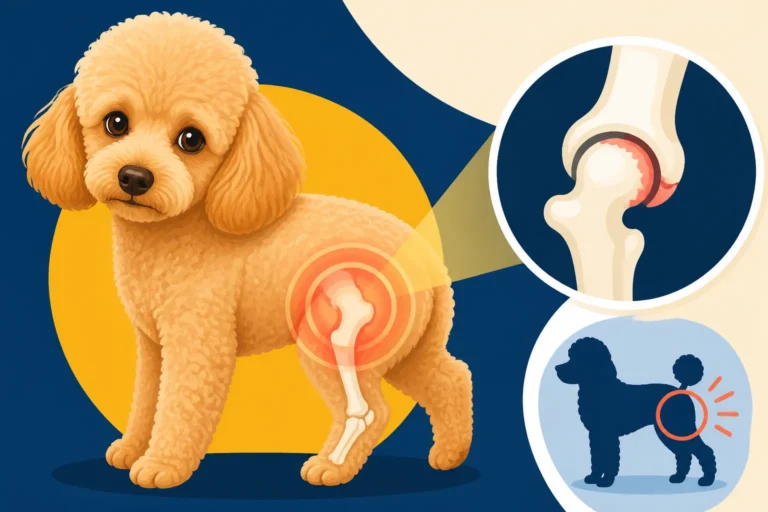
Hip dysplasia and elbow dysplasia are unfortunately common orthopedic conditions in many larger dog breeds, including the Standard Poodle. These conditions are characterized by abnormal development of the hip or elbow joints, leading to pain, arthritis, and lameness. It's a multifactorial disease, meaning genetics play a role, but environmental factors like diet and exercise during growth can also contribute. Despite the complexity, careful screening of breeding stock significantly reduces the risk.
The Orthopedic Foundation for Animals (OFA) is the primary organization that provides evaluations for hip and elbow health. Breeders submit X-rays of their adult dogs (typically after 24 months of age, when the joints are fully formed) to OFA, where a panel of radiologists evaluates them. For hips, dogs are graded from Excellent to Dysplastic. For elbows, they are graded Normal or given a grade for dysplasia. A reputable breeder will only breed dogs with "Good" or "Excellent" hip scores and "Normal" elbow scores. It’s crucial to ask to see the official OFA certificates for both parents. Learn more about Poodle Hip Dysplasia by Size and why it's a concern.
Eye Examinations by a Board-Certified Ophthalmologist (OFA Eye Certification)
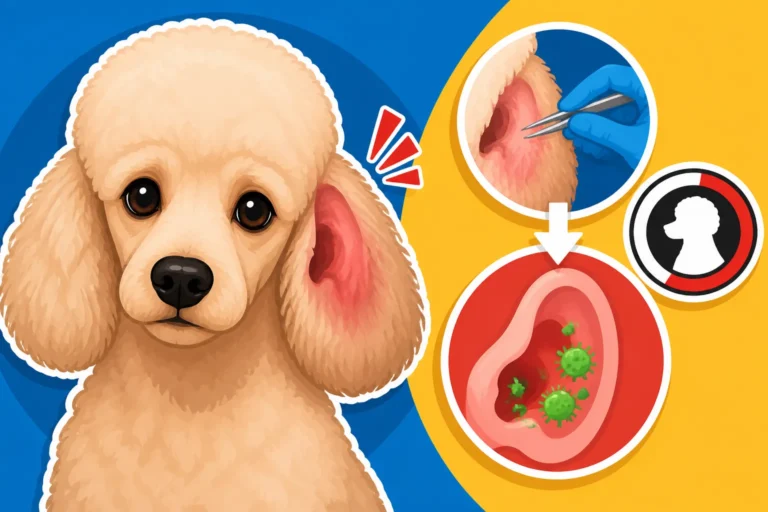
While PRA-prcd is a specific genetic test, other eye conditions can affect Standard Poodles. This is why annual eye examinations by a board-certified veterinary ophthalmologist are so important. These exams were previously known as CERF (Canine Eye Registry Foundation) exams, but are now managed under the OFA Eye Certification program.
During this comprehensive examination, the ophthalmologist will check for a wide range of eye diseases, including cataracts (which can sometimes be hereditary, even if not connected to diabetes), glaucoma, distichiasis (extra eyelashes), entropion (inward-rolling eyelids), and other retinal disorders not covered by specific DNA tests. Breeders should conduct these exams annually on their breeding dogs to ensure ongoing eye health and to catch any emergent issues. It’s another layer of protection that helps ensure your puppy inherits healthy eyes. Even if a dog doesn't have an inherited blindness issue, regular checks are vital; Whether Poodle Eyes Need Yearly Checks is a common question.
Thyroid Testing (OFA Thyroid)
Thyroid disease, particularly hypothyroidism, is another condition that can affect Standard Poodles. Hypothyroidism occurs when the thyroid gland doesn't produce enough thyroid hormones, leading to symptoms like lethargy, weight gain, hair loss, and skin problems. It can often mimic other conditions, making diagnosis tricky without proper testing.
The OFA offers a thyroid registry where breeders can submit blood samples from their dogs for a comprehensive thyroid panel. This test measures various thyroid hormones to assess the health and function of the gland. While not a "clear/carrier" genetic test in the same vein as vWD or PRA, it helps breeders identify dogs with autoimmune thyroiditis, which can be inheritable, or overt hypothyroidism before breeding. Dogs diagnosed with autoimmune thyroiditis or overt hypothyroidism should not be bred. This test should ideally be repeated every few years on breeding stock. For deeper insight into this condition, check out Thyroid Disease in Poodles.
Understanding the Results and Choosing a Reputable Breeder
Navigating the world of health testing can feel like learning a new language. But armed with knowledge, you can approach breeders with confidence and make an informed decision. The hallmark of a truly reputable Standard Poodle breeder isn't just that they perform tests, but that they are transparent about the results and actively use them to improve the health of their lines.
Verifying Health Test Results
Any breeder can say they do health testing. The key is verification. A responsible breeder will provide you with physical copies of test results or, even better, direct you to public databases where results are listed under the registered names of their breeding dogs.
- OFA Database: For hip, elbow, and thyroid certifications, you can search the OFA database online. Simply ask for the registered name or registration number of the sire (father) and dam (mother) of the litter you're interested in. You should be able to find their health clearances, including the dates they were performed and the results. It's not uncommon for breeders to also provide information on older dogs in their pedigree, showing a history of health in their lines. This is a critical step; don't rely on a breeder simply telling you a dog is "clear." You should absolutely be Paying to See a Poodle Line's OFA Results.
- DNA Tests: For vWD, PRA-prcd, NE, and other genetic panels, results are often provided by specialized veterinary laboratories. Reputable labs like Embark Veterinary or Canine Health Check (CHC) will issue certificates. Breeders should provide you with copies of these certificates for both parents. These reports clearly state if a dog is clear, a carrier, or affected for each specific genetic marker.
Always double-check these results. It’s an easy step that gives you immense peace of mind. Remember, even if a breeder uses a company like Healthy Paws for their personal pet insurance, that doesn't replace the need for rigorous health testing. Insurance is a backup; testing is prevention.
Questions to Ask a Prospective Breeder
When you're speaking with a Standard Poodle breeder, don't be afraid to ask detailed questions. A good breeder will welcome your questions and be eager to educate you. Here's a checklist:
- "Can I see the OFA certifications for the sire and dam for hips and elbows?" (Look for "Good" or "Excellent" hips, "Normal" elbows).
- "Can I see the OFA Eye Certification (or previous CERF) records for both parents?" (These should be current, ideally within the last year).
- "Can I see the DNA test results for vWD, PRA-prcd, NE, and DM for both parents?" (You want to see "clear" on at least one parent for recessive conditions).
- "What are the OFA thyroid results for the parents?"
- "What is your breeding philosophy regarding health? How do you use these test results in your breeding decisions?"
- "Are you willing to put these health guarantees in writing in a contract?"
A breeder who hesitates, gets defensive, or makes excuses about not having certain tests done should raise serious red flags. They might claim tests are too expensive, or that their dogs "come from healthy lines" and don't need testing. These are unacceptable responses. Responsible breeders are transparent and proactive. They are committed to reducing the prevalence of inherited diseases in the breed, understanding that this benefits every Standard Poodle owner.
Why You Might Still Consider Pet Insurance
Even with the most rigorous health testing by an impeccable breeder, unforeseen circumstances can arise. Accidents happen, and dogs can develop non-hereditary illnesses or conditions for which there are no current genetic tests. For example, while breeders screen for risk factors, a condition like Bloat and the Deep Standard Poodle Chest can strike unexpectedly, requiring emergency care.
This is where pet insurance, like a comprehensive plan from Healthy Paws, comes into play. It provides a financial safety net for unexpected vet bills, allowing you to focus on your dog's care rather than the cost. While health testing dramatically reduces the risk of inherited diseases, it doesn't eliminate all possibilities. Combining responsible breeding with a proactive approach to pet insurance offers the best possible scenario for your Standard Poodle's long-term well-being and your peace of mind. Just be sure to check if Whether a Poodle Policy Excludes Adenitis or other conditions important to the breed.
Disclaimer
This article is intended for informational purposes only and does not constitute veterinary advice. Always consult with a qualified veterinarian for any health concerns or before making any decisions about your pet's health or treatment.