Whether Clipping Too Short Damages Poodle Skin
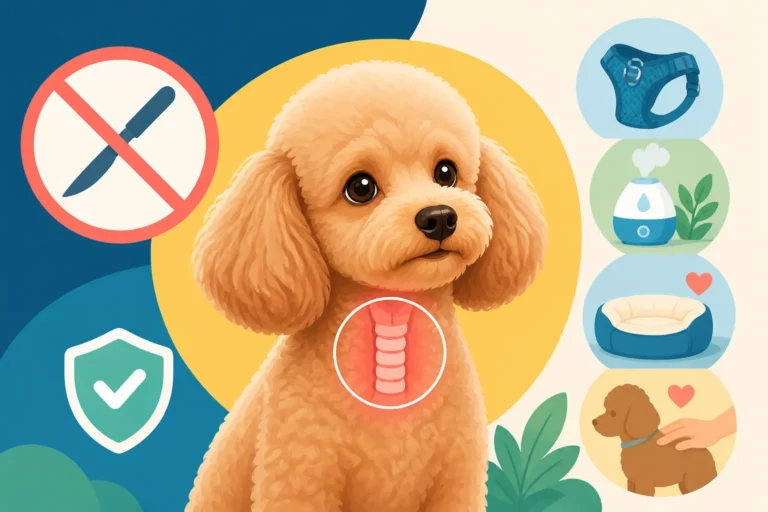
Many Poodle owners face a dilemma when it comes to grooming: how short is too short? We want our beautiful companions to be comfortable, especially in warmer weather or if we're battling mats, but there's a real fear that clipping their distinctive coat down to the skin might cause lasting damage, from clipper burn to sunburn, or even alter their coat texture forever. This guide aims to ease those worries and provide a clear, empathetic look at the realities of giving your Poodle a very short clip, ensuring their skin stays healthy and their coat thrives, no matter the length.
The Practical Reasons Behind a Super Short Poodle Clip
Let's be honest, the Poodle coat is glorious, but it's also a full-time commitment. Unlike many breeds that "shed" their fur, Poodles have hair that just keeps growing, much like human hair. This unique quality is wonderful for those with allergies, but it also means their coat can quickly become a tangled, matted mess if not meticulously maintained. Many Poodle parents, myself included, have stood in front of a matted dog and known that the kindest, most practical option is often to go very, very short.
For an active Poodle who loves to swim, hike, or simply roll in every patch of mud they can find, a long, flowing coat can be a hindrance. It picks up debris, becomes waterlogged, and is incredibly difficult to keep clean and mat-free. Imagine trying to dry a fully coated Standard Poodle after a swim without a high-velocity dryer and hours to spare! A short clip allows these adventurous dogs to live their best lives without their humans spending every waking moment on grooming. Plus, some Poodles, particularly the larger varieties, can genuinely overheat in thick coats during hot summer months, making a very short clip a comfort necessity. This is why many owners opt for a more practical style like The Sporting Poodle Clip for a Busy House.
Understanding Immediate Skin Risks from Close Clipping
While a short clip offers many benefits, it's crucial to acknowledge the immediate risks to your Poodle's skin when the coat is taken very close. These aren't just aesthetic concerns; they can cause real discomfort and require attentive aftercare.
Clipper Burn and Mechanical Irritation
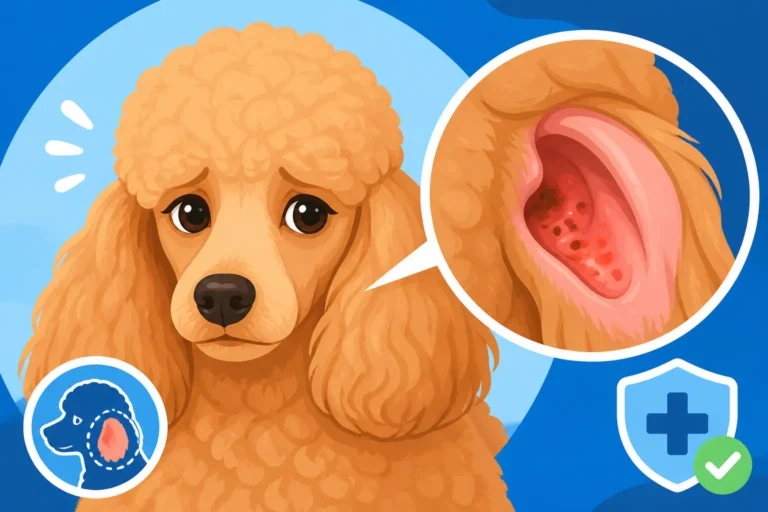
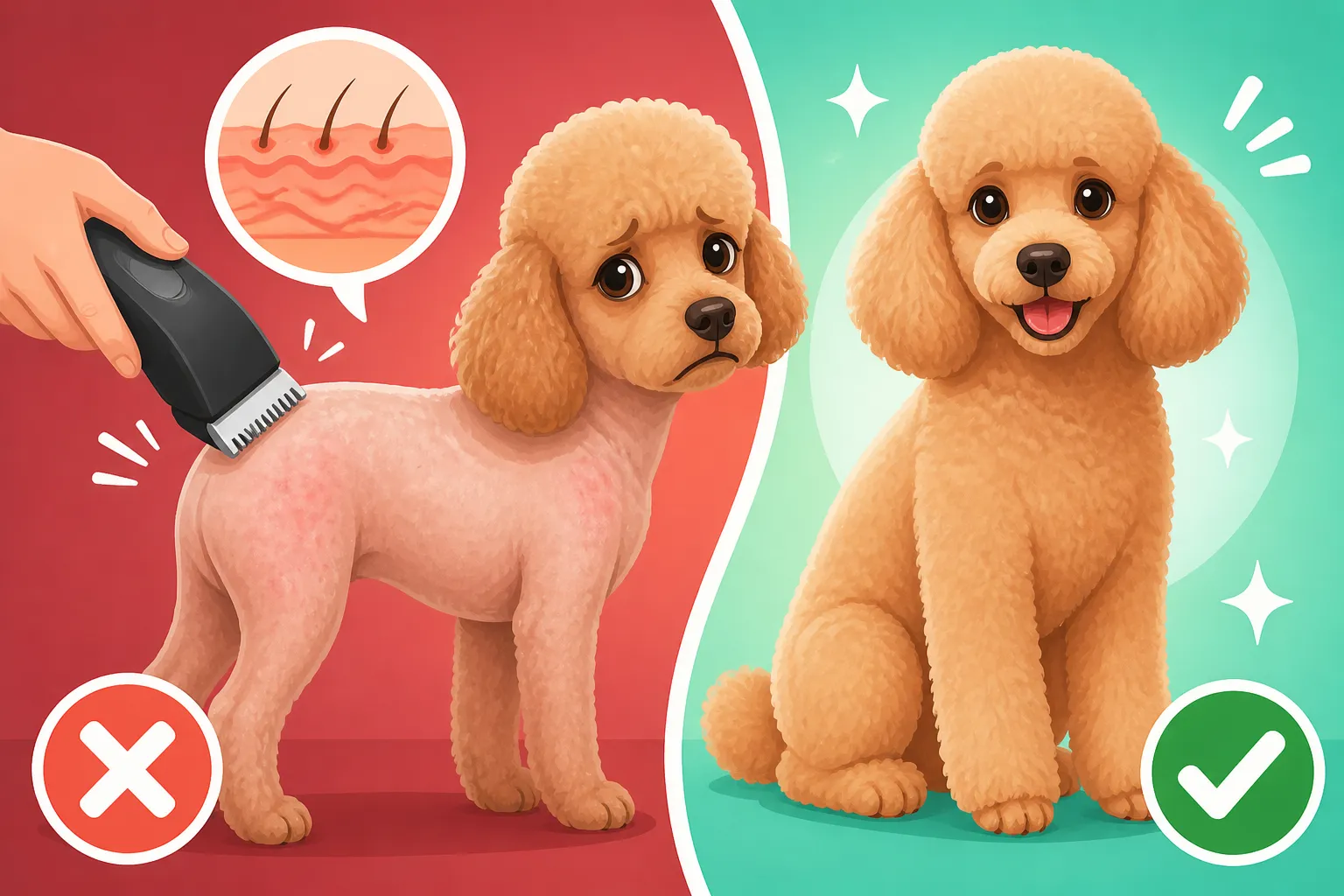
Clipper burn is a very real, and unfortunately, quite common issue that can arise from clipping a Poodle's coat too short, especially on sensitive areas. It's essentially a friction burn, occurring when clipper blades become too hot during use or when dull blades pull at the hair and irritate the skin. Poodles, with their fine hair and often sensitive skin, are particularly susceptible. You'll typically see redness, irritation, and sometimes even small bumps or scabs on the skin a day or two after grooming. Areas like the armpits, belly, and groin where the skin is thinner and creases are prone to this.
To prevent Clipper Burn on a Closely Trimmed Poodle, professional groomers use a variety of techniques. They'll regularly cool their blades with cooling sprays, ensure blades are sharp and clean, and move the clippers smoothly over the skin without excessive pressure. If you're clipping at home, investing in quality clippers and replacement blades, along with blade wash and coolant, is paramount. Never rush the process, and always ensure your Poodle is comfortable and still. If you notice any signs of irritation, a cool compress and a soothing, pet-safe balm can help. For persistent issues, a vet visit might be necessary to rule out infection, and having pet insurance like Healthy Paws can provide peace of mind for unexpected dermatology consultations.
Accidental Nicks and Cuts
Even the most experienced groomer can have an accidental nick or cut, especially when a Poodle is squirming or has particularly thin, wrinkly skin in certain areas. The challenge is amplified when the coat is being taken extremely short, as there's less hair to act as a buffer between the blade and the skin. Areas like the delicate skin around the ears, the thin skin of the armpits, the groin, and the pads of the feet are particularly vulnerable. A Poodle's wiggly enthusiasm or sudden startle can lead to a quick, minor injury.
Prevention largely comes down to the groomer's skill and the dog's cooperation. A calm, well-trained Poodle who is accustomed to grooming will be less likely to move unexpectedly. Groomers often use techniques to gently stretch the skin in delicate areas, providing a taut, flat surface for the clippers. After a groom, it's always a good idea to inspect your Poodle's skin for any small nicks. Most minor cuts will heal quickly with a little antiseptic, but anything deeper or that shows signs of infection should be checked by a veterinarian. This is part of the reason why Poodles That Reach Eighteen often have owners who are meticulous about their day-to-day care, including safe grooming practices.
Sunburn Risk
This is perhaps the most significant immediate risk that often goes overlooked. A Poodle's thick, curly coat acts as a natural barrier against the sun's harmful UV rays. When you clip that coat very short, especially down to a #10 blade or shorter, you're essentially stripping away that protection, leaving their delicate skin vulnerable to Sun Exposure on a Closely Shaved Poodle. Just like humans, Poodles can get sunburned, leading to painful redness, blistering, and in severe cases, even increased risk of skin cancer over time. Poodles with lighter-colored coats or pink skin are even more susceptible.
Protecting a closely clipped Poodle from the sun is non-negotiable. Limit their time outdoors during peak sun hours (typically 10 AM to 4 PM). For walks and outdoor activities, apply a pet-safe sunscreen to exposed areas, particularly the ears, nose, and any parts of the body where the hair is sparse. There are also fantastic lightweight, breathable dog shirts and vests designed to provide UV protection. Think of it as a fashionable and functional layer for your Poodle's summer wardrobe. Being proactive about sun protection is a simple yet vital step to ensure your Poodle's long-term skin health. If you ever find your Poodle with a significant sunburn, consult your vet immediately, and remember that pet insurance, such as Healthy Paws, can help with the costs of treating such conditions.
Long-Term Effects and Common Misconceptions About Short Clips
Beyond the immediate risks, many Poodle owners worry about what a short clip might do to their Poodle's coat and skin in the long run. Let's tackle some of those common fears and separate fact from fiction.
"Ruining" the Coat: Texture Changes and Growth Myths
One of the most persistent myths is that clipping a Poodle's coat too short will "ruin" its texture, making it permanently coarse or straight. The truth is, a Poodle's hair follicle determines its curl and texture, and clipping the hair doesn't change the follicle itself. What often happens is that when you clip a coat very short, you're removing the ends of the hair, which may have been softened by environmental factors or styling products. The new growth from the roots will be the natural texture of your Poodle's hair, which is typically dense and curly.
During the 'coat change' phase in adolescent Poodles (usually between 9-18 months), their soft puppy fuzz transitions to the coarser adult coat. If a Poodle is clipped very short during this period, owners might mistakenly attribute any change in texture to the clippers, when it's simply a natural developmental process. Rest assured, your Poodle's beautiful, curly coat will grow back. The only "change" is the time it takes. For insights into this developmental phase, you might find When a Poodle Puppy Coat Changes helpful. How fast a Poodle's coat grows back varies by individual, but on average, you're looking at about half an inch to an inch per month. This means within a few months, much of that length will have returned.
Skin Sensitivity and Underlying Issues
While clipping itself doesn't cause new skin sensitivities, a very short clip can sometimes make existing sensitivities more apparent or exacerbate them. For instance, if your Poodle has mild Poodle Allergies and Skin Reactions, the removal of their protective coat might expose their skin more directly to environmental allergens like pollen or grass, potentially leading to increased itching or irritation. Similarly, if your Poodle is prone to dry skin, a very short clip might make their skin feel drier or more exposed to harsh elements, such as dry indoor air in winter or strong winds.
It's important to differentiate between temporary irritation from the groom (like clipper burn) and underlying skin conditions. If your Poodle consistently develops red, itchy, or flaky skin after a short clip, it's worth discussing with your veterinarian. They might recommend special shampoos, topical treatments, or dietary supplements to support skin health. Sometimes, what seems like a reaction to clipping is actually a symptom of a deeper issue like a food allergy or even Sebaceous Adenitis and the Poodle Coat, which requires a proper diagnosis. A clean, well-hydrated diet, rich in omega fatty acids, can also play a huge role in maintaining healthy skin and a beautiful coat, no matter the length.
Loss of Natural Insulation
This is another frequently misunderstood aspect. A Poodle's coat acts as a fantastic insulator, both in cold and hot weather. In winter, it traps warm air close to the body, keeping them cozy. In summer, it protects against direct sun and helps regulate body temperature by trapping cooler air, provided it's clean and tangle-free. When you clip a Poodle very short, they lose a significant amount of this natural insulation.
This means in cold climates, a short-clipped Poodle will feel the chill much more acutely and will definitely benefit from sweaters or coats for outdoor excursions. Think about how exposed you feel with a shaved head in winter! Conversely, while it might seem like a short clip keeps them cooler in summer, it also removes their protection from direct sun, making them more prone to sunburn and potentially still at risk of overheating if not managed properly. Always monitor your Poodle's comfort levels and provide appropriate protection against the elements, whether that's a cozy sweater or a shaded resting spot.
Best Practices for Healthy Short Poodle Clips
So, you've weighed the pros and cons, and a short clip is the right choice for your Poodle and your lifestyle. Fantastic! Now, let's talk about how to ensure your Poodle remains happy and healthy with their sleek new look.
Choosing the Right Groomer and Communicating Clearly
The groomer you choose is absolutely critical when opting for a very short clip. An experienced Poodle groomer understands the breed's unique coat, skin sensitivities, and the proper techniques to minimize risks like clipper burn. They'll also know how to work with your Poodle's temperament, ensuring a calm and safe experience. Don't be afraid to ask questions about their experience with short Poodle clips, their blade maintenance routine, and what steps they take to protect sensitive skin.
Clear communication is key. Be specific about the length you desire (e.g., "a #7 blade on the body" or "as short as safely possible, but please leave some length on the ears"). Discuss your Poodle's activity level, any known skin sensitivities, or areas where they might be prone to matting. A good groomer will listen to your concerns and offer professional advice on the best, healthiest clip for your individual Poodle. Sometimes, Why Groomers Refuse Severely Matted Poodles is because they prioritize the dog's well-being over aesthetics, which is exactly what you want.
At-Home Care and Monitoring for Short Coats
Even a short Poodle coat requires consistent at-home care. While you won't be battling mats daily, you'll need to keep a close eye on your Poodle's skin. Regular inspections for any redness, dryness, bumps, or irritation are essential. Gently run your hands over their body, checking common problem areas like armpits, groin, and ears.
Bathing frequency might even increase with a short coat, as there's less hair to trap dirt and more direct skin exposure. Use a high-quality, moisturizing pet shampoo and conditioner. Look for products designed for sensitive skin or those containing soothing ingredients like oatmeal or aloe vera. Ensure you rinse thoroughly to avoid any residue that could irritate the skin. While short, the coat still benefits from brushing, especially to stimulate blood flow to the skin and distribute natural oils. A soft bristle brush or a grooming mitt can be perfect for this. Regularly check Poodle Ears, Eyes and Nails for cleanliness and health, regardless of coat length.
Essential Sun and Weather Protection
We've discussed the sunburn risk, but let's reiterate the importance of protection. For any Poodle clipped short, sunscreen is your friend. Opt for pet-specific sunscreens that are zinc-oxide free, as zinc can be toxic if ingested. Apply it generously to any exposed skin before outdoor activities. Protective clothing, like UV-blocking vests or lightweight shirts, offers an excellent physical barrier.
Beyond the sun, remember that a short coat provides less protection from cold, rain, and wind. In winter, a warm sweater or dog coat is a must for walks, especially for smaller Poodles like Toys or Miniatures. Even in milder weather, a raincoat can prevent a chilly, damp dog. Your Poodle relies on you to be their protective layer when their natural one is trimmed down.
The Role of Nutrition in Skin and Coat Health
What goes into your Poodle's bowl has a direct impact on the health of their skin and coat. A high-quality diet rich in essential fatty acids (like Omega-3 and Omega-6) can significantly improve skin elasticity, reduce dryness, and promote a healthy, shiny coat. Look for dog foods that list real meat as the first ingredient and contain beneficial oils like fish oil or flaxseed.
You might also consider adding a dietary supplement specifically formulated for skin and coat health, after consulting with your veterinarian. These often contain additional omega fatty acids, biotin, or vitamin E, all of which support dermal health. Even when the coat is short, healthy skin is the foundation for healthy hair growth, and it also impacts the immune system's ability to protect against infections. This holistic approach to Feeding a Poodle by Size is vital for their overall well-being.
| Risk/Concern | How Short Clipping Can Impact | Prevention/Mitigation Strategy |
|---|---|---|
| Clipper Burn | Direct blade-to-skin friction, heat, dull blades | Use sharp, clean blades; apply blade coolant; take breaks; gentle, even pressure; choose experienced groomers. |
| Accidental Nicks/Cuts | Reduced hair buffer, thin skin in sensitive areas, dog movement | Experienced, patient groomer; ensure dog is calm and still; groomer uses proper skin-stretching techniques. Inspect after grooming. |
| Sunburn | Loss of natural UV protection from thick coat | Limit sun exposure during peak hours; apply pet-safe sunscreen; use UV-protective clothing/vests; provide ample shade. |
| Skin Dryness/Irritation | Direct exposure to elements, loss of some natural oils | Use moisturizing, pH-balanced pet shampoos and conditioners; consider vet-approved skin supplements; keep skin clean and free of residue. |
| Lack of Insulation (Cold) | Reduced ability to trap warm air near the body | Dress your Poodle in appropriate sweaters or coats for cold weather; limit outdoor time in extreme temperatures; ensure warm indoor resting spots. |
| Exacerbated Allergies | Direct exposure of skin to environmental allergens | Identify and manage existing allergies (vet consultation, medication); bathe regularly with soothing shampoos; use protective clothing outdoors. |
Disclaimer
The information provided in this article is for general educational purposes only and is not a substitute for professional veterinary advice. Always consult with a qualified veterinarian or professional groomer for any health concerns or before making decisions about your Poodle's care.