Feeding a Toy Versus a Standard Poodle
One of the biggest head-scratchers for any Poodle parent, whether you’ve got a tiny Toy or a majestic Standard, is figuring out how much and what to feed them. It's not just about tossing kibble in a bowl; these intelligent, often sensitive dogs have unique dietary needs that vary drastically between sizes and life stages. It can feel overwhelming, like you're constantly second-guessing if you're giving your beloved companion the best fuel for a long, happy life. This guide will walk you through the nuances of feeding both Toy and Standard Poodles, offering practical advice to ensure your furry friend thrives.
Understanding Poodle Nutritional Needs by Size
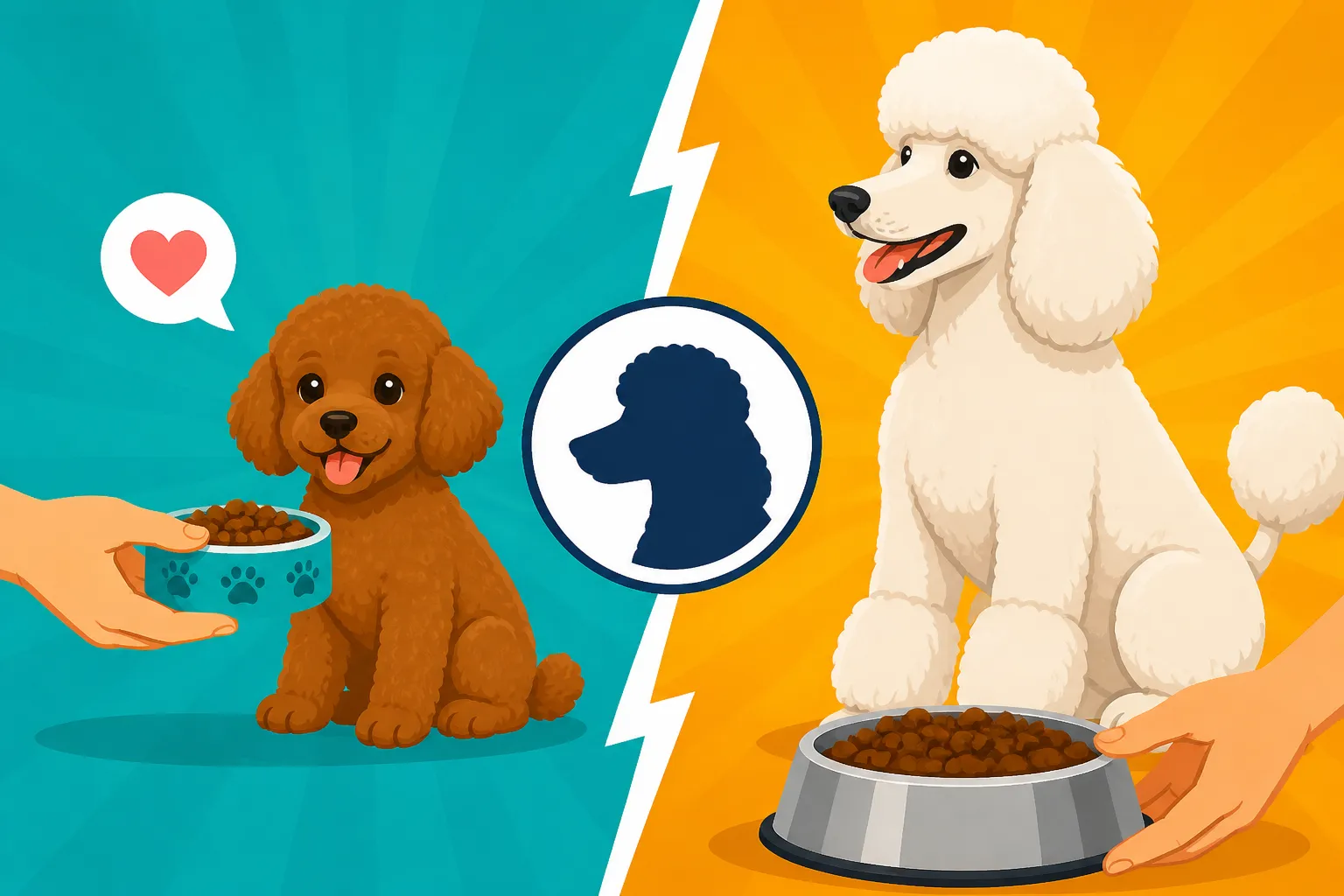
It might seem obvious, but the sheer difference in size between a Toy Poodle, which might weigh 4-6 pounds, and a Standard Poodle, often tipping the scales at 40-70 pounds or more, translates into vastly different nutritional requirements. It’s not just a matter of scaling up or down; their metabolisms, growth rates, and activity levels are inherently distinct. This is why a "one-size-fits-all" approach to dog food simply won't cut it for our Poodle companions.
The Metabolism of a Tiny Toy Poodle
Toy Poodles, despite their diminutive stature, are often little bundles of energy. Their small bodies have a much higher metabolic rate per pound of body weight compared to larger dogs. This means they burn through calories more quickly. Think of it like a tiny, high-revving engine – it needs frequent, high-quality fuel to keep going. This rapid metabolism, combined with their small stomach capacity, means they often need to eat small, frequent meals throughout the day. For a growing Toy Poodle puppy, this is especially critical, as they are prone to conditions like Hypoglycemia in a Toy Poodle Puppy if their blood sugar drops too low. Owners often worry about overfeeding such a tiny dog, but underfeeding can be just as dangerous, leading to lethargy, weakness, and other health issues. It's a delicate balance that requires careful attention to portion sizes and feeding frequency.
The Energy Demands of a Growing Standard Poodle
On the flip side, Standard Poodles, especially during their puppy and adolescent phases, are growing at an incredible rate. Their large, rapidly developing bones and muscles require a significant amount of calories, protein, and essential nutrients. However, fast growth in large breeds like Standard Poodles can actually be detrimental, contributing to orthopedic problems like hip or elbow dysplasia later in life. Therefore, it's crucial to feed them a diet formulated for large breed puppies, which supports a slower, more controlled growth rate, even if it feels counterintuitive. These specialized formulas typically have a carefully balanced calcium-to-phosphorus ratio and appropriate calorie density to prevent excessive weight gain that can stress developing joints. Understanding Why Standard Poodle Puppies Grow So Fast is key to managing their diet effectively.
The Impact of Life Stage on Calorie Needs
Beyond size, a Poodle's life stage – puppy, adult, or senior – dramatically influences their dietary requirements. Puppies, both Toy and Standard, need nutrient-dense food to support their rapid development. As they transition to adulthood, their caloric needs generally decrease unless they are highly active working dogs. An adult Poodle maintaining a healthy weight needs a balanced diet for maintenance. As Poodles age, their metabolism often slows down, and they might become less active. Senior Poodles, especially those reaching a grand age like some of the Poodles That Reach Eighteen, may require fewer calories to prevent weight gain, but also need diets rich in easily digestible proteins and joint-supporting nutrients. Some senior Poodles may also face issues like Cognitive Decline in an Old Poodle, and certain diets or supplements can help support brain health. It’s important to adjust their food intake to their activity level and overall health, carefully monitoring their Calorie Needs of a Senior Poodle to keep them spry and healthy.
Choosing the Right Food Type for Each Poodle Variety
Navigating the pet food aisle can be a dizzying experience. From dry kibble to wet food, raw diets, and fresh-cooked options, the choices are endless. For Poodle owners, selecting the right food isn't just about ingredients; it's about what best suits their specific size, sensitivities, and lifestyle.
Kibble Considerations: Size, Ingredients, and Formulations
Dry kibble is the most common choice for many Poodle owners due to its convenience and cost-effectiveness. However, not all kibble is created equal. For a Toy Poodle, the size of the kibble matters immensely. Tiny kibble pieces are easier for their small mouths and jaws to manage, reducing choking hazards and promoting proper chewing. Many brands offer small breed-specific formulas, which not only feature smaller kibble but also often contain higher calorie density to meet their fast metabolism. When choosing for a Standard Poodle, look for larger kibble that encourages chewing rather than gulping, which can be a small preventative measure against bloat, a serious concern for deep-chested breeds like Standard Poodles. For larger Poodles, especially puppies, "large breed" formulations are crucial. These foods are designed to support steady, controlled growth and contain balanced mineral levels essential for bone development, as discussed in Large Breed Formula for a Standard Poodle Puppy.
Beyond kibble size, the ingredient list is paramount. Look for whole, identifiable protein sources (like chicken, lamb, or fish) as the first ingredient, followed by healthy carbohydrates (such as sweet potatoes or brown rice) and fats. Avoid foods with excessive fillers, artificial colors, or by-products. Some Poodles, regardless of size, can develop allergies or sensitivities to common ingredients like chicken or grain, making limited-ingredient diets a good option. Many reputable pet retailers like Chewy offer a vast selection of high-quality kibble brands, making it easier to compare ingredients and find specialized formulas for Poodles of all sizes and needs. It's wise to consider factors like the Grain-Free Diets and Standard Poodle Hearts discussion, as recent research has highlighted potential links between certain grain-free diets and heart issues in some breeds.
Exploring Wet and Fresh Food Benefits
Wet food, whether canned or fresh-cooked, can be an excellent option or a supplement to kibble for Poodles. Its high moisture content is beneficial for hydration, and its palatability can entice picky eaters or those with dental issues. For tiny Toy Poodles, the softer texture can be easier to eat, especially if they have Why Small Poodles Lose Teeth Early. Fresh food delivery services, like Ollie, have gained popularity for providing human-grade, gently cooked meals tailored to a dog's specific needs, including age, weight, and activity level. These diets offer transparent ingredients and can be highly digestible.
While fresh or wet food often comes with a higher price tag, the perceived health benefits and improved palatability can make it a worthwhile investment for many owners. However, it's essential to ensure that any wet or fresh diet is nutritionally complete and balanced for your Poodle's life stage. If you're mixing wet food with kibble, remember to adjust the portion sizes of both to avoid overfeeding. For Poodles with sensitive stomachs or specific dietary needs, a controlled, fresh diet can sometimes lead to fewer digestive upsets and healthier coats.
Raw Diets: Weighing the Pros and Cons
Raw feeding, also known as BARF (Biologically Appropriate Raw Food) or prey model diets, involves feeding uncooked meat, bones, and organs. Proponents argue that it's a more natural diet, leading to shinier coats, cleaner teeth, and better digestion. For some Poodles, particularly those with chronic allergies or digestive issues, a raw diet can bring remarkable improvements. However, raw feeding also comes with significant responsibilities and potential risks. It requires meticulous attention to food safety to prevent bacterial contamination (like Salmonella or E. coli), which can harm both the dog and human family members. It also demands a thorough understanding of canine nutrition to ensure the diet is balanced and complete, providing all necessary vitamins and minerals. Imbalanced raw diets can lead to serious health problems over time.
Before embarking on a raw diet for your Poodle, it is absolutely critical to consult with a veterinarian or a board-certified veterinary nutritionist who has experience with raw feeding. They can help you formulate a safe and balanced plan or recommend commercially prepared raw diets that meet AAFCO (Association of American Feed Control Officials) standards for complete nutrition. Without proper guidance, you risk nutrient deficiencies or excesses, which can be particularly damaging for growing puppies or Poodles with underlying health conditions.
Portion Control and Feeding Schedules for Optimal Health
Determining how much to feed and how often are critical components of your Poodle's health. Overfeeding or underfeeding can lead to a host of problems, from obesity and joint strain to nutritional deficiencies. It’s not just about looking at the bag’s recommendations; those are often just a starting point.
Precision Feeding for the Delicate Toy Poodle
Toy Poodles, with their tiny digestive systems, thrive on consistency. As mentioned, their high metabolism means they need frequent, small meals to maintain stable blood sugar levels. For an adult Toy Poodle, two to three meals a day is typical, but puppies may need three to four meals daily. Ignoring this can lead to dangerous drops in blood sugar, particularly in young puppies. Portion sizes are minuscule compared to their larger cousins, often measured in fractions of a cup. For example, a 5-pound Toy Poodle might only need ¼ to ½ cup of food per day, divided into several meals. It's incredibly easy to accidentally overfeed them, even with just a few extra treats. This makes monitoring their weight and body condition even more vital.
Using a kitchen scale to measure portions precisely is highly recommended, especially when you're just starting out or if your vet recommends a specific caloric intake. Small training treats, while valuable for their clever minds, must also be factored into their daily calorie count. Many owners struggle to find Treats Small Enough for a Toy Poodle that are also low calorie. Consistency in feeding times also helps regulate their digestive system and can aid in successful potty training.
Managing Meals for a Hungry Standard Poodle
Standard Poodles, while still needing controlled portions, can typically handle fewer, larger meals. Adult Standards generally do well on two meals a day. Puppies, especially those predisposed to Gastric Torsion Risk in a Standard Poodle, often benefit from being fed three smaller meals a day instead of two large ones to reduce the risk of bloat. The quantity of food for a Standard Poodle can seem staggering compared to a Toy, but again, precision is key. A 50-pound adult Standard Poodle might eat 2.5 to 3.5 cups of food per day, depending on activity level and specific food formulation.
It's common for Standard Poodles to eat quickly, sometimes gulping their food down, which can increase the risk of bloat. This is where slow feeder bowls become invaluable. These bowls are designed with ridges or obstacles that force the dog to eat more slowly, making them take smaller bites and ingest less air. The discussion around Bowl Height and Standard Poodle Bloat Risk is also important to consider; while elevated bowls were once thought to help, current research suggests they might actually increase bloat risk in some deep-chested breeds. Always consult your vet for the latest recommendations. Monitoring How Much Food a Standard Poodle Eats Yearly gives you a good sense of your budget and their intake patterns.
Here's a quick comparison of general feeding guidelines:
| Feature | Toy Poodle (approx. 5 lbs) | Standard Poodle (approx. 50 lbs) |
|---|---|---|
| Typical Daily Calorie Needs (Adult) | 180-250 calories | 1000-1300 calories |
| Recommended Meals/Day | 2-3 (puppies 3-4) | 2 (puppies 3) |
| Typical Daily Food Volume | ¼ – ½ cup (divided) | 2.5 – 3.5 cups (divided) |
| Kibble Size | Very small | Medium to large |
| Bloat Risk | Very low | High |
| Hypoglycemia Risk | Higher (especially as puppy) | Very low |
| Weight Monitoring | Critical due to small frame | Important to prevent joint stress |
Note: These are general guidelines. Individual needs vary based on age, activity level, metabolism, and specific food formulation. Always consult your veterinarian.
Preventing Obesity Across All Poodle Sizes
Obesity is a serious health concern for all dogs, including Poodles. It contributes to a myriad of problems such as joint pain (aggravating conditions like Poodle Hip Dysplasia by Size or luxating patellas), heart disease, diabetes, and a decreased lifespan. Poodles, with their thick, curly coats, can often hide excess weight, making it harder for owners to spot. Feeling Ribs Under a Thick Poodle Coat is a skill every Poodle owner should learn. You should be able to easily feel their ribs with slight pressure, but not see them prominently. When viewing your Poodle from above, they should have a discernible waist.
The best defense against obesity is strict Portion Control for a Poodle and regular exercise. Stick to measured meals and limit treats, especially high-calorie ones. If you use treats for training, choose small, low-calorie options or reserve a portion of their daily kibble for training sessions. Regular vet check-ups are also crucial for monitoring your Poodle's weight and body condition score. Your vet can provide specific recommendations for calorie intake and help you devise a safe Weight Loss for a Toy Poodle or any Poodle size if they are becoming overweight.
Special Dietary Considerations and Common Pitfalls
Poodles, like many purebreds, can be prone to certain health issues that might necessitate dietary adjustments. Being aware of these and understanding common feeding mistakes can help you provide the best care for your furry friend.
Identifying and Managing Food Sensitivities
Poodles can be susceptible to food allergies or sensitivities, which often manifest as skin issues (itchiness, rashes, hot spots), chronic ear infections (especially common with their Ear Infections Under a Poodle's Drop Ears), or digestive upset (vomiting, diarrhea, excessive gas). Common culprits include chicken, beef, dairy, wheat, and soy. If you suspect your Poodle has a food sensitivity, the most reliable way to diagnose it is through an elimination diet. This involves feeding a novel protein and carbohydrate source (one your dog has never eaten before, like venison and sweet potato) for 8-12 weeks, strictly avoiding all other foods and treats.
Once the symptoms subside, you slowly reintroduce previous ingredients one by one to identify the trigger. This process requires patience and discipline, but it’s the gold standard for pinpointing allergens. During this time, you must be incredibly careful about everything your Poodle ingests, including treats and any dropped human food. There are also specific "hydrolyzed protein" diets available from veterinarians that break down proteins into such small components that the immune system doesn't recognize them as allergens. For environmental or other allergies, you might also consider Poodle Allergies and Skin Reactions.
The Dangers of Counter-Surfing and Unsafe Foods
Poodles are smart, and their intelligence often extends to problem-solving, like how to get tasty morsels off the kitchen counter. Both Toy and Standard Poodles are capable counter-surfers if not properly trained and supervised. While some human foods are perfectly safe in moderation, many others are toxic or dangerous. For instance, chocolate, grapes, raisins, onions, garlic, and xylitol (a common artificial sweetener) are highly toxic and can cause severe illness or even death. Cooked bones are also extremely dangerous as they can splinter and cause internal damage.
Even seemingly innocuous items like fatty table scraps can lead to pancreatitis, a painful inflammation of the pancreas. It's vital to educate yourself on Foods That Send a Poodle to the Vet and keep all unsafe items out of your Poodle's reach. If your Poodle does ingest something potentially toxic, contact your veterinarian or a pet poison control hotline immediately. Time is often critical in these situations.
Supplements and 'Human' Foods: What's Safe?
Many Poodle owners consider adding supplements or certain human foods to their dog's diet. When it comes to supplements, always consult your vet first. A well-balanced commercial dog food should already provide all the necessary nutrients. Over-supplementing, particularly with vitamins or minerals like calcium, can be detrimental. For instance, too much calcium in a growing Standard Poodle puppy can contribute to orthopedic problems. However, some supplements, like omega-3 fatty acids for skin and coat health, or glucosamine and chondroitin for joint support in older Poodles, might be beneficial if recommended by your vet.
As for human foods, many fresh fruits and vegetables can be healthy, low-calorie treats in moderation. Sliced apples (without seeds), carrots, green beans, blueberries, and small pieces of plain cooked chicken or lean meat are generally safe and often enjoyed. Always avoid pits, seeds, cores, and any highly seasoned or fatty preparations. Remember, these should only make up a tiny percentage of their daily caloric intake. Vegetables can be a great option for Low Calorie Treats for a Poodle without adding unnecessary weight.
Practical Tips for Poodle Feeding Success
Feeding your Poodle isn't just about what's in the bowl; it's also about the tools and routines you establish. Thoughtful choices here can make a significant difference in your Poodle's digestion, enjoyment, and overall health.
Selecting Appropriate Feeding Bowls and Slow Feeders
The type of feeding bowl might seem trivial, but it plays a role, especially for Standard Poodles. Stainless steel bowls are generally recommended across the board because they are durable, easy to clean, and non-porous, meaning they won't harbor bacteria like plastic bowls can. Ceramic bowls are also an option, but ensure they are lead-free and free of chips or cracks.
For Standard Poodles, as mentioned earlier, preventing bloat is a major concern. Slow feeder bowls, available in various designs from brands like Chewy, are highly effective. These bowls have internal obstructions that force your dog to eat around them, significantly slowing down their mealtime. This prevents rapid gulping, which can lead to ingesting too much air, a factor associated with bloat. While raised bowls were once popular, recent research suggests they may increase the risk of bloat in large, deep-chested breeds. It's generally safer to feed your Standard Poodle from a bowl placed directly on the floor. For Toy Poodles, any small, easily accessible bowl will suffice.
Hydration and Water Intake for Poodles
Water is just as crucial as food for your Poodle's health. Adequate hydration supports all bodily functions, including digestion, nutrient absorption, and temperature regulation. Always ensure your Poodle has access to fresh, clean water. This means changing the water daily and cleaning the bowl regularly to prevent bacterial growth.
The amount of water a Poodle needs varies based on their size, activity level, diet (wet food provides more moisture than dry kibble), and environmental temperature. A good rule of thumb is approximately 1 ounce of water per pound of body weight per day. So, a 5-pound Toy Poodle might need about 5 ounces, while a 50-pound Standard Poodle would need closer to 50 ounces (about 6 cups). On hot days or after vigorous exercise, they will naturally need more. If your Poodle seems to be drinking excessively or not enough, it's worth a vet visit, as this can sometimes indicate underlying health issues.
Monitoring Weight and Body Condition
Regularly monitoring your Poodle's weight and body condition is perhaps the most important ongoing task for any Poodle owner. Even slight weight changes in a Toy Poodle can be significant, while gradual creep in a Standard Poodle can go unnoticed under that plush coat. Your veterinarian will typically weigh your Poodle at every visit and can help you understand what a healthy What a Poodle Should Weigh by Variety looks like for their specific size and build.
At home, you should be able to feel your Poodle's ribs without pressing hard, and they should have a visible waistline when viewed from above. Their tummy should tuck up slightly from their chest when viewed from the side. If you're unsure, ask your vet to demonstrate how to perform a body condition score check during your next appointment. Adjust your Poodle's food intake and exercise level based on these observations. Remember, it's a dynamic process; their needs will change as they age and their activity levels fluctuate. Being proactive about managing their weight is one of the best ways to ensure your Poodle enjoys a long, healthy life.
Disclaimer
The information provided in this article is for general informational purposes only and is not a substitute for professional veterinary advice. Always consult with a qualified veterinarian regarding any medical condition or before making any changes to your Poodle's diet, exercise, or health care routine.