Why Poodles Learn a Cue in Five Repetitions
If you've ever felt like your Poodle is always one step ahead, learning new things almost before you finish asking, you're not alone. Many Poodle owners experience the sheer delight – and sometimes the slight frustration – of having a dog that picks up new cues with astonishing speed. While some breeds might take dozens, even hundreds, of repetitions to grasp a new command, Poodles often seem to get it in just a handful, leaving you wondering if they were born knowing it. This guide delves into the remarkable intelligence of Poodles and explains why they're such quick studies, offering insights into how to best channel their brilliant minds.
The Poodle's Natural Intelligence: More Than Just a Pretty Face
Let's face it, Poodles have a reputation for being fancy show dogs, often seen sporting elaborate clips. But underneath all that beautiful coat is one of the most intelligent canine brains in the world. Their elegance is just one facet; their sharp intellect is another, and it's something every Poodle owner quickly discovers.
Tracing the Poodle's Working Heritage
Before they became fashion icons and beloved family companions, Poodles were serious working dogs. Originating in Germany, the word "Pudel" (from which "Poodle" is derived) means "to splash in water," clearly pointing to their original job as water retrievers. They were bred to be astute hunting partners, capable of understanding complex commands, problem-solving in the field, and working closely with their human handlers. This demanding role required keen intelligence, trainability, and excellent memory. Over generations, these traits were honed and passed down, embedding a strong foundation of cognitive ability deep within the breed. They weren't just fetching ducks; they were thinking dogs, navigating challenging environments and making smart decisions.
This history means that when you bring a Poodle into your home, you're not just getting a pet; you're inheriting a legacy of working intelligence. Their instincts are still geared towards mental engagement and partnership, even if their "job" today is to retrieve a squeaky toy or learn a fun new trick. Understanding this background helps us appreciate why they're so eager to learn and why they thrive on mental stimulation, not just physical exercise. It's truly a testament to their heritage that they pick things up so quickly.
Understanding Coren's Canine Intelligence Rankings
Many Poodle owners beam with pride when they learn that their beloved companion consistently ranks near the top of lists detailing canine intelligence. Stanley Coren's widely recognized work, "The Intelligence of Dogs," placed Poodles as the second most intelligent breed, right behind the Border Collie. This ranking isn't just about anecdotal evidence; it's based on comprehensive research into a breed's working and obedience intelligence, which measures how quickly a dog learns new commands and how reliably they respond. What Coren Measured to Rank the Poodle delves deeper into these fascinating metrics.
What does "second smartest" actually mean in practical terms? Coren's research suggested that highly intelligent breeds like the Poodle could understand new commands in fewer than five repetitions and obey a known command on the first try 95% of the time or better. While these are averages and individual dogs will always vary, it highlights the Poodle's incredible aptitude for learning. This isn't just about rote memorization; it's about their ability to interpret human cues, associate them with actions, and perform them consistently. This intellectual capacity is a huge part of what makes Poodles such a joy, and sometimes a challenge, to live with.
How Poodle Brains Are Wired for Rapid Learning
The quick learning curve of a Poodle isn't just a happy accident; it's a result of specific cognitive traits and behavioral tendencies that are deeply ingrained in the breed. It's like their brains come pre-programmed for efficiency when it comes to understanding what you want.
The Role of Observation and Pattern Recognition
Poodles are incredibly observant dogs. They watch their humans with an intensity that can sometimes feel a little unnerving, picking up on subtle cues, body language, and vocal inflections that other breeds might miss entirely. This acute observational skill is a huge asset in training. They don't just wait for a formal "sit" command; they often notice the slight shift in your weight, the way your hand moves, or the tone in your voice that precedes the actual verbal cue. This allows them to anticipate what you're asking, making it seem like they've learned it in an instant.
Beyond observation, Poodles excel at pattern recognition. They quickly connect actions to consequences, whether that consequence is a treat, praise, or access to something they desire. If you consistently pair a specific sound or gesture with a desired behavior, your Poodle will rapidly identify that pattern. They don't need endless repetitions because they're actively looking for the underlying structure of your requests. This means that a well-timed reward after a behavior, even if it's just a spontaneous one, can be absorbed and linked in their minds remarkably fast. They're constantly compiling data points and forming hypotheses about how to get what they want from you.
Their Drive to Please and Outsmart Their People
Poodles have a strong desire to please their owners, a trait often called "biddability." This willingness to cooperate and work with humans is a cornerstone of their trainability. They genuinely enjoy the interaction and the positive feedback that comes with successful training. This innate motivation means they're not just performing for a treat; they're also performing for your approval and the shared experience. This drive makes them highly engaged participants in any training session, eager to figure out what makes you happy.
However, a Poodle's intelligence also comes with a fascinating twist: they can sometimes try to outsmart you. They're not just trying to please; they're problem-solvers. If they discover a shortcut, or a way to get the reward with less effort, they will absolutely take it. This means you might find your Poodle offering a string of behaviors, cycling through "sit," "down," "paw" in rapid succession, hoping to hit on the one you're actually asking for. Why a Poodle Invents Its Own Shortcuts is a very real phenomenon with this breed. While it can be amusing, it also means trainers need to be precise with their cues and rewards to ensure the Poodle is truly understanding the command, not just guessing its way to a treat. It's a delightful challenge that keeps you on your toes!
Memory and Retention in Poodles
What good is quick learning if it doesn't stick? Fortunately, Poodles also possess excellent long-term memory, which complements their rapid acquisition of new information. Once a Poodle learns a cue, especially if it's reinforced positively and consistently, it tends to stay with them for a very long time. This isn't to say they won't need refresher sessions, particularly for less frequently used commands, but the initial learning is deeply etched into their memory.
This strong retention means that you can build a vast vocabulary of commands and tricks with your Poodle without worrying that previous lessons will be forgotten. It's part of what makes them so versatile in various dog sports and working roles. An older Poodle, even one who hasn't practiced a specific trick in years, can often recall it with just a few prompts, demonstrating the enduring power of their memory. This capacity allows them to continuously expand their repertoire and tackle increasingly complex tasks throughout their lives.
Harnessing This Intelligence: Effective Training Strategies
Training a Poodle is a rewarding experience, but their high intelligence means you need to approach it with thoughtful strategies. It's not just about what you teach, but how you teach it.
Positive Reinforcement: The Poodle's Preferred Method
Given their sensitive nature and deep desire to please, positive reinforcement is absolutely the gold standard for Poodle training. This method focuses on rewarding desired behaviors, making your Poodle more likely to repeat them. Think high-value treats, enthusiastic verbal praise, a favorite toy, or even a quick game of tug. When your Poodle offers the correct behavior, mark it immediately with a word like "yes!" or a clicker, followed by the reward. This clear communication helps them understand exactly what they did right.
Harsh corrections, yelling, or physical punishment are not only ineffective with a Poodle, but they can be genuinely damaging. A Poodle who is scolded or treated roughly will often shut down, become fearful, or simply refuse to engage. Why Harsh Handling Breaks a Poodle is something every Poodle owner should understand. They thrive on cooperation and positive feedback, building a stronger bond with you through mutual respect and joyful interaction. If training isn't fun for both of you, something needs to change.
Keeping Training Sessions Short and Engaging
While Poodles are incredibly smart, their attention spans, like any dog's, can wane, especially if they become bored. Their quick learning ability means you don't need marathon training sessions. In fact, shorter, more frequent sessions are far more effective. Aim for 5-10 minute bursts a few times a day rather than one long, tedious hour. This keeps your Poodle engaged, prevents mental fatigue, and ensures that training remains a positive experience.
Varying your routine and the types of rewards also helps keep things fresh. Don't always train in the same spot, or always use the same treat. Introduce new environments with different distractions once your Poodle has a solid grasp of a cue in a quiet setting. This helps generalize their learning, so they respond reliably wherever you are. Remember, a Poodle's brain needs variety just like ours does, so make it a game, not a chore.
Managing Boredom and Anticipation
The downside of a Poodle's rapid learning is that they can quickly become bored if not sufficiently challenged. Once they've mastered a basic command, simply repeating it endlessly won't keep their keen minds engaged. This can lead to them tuning you out or, worse, inventing their own "games" which might not align with your rules. Why a Bright Poodle Gets Bored highlights this common Poodle trait. To combat boredom, progressive training is key. Once they master "sit," add duration, then distance, then distractions. Introduce new tricks, complex sequences, or integrate cues into daily life.
Poodles are also masters of anticipation. If you always ask for "sit" followed by a treat, they'll learn the pattern and might even "pre-empt" your cue, offering the sit before you've even finished the word. While this seems clever, it can sometimes mean they're not truly listening to the cue itself. To manage this, occasionally vary the order of commands, or ask for a different cue when they're expecting one. Make them think rather than just reacting on autopilot. This keeps their brains actively processing your requests and prevents them from simply guessing.
Common Training Pitfalls with Highly Intelligent Poodles
While a Poodle's intelligence is a tremendous asset, it can also present unique challenges for owners if not properly understood and managed. Sometimes, their smarts can be a double-edged sword.
The Poodle Who Learns Too Fast and Gets Creative
One of the most common "frustrations" with a highly intelligent Poodle is their ability to learn so quickly that they start anticipating your cues or, as mentioned, inventing their own solutions. You might teach a "speak" command, and within days, your Poodle starts barking every time they want something, having cleverly generalized the concept that making noise gets attention. Or, you teach "stay," and they hold it perfectly, but only if they can see you. If you step out of sight, they quickly figure out that the "stay" only applies when you're observing them.
This creativity requires owners to be equally creative and consistent. If your Poodle starts offering unwanted behaviors, ensure you're not inadvertently reinforcing them. If they anticipate, ensure your cues are clear and distinct, and occasionally throw in a curveball. For example, instead of immediately giving a treat after a perfect "sit," ask for a "down" next, or reward them for waiting calmly for the next instruction. This teaches them that listening to the specific cue, not just performing a rapid-fire sequence of behaviors, is what earns the reward. Puzzle toys found on Amazon can also keep their inventive minds busy in constructive ways.
Shutting Down from Harsh Methods
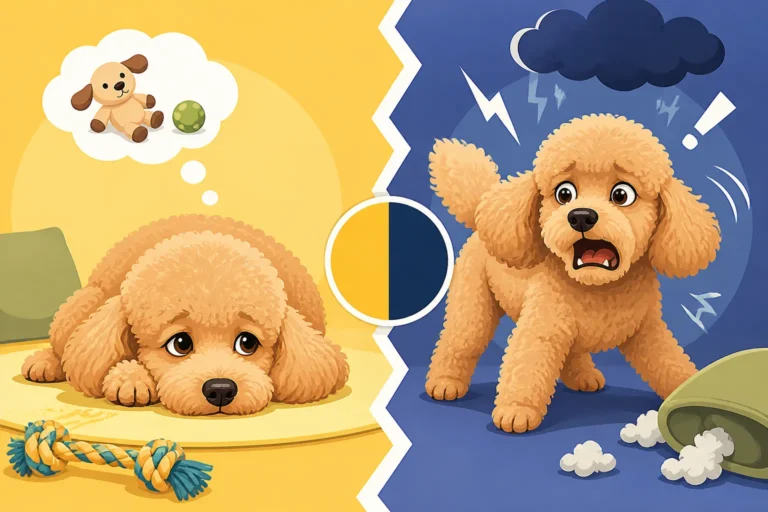
Poodles are renowned for their sensitivity. While some dogs might shrug off a sharp reprimand, a Poodle is far more likely to take it to heart. Yelling, harsh corrections, or intimidating body language can cause a Poodle to become withdrawn, anxious, or fearful. Instead of learning, they may simply shut down, refusing to offer any behavior for fear of making a mistake. This is why positive reinforcement is so critical for this breed.
A Poodle who has been subjected to harsh training methods might become reluctant to try new things, cower when approached, or even develop fear-based aggression. Rebuilding trust with a frightened Poodle can be a long and challenging process, emphasizing the importance of starting with gentle, confidence-building methods from the very beginning. Remember, a Poodle works with you because they want to, not because they fear the consequences of not doing so. If your Poodle ever appears to be "sulking," it might actually be a sign they're feeling misunderstood or stressed, rather than just being stubborn.
The "Velcro" Poodle and Separation Anxiety
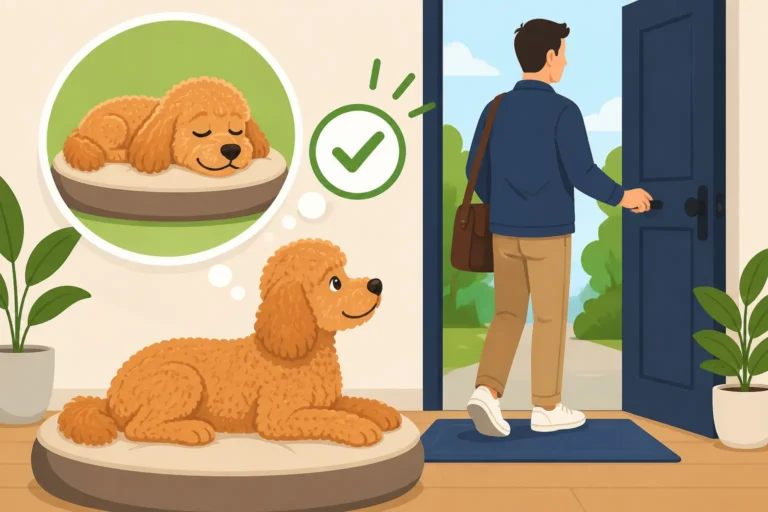
Poodles often form incredibly strong bonds with their human families, a trait that sometimes earns them the nickname "Velcro dogs." While this devotion is endearing, it can sometimes tip into separation anxiety if not managed proactively. Their intelligence means they quickly learn patterns of your departure – the jingle of keys, putting on your shoes, grabbing your bag – and begin to associate these with being left alone. The Poodle That Follows You Everywhere is a common experience.
To prevent or manage separation anxiety, it's crucial to teach your Poodle independence from a young age. Practice short, calm departures and returns, gradually increasing the duration. Make leaving a non-event, and returning a calm one. Provide enriching activities and puzzle toys to keep them occupied when you're gone. Online training programs like BAXTER & Bella often have excellent modules on preventing and addressing separation anxiety, offering structured approaches to build your Poodle's confidence in being alone. A mentally stimulated Poodle who feels secure is far less likely to panic when you step out.
Beyond Basic Cues: Expanding Your Poodle's Horizons
Once your Poodle has mastered the basics, their intelligence truly shines when you introduce them to more complex activities. They are not content to sit idly by; their brains crave engagement and new challenges.
The World of Dog Sports and Advanced Training
Poodles excel in a vast array of dog sports, proving their versatility and intelligence beyond simple obedience. Their agility, quickness, and keen minds make them superstars in activities like agility, obedience, rally, and even dock diving. In agility, they use their problem-solving skills to navigate complex courses, remembering sequences and executing obstacles with grace. Agility Titles Poodles Commonly Earn can be quite impressive. In obedience and rally, their focus and desire to please allow them to perform intricate routines with precision and enthusiasm.
Many Poodles also retain their natural retrieving instincts and excel in hunt tests, demonstrating their heritage as water retrievers. Tracking and scent work are other fantastic outlets for their sharp noses and focused minds. Engaging in these sports isn't just about winning titles; it's about providing an unparalleled mental and physical workout that keeps your Poodle happy, healthy, and fulfilled. It strengthens your bond and showcases just how capable your Poodle truly is. You'll be amazed at what they can achieve with dedicated training and consistent effort.
Everyday Mental Enrichment for a Happy Poodle
You don't need to join an agility club to keep your Poodle's mind stimulated, though it's certainly an option! Integrating mental enrichment into daily life is just as vital. This can be as simple as interactive puzzle toys that dispense treats, encouraging them to problem-solve to get their reward. Snuffle mats for meal times make eating a mental game rather than a quick gulp. Mental Work That Tires a Poodle is often more effective than hours of physical exercise alone.
Another great way to engage their minds is through trick training. Poodles absolutely adore learning new tricks, and their quick grasp of concepts means they can develop an impressive repertoire, from weaving through your legs to fetching specific items by name. Trick Titles a Clever Poodle Can Earn are a testament to their aptitude. Even simple "hide-and-seek" games with toys or treats can provide immense mental satisfaction. Remember, a bored Poodle is often a mischievous Poodle, so keeping their brains active with constructive games and challenges is key to a well-behaved and happy companion.
| Learning Stage | Typical Dog (Approx.) | Poodle (Approx.) | Why Poodles Excel |
|---|---|---|---|
| New Cue Acquisition | 25-80 repetitions | 1-5 repetitions | Observational learning, pattern recognition |
| Response Reliability | 70% first-try | 95% first-try | Strong desire to please, excellent memory |
| Problem Solving | Moderate | High | Inherited working intelligence, strategic thinking |
| Boredom Threshold | Moderate | Low (needs constant challenge) | Quick learning, anticipates patterns |
| Adaptability | Good | Excellent | Versatile, thrives in various learning contexts |
Disclaimer
This article is for general informational purposes only and does not constitute professional advice. Laws, prices and regulations vary by location and change over time. Consult a qualified professional for guidance on your specific situation.