Teaching a Poodle to Hold Still on the Table
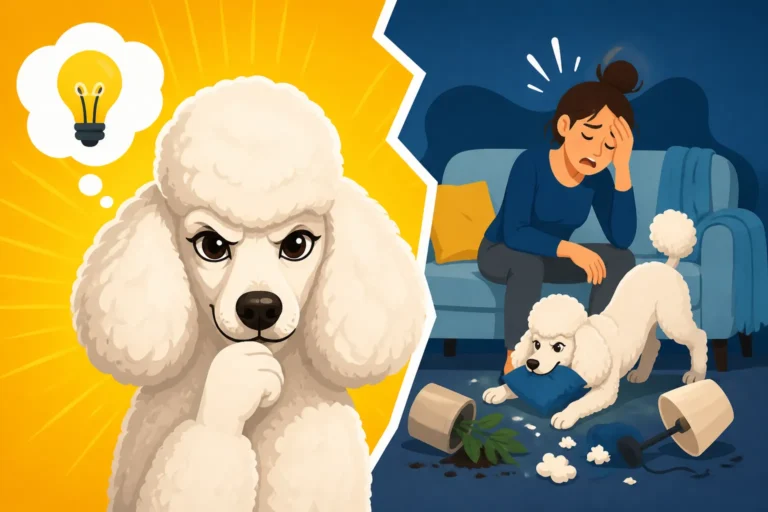
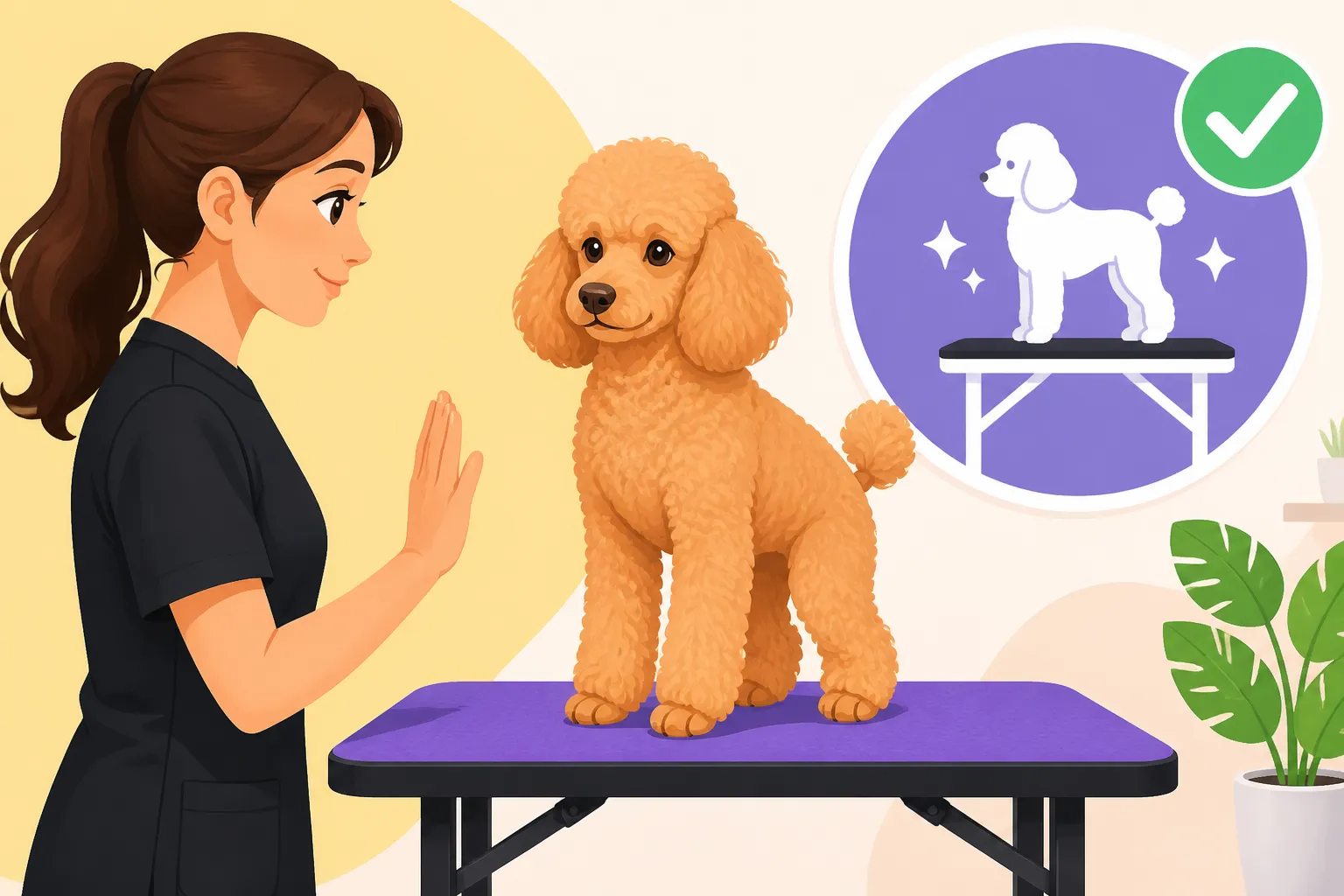
It's a common scene in many Poodle-owning homes: you hoist your elegant canine companion onto a table, brush in hand, only for them to transform into a furry, wiggling noodle determined to escape. This guide aims to help you navigate those frustrating moments, offering practical, empathetic steps to teach your Poodle to stand calmly and confidently on the grooming table, making home grooming sessions and vet visits much less stressful for everyone involved.
Understanding Why Poodles Resist the Table
Poodles are incredibly intelligent, sensitive dogs, and while this makes them quick learners, it also means they can quickly form strong opinions – positive or negative – about new experiences. The grooming table, for many dogs, isn't a naturally comfortable place, and understanding why your Poodle might resist it is the first step toward a smoother experience.
The Root Causes of Wiggles and Anxiety
Imagine being placed on a raised, sometimes slippery, surface, held still, and then poked and prodded with strange tools. For a dog, especially one who hasn't been properly introduced, this can be unsettling, if not outright terrifying. Resistance often stems from a combination of factors:
- Fear of Heights or Instability: A raised table can feel unnatural and insecure. If the surface is slick, it can create anxiety about slipping and falling, leading to a desperate attempt to jump off.
- Discomfort or Pain: Maybe a previous grooming session involved a painful mat being brushed out, or clippers snagged their skin. Poodles have excellent memories, and they'll remember if something unpleasant happened on that table.
- Lack of Positive Association: If the table is only used for nail trims or de-matting sessions that aren't particularly fun, your Poodle will naturally develop a negative association.
- Over-Excitement or Playfulness: Especially for younger Poodles, the table might just be another place to play or get attention, and their wiggles are simply an attempt to engage or get down to more interesting activities.
- Unfamiliarity with Handling: If your Poodle isn't used to having their paws, ears, tail, or face handled regularly, grooming tools will only amplify their discomfort.
It's crucial to approach this with empathy. Your Poodle isn't trying to be difficult; they're reacting to what they perceive as an uncomfortable or threatening situation.
Poodle Sensitivity and Grooming
Poodles are often ranked as one of the most intelligent dog breeds, but this sharp mind comes with a heightened sensitivity. They pick up on our emotions, our intentions, and even the slightest changes in routine. This means that if you're feeling stressed or frustrated about grooming, your Poodle will likely mirror that emotion. Their intelligence means they can also anticipate what's coming next. If every time they see the clippers, it leads to a long, uncomfortable session, they'll start trying to escape the moment the clippers appear.
Their natural sensitivity also makes them susceptible to shutting down or becoming reactive if training methods are too harsh or if they're forced into situations they find frightening. Why Harsh Handling Breaks a Poodle is something every Poodle owner should understand. Our goal should always be to build trust and make grooming a cooperative, even enjoyable, experience rather than a battle of wills. Poodle Temperament and Sensitivity plays a huge role in how we approach their training.
Building a Positive Foundation: Early Exposure and Association
The key to a calm Poodle on the grooming table is starting early and making the experience overwhelmingly positive. We want them to choose to be on the table, or at least tolerate it calmly, because they associate it with good things.
Introducing the Table as a Happy Place
Think of the grooming table as just another piece of furniture where good things happen, not just for stressful procedures.
- Start Small and Often: Don't wait for a full grooming session. Place your Poodle on the table for just a few seconds, give them a high-value treat, and immediately let them down. Repeat this several times a day. The goal is to create a pattern: table = treat = done.
- Gradually Increase Duration: Once your Poodle is comfortable jumping on (or being lifted onto) the table and standing for a few seconds, slowly extend the time. Go from five seconds to ten, then twenty, always rewarding heavily for calm behavior.
- Use a Non-Slip Surface: This is non-negotiable. A slippery table is terrifying for a dog. Place a thick rubber mat (you can find these easily on Amazon or at pet supply stores) on the table. A yoga mat cut to size can also work. This provides traction and makes them feel secure.
- Bring the Fun to the Table: Offer puzzle toys or chews while they're on the table, especially if you're trying to extend the duration of their stay. This helps distract them and builds positive associations.
The Power of Positive Reinforcement and Rewards
Poodles thrive on positive reinforcement. They want to please, and they're quick to understand what earns them rewards.
- High-Value Treats are Your Best Friend: These aren't just any treats. These are the best treats – tiny pieces of cooked chicken, cheese, or specialized training treats that your Poodle absolutely adores. Reserve these exclusively for table work to maximize their impact.
- Verbal Praise and Gentle Affection: Combine treats with enthusiastic verbal praise ("Good stand!"). For Poodles who love physical contact, a gentle scratch behind the ears or a chest rub can also be a powerful reward, but make sure it doesn't encourage wiggling.
- Clicker Training: If you're comfortable with clicker training, this can be incredibly effective with a Poodle. The click precisely marks the exact moment they are doing what you want (e.g., standing still), followed immediately by a treat. Poodles learn very quickly with this method. You can learn more about Why Poodles Learn a Cue in Five Repetitions and how clicker training can enhance this.
- Keep Sessions Short and Sweet: Always end on a high note. If your Poodle is starting to get restless, give one last treat for a moment of stillness, and then let them down. It's better to have many short, successful sessions than one long, frustrating one.
Essential Equipment for a Calm Grooming Experience
Having the right tools can make a huge difference in how comfortable and safe your Poodle feels on the table, and how easy it is for you to manage them.
- A Sturdy Grooming Table: This doesn't have to be a professional hydraulic table. A sturdy, non-wobbly table of appropriate height for you (so you don't have to bend too much) is sufficient. Ensure it won't tip if your Poodle shifts their weight.
- Non-Slip Mat: As mentioned, a rubber mat is essential. Look for durable, washable options. You can easily find various sizes on Amazon.
- Grooming Arm and Loop: This is a game-changer for safety and control. A grooming arm attaches to the table, and a no-sit haunch holder or grooming loop goes around your Poodle's neck (never leave them unattended with a loop on!) or under their belly to gently keep them in position. It prevents them from sitting down or trying to jump off, which can be dangerous. It's not about restraint in a punitive way, but about safety and setting boundaries for training.
- Proper Brushes and Combs: Ensure you have the right tools for your Poodle's coat to minimize tugging and discomfort. A good slicker brush and a metal greyhound comb are indispensable for Brushing a Poodle to the Skin effectively without hurting them.
- Quiet Clippers and Dryer: If you're planning to do any clipping or drying, investing in quiet, high-quality clippers and a low-noise dryer can significantly reduce anxiety. Many Poodles are initially fearful of the noise and vibration. Desensitizing a Poodle to Clippers and Teaching a Poodle to Accept the Dryer are separate, important training steps.
Step-by-Step Training for Stillness
Now that we've set the stage, let's break down the actual training process. This isn't a race; go at your Poodle's pace.
The "Stand" Command and Duration
This is the core behavior we're teaching: to stand still and calmly.
- Lure into a Stand: With your Poodle on the non-slip table, hold a high-value treat near their nose and slowly move it forward, encouraging them to stand. As soon as all four paws are on the ground and they are standing, mark the behavior with a "Good!" or a click, and immediately give the treat.
- Add the Cue Word: Once they reliably stand for the lure, start saying "Stand" just before you lure them. Over time, they'll associate the word with the action.
- Hold for Longer Durations: Once they understand "Stand," begin to delay the treat delivery by a second, then two, then three, while they remain standing. Keep your hand with the treat ready, but don't give it until they've held the stand for the desired duration. If they sit or move, calmly reset and try again. Gradually build up to holding the stand for a few minutes.
- Practice in Short Bursts: During these longer sessions, you can practice short bursts of other commands like "Stay" or just rewarding for general calm stillness. This helps reinforce the idea that the table is a place for controlled behavior, not for wild wiggles.
- Use the Grooming Loop: Once your Poodle is comfortable with short stands, you can introduce the grooming loop. Attach it securely, but not tightly, around their neck. The loop acts as a gentle reminder to stay put. Reward them for simply standing calmly with the loop on. Never use it to pull or force them into position.
Handling and Touch Desensitization
While your Poodle is standing calmly, gradually introduce gentle handling of various body parts. This is vital for later grooming tasks.
- Start with Gentle Stroking: Begin by gently stroking their back and sides while they're on the table, always rewarding for remaining still.
- Paws First: Poodles need frequent nail trims, so getting them comfortable with paw handling is crucial. Gently pick up one paw, hold it for a second, release, and reward. Repeat with all paws. Gradually increase the duration you hold each paw. This is also important for trimming pad hair.
- Ears and Face: Poodles have drop ears and often need hair plucked or cleaned, and their faces require regular trimming. Gently touch their ears, lift them, look inside, and reward. Similarly, touch around their muzzle, chin, and eyes, rewarding for calm acceptance. Getting a Poodle Puppy Used to Being Handled lays an excellent foundation here.
- Tail and Rear: Gently lift and examine their tail. Practice touching their rear end, as this area is often clipped or needs attention.
- Integrate Tools (Off): Once they tolerate touch, bring in the grooming tools – the brush, the comb, the nail clippers (or grinder) – but initially, just touch the tool to their body, without actually grooming, and reward. This desensitizes them to the feel of the tool.
Making Grooming Tools Part of the Routine
This step is about associating the actual grooming tools with positive experiences.
- Brush and Comb: While your Poodle is standing calmly, pick up your brush and comb. Start with a single, gentle stroke, then immediately reward. Gradually increase the number of strokes, always praising and treating for stillness. If you hit a small mat, don't try to power through it. Distract your Poodle, address the mat quickly and gently, and then resume positive brushing. How Often a Poodle Must Be Brushed will give you an idea of the frequency needed.
- Clippers (Off, Then On): This is often a big hurdle.
- Off first: Just let your Poodle see and sniff the clippers (turned off). Reward. Touch the clippers to their body (off). Reward.
- On, then distance: Turn the clippers on at a distance, so they can hear the hum. Reward for calm. Gradually bring the running clippers closer, rewarding at each step.
- Touch (vibrating, no blade): With the clippers running, and the blade removed for safety, touch the vibrating clippers to a non-sensitive part of their body (like their hip). Reward heavily.
- Actual Clipping: When ready, do one tiny pass with the blade (e.g., on a paw pad), immediately mark and reward. Keep sessions extremely short, building up slowly.
- Dryer: The noise and force of the dryer can be alarming.
- Noise exposure: Just like clippers, start by turning the dryer on at a distance, rewarding for calm. Gradually move it closer.
- Air flow: With the dryer on its lowest setting, direct the air flow away from your Poodle initially, then gradually towards their body, starting with less sensitive areas like their back, always rewarding for calm. Avoid their face and ears at first. You want them to associate the sensation with good things. Teaching a Poodle to Accept the Dryer requires patience.
| Training Step | Goal | Key Reward Strategy | Common Pitfall |
|---|---|---|---|
| Table Introduction | Poodle willingly gets on table & stands for seconds | High-value treats, immediate release | Forcing them, making it slippery |
| Duration Increase | Poodle stands calmly for minutes | Intermittent treats, praise, gentle touch | Pushing too long, ignoring restlessness |
| Handling Body Parts | Accepts touch on paws, ears, face, tail | Treat for each accepted touch | Being rough, not going slow enough |
| Tool Introduction | Tolerates sight, sound, feel of grooming tools | Treat for calm reaction at each stage | Rushing to use tools before readiness |
| Actual Grooming Work | Poodle accepts brushing, clipping, drying | Continuous small treats, praise, short sessions | De-matting harshly, long sessions |
Troubleshooting Common Challenges and Maintaining Progress
Even with the best intentions, you might hit some bumps in the road. It's normal! The key is not to give up.
What to Do When Your Poodle Just Won't Cooperate
If your Poodle regresses or simply refuses to settle, don't get frustrated.
- Go Back a Step (or Two!): If they're wiggling for a minute-long stand, go back to ten seconds. If they're fighting the brush, go back to just touching the brush to their back without stroking. It's always better to solidify an earlier step than to push through a struggle.
- Re-evaluate Your Rewards: Are your treats really high-value enough? Sometimes, dogs get bored of the same treats. Try something new and extra delicious.
- Shorten Sessions Drastically: If a session isn't going well, end it after one successful, albeit tiny, step. You want them to think, "Oh, that wasn't so bad, and I got chicken!"
- Check for Discomfort: Could there be a physical reason for their resistance? A hidden mat, a sore joint (especially in older Poodles, see Caring for an Aging Poodle), or an irritated ear? A quick once-over can rule this out.
- Take a Break: Sometimes, both you and your Poodle need to step away for a bit. Try again later, or even the next day. A fresh start can make a big difference.
Consistency is Key: Integrating Table Work into Daily Life
Training for stillness on the table shouldn't be a sporadic event. For a Poodle, consistency builds confidence and habit.
- Daily Mini-Sessions: Even if it's just two minutes a day, practice standing calmly, touching paws, or doing a few brush strokes. These regular, positive interactions reinforce the behavior.
- Not Just for Grooming: Use the table for other pleasant activities. Maybe it's where they get their favorite chew toy, or where they receive a gentle massage. This keeps the table from being solely associated with grooming tasks.
- Enlist Family Members: Everyone in the household should be on board with the training plan and use the same commands and rewards. Inconsistent messages can confuse a Poodle.
When to Seek Professional Guidance
Sometimes, despite your best efforts, you might feel stuck. Don't hesitate to reach out for help.
- Professional Groomer: A skilled, positive-reinforcement groomer can offer invaluable advice and even help with "cooperative grooming." They might have techniques or tools that make a difference, and can sometimes help bridge the gap between home training and the salon experience. They might also be able to identify specific areas of discomfort or anxiety you hadn't noticed.
- Certified Professional Dog Trainer or Behaviorist: If the resistance is severe, involves aggression, or seems rooted in deep fear, a certified professional dog trainer or a veterinary behaviorist can provide tailored strategies and help address underlying anxiety or fear issues. Services like BAXTER & Bella offer online training programs that can guide you through these steps with professional support. They can also teach you to better Reading a Poodle's Body Language to understand what your Poodle is trying to communicate. Finding a trainer who aligns with positive methods is crucial for sensitive breeds like Poodles; you'll want to find a trainer Finding a Trainer a Poodle Will Not Shut Down For.
Remember, building a cooperative relationship around grooming is an investment in your Poodle's well-being and your shared bond. It takes patience and understanding, but the reward of a calm, comfortable Poodle on the grooming table is well worth the effort.
Disclaimer
This article is for general informational purposes only and does not constitute professional advice. Laws, prices and regulations vary by location and change over time. Consult a qualified professional for guidance on your specific situation.