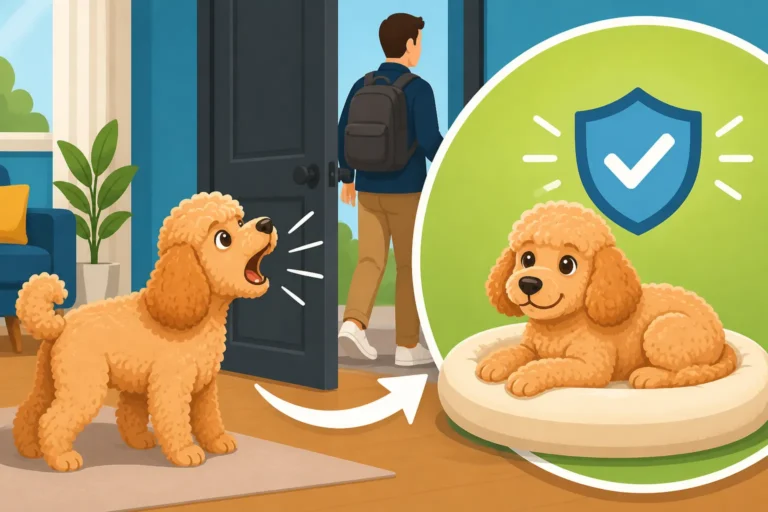
Sound Work for a Noise-Sensitive Poodle
It's incredibly frustrating and heartbreaking to watch your beloved Poodle flinch, tremble, or even panic at everyday noises or sudden loud sounds. Whether it's the distant rumble of thunder, the whir of a blender, or just a car backfiring, dealing with a noise-sensitive Poodle can feel isolating and overwhelming. This guide is here to walk you through understanding why your Poodle reacts the way they do and, most importantly, provide actionable sound work strategies to help them build confidence and comfort in a noisy world.
Understanding Why Your Poodle Shies Away from Sounds
Poodles, regardless of their size – Standard, Miniature, or Toy – are renowned for their intelligence and often, their sensitivity. This very sensitivity, which makes them such empathetic and trainable companions, can also predispose them to developing anxiety, particularly around sounds. It's not that your Poodle is trying to be difficult; their reactions stem from a genuine place of fear or discomfort, and understanding this is the first step toward helping them.
Recognizing the Signs of Noise Sensitivity in Your Poodle
Sometimes, the signs of noise sensitivity are glaringly obvious: full-blown panic attacks, uncontrollable shaking, incessant barking, or desperate attempts to hide. But often, especially with intelligent and often stoic Poodles, their distress can be more subtle. It's crucial for us, as their guardians, to learn to read these nuanced cues.
Imagine your Poodle, usually a confident companion, suddenly freezes mid-stride during a walk when a truck rumbles by, or perhaps they flatten their ears and glance nervously at the window when distant fireworks start. They might become clingy, following you from room to room more than usual, or actively seek out dark, enclosed spaces like under a bed or in a closet. Some Poodles might pant excessively, drool, or even engage in destructive behaviors like chewing doorframes or scratching at walls when left alone during a storm. These are all indicators that a sound is causing them genuine distress. They're not just "being silly"; they're experiencing a heightened state of anxiety, and it's essential to intervene with patience and understanding. If you're struggling to understand their cues, learning to read their body language can be incredibly helpful; check out Reading Pain in a Sensitive Poodle for more insights.
The Poodle's Innate Sensitivity and What Makes Them Prone to Fear
Poodles are a highly intelligent breed, ranking consistently high on canine intelligence scales. While this makes them incredibly quick learners and a joy to train, it also means they are highly perceptive of their environment. They pick up on subtle changes in sound, light, and even your mood. This heightened awareness, coupled with their genetic predisposition for certain anxieties, can make them more susceptible to noise phobias. Some theories suggest their ancestry as retrieving water dogs meant they needed keen senses, and while that served them well in the field, it can be a challenge in modern, noisy environments.
Furthermore, a Poodle's sensitivity extends beyond just sound. They are often deeply attuned to their owners, forming strong bonds and sometimes developing "velcro dog" tendencies. This close connection means they can also pick up on your anxiety or frustration when they react to noise, inadvertently reinforcing their fearful response. Think about it: if you tense up or rush to soothe them every time a noise occurs, you might be signaling that there is indeed something to be afraid of. It's a tricky balance, but understanding their sensitive nature is key to approaching sound work with the right mindset. Their intelligent minds need constant occupation, and sometimes, a lack of mental stimulation can exacerbate underlying anxieties; exploring Keeping a Poodle Mind Occupied can offer valuable strategies.
Setting Up a Sanctuary: Immediate Steps for Noise Management
Before diving into targeted sound work, it's crucial to establish a sense of safety and control for your Poodle. This involves creating a designated safe space and implementing strategies to manage unavoidable loud events, reducing the overall stress load on your sensitive companion.
Creating a Safe and Sound-Dampened Space
Every noise-sensitive Poodle needs a sanctuary – a place they can retreat to when the world gets too loud. This isn't about hiding them away but empowering them with a choice to feel safe and secure. For some Poodles, this might be a crate covered with a thick blanket in a quiet corner of the house. For others, it could be a small room, like a laundry room or a large closet, equipped with a comfy bed and some familiar toys. The key is that this space should be consistently available and perceived by your Poodle as positive, never a place for punishment.
To make this space truly effective, consider sound dampening. Heavy curtains, soft furnishings, and even strategically placed bookshelves filled with books can help absorb sound waves. You can also introduce ambient noise to mask outside sounds. A white noise machine or a fan can provide a consistent, soothing background hum, which can be less jarring than sudden, unpredictable noises. Many effective and affordable options for sound machines are available on platforms like Amazon. The goal is to create an environment where your Poodle feels they have control over their sensory input, allowing them to relax and disengage from overwhelming sounds. For Poodles who enjoy their crate, a properly sized crate can be an excellent den; consider Crate Size for Each Poodle Variety for guidance.
Proactive Strategies for Predictable Loud Events
While you can't control every sound, many noise triggers are predictable, such as thunderstorms, fireworks, or even regular occurrences like garbage trucks. For these events, proactive management is your best friend. If a thunderstorm is forecast, start preparing before the first rumble. Move your Poodle to their safe space, offer a high-value chew toy, or engage them in a calming activity. Close windows and blinds to reduce visual stimuli from lightning flashes.
For fireworks, which can be particularly traumatic, plan ahead. If possible, take your Poodle for a potty break well before dark. Once indoors, activate their safe space, play calming music or white noise, and stay with them if they find comfort in your presence. Some owners find wraps or thunder shirts helpful for providing gentle, constant pressure, which can have a calming effect similar to swaddling a baby. Remember, your calm demeanor is contagious; if you act stressed, your Poodle will pick up on it. Preparing for specific events like fireworks is crucial; you might find additional tips in Keeping a Poodle Calm During Fireworks.
The Heart of the Matter: Desensitization and Counter-Conditioning Through Sound Work
This is where the real "sound work" comes in – a gentle, systematic process designed to change your Poodle's emotional response to scary sounds. It’s not about forcing them to endure noise, but about gradually introducing sounds in a controlled way while simultaneously creating positive associations. This requires immense patience and consistency, but the rewards are a more confident and less anxious Poodle.
Beginning with Controlled Sound Exposure
The first step in desensitization is to find high-quality recordings of the sounds that trigger your Poodle's anxiety. There are many apps and websites that offer sound libraries specifically for pet anxiety, ranging from thunderstorms and fireworks to doorbells and vacuum cleaners. Choose a sound that causes mild anxiety, not outright panic.
Start by playing the chosen sound at an extremely low volume – so low that your Poodle barely notices it, or perhaps offers only a slight flicker of an ear, but no overt signs of fear. The goal is to keep them below their fear threshold. This is critical: if they show fear, you've gone too fast. Play the sound for very short durations, maybe 30 seconds to a minute, and then turn it off. Repeat this process several times a day in short, positive sessions. Never force your Poodle into this; let them choose to engage or simply be in the room. This slow introduction is key to avoiding further fear.
Building Positive Associations with Previously Scary Sounds
As you play the sound at these barely audible levels, immediately pair it with something incredibly positive for your Poodle. This is the "counter-conditioning" part. High-value treats are usually the most effective – think small pieces of cooked chicken, cheese, or their favorite soft treats. When the sound starts, immediately offer a treat. When the sound stops, the treats stop. This teaches your Poodle that the scary sound predicts something wonderful.
You can also use play, gentle praise, or a favorite toy as the positive reinforcement, but often, food is the strongest motivator. The timing is crucial: the treat needs to appear with or immediately after the sound, not before. Over time, your Poodle will begin to associate the sound with good things rather than fear. Platforms like BAXTER & Bella offer excellent online training resources, including guidance on effective counter-conditioning techniques and high-value treat options that can aid in this process. Remember, consistency is key, and if your Poodle is a particularly clever one, they might even try to outthink you, so stay consistent! You might find help in Training a Poodle That Outthinks You.
Gradual Progression and Patience: The Key to Success
Once your Poodle shows no signs of anxiety at the current low volume, and perhaps even looks for a treat when the sound starts, you can very, very slowly increase the volume. We're talking tiny increments – barely perceptible increases. If at any point your Poodle shows any signs of fear (ears flattening, lip licking, tension, trying to leave), you've gone too far, too fast. Immediately reduce the volume back to a level where they are comfortable and stay there for longer.
This process is not linear. There will be good days and bad days. Some sounds might take longer than others. The crucial aspect is never to rush. Poodles are sensitive, and pushing them too hard can undo weeks of progress and deepen their fear. Keep sessions short, positive, and end on a good note. It’s better to do many short sessions throughout the day than one long, overwhelming one. Patience truly is a virtue here. If you find your Poodle backsliding, consider whether they might be sulking or truly frightened, as their intelligent nature can sometimes make it hard to tell; Whether Poodles Sulk offers some insights.
Sustaining Progress and Knowing When to Call for Backup
Sound work is an ongoing journey, not a one-time fix. Maintaining progress, adapting to new challenges, and knowing when to bring in professional help are all vital components of supporting your noise-sensitive Poodle throughout their life.
Long-Term Management and Navigating Setbacks
Even after successful sound work, it's important to continue reinforcing positive associations. Occasionally playing the sounds at a comfortable volume and pairing them with treats or play can keep the positive connection strong. Life will inevitably throw unexpected loud noises your way – a sudden construction project, a neighbor's loud party, or an impromptu firework display. When these happen, focus on managing your Poodle's environment as best you can, guiding them to their safe space, and offering comfort and reassurance without over-coddling.
Setbacks are a normal part of any behavior modification plan. Don't get discouraged if your Poodle has a bad day or regresses a bit after a particularly traumatic event. Simply go back to an earlier step in the desensitization process where they were comfortable and slowly build up again. Your consistent, calm support is the most powerful tool you have. Remember that a Poodle's brain needs constant engagement; an idle mind might be more prone to anxiety. Consider how What a Poodle Does When Its Brain Is Idle might provide context for managing overall well-being.
When Professional Help and Veterinary Input Become Essential
While sound work is incredibly effective for many Poodles, there are times when their anxiety is so profound that you might need professional intervention. If your Poodle exhibits extreme panic, self-harming behaviors, severe destruction, or if their quality of life is significantly impacted despite your best efforts, it's time to consult with experts.
Start with your veterinarian. They can rule out any underlying medical conditions that might be exacerbating anxiety or pain, as Poodles, especially Standards, can be prone to certain health issues that might manifest as behavioral changes. Your vet might also recommend calming supplements or, in more severe cases, anti-anxiety medication. These medications are not a "cure" but can significantly lower your Poodle's anxiety threshold, making them more receptive to behavior modification techniques like sound work.
Beyond your vet, seeking out a certified professional dog trainer specializing in fear and anxiety, or a veterinary behaviorist, is highly recommended. These professionals can assess your Poodle's specific situation, identify triggers you might have missed, and create a tailored, comprehensive plan. They can provide hands-on guidance for desensitization and counter-conditioning, ensuring you're using the techniques correctly and safely. Many online platforms, including those from BAXTER & Bella, also offer virtual consultations or courses led by certified trainers who can assist with noise sensitivity challenges. If you find your Poodle is shutting down or showing extreme fear, a force-free trainer is crucial for rebuilding trust; Finding a Trainer a Poodle Will Not Shut Down For is a valuable resource.
Table: Sound Work Progression Example
Here's a simplified example of how you might progress with sound work for a specific trigger, like fireworks:
| Session Goal | Sound Source | Volume Level | Duration | Reinforcement | Poodle Reaction (Target) | Notes |
|---|---|---|---|---|---|---|
| Initial Exposure | YouTube/App | Barely audible (1/10) | 30 seconds | High-value treats | Curious, indifferent, slight ear twitch | Start in a quiet room, ensure no fear response. Stop treats when sound stops. |
| Increase Duration | YouTube/App | Barely audible (1/10) | 1-2 minutes | High-value treats | Calm, relaxed, looks for treats | If any fear, go back to 30 seconds. Repeat several times a day. |
| Slight Volume Increase | YouTube/App | Very low (2/10) | 1 minute | High-value treats & praise | Calm, relaxed, may orient to sound positively | Only increase if completely comfortable at previous level. Smallest increment possible. |
| Introduce Distraction | YouTube/App | Low (3/10) | 2 minutes | Treats + engage in simple play | Calm, can focus on play with sound present | Try tossing a toy, doing a simple "sit" command with a treat. |
| Vary Location | Speakers/Device | Low-Medium (4/10) | 2-3 minutes | High-value treats | Calm in different rooms | Move from quiet room to living room. Ensure consistency. |
| Practice w/ Real-Life Mimic | TV/Stereo | Medium (5/10) | 3-5 minutes | Treats, chews, positive interaction | Relaxed, perhaps naps or chews while sound is playing | Mimic an actual event as closely as possible, without causing distress. |
| High Volume (Controlled) | Quality Speakers | Medium-High (6-7/10) | 5 minutes | Favorite chew toy, cuddle time | Comfortably ignores or is mildly aware | This is often the maximum you'll need for home practice. Real events can be louder. |
Important Note: This table illustrates a general progression. Each Poodle is an individual, and their progress will vary. Always adjust based on your Poodle's comfort level, not a rigid schedule.
Disclaimer
This article is for general informational purposes only and does not constitute professional advice. Laws, prices and regulations vary by location and change over time. Consult a qualified professional for guidance on your specific situation.