Jump Heights for a Toy Poodle in Agility
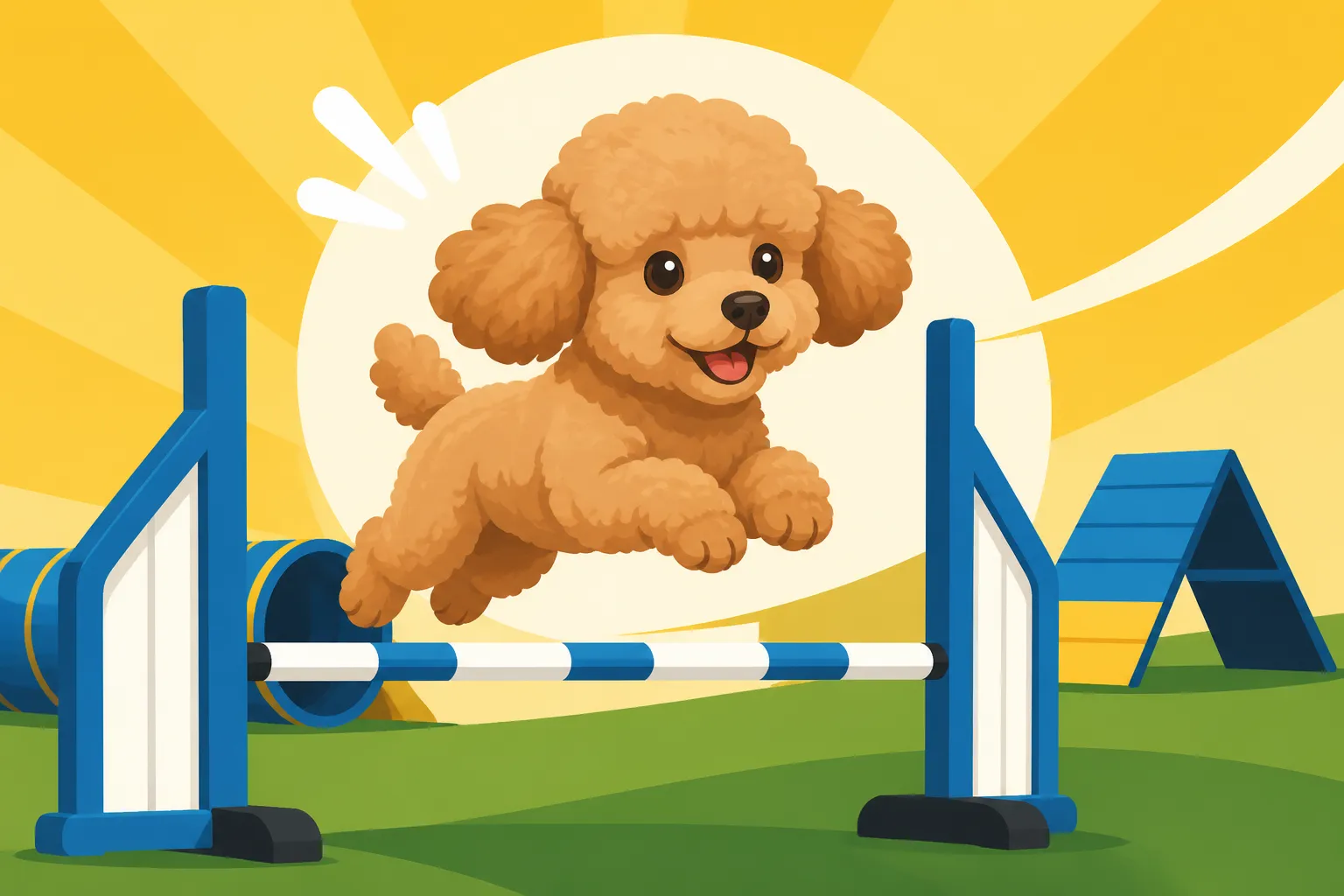
It's incredibly exciting to think about your spunky Toy Poodle flying over jumps in an agility course! But one of the biggest questions that pops up for owners of these smaller, dynamo dogs is exactly how high they should safely clear those obstacles. You want to challenge them, yes, but more importantly, you want to keep them safe and sound. This guide will walk you through everything you need to know about setting appropriate jump heights for your Toy Poodle in agility, from official guidelines to individual considerations.
Understanding Official Agility Jump Height Standards
When you dive into the world of dog agility, you'll quickly realize that there isn't just one universal rulebook. Various organizations govern agility competitions, and each has its own set of guidelines for jump heights. This can feel a little overwhelming at first, but don't fret! The good news is that these standards are all designed with canine safety in mind, ensuring dogs compete at levels appropriate for their size.
The Importance of Safety and Governing Bodies
Imagine a tiny Toy Poodle being asked to clear a hurdle designed for a German Shepherd – it sounds ridiculous, right? That's precisely why agility organizations spend a lot of time developing specific jump height categories. These categories are crucial for preventing injuries, promoting fair competition, and ensuring the sport remains fun and accessible for dogs of all sizes. The primary goal is always to protect your dog's joints, spine, and overall well-being. Organizations like the American Kennel Club (AKC), United Kennel Club (UKC), and USDAA (United States Dog Agility Association) all have their own comprehensive rulebooks that detail these critical safety parameters. Before you even think about competing, it's a great idea to familiarize yourself with the rules of the specific organization you might want to join.
These rules usually include not just jump heights but also weave pole spacing, tunnel lengths, and contact obstacle ascent/descent requirements. It's a whole system designed to keep dogs safe while still challenging them physically and mentally. Ignoring these guidelines, even in backyard practice, can lead to serious health consequences, potentially impacting your Poodle's long-term mobility or causing acute injuries that could sideline them indefinitely. This is especially true when considering the long-term health of your Poodle, as ongoing impact can compound issues like Poodle Hip Dysplasia by Size or stress delicate joints.
General Categories and Height Divisions for Small Dogs
For Toy Poodles, you'll almost always find them competing in the lowest height divisions. These divisions are typically determined by measuring your dog at the highest point of their shoulders (the withers). For instance, an organization might have classes for dogs 8 inches and under, 12 inches and under, and so on. A typical Toy Poodle, by definition, is generally 10 inches or less at the shoulder, meaning they'll fall into the smallest categories.
While I can't give you exact numbers that might change with rule updates, it's common for the lowest jump heights to be around 4, 6, or 8 inches. Some organizations might even offer "preferred" or "veteran" classes with even lower jump heights for older dogs or those with minor physical limitations who still love to play. These categories ensure that even the smallest and most delicate Poodles, like those prone to Toy Poodle Kneecaps and Windpipes, can participate safely. Always check the current rulebook of the specific organization you're interested in for their up-to-date height card requirements and classifications. They often have detailed guides on how to properly measure your dog to ensure they are entered into the correct class.
Factors Influencing Your Toy Poodle's Ideal Jump Height
While official guidelines provide a great starting point, they are just that – guidelines. Your individual Toy Poodle is unique, and their "ideal" jump height might differ from another Poodle of the exact same size. Several personal factors come into play that should always be considered when training and competing.
Your Poodle's Physical Build and Health
Not all Toy Poodles are built alike. Some might have longer legs, a more athletic build, and naturally greater jumping prowess, while others might be more compact. The overall length of their limbs, the strength of their musculature, and the integrity of their joints are all critical. Conditions like Luxating Patella in Toy and Miniature Poodles are unfortunately common in smaller breeds, and even a mild case could mean that higher jumps are out of the question or require significant modification. It's vital to have a thorough veterinary check-up before starting any intensive physical sport like agility. Your vet can assess your Poodle's joint health, spinal alignment, and overall fitness level, giving you a clear picture of what they can safely handle.
Beyond congenital issues, consider your Poodle's general physical condition. Are they carrying a little extra weight? Obesity puts undue strain on joints, making jumping more risky. Are they fit and well-muscled? Regular, appropriate exercise, as discussed in Daily Exercise for a Toy Poodle, builds the strength needed for agility. If your Poodle has any underlying health conditions, even seemingly minor ones, consult with your vet to determine if agility is appropriate and what modifications might be necessary. Some Poodles might even have sensitivities you need to be aware of, so training should always be observed carefully for any signs of discomfort. Ensuring your Poodle is getting the right Portion Control for a Poodle is also key to maintaining an ideal weight for athletic activities.
Age and Experience Level
A Poodle puppy should never be asked to jump at full height. Their growth plates are still open, and high-impact activities can cause irreversible damage. Generally, puppies shouldn't be jumping over obstacles taller than their elbow until they are fully grown, which for a Toy Poodle is typically around 8-10 months of age, though some sources recommend waiting until 12 months for any serious jumping. Even then, the progression should be very gradual. For more on safe exercise for growing dogs, consider Whether a Poodle Puppy Should Jog.
On the flip side, senior Poodles might also need adjustments. As dogs age, their joints naturally experience wear and tear, and their muscle mass can decrease. Even if they've been agility champions in their prime, it's kind and responsible to lower jump heights, reduce repetitions, and adapt training to their current capabilities. Many organizations offer "veteran" or "preferred" classes with lower heights for this very reason. It's about continuing to enjoy the sport, not pushing them beyond their limits. Remember that Caring for an Aging Poodle involves adapting their physical activities to their changing needs.
Individual Temperament and Confidence
Some Toy Poodles are born fearless, launching themselves over any obstacle with gusto. Others are more cautious, needing gentle encouragement and a slow, positive introduction to new challenges. Your Poodle's temperament plays a huge role in how they approach agility. A sensitive Poodle might shut down if pushed too hard or if jumps are too intimidating. Building confidence is key, and that often means starting with very low, easily cleared jumps and gradually increasing the height as they gain skill and belief in themselves.
Observe your Poodle closely during training. Are they excited and eager? Or do they hesitate, seem reluctant, or show signs of stress like lip licking, yawning, or turning away? Reading Pain in a Sensitive Poodle can be challenging, as Poodles often try to hide discomfort. A good agility instructor will help you read these subtle cues. If your Poodle isn't enjoying it, or if they're showing any signs of physical strain, it's time to re-evaluate the height or even take a break. The goal is to have fun and build a stronger bond, not to create stress or injury. Tools like positive reinforcement and engaging games are excellent for a Poodle, as they are a highly intelligent breed, as discussed in Why Poodles Learn a Cue in Five Repetitions.
| Factor | Impact on Jump Height & Training | Considerations for Toy Poodles |
|---|---|---|
| Physical Build | Leg length, body proportion, muscle mass affects jumping ability. | Compact build means natural lower heights; focus on conditioning. |
| Joint Health | Crucial for preventing injury (hips, knees, spine). | High prevalence of Luxating Patella in Toy and Miniature Poodles necessitates careful vet checks. |
| Age | Puppies need low, safe jumps; seniors need reduced heights. | Don't allow full jumps until ~10-12 months for growth plate safety. |
| Weight | Overweight dogs face increased joint strain. | Maintain a lean, athletic physique through proper diet and exercise. |
| Confidence/Temperament | Affects willingness and enjoyment; fearful dogs need gradual progression. | Sensitive Poodles may shut down if pushed; positive reinforcement is key. |
| Previous Injuries | May require permanent height reductions or modified training. | Any past injuries must be disclosed to your vet and trainer. |
Training Progression and Equipment for Safe Jumping
Once you have a clear understanding of the general guidelines and your Poodle's individual needs, it's time to think about how to actually train them safely and effectively. Agility training is a journey, not a race, and patience is your best friend.
Gradual Introduction and Proper Technique
Never start with high jumps. Begin with a single bar on the ground or just an inch or two off the floor. Focus entirely on your Poodle understanding the concept of going over the bar, not around it, and doing so with good form. Use lots of positive reinforcement – praise, Treats Small Enough for a Toy Poodle, and toys – to make it a fun, rewarding experience. You want to build a positive association with jumping. As your Poodle consistently clears the lowest height with enthusiasm and correct form, you can gradually increase the jump by tiny increments, perhaps an inch at a time. This slow progression allows their muscles and joints to strengthen safely and their confidence to grow.
Focus on developing a smooth, efficient jumping style. A dog that crashes into the bar or stretches awkwardly can eventually injure itself. A good instructor will help you teach your Poodle proper takeoff and landing techniques. This isn't just about clearing the bar; it's about doing it cleanly and efficiently every time. Consider online resources like BAXTER & Bella, which offer comprehensive training programs that can guide you through the basics of agility, including how to safely introduce jumps and other obstacles. They often provide step-by-step videos that can be incredibly helpful for visualizing proper technique. For more insights on early training, see The Age a Poodle Puppy Starts Learning.
Essential Agility Equipment for Home Practice
You don't need a full-blown competition course in your backyard, but a few key pieces of equipment can be invaluable for home practice. Adjustable jump wings are probably the most important investment. Look for sturdy, lightweight sets that allow you to easily change the bar height from just an inch or two all the way up to competition heights. Many affordable and decent quality options can be found on Amazon. Having equipment that is stable means your Poodle won't be startled by wobbling jumps, which can undermine their confidence.
Beyond jumps, a tunnel can be a great addition for building confidence and body awareness. Some simple weave poles, starting with channel weaves or 2x2s, are also excellent for mental stimulation and coordination. Just ensure that any equipment you purchase is specifically designed for dog agility and is stable enough to prevent accidents. Safety should always be your top priority, especially when working with smaller dogs like Toy Poodles who might be more prone to certain injuries. Starting with foundational skills like impulse control and focus, perhaps learned in Puppy Class Fees for a Fast-Learning Poodle, will make introducing equipment much smoother.
When to Consult a Professional Agility Instructor
While online resources and books can teach you a lot, there's no substitute for hands-on guidance from a certified professional agility instructor. They can assess your Poodle's gait, identify any potential physical limitations, and provide personalized feedback on technique. They're also skilled at reading canine body language, helping you understand when your Poodle is truly enjoying the sport versus when they might be feeling stressed or uncomfortable.
A good instructor will guide you through a safe progression, ensuring you're building a solid foundation before tackling more complex sequences or higher jumps. They can also help you troubleshoot any issues, like bar knocking or hesitation. Look for instructors who prioritize positive reinforcement methods and emphasize safety and fun over speed and titles, especially in the early stages. They often have experience with a wide range of breeds, including Poodles, and understand their unique needs and sensitivities. Investing in professional guidance is an investment in your Poodle's health and your shared enjoyment of the sport. Finding a good trainer is critical for a breed as smart and sensitive as the Poodle, as highlighted in Finding a Trainer a Poodle Will Not Shut Down For.
Disclaimer
This article is for general informational purposes only and does not constitute professional advice. Laws, prices and regulations vary by location and change over time. Consult a qualified professional for guidance on your specific situation.