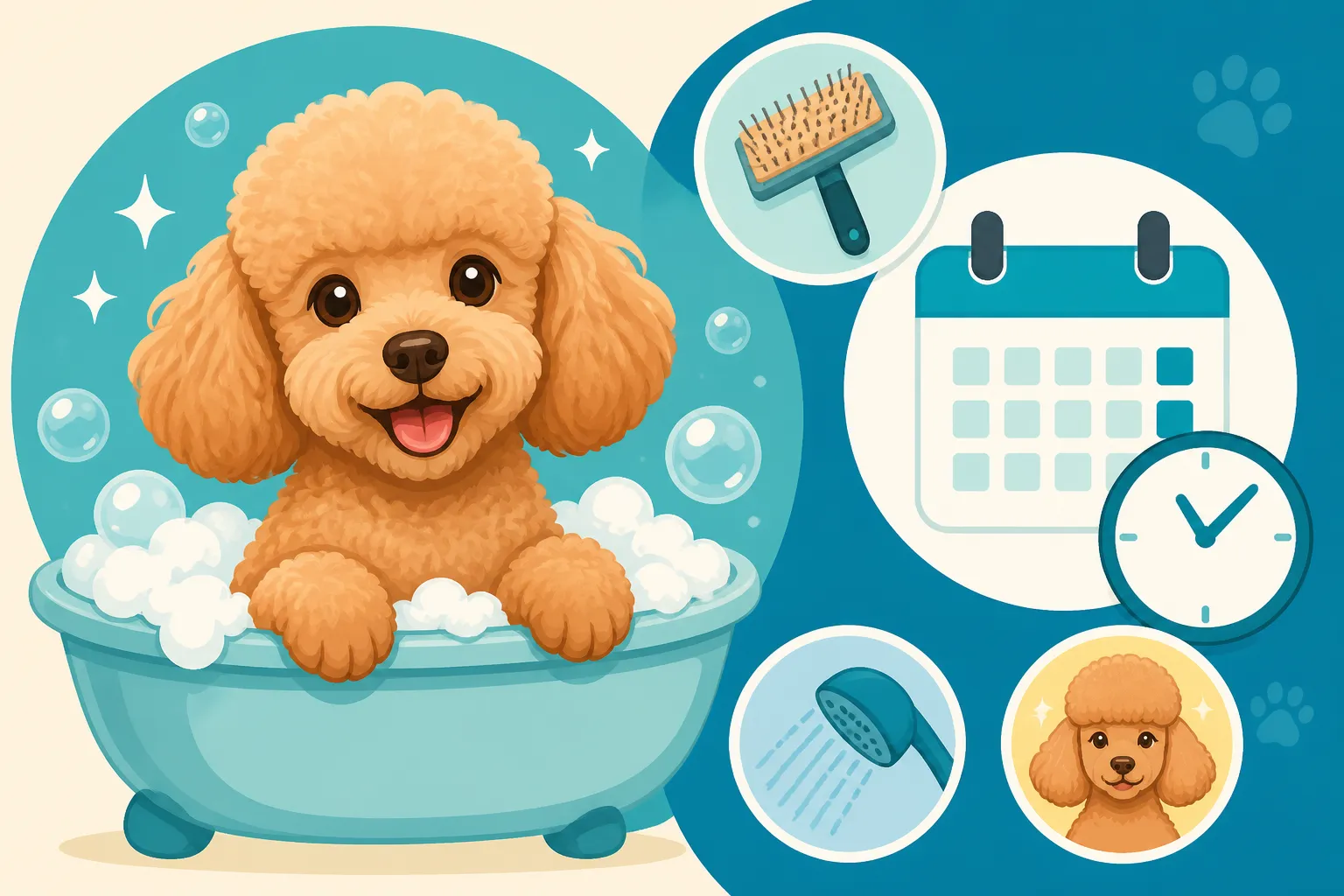
How Often to Bathe a Pet Poodle
Figuring out the ideal bathing schedule for your beloved Poodle can feel like a guessing game, can't it? You want them to be clean, smell fresh, and have that glorious, bouncy coat, but you also worry about drying out their skin or, worse, causing mats. This guide is here to untangle that common confusion, helping you establish a bathing routine that keeps your Poodle happy, healthy, and impeccably groomed without causing unnecessary stress or skin issues.
Understanding Your Poodle's Unique Coat Needs
Poodles are celebrated for their distinctive, beautiful coats, but what makes them so special also makes their grooming needs unique. It's not like bathing a Labrador or a Golden Retriever; a Poodle's coat demands a different approach.
Why the Poodle Coat Is Different
Unlike many breeds that have fur and shed seasonally, Poodles have hair that grows continuously, much like human hair. This unique characteristic is why they are often touted as "hypoallergenic," as they don't shed in the traditional sense. Instead, any loose hair gets caught within the curls, which is wonderful for keeping your home cleaner but also creates a significant grooming challenge: matting. Without regular brushing and bathing, those loose hairs will tangle with the growing hair, quickly forming dense mats that can be painful and lead to skin problems.
Think of it this way: if you had long, curly hair and never brushed or washed it, it would become a matted mess, right? The same principle applies to your Poodle. Their hair is also quite dense and acts like a magnet for dirt, dust, and environmental allergens. When they run through tall grass, splash in puddles, or even just roll around on the living room rug, their coat will pick up and hold onto all sorts of debris. This means that while they might not leave hair tumbleweeds around your house, their coat certainly doesn't stay clean on its own. It's a double-edged sword: minimal shedding, maximum grooming responsibility. It’s crucial to understand Why a Poodle Coat Mats Instead of Shedding to grasp the importance of your grooming routine.
Factors That Influence Bathing Frequency
There's no single, universal answer to "how often should I bathe my Poodle?" because so much depends on your individual dog's lifestyle, environment, and specific health needs. It’s like asking how often a person needs to shower – it depends on their job, activity level, and skin type!
Firstly, consider your Poodle's lifestyle. Is your Poodle a pristine, indoor companion who only ventures out for short, clean walks on paved paths? Or are they an adventurous explorer who loves romping through muddy fields, swimming in lakes, or digging in the garden? A Poodle living in the city and kept mostly indoors might only need a bath every 4-6 weeks. However, if your Poodle is regularly out in nature, swimming, or getting into mischief, they might need a bath every 2-3 weeks, or even more frequently after particularly messy escapades. Swimming, in particular, can be harsh on their coat, drying it out if not properly conditioned and rinsed, but also necessitating a wash to remove chlorine or lake pollutants.
Secondly, skin and coat health play a huge role. Poodles can be prone to certain skin conditions, such as allergies or sebaceous adenitis. If your Poodle has sensitive skin or a diagnosed condition, your veterinarian might recommend a specific bathing schedule using medicated shampoos. For example, some Poodles with environmental allergies might benefit from more frequent baths to wash away allergens clinging to their coat, as long as appropriate hydrating products are used to prevent dryness. This is where understanding Poodle Allergies and Skin Reactions becomes vital. Puppies, especially Toy Poodle puppies, might have more accidents and need spot cleaning or a full bath more often until they're fully house-trained. Older Poodles might be less active but could have skin issues that require attention or may struggle with standing for long periods, necessitating a quicker, gentler approach.
Lastly, the length and style of your Poodle's coat significantly impact how often they need a full bath. A Poodle in a very short "kennel clip" or "sporting clip" will generally be easier to keep clean and require less frequent bathing than one sporting a long, flowing "Continental clip" for the show ring, which often needs weekly or even twice-weekly baths to maintain its pristine condition and prevent matting. The longer the hair, the more surface area for dirt to adhere to, and the more potential for tangles and mats to develop between baths.
The Right Bathing Schedule for Your Pet Poodle
Once you understand the factors at play, you can start to dial in a bathing schedule that truly works for your Poodle. It’s about balance: clean enough, but not too clean.
Finding the Sweet Spot: General Guidelines
For most pet Poodles living active but not excessively messy lives, a bathing frequency of every three to six weeks is a good general guideline. This window allows you to keep their coat clean, manage oil buildup, and prevent significant matting without stripping their skin of its natural, protective oils.
Bathing too frequently, especially with harsh shampoos, can lead to dry, flaky skin, itching, and a dull coat. Their skin, like ours, has a natural barrier, and over-washing can disrupt it, potentially making them more susceptible to skin irritations or infections. You might notice them scratching more, or their skin might appear red and irritated. On the other hand, neglecting regular baths can have equally problematic consequences. An unbathed Poodle coat will accumulate dirt, grease, and environmental pollutants, leading to a greasy, smelly, and uncomfortable dog. More critically, it creates a perfect storm for matting. Mats pull on the skin, causing pain and restricting movement, and can hide skin infections, parasites, or other issues underneath. It’s a vicious cycle that can quickly turn uncomfortable for your Poodle and expensive for your wallet if professional de-matting or even shaving is required. Ultimately, consistency is key, and understanding Bathing Frequency for a Poodle is fundamental to keeping them healthy.
Recognizing When Your Poodle Needs a Bath
Beyond a fixed schedule, learning to "read" your Poodle's coat and skin is essential for knowing when a bath is genuinely needed. Sometimes, life happens, and they get dirtier than expected, necessitating an earlier bath.
- The Smell Test: This is often the first and most obvious indicator. If your Poodle starts to develop a distinct "doggy odor" that isn't just a temporary whiff from rolling in something questionable, it's probably time for a bath. Their natural oils can accumulate, and when mixed with environmental grime, they start to smell.
- Feeling the Coat: Run your hands through their coat. Does it feel greasy, heavy, or gritty? Is it losing its natural spring and fluffiness? A clean Poodle's coat should feel soft, clean, and light. If it feels dull, sticky, or like it's starting to clump together, it's a clear sign of buildup.
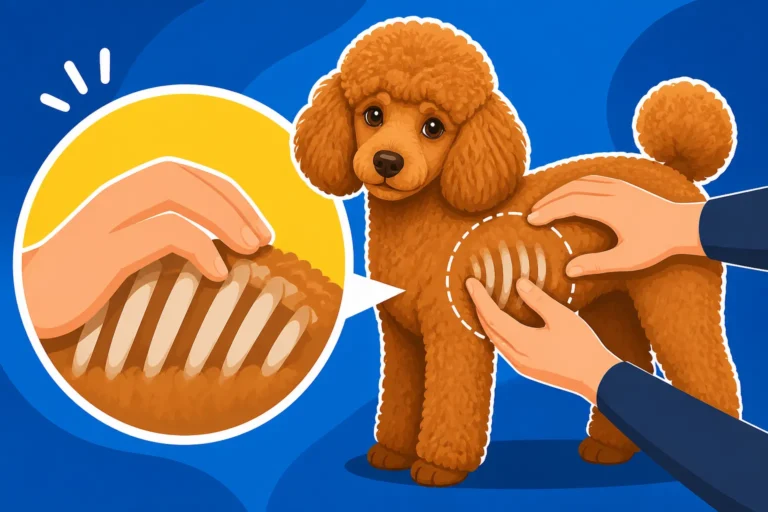
- Visible Dirt or Debris: This one is a no-brainer. If your Poodle has visible mud, grass, burrs, or anything else clinging to their coat that can't be easily brushed out, they need a bath. Don't let visible dirt sit for too long, as it can quickly become embedded and lead to matting, especially in the areas prone to tangles like armpits, behind the ears, and around the tail. You should be regularly checking these areas when you're doing your Finding Poodle Mats Before the Groomer Does routine.
- Behavioral Cues: Sometimes, a Poodle might give subtle hints. Increased scratching or rubbing against furniture could indicate skin irritation from dirt or dryness, signaling a need for a soothing bath with appropriate shampoo and conditioner.
By combining a regular schedule with these observational cues, you'll develop an intuitive sense of when your Poodle needs a refreshing wash.
Essential Bathing Practices and Products
Bathing a Poodle isn't just about getting them wet and soapy; it's a careful process that requires the right products and techniques to ensure their coat and skin remain healthy and beautiful. Think of it as a pampering session, not just a chore!
Choosing the Right Shampoo and Conditioner
The products you use are just as important as how often you use them. For Poodles, you must use shampoos and conditioners specifically formulated for dogs. Human products have a different pH balance and can be far too harsh, leading to dry, irritated skin.
Look for pH-balanced, moisturizing dog shampoos. If your Poodle has sensitive skin or allergies, opt for hypoallergenic, oatmeal-based, or gentle medicated shampoos recommended by your vet. There's a fantastic selection of reputable brands available on sites like Chewy, allowing you to easily compare ingredients and read reviews to find what works best for your Poodle's specific needs. For regular use, a good quality conditioning shampoo or a separate conditioner is non-negotiable for Poodles. Their hair can dry out and tangle easily, so a conditioner helps to restore moisture, smooth the cuticle, and make brushing significantly easier. Using a leave-in conditioner or conditioning spray after the bath can also provide an extra layer of protection and hydration. For a deeper dive into product selection, check out Shampoo and Conditioner for a Poodle Coat.
Step-by-Step Bathing for Optimal Results
Bathing a Poodle correctly is a multi-step process. Skipping any step can lead to problems, particularly matting.
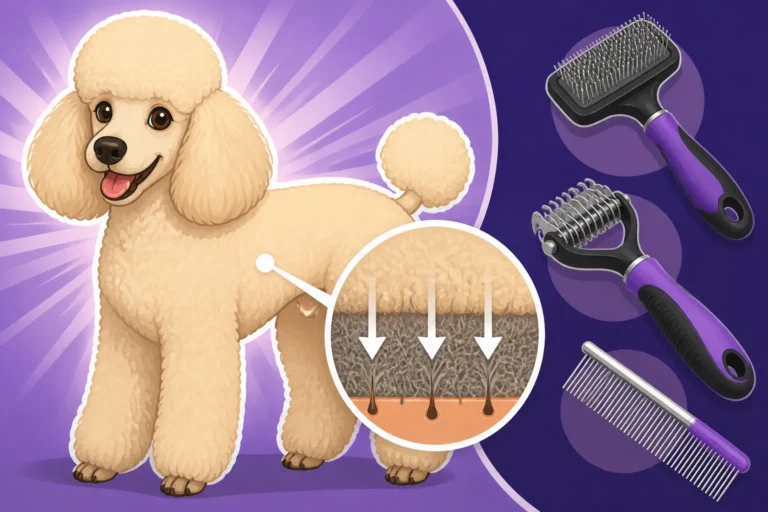
- Pre-Bath Brushing (CRITICAL!): This is perhaps the most important step. Never bathe a matted Poodle. Water will tighten mats, making them impossible to remove without shaving. Before they even sniff the water, ensure your Poodle is thoroughly brushed out and free of tangles. Use a slicker brush and a metal comb, working through their coat section by section, all the way down to the skin. If you find any mats, gently work them out with a detangling spray and your comb before the bath. Learning How to Line Brush a Poodle Properly is essential here.
- Wet Thoroughly: Use lukewarm water and completely soak your Poodle's coat from head to tail. Ensure the water penetrates all the way to the skin, as their dense coat can repel water.
- Shampoo and Lather: Apply a generous amount of shampoo, working it into a rich lather. Be thorough, ensuring you reach every part of their body, including armpits, belly, and paws. Gently massage the shampoo into their skin. Avoid getting soap in their eyes and ears.
- Rinse, Rinse, Rinse!: This is another crucial step. Rinse until you are absolutely certain all shampoo residue is gone. Any leftover soap can irritate the skin and leave a dull, sticky residue that attracts dirt and causes matting. Rinse, then rinse again, running your hands through the coat to check for any slickness.
- Condition: Apply conditioner, focusing on the ends and any areas prone to tangles. Let it sit for a few minutes (check product instructions) before rinsing thoroughly, again ensuring no residue is left behind.
- Squeeze and Towel Dry: Gently squeeze excess water from their coat. Then, use highly absorbent towels to blot and pat them dry. Avoid vigorous rubbing, as this can create tangles and mats.
- High-Velocity Dryer and Brush: For Poodles, a high-velocity dog dryer is a game-changer. It blasts water out of the coat and helps to straighten the curls, making subsequent brushing and styling much easier, and crucially, preventing mats from forming as the coat dries. As you dry, continuously brush through the coat with your slicker brush and comb, ensuring it dries straight and tangle-free. This technique is key to preventing those dreaded mats. You can find excellent, powerful dog dryers on platforms like Amazon. Mastering Using a High Velocity Dryer on a Poodle will transform your home grooming experience. If you let a Poodle air dry, you're almost guaranteed to have mats.
When to Consider Professional Grooming
Even if you’re committed to home bathing, there are times when professional grooming is the best choice, or even a necessity. Many Poodle owners opt for a professional groom every 4-8 weeks, depending on the clip and their home maintenance efforts.
- Complex Clips: If you desire a specific, intricate Poodle clip (like a Continental or a fancy show trim), a professional groomer has the skill and tools to achieve it safely and beautifully.
- Severe Matting: If, despite your best efforts, your Poodle develops severe matting, do not attempt to cut them out yourself with scissors – this is incredibly risky and can cause serious injury. A professional groomer has specialized tools and experience to safely remove mats, even if it means a complete shave-down.
- Time or Equipment Constraints: Maintaining a Poodle coat is time-consuming and requires specific equipment. If you lack the time, the space, or the proper high-velocity dryer and clippers, a professional groomer is well worth the investment. They can handle the full wash, dry, and clip, keeping your Poodle looking pristine. Understanding Professional Grooming Costs by Poodle Size can help you budget for this essential service.
- Maintaining Coat Health: A good groomer can also provide insights into your Poodle's skin and coat health, noticing issues you might miss, and offering advice on home care. They can also perform essential tasks like ear cleaning and nail trims that some owners find challenging.
Remember, even with professional grooms, consistent brushing and occasional home bathing (especially if your Poodle gets particularly dirty between appointments) will keep their coat in the best possible condition.
| Poodle Lifestyle/Condition | Recommended Bathing Frequency | Rationale |
|---|---|---|
| Mostly indoors, short clip | Every 4-6 weeks | Less exposure to dirt, easier to maintain, minimal matting risk. |
| Active, outdoor, swimming | Every 2-3 weeks, or as needed | More exposure to dirt, pollutants, and potential matting. Requires diligent post-activity rinsing. |
| Long show coat | Weekly | Essential for preventing mats, maintaining coat condition, and meeting show standards. |
| Allergy-prone/skin issues | As directed by vet (often weekly/bi-weekly) | Therapeutic baths needed to manage skin conditions and reduce allergens. Use vet-prescribed products. |
| Senior Poodle | Every 6-8 weeks, or as needed | Less active, but may struggle with grooming; needs gentle handling and consideration for joint pain. |
| Poodle Puppy | Every 3-4 weeks (after initial vaccinations) | Getting them used to it, managing puppy accidents, frequent checks for matting. |
Ultimately, establishing a regular, thoughtful bathing routine is one of the most loving things you can do for your Poodle. It's not just about aesthetics; it's about their comfort, hygiene, and overall well-being. Listen to your Poodle, observe their coat, and don't be afraid to adjust your schedule as their life changes. With the right care, your Poodle's magnificent coat will be a source of joy for both of you.
Disclaimer
This article is for general informational purposes only and does not constitute professional advice. Laws, prices and regulations vary by location and change over time. Consult a qualified professional for guidance on your specific situation.