Whether a Clipped Poodle Just Looks Thin
It's a familiar scenario for so many Poodle owners, and one that often causes a little panic: your beloved Poodle goes to the groomer, comes back looking absolutely fabulous in their fresh, clean clip, and suddenly… they look so thin. Almost alarmingly so. That fluffy, voluminous coat you've been admiring for weeks or months suddenly vanishes, revealing a much slimmer silhouette underneath, leaving you to wonder, "Is my Poodle really this skinny, or is it just the haircut playing tricks on my eyes?" This guide is here to help you understand that optical illusion and how to accurately assess your Poodle's true body condition, so you can stop worrying if that new clip means your pup isn't getting enough to eat.
The Optical Illusion of the Poodle Coat
The Poodle's signature coat is a marvel – dense, curly, and endlessly growing, it's what gives them their distinctive look and, let's be honest, hides a multitude of sins (and sometimes, a whole lot of dog!). When that coat is long and fluffy, it adds significant visual bulk, making your Poodle appear much larger and more substantial than they actually are.
How Poodle Hair Creates Volume
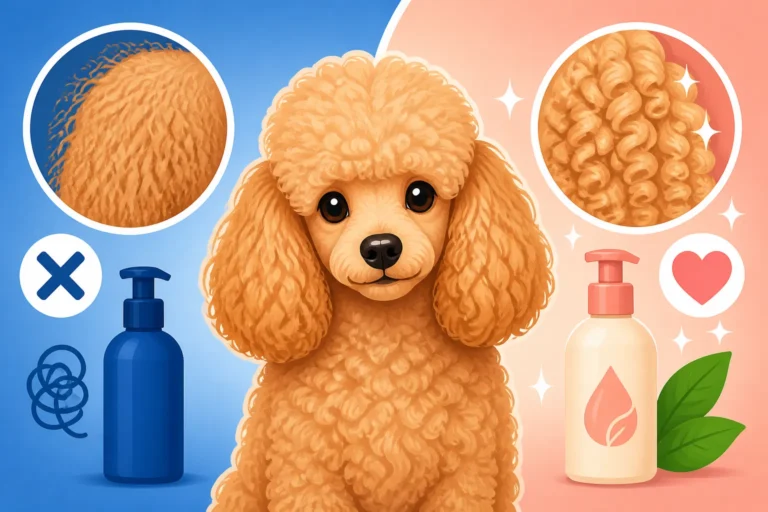
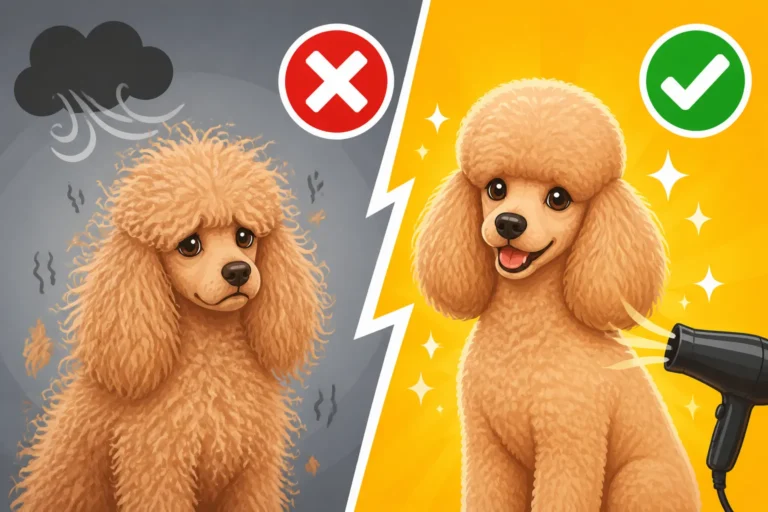
Unlike breeds with double coats that shed seasonally, a Poodle's single coat is composed of dense, woolly hair that grows continuously. This hair doesn't lie flat against the body but rather springs outwards, creating a natural puffiness and volume. Think of it like a perfectly styled human hairdo – a lot of fluff and air makes the head of hair look much fuller than if it were wet and slicked down. For a Poodle, this effect is amplified across their entire body.
When your Poodle's coat reaches a certain length, it essentially creates a soft, insulating layer that extends several inches from their actual body. This can easily mask their true musculature and frame. A well-groomed Poodle with a long, fluffy Poodle puppy clip might appear quite robust, even a little chubby, simply because of the sheer amount of hair creating that round silhouette. This isn't a bad thing, of course, it's part of their charm! But it does mean you're often not seeing the real dog underneath all that luxurious fluff.
The Shock of the Freshly Shaved Look
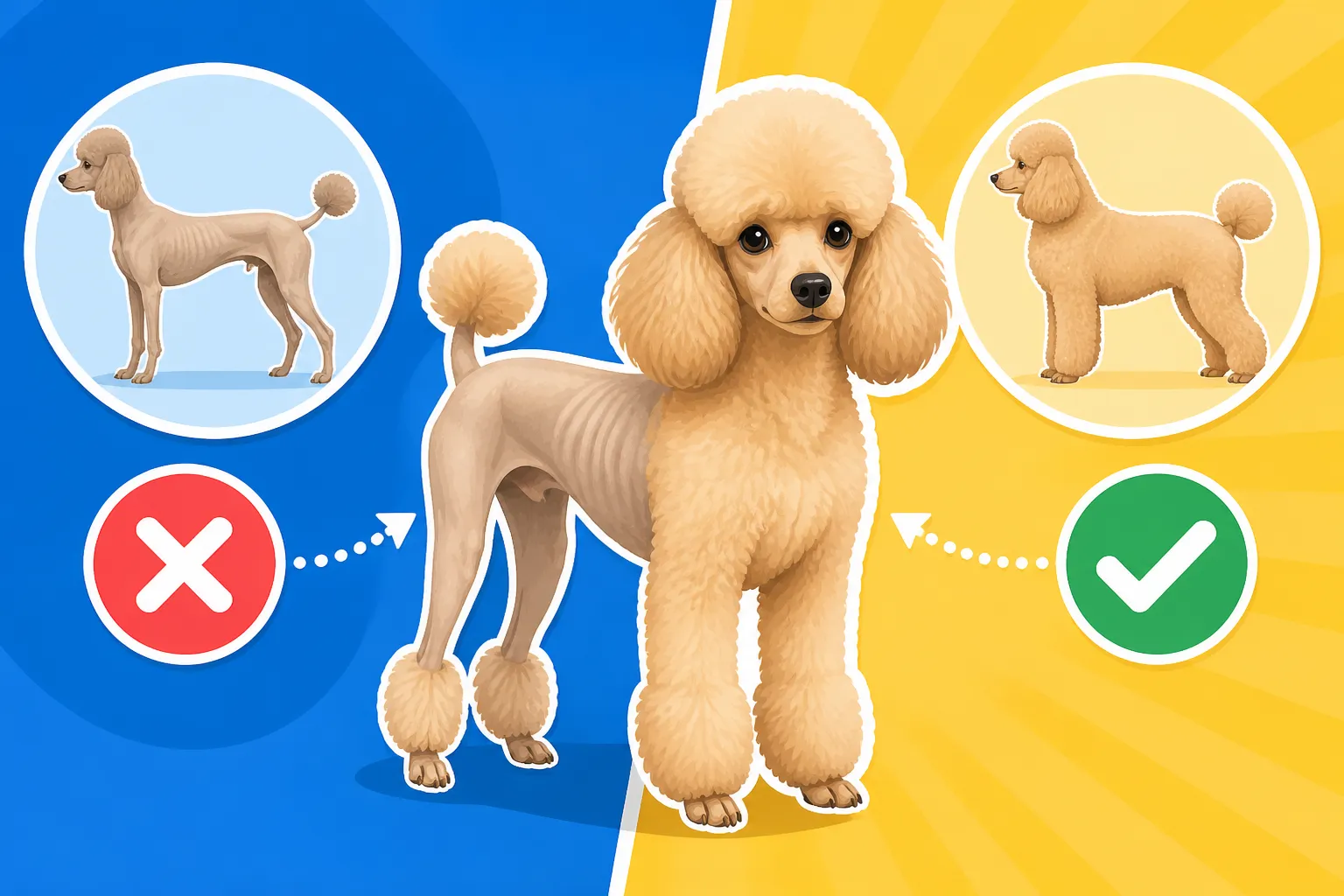
Then comes grooming day. Whether it's a full shave-down, a neat sporting clip, or just a tidy-up, once that voluminous coat is removed, the change can be startling. Suddenly, your Poodle's true proportions are laid bare. Their ribs might look more prominent, their waist more tucked, and their legs seem longer and thinner. This is particularly noticeable after a major haircut where a lot of length is taken off, like when they transition from a fluffy winter coat to a sleek summer trim.
Many owners experience a moment of genuine concern, wondering if their dog has lost weight or is even unwell. But in most cases, it's simply the removal of that significant layer of hair revealing what was always there: a lean, athletic build. Poodles, especially the Standard and Miniature varieties, are naturally elegant and lithe dogs. Their structure is built for movement, and a healthy Poodle is typically not a heavily built dog. It's the contrast with their previously voluminous coat that makes them appear so much skinnier, often leading to a question like, "Does my Poodle just look thin, or is it actually thin?" The answer, more often than not, is "it just looks thin."
Why Groomers Shave a Matted Poodle
Sometimes, a Poodle's trim isn't a choice, but a necessity, especially if their coat has become severely matted. Mats form when the soft, curly Poodle hair tangles and tightens, pulling on the skin and causing discomfort or even pain. It's a common issue if regular brushing, the kind that truly gets Brushing a Poodle to the Skin, has been missed. When a Poodle arrives at the groomer with severe matting, a shave-down is often the only humane option. Why Groomers Shave a Matted Poodle explains this in detail.
After such a shave-down, the 'thin' appearance can be even more pronounced because the matting itself created a dense, hard shell that made the dog look deceptively large and solid. When that is removed, the sudden exposure of their true body shape, perhaps even revealing skin irritation from the mats, can be doubly shocking. It’s a moment where you clearly see how much bulk the coat added, and it underscores the importance of consistent grooming to avoid such drastic measures and the accompanying worry. Remember, a Poodle's coat grows surprisingly fast, so the fluff will return! How Fast a Poodle Coat Grows Back provides more insight into this.
Feeling for Facts: Assessing Body Condition Score Under the Fluff
While the visual can be misleading, there's a reliable way to tell if your Poodle is truly a healthy weight: getting hands-on. Veterinarians use something called a Body Condition Score (BCS), which involves both looking and feeling your dog. You can learn to do a simplified version of this at home, even with a fluffy Poodle. It's all about what you can feel, not just what you see.
The Rib Test: Feeling for the "Sweet Spot"
The rib test is perhaps the most crucial part of assessing your Poodle's body condition. You want to be able to feel your Poodle's ribs without seeing them clearly poking out.
Here's how to do it:
- Stand over your Poodle: Place both hands flat on their chest, just behind their front legs.
- Gently run your fingers along their rib cage: You should be able to feel each individual rib bone with light pressure, almost like feeling the knuckles on your hand. There should be a thin layer of muscle and fat covering them, but no thick padding.
- The "Sweet Spot": If you have to press firmly to feel the ribs, your Poodle is likely carrying too much weight. If the ribs are visibly sticking out, or you can feel them very easily without any pressure at all, your Poodle might be underweight. The goal is to feel them distinctly, but not sharply.
Even with a long coat, you can still perform this test. You'll just need to push through the hair. It's a skill you build over time, and a good way to regularly check in with your Poodle's physical state, especially since Feeling Ribs Under a Thick Poodle Coat can be tricky for newcomers.
The Tummy Tuck and Waistline Check
Beyond the ribs, checking your Poodle's waistline and abdominal tuck provides further clues.
- The Waistline: When looking down at your Poodle from above, you should see a discernible "waist" where their body narrows in after the rib cage, before widening again at the hips. This should be evident even with a medium-length coat, although a dense, long coat might obscure it more. A freshly clipped Poodle will show this waist clearly if they are at a healthy weight. If they look like a straight barrel from chest to tail, they're likely overweight.
- The Abdominal Tuck: Look at your Poodle from the side. The line from their chest should rise upwards towards their hind legs, creating an "abdominal tuck." It shouldn't be a straight line from chest to hind legs; there should be a clear upward curve. This tuck is often more pronounced in Poodles due to their athletic build. If their belly hangs low or is parallel to the ground, they're likely carrying too much weight.
Again, after a good clip, these features become much more obvious. If your Poodle looks lean and elegant with a clear waist and tuck, chances are they're in great shape, and the previous fluff just made them look sturdier.
What a Healthy Poodle Actually Feels Like
A Poodle at a healthy weight should feel lean and muscular beneath their coat. You should be able to discern bone structure without it feeling sharp or protruding excessively. Their spine and hip bones should be palpable but not prominent. When you stroke their sides, you should feel the solid mass of muscle and bone, not a spongy layer of fat.
It’s about striking a balance. You don't want to feel sharp bones, which indicates underweight, nor do you want to feel a uniform layer of fat over everything, which indicates overweight. A healthy Poodle should be agile and energetic, and their physical condition should reflect that. For example, a healthy Standard Poodle should feel strong and powerful, while a Toy Poodle should feel delicate but not fragile. Knowing What a Poodle Should Weigh by Variety can give you a guideline, but the feel test is truly paramount.
Here's a simplified Body Condition Score (BCS) table to help you assess:
| Score | Visual Assessment (Clipped Poodle) | Palpation (Feel Test) | Action |
|---|---|---|---|
| 1-2 | Ribs, spine, hips highly visible | Bones easily seen & felt, no fat/muscle | Underweight: Consult vet, increase food |
| 3-4 | Ribs easily felt, slight waist & tuck | Ribs felt with light pressure, minimal fat | Ideal: Maintain current feeding & exercise |
| 5-6 | Ribs difficult to feel, no waist/tuck | Ribs felt with firm pressure, soft fat layer | Overweight: Adjust diet, increase exercise |
| 7-9 | No ribs felt, sagging abdomen | Ribs not palpable, thick fat layer | Obese: Urgent vet consult, strict diet |
Note: This is a simplified guide. Your veterinarian can provide a precise BCS and tailor advice.
When "Just Looks Thin" Becomes "Actually Is Thin"
While it's common for a freshly clipped Poodle to simply look thinner due to the absence of their voluminous coat, there are indeed times when a Poodle might genuinely be underweight. It’s crucial to know the difference and understand when to seek professional advice. After all, the coat isn't always hiding just a slim build; sometimes it can mask actual health concerns.
Common Reasons for Unintentional Weight Loss in Poodles
If, after performing the body condition score checks, you genuinely feel your Poodle is underweight – meaning their ribs, spine, and hip bones are overly prominent without much tissue covering them – then it's time to investigate. Unintentional weight loss can be a symptom of various underlying issues.
Some common reasons include:
- Inadequate Diet: This is the most straightforward cause. Is your Poodle eating enough? Are they getting a high-quality, nutritionally complete diet appropriate for their age, size, and activity level? Sometimes, owners underestimate the caloric needs of an active Poodle.
- Parasites: Internal parasites like worms can steal nutrients from your dog, leading to weight loss despite a good appetite. Regular deworming protocols are essential.
- Dental Issues: Painful teeth or gums can make eating difficult and uncomfortable, causing your Poodle to eat less and lose weight. This is especially common in Toy Poodles, who are prone to Why Small Poodles Lose Teeth Early.
- Stress or Anxiety: A Poodle experiencing significant stress or anxiety might have a reduced appetite or burn more calories due to restlessness. Separation Anxiety in a Velcro Poodle can sometimes manifest with weight changes.
- Underlying Medical Conditions: This is where veterinary intervention becomes vital. Conditions such as thyroid disease (Hypothyroid Symptoms in a Poodle), Addison's disease (Addison's Disease in Standard Poodles), diabetes, kidney disease, or certain cancers can all lead to weight loss. Some Poodles, particularly Standard Poodles, have a predisposition to autoimmune issues that can affect nutrient absorption or metabolism.
If you suspect your Poodle is genuinely underweight, or if their weight loss is accompanied by other symptoms like lethargy, vomiting, diarrhea, or changes in behavior, it's always best to consult your veterinarian promptly.
The Role of Diet and Exercise in Maintaining Ideal Weight
Maintaining a Poodle's ideal weight is a delicate balance of appropriate nutrition and regular exercise. Poodles are intelligent and active dogs, needing both physical and mental stimulation.
- Diet: The type and amount of food your Poodle receives are paramount. A diet formulated for their life stage (puppy, adult, senior) and size (Toy, Miniature, Standard) is essential. For instance, a growing Standard Poodle puppy has different needs than an adult Toy Poodle. Brands like Ollie offer fresh food options tailored to your dog's specific caloric needs, which can be great for ensuring proper nutrition. Many reputable kibble brands also offer breed-size specific formulas, or you can find high-quality options on platforms like Chewy. Feeding a Poodle by Size goes into more detail on how to get this right.
- Exercise: An under-exercised Poodle might be bored and develop behavioral issues, but it also impacts their metabolism. While Poodles are often kept as elegant companions, they descend from working water retrievers and have a surprising amount of stamina and need for activity. Regular walks, play sessions, and mental enrichment (like puzzle toys or training) help burn calories and build healthy muscle mass. Daily Work for a Poodle's Body and Mind offers great ideas for keeping them active. If your Poodle isn't getting enough exercise, they might gain weight, which could be masked by a fluffy coat, but will reveal itself after a clip. Conversely, an extremely active Poodle might need more calories than you're currently providing to maintain their weight.
Consulting Your Vet: Ruling Out Underlying Health Issues
If you're unsure about your Poodle's weight, or if you've noticed a significant change, your veterinarian is your best resource. They can provide an accurate Body Condition Score, discuss appropriate feeding guidelines, and, most importantly, rule out any underlying health issues.
During a vet visit, they might:
- Perform a thorough physical exam: They'll check teeth, gums, lymph nodes, and palpate the abdomen.
- Discuss diet and lifestyle: They'll ask about what and how much you're feeding, exercise routines, and any recent changes.
- Recommend diagnostic tests: If weight loss is unexplained, blood tests, urinalysis, or fecal exams might be suggested to check for conditions like parasites, Addison's, thyroid issues, or organ dysfunction. For example, a Full Thyroid Panels Poodle Breeders Order can be a great starting point for thyroid concerns.
Don't hesitate to reach out to your vet if you have concerns. They can provide peace of mind or identify issues early, making treatment much more effective. It's much better to know for certain than to just guess if your freshly clipped Poodle is simply showing off their lean physique or if there's something more going on.
Maintaining a Healthy Weight and a Gorgeous Coat
Achieving and maintaining a healthy weight for your Poodle is a cornerstone of their overall well-being. It impacts their energy levels, their joint health, and even their lifespan. And, of course, a healthy Poodle often means a beautiful coat, which in turn means easier grooming and less worry about what's hiding underneath.
Nutrition Strategies for Poodles of All Sizes
Every Poodle, regardless of size, needs a balanced diet, but their specific caloric and nutritional requirements will vary significantly.
- High-Quality Food: Always opt for a high-quality commercial dog food that meets AAFCO (Association of American Feed Control Officials) standards. Whether it's kibble, wet food, or fresh food, the ingredients matter. Many Poodle owners find success with brands that prioritize whole ingredients and appropriate protein levels. You can easily browse and compare different options on sites like Chewy, reading reviews and ingredient lists. For those considering fresh food, Ollie is a popular choice that provides personalized meal plans.
- Portion Control: This is critical. Follow the feeding guidelines on your dog food packaging, but remember these are just starting points. Your Poodle's individual metabolism, activity level, and age will dictate their true needs. Use a measuring cup for consistency, and adjust portions slightly based on their body condition. It's easy to overfeed, especially with enthusiastic eaters! Portion Control for a Poodle is a vital skill.
- Treats in Moderation: Treats are wonderful for training and bonding, but they add calories. Choose healthy, low-calorie options, and factor them into your Poodle's daily intake.
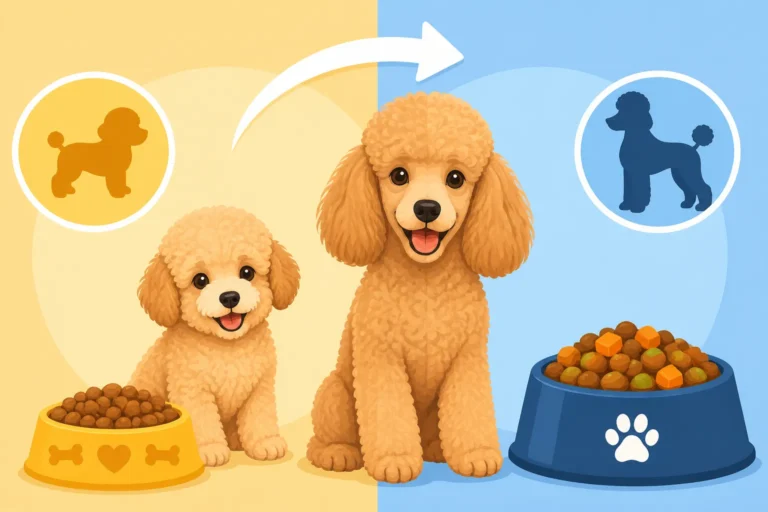
- Life Stage Considerations: Puppies, adults, and senior Poodles have different nutritional needs. A puppy, particularly a Feeding a Standard Poodle Puppy, needs more calories for growth, while a senior Poodle might need fewer calories to prevent weight gain and specific nutrients for joint health.
A Poodle who is fed well will generally have a vibrant, healthy coat that is easier to manage, reflecting their internal health.
Regular Grooming for Health and Accurate Assessment
Grooming isn't just about aesthetics for a Poodle; it's a vital part of their health and allows you to regularly assess their body condition. Budgeting for a Poodle Coat That Never Stops is a real commitment.
- Consistent Brushing: Regular, thorough brushing right down to the skin prevents matting and allows you to feel your Poodle's body regularly. As you brush, you'll naturally run your hands over their ribs, spine, and hips. This familiarization will make it easier to spot subtle changes in their weight. How Often a Poodle Must Be Brushed is more frequent than many new owners anticipate.
- Professional Grooming: Schedule regular appointments with a professional groomer. They are experts in Poodle coats and can keep your dog tidy and mat-free. Plus, a freshly groomed Poodle gives you that clear view and feel of their actual body condition.
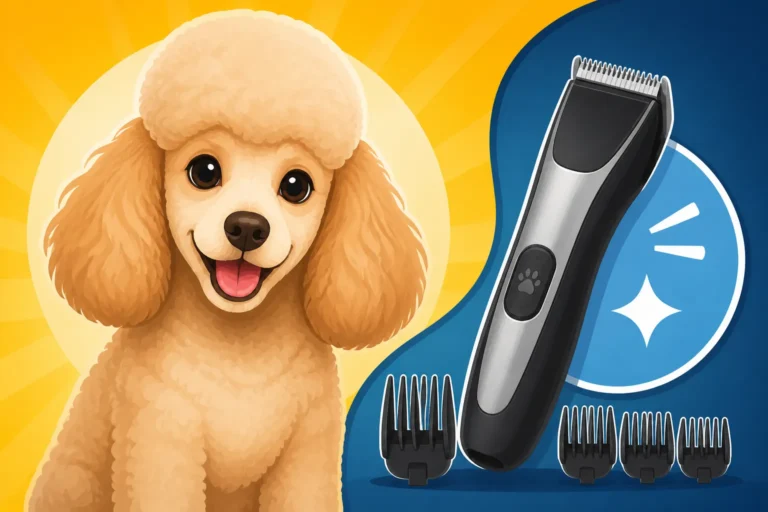
- Home Grooming for Observation: Even if you use a professional groomer, learning some basic home grooming, like using a good set of clippers (available on Amazon), can be incredibly beneficial. Trimming around the face, feet, and sanitary areas between professional grooms helps keep them clean and provides opportunities for hands-on health checks.
- Seasonal Considerations: In colder months, a longer, fluffier coat provides warmth. In warmer months, a shorter clip might be more comfortable and reveal their lean build, potentially leading to that "looks thin" moment, but ultimately for their comfort.
By integrating regular body condition checks into your grooming routine, you'll become attuned to your Poodle's natural physique. You'll learn to distinguish between the optical illusion of a clipped coat and any genuine changes in their weight, giving you peace of mind and ensuring your Poodle stays happy, healthy, and perfectly proportioned under all that magnificent hair.
Disclaimer
This article is for general informational purposes only and does not constitute professional advice. Laws, prices and regulations vary by location and change over time. Consult a qualified professional for guidance on your specific situation.