Clipper Burn on a Closely Trimmed Poodle
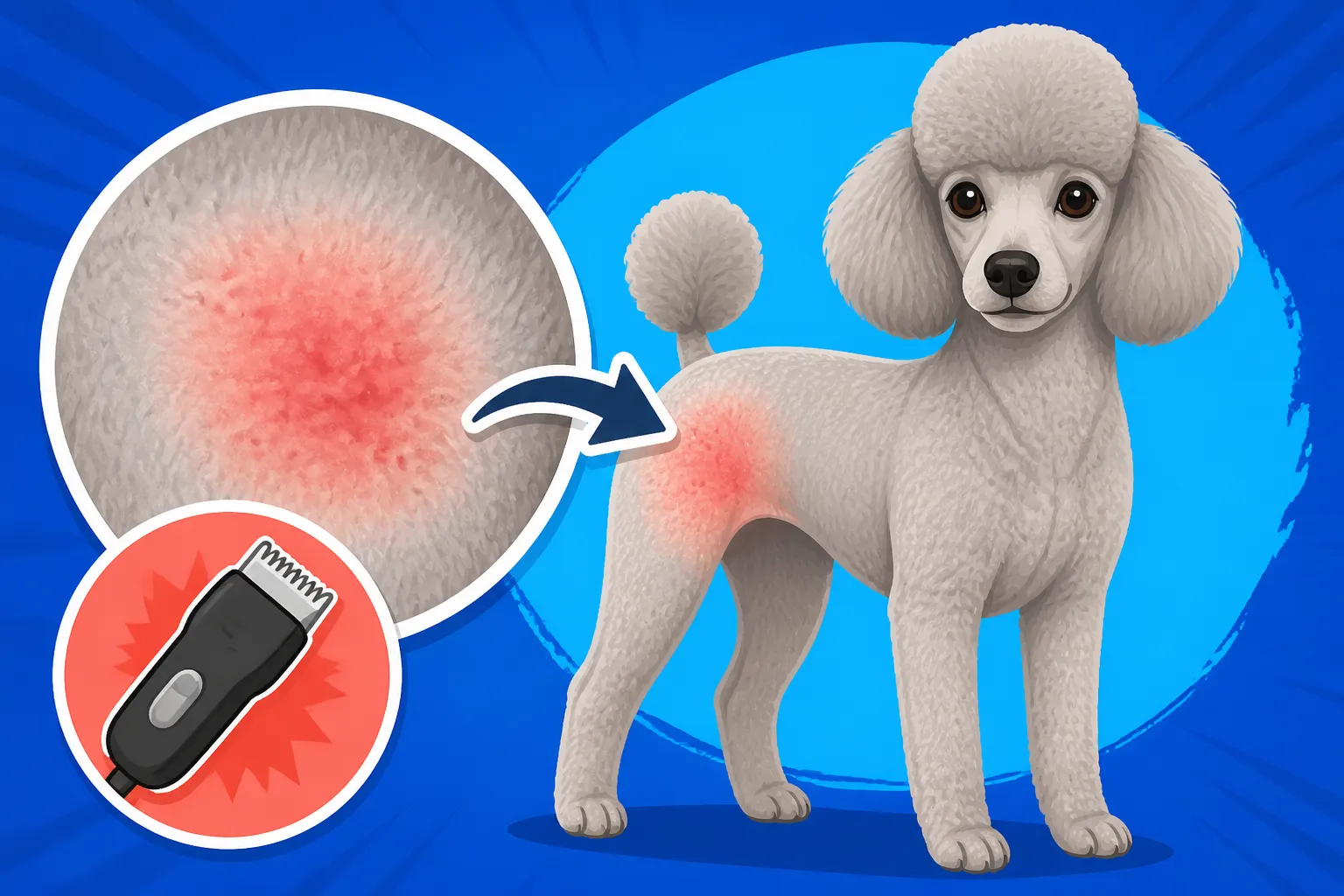
It’s a scenario no Poodle parent wants to face: you pick up your freshly groomed Poodle, admire their sleek, tidy coat, only to discover angry red patches, tiny bumps, or sensitive spots on their skin a few hours later. This isn't just an aesthetic issue; it’s likely clipper burn, a painful irritation that can turn an otherwise positive grooming experience into a source of discomfort and anxiety for your beloved Poodle. This guide will walk you through what clipper burn is, how to prevent it, and how to treat it so your Poodle can always enjoy their necessary grooming sessions without the painful aftermath.
Understanding Clipper Burn: What It Is and Why It Happens
Clipper burn is essentially an irritation or abrasion of the skin caused by grooming clippers. While it can happen to any dog breed, Poodles, especially those with fine skin or who are clipped very short, can be particularly susceptible. It's not just about the clippers themselves; it's a combination of factors that, when ignored, can lead to a truly miserable experience for your furry friend.
The Mechanics of Clipper Burn
Think of clipper blades as tiny, fast-moving teeth. When these teeth encounter resistance, friction, or are simply not gliding smoothly, they can generate heat and cause microscopic trauma to the skin. This isn't usually a single, dramatic cut, but rather a widespread inflammation.
Firstly, heat is a major culprit. Clippers run hot, especially if they've been on for a while or aren't regularly cooled. If a hot blade touches your Poodle’s delicate skin, particularly in sensitive areas like the armpits, groin, or ears, it can literally burn them. This is akin to a mild thermal burn on human skin. Secondly, dull blades are incredibly problematic. Instead of cutting cleanly, dull blades pull and tug at the hair, creating friction against the skin. This constant dragging can abrade the skin surface, causing irritation and redness. It’s like scraping sandpaper over skin repeatedly. Thirdly, dirty blades can exacerbate the problem. Hair and debris can build up between the teeth, making them less efficient and increasing friction. Imagine trying to cut with rusty, gunked-up scissors – not a clean snip, right? Improper technique, such as pressing too hard, making too many passes over one area, or going against the natural lay of the hair, also contributes significantly. Poodle skin, while protected by a dense coat, is still quite delicate underneath, and if you’ve chosen to go with a very short clip, like a kennel clip or a completely shaved body, there's less hair to act as a buffer between the blade and the skin. This is why Whether Clipping Too Short Damages Poodle Skin is such a crucial consideration for Poodle owners.
Recognizing the Signs
Catching clipper burn early can make a big difference in your Poodle's comfort and recovery. The signs are usually quite visible and your Poodle will definitely let you know they're not feeling their best.
The most common signs include redness and inflammation, often appearing as angry red streaks or patches on the skin. You might see small, pimple-like bumps, which are usually inflamed hair follicles. Your Poodle might start incessantly scratching, licking, or chewing at the affected areas. This is their way of trying to relieve the intense itchiness or pain. They might also become visibly uncomfortable when touched in those spots, flinching or pulling away. In more severe cases, the skin might feel hot to the touch, and your Poodle could become lethargic or even run a mild fever if the irritation is widespread or infection sets in. It’s important to distinguish these symptoms from other skin issues your Poodle might experience. For instance, Poodle skin can be prone to Poodle Allergies and Skin Reactions or even Skin Infections Under a Matted Poodle Coat if not properly cared for. If the redness is accompanied by dry, flaky patches or hair loss that doesn't resolve quickly, it might be something more, like What a Poodle's Itch Is Allergy or Adenitis, which requires veterinary attention.
Preventing Clipper Burn: Best Practices for Grooming
The good news is that clipper burn is largely preventable with proper tools, technique, and awareness. Whether you groom your Poodle at home or rely on a professional, understanding these best practices is key to ensuring a comfortable experience for your Poodle.
Proper Blade Selection and Maintenance
The blades are the business end of the clippers, and their quality and condition are paramount. You really need to invest in good quality blades. Ceramic blades tend to stay cooler longer than steel blades, but even the best steel blades will overheat eventually. Have multiple blades on hand so you can swap them out frequently. Every 10-15 minutes, or sooner if they feel warm, switch to a cool blade. While the other blade cools down, you can spray it with a blade coolant, which is readily available on platforms like Amazon or Chewy. This helps dissipate heat and keeps them hygienic.
Sharpness is non-negotiable. Dull blades are a primary cause of clipper burn because they drag and pull. Regularly send your blades out for professional sharpening or replace them entirely when they show signs of dullness. A good rule of thumb is if you feel the blade pulling the hair rather than cutting it cleanly, it’s time for a new one or a trip to the sharpener. You can find detailed advice on Replacing Blades That Dull on Poodle Coat to help you maintain your grooming toolkit. Always clean your blades after each use, removing all hair and debris, and then oil them. This keeps them running smoothly and prevents rust, extending their lifespan. Choosing the right clippers also makes a huge difference; check out Clippers Worth Buying for a Poodle for recommendations.
Grooming Technique and Preparation
Preparation is half the battle when it comes to a smooth grooming session. Never attempt to clip a dirty or matted Poodle. Mats will snag the blades, pull at the skin, and make it impossible for the clippers to glide. A matted coat also traps dirt and oils, making the skin even more susceptible to irritation. This is why a good bath, thorough conditioning, and complete drying and brushing are essential before you even turn on the clippers. For more on this, consider How Often a Pet Poodle Needs Brushing to ensure your Poodle’s coat is always in top condition.
When clipping, always hold the clippers flat against the skin, maintaining even pressure. Avoid pressing down too hard, especially over bony areas or where the skin is thin and loose. Work slowly and methodically, using long, smooth strokes. For most clips, you should go with the natural growth of the hair. Going against the grain can give a closer cut but significantly increases the risk of irritation, especially in sensitive areas or if your Poodle has particularly delicate skin. Minimize repeated passes over the same area, as this builds up heat and friction. Stretch out loose skin in areas like the armpits or flanks to create a taut, flat surface for the clippers to glide over. This prevents accidental nicks and ensures a more even cut. When choosing a blade, consider the length. A shorter blade gets closer to the skin and thus carries a higher risk of clipper burn. For most pet clips, leaving a bit of length (a #7F or #5F blade, for example) is often safer and more comfortable for your Poodle than going for a super close shave. For detailed guidance, you might find Which Blade Length for a Pet Poodle helpful.
Here's a quick guide to common blade lengths and their general uses:
| Blade Number | Hair Length Left (approx.) | Common Use | Clipper Burn Risk |
|---|---|---|---|
| #10 | 1/16 inch (1.6 mm) | Sanitary areas, pads, sometimes body | Medium |
| #7F | 1/8 inch (3.2 mm) | Close body clip, matted coats | Medium to High |
| #5F | 1/4 inch (6.4 mm) | Shorter body clip, often for pet Poodles | Low to Medium |
| #4F | 3/8 inch (9.5 mm) | Medium body clip, good for year-round | Low |
| #30 | 1/50 inch (0.5 mm) | Surgical prep, under comb attachments | Very High |
Note: "F" blades are "finish" blades, designed to leave a smooth finish without needing to go over with a comb.
Treating Clipper Burn: Soothing and Healing Irritated Skin
If, despite your best efforts, your Poodle does end up with clipper burn, don't despair. There are several steps you can take to alleviate their discomfort and help their skin heal. The key is to act quickly and gently.
Immediate First Aid and Comfort
As soon as you notice the signs of clipper burn, your priority is to soothe the irritated skin. Start by gently cleaning the affected areas with a mild, unscented cleanser or even just lukewarm water. Avoid harsh soaps or rubbing vigorously, as this will only increase the irritation. A cool compress applied to the red areas can provide immediate relief by reducing inflammation and pain – just hold a clean cloth soaked in cool water against the skin for a few minutes at a time.
To prevent your Poodle from further irritating the skin with scratching or licking, an Elizabethan collar (e-collar or "cone of shame") might be necessary. While no dog loves wearing a cone, it's crucial for preventing infection and allowing the skin to heal undisturbed. Over-the-counter hydrocortisone cream (1% strength) or a soothing topical ointment specifically formulated for dogs can be applied sparingly to reduce redness and itchiness. Look for products containing aloe vera or witch hazel, known for their calming properties. You can find many gentle pet-safe topical solutions on retailers like Chewy or Amazon. Always double-check that any product you use is safe for dogs and won't be harmful if ingested in small amounts if your Poodle somehow manages to lick it.
Long-Term Skin Recovery and Management
For the days following the initial irritation, continue to monitor the skin closely. Keep the area clean and dry. Avoid any harsh rubbing or further grooming until the skin has completely healed. When it's time for the next bath, choose a very gentle, hypoallergenic shampoo designed for sensitive skin, such as those you can find recommended in Shampoo That Suits a Curly Poodle Coat. Rinse thoroughly to ensure no residue is left behind, as this can exacerbate itching.
Beyond external care, consider supporting your Poodle's skin health from within. A high-quality diet rich in Omega-3 fatty acids can promote healthy skin and coat, making it more resilient to irritation. Some premium dog food brands, like Ollie, focus on fresh ingredients that support overall health, including skin vitality. If your Poodle typically eats kibble, look for formulas that emphasize skin and coat health, often containing fish oils or flaxseed. Ensure they are well-hydrated, as healthy skin needs plenty of moisture from the inside out. If the clipper burn was particularly severe or showed signs of developing into an infection, a vet visit is paramount to discuss stronger medication, such as antibiotics or prescription anti-inflammatory drugs.
When to Call the Vet: Serious Cases and Underlying Issues
While most cases of mild clipper burn resolve with diligent home care, there are times when a trip to the veterinarian is absolutely necessary. Ignoring severe or worsening symptoms can lead to more serious health complications for your Poodle.
Signs of Infection or Severe Reaction
Be vigilant for signs that the clipper burn is escalating beyond simple irritation. If you notice pus, oozing, or a foul odor coming from the affected areas, these are clear indicators of a bacterial infection. Swelling, increased heat, or spreading redness that continues to worsen despite your home efforts are also red flags.
Beyond the skin itself, observe your Poodle's general demeanor. If they become lethargic, lose their appetite, run a fever, or exhibit excessive pain when touched, it means their body is struggling to cope, and medical intervention is needed. These symptoms could point to a more severe infection that requires oral antibiotics or other systemic treatments. In rare cases, some dogs can have an allergic reaction to something in the grooming process (a product, or even the friction itself), leading to hives or a more widespread skin reaction. A vet can accurately diagnose this and prescribe appropriate antihistamines or corticosteroids. Remember, a Poodle’s sensitive nature often means they can hide discomfort, so staying observant is crucial. Reading Pain in a Sensitive Poodle can help you understand subtle cues your Poodle might be giving you.
Preventing Future Incidents with Professional Help
If you've encountered clipper burn, it's a good idea to re-evaluate your grooming practices or discuss them with a professional. If you groom at home, consider enrolling in a grooming workshop or asking an experienced groomer for tips specific to your Poodle’s coat type and skin sensitivity. Sometimes, just a minor adjustment in technique or tool usage can make all the difference.
If you use a professional groomer, have an open conversation with them. Explain what happened and show them the affected areas. A reputable groomer will want to know and will work with you to prevent recurrence. They might suggest using different blades, a different clipping pattern, or applying a soothing treatment post-groom. For Poodles with extremely sensitive skin or a history of recurring clipper burn, it might even be worth exploring if there's an underlying dermatological issue, such as allergies, that makes their skin more reactive. Your vet can perform tests to rule out or manage conditions that contribute to skin sensitivity, making future grooms less risky. Don't be afraid to advocate for your Poodle's comfort – their well-being during and after grooming is what truly matters.
Disclaimer
This article is for general informational purposes only and does not constitute professional advice. Laws, prices and regulations vary by location and change over time. Consult a qualified professional for guidance on your specific situation.