What Sends a Poodle Down the Placings
You've poured your heart and soul into your beautiful Poodle, meticulously grooming them, practicing their stack, and perfecting your gait. It's a huge commitment, both in time and effort. So, when you step into the conformation ring, filled with hope, and then watch as your star Poodle doesn't get a second look from the judge, it can be truly heartbreaking. You know your dog is gorgeous, intelligent, and deserves recognition, but for some reason, the judge isn't seeing it. This guide is here to shed light on those often subtle, sometimes glaring, reasons why a Poodle might get passed over in the show ring, helping you understand the intricacies of conformation and how to give your beloved companion the best possible chance.
Disqualifying Faults and Structural Deviations
The foundation of any successful show dog lies in its adherence to the breed standard. This isn't just about looking pretty; it's about a dog's fundamental structure and characteristics that define the Poodle breed. When a Poodle deviates significantly from this standard, it can severely impact their chances of placing, or even lead to disqualification. Judges are trained to spot these details, often with just a glance or a quick feel.
Size and Proportion Discrepancies
One of the most immediate and undeniable reasons a Poodle might fall down the placings is if their size or proportions don't match the breed standard. Poodles come in three distinct varieties: Standard, Miniature, and Toy, and each has a very strict height requirement measured at the highest point of the shoulder. A Standard Poodle must be over 15 inches, a Miniature over 10 inches but not exceeding 15 inches, and a Toy Poodle 10 inches or under.
If your Poodle falls into that awkward "in-between" height – say, a Miniature that's 15.5 inches or a Toy that measures 10.5 inches – they are immediately disqualified in most major registries. This is a hard-and-fast rule with no wiggle room. It's not about how beautiful they are, but a simple measurement. Beyond height, the breed standard also calls for a "square" appearance, meaning the length of the body from the breastbone to the point of the rump should be approximately equal to the height at the shoulder. A Poodle that is noticeably long-backed or short-backed, even if they hit the right height, will be faulted because it affects their overall balance and efficient movement. These proportional issues, while not always disqualifying, will certainly prevent a Poodle from placing highly against competitors who better embody the desired "square" silhouette. This directly relates to What a Poodle Between the Sizes Is Called.
Incorrect Bite or Dental Structure
A Poodle's mouth and teeth might seem like a small detail, but it's crucial in the conformation ring. Judges will always check the bite, looking for a perfect scissors bite where the upper incisors just slightly overlap the lower incisors. Any deviation from this, such as an overshot bite (where the upper jaw protrudes significantly) or an undershot bite (where the lower jaw protrudes), is considered a fault. Depending on the severity, it can be a minor fault, a major fault, or even a disqualification.
Missing teeth, beyond accidental breaks, can also be a fault. While older dogs may have missing teeth due to age or necessary extractions, a young Poodle missing teeth that should be present indicates a genetic issue. The structure of the jaw and teeth is vital for a dog's ability to grasp and hold, reflecting their historical role as retrieving water dogs. Even if your Poodle has been diligently groomed and their teeth are sparkling clean (perhaps with some dental chews you found on Chewy!), a structural fault in their bite cannot be hidden or improved upon. It's a fundamental aspect of their skeletal makeup, and judges are meticulous about checking this detail, as it speaks to the breed's functional integrity.
Coat and Color Irregularities
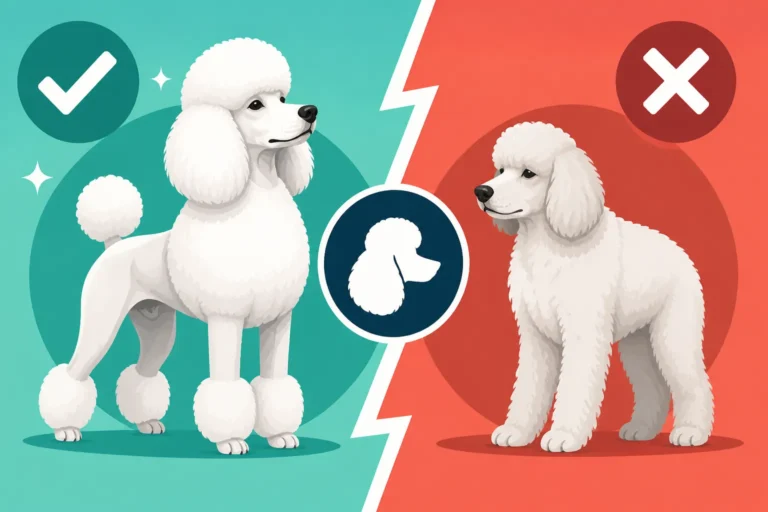
The Poodle's coat is its crowning glory, but not all coats and colors are equally valued in the conformation ring. The breed standard for most major kennel clubs, like the AKC, specifies that Poodles should be a solid color. This means the entire coat, from the skin to the tip of the hair, should be one uniform color. While beautiful and popular, Poodles with "parti" markings (two or more distinct colors), "phantom" markings (specific lighter points on a darker body), or "sable" patterns (dark-tipped hairs on a lighter base) are considered disqualified from the regular conformation ring. They can often compete in alternative venues or companion events, but not in breed conformation where the standard for solid color is strictly enforced. Understanding Parti Poodles and the Show Ring and Phantom Poodle Markings is key here.
Beyond color, the quality of the coat is paramount. A Poodle's coat should be dense, harsh in texture, and curly. Faults include a soft, cottony coat, a sparse coat, a wiry coat, or a straight coat. These coat textures can make it impossible to achieve the desired show clips and indicate a deviation from the genetic ideal. A Poodle with a coat that lacks density or the correct springy curl will immediately stand out, and not in a good way, against dogs with the proper texture. Even with the most skilled grooming, a fundamentally incorrect coat type will lower a Poodle's chances, as it cannot be changed. This is where a deep understanding of The Poodle Coat in the Standard comes into play.
Grooming and Presentation Errors
Even if your Poodle has impeccable structure and a perfect temperament, poor grooming and presentation can easily send them down the placings. The Poodle is a breed defined by its unique coat and the artistry of its styling. A judge sees the overall picture first, and a subpar groom screams "unprepared."
Substandard Clipping or Styling
The Poodle is one of the few breeds where specific clips are mandated for the show ring. For adult Poodles, this typically means a Continental or English Saddle clip. For Poodles under 12 months, the Puppy Clip is allowed. Any other style, such as a pet lamb clip, a town and country clip, or anything resembling a "doodle" cut, will result in immediate dismissal from the ring. This isn't just about fashion; these clips are designed to highlight the Poodle's musculature and elegant structure. For more detail, see Which Poodle Clips the Ring Allows and Why Adult Poodles Cannot Show in a Puppy Clip.
But it's not enough to simply have the correct clip; it must be executed perfectly. Judges are looking for clean lines, precise edges, and a balanced, symmetrical appearance. Uneven rosettes, a lop-sided topknot, a scraggly neck, or feet that aren't cleanly shaved are all significant presentation faults. The "clean face and feet" rule is critical – any hair left on the face (excluding the topknot/ears) or paws will severely detract from the Poodle's elegant look. These are not merely cosmetic issues; they demonstrate a lack of attention to detail and a failure to present the dog according to the highest standards of the breed. Even if you've invested in top-notch clippers and blades, the skill and consistency of the execution are what truly matter.
Unkempt Coat and Poor Conditioning
A Poodle's coat needs to be in pristine condition to be shown. The biggest culprit for poor coat presentation is matting. Mats are dense tangles of hair that can pull at the skin, cause discomfort, and completely obscure the dog's true form. Even small, hidden mats in the armpits or behind the ears are unacceptable. They suggest a lack of regular grooming and poor care. If a judge finds a mat, it's a huge strike against the dog, as it shows the dog hasn't been properly prepared.
Beyond mats, the overall health and condition of the coat are judged. The coat should be clean, free of debris, and exhibit the desired texture – springy, dense curls. A dry, brittle, or greasy coat can indicate nutritional deficiencies, skin issues, or improper bathing and conditioning. A judge can feel the coat as they examine the dog, and an unhealthy texture will be noted. Regular brushing down to the skin, as discussed in Brushing a Poodle to the Skin, and using appropriate shampoos and conditioners (many excellent options are available on Chewy) are essential for maintaining a show-ready coat. A well-conditioned coat shines, moves beautifully, and showcases the Poodle's inherent elegance.
Lack of Overall Cleanliness
While a fantastic clip and coat are paramount, the devil is in the details when it comes to overall cleanliness. Judges examine every part of the dog, and any signs of neglect will detract from the overall impression. This includes:
- Teeth: While the bite structure is genetic, dirty teeth, excessive tartar, or gingivitis reflect poor dental hygiene. Sparking white teeth are a sign of a well-cared-for dog.
- Nails: Nails should be trimmed short and neat, ideally with the quick receded enough so they don't touch the ground when the dog stands. Overly long nails can affect gait and are a definite no-no.
- Ears: The inside of the ears should be clean and free of excessive hair or wax. Dirty or inflamed ears can be a sign of infection and will be noticed.
- Eyes: Clear, bright eyes are expected. Tear staining, especially on lighter-colored Poodles, should be minimized or completely absent.
These small imperfections might seem minor, but they add up. They convey to the judge that the handler might not be entirely committed to the meticulous care required for a Poodle, or worse, that the dog isn't in peak health. Every aspect of the dog's presentation, down to the smallest detail, contributes to the judge's overall impression and can be the deciding factor in close competition. Poodle Ears, Eyes and Nails covers some of these vital areas.
Temperament and Ring Demeanor
A Poodle's physical attributes are important, but how they carry themselves in the ring and interact with the judge is equally critical. A dog with perfect conformation but poor ring demeanor will rarely place well. Judges want to see a confident, well-adjusted dog that enjoys its time in the spotlight.
Shyness or Fearfulness
A Poodle that exhibits shyness or fear in the ring is at a significant disadvantage. This can manifest as cowering, shying away from the judge's touch, tucking its tail, refusing to gait, or trying to hide behind the handler. Judges need to be able to thoroughly examine the dog, including feeling its structure and checking its bite. If a Poodle is resistant or fearful during this process, it prevents the judge from doing their job properly and immediately signals a temperament fault.
While Poodles are known for their sensitivity, they should be confident and outgoing. A fearful dog not only makes a poor impression but also raises questions about its socialization and training. Early socialization, exposing a Poodle puppy to various sights, sounds, people, and environments (as discussed in Socializing a Poodle Before It Turns Wary), is paramount to building a confident temperament. A dog that is constantly trying to escape or avoid interaction will inevitably be overlooked, regardless of its beauty. Reading Pain in a Sensitive Poodle can also provide insight into subtle signs of discomfort or fear.
Aggression or Over-Exuberance
On the other end of the spectrum, aggression or excessive exuberance can also lead to a Poodle being sent down the placings, or even excused from the ring. Aggression, such as growling, snapping, or lunging at the judge or other dogs, is a serious fault and typically results in immediate disqualification. No judge wants to feel unsafe in the ring, and it’s a clear indication of a significant temperament flaw.
Over-exuberance, while not as severe as aggression, can also hinder a Poodle's performance. A dog that is constantly jumping, pulling frantically on the leash, barking excessively, or refusing to stand still is difficult for a judge to assess accurately. While enthusiasm is appreciated, it needs to be channeled into controlled, focused energy. The goal is a dog that is alert and engaged, but also calm and cooperative. Training classes and consistent practice, sometimes with the help of specialized leads or collars found on Chewy, are essential to teach a Poodle appropriate ring manners and the self-control needed to present itself gracefully.
Lack of Focus or Boredom
A Poodle's intelligence is a hallmark of the breed, but if that intelligence isn't properly channeled in the ring, it can manifest as a lack of focus or outright boredom. A dog that is sniffing the ground, looking away, constantly distracted by its surroundings, or generally appears "checked out" isn't showcasing its best self. They need to be attentive to the handler and engaged in the task of showing.
A bored Poodle might lie down during stacking, refuse to gait enthusiastically, or simply seem indifferent to the entire process. This can be frustrating for a handler who knows their dog has potential. To counteract this, handlers need to keep their Poodles mentally stimulated and excited about being in the ring. Short, engaging training sessions, positive reinforcement, and making the show experience fun can help. Sometimes, a Poodle just needs a "job" or a clear understanding of what's expected. As explored in Keeping a Poodle Mind Occupied, a smart dog needs more than just physical exercise; it needs mental engagement to truly shine. If a Poodle appears dull or disinterested, it diminishes its presence and makes it less likely to catch the judge's eye.
Handler Errors and Presentation Faux Pas
The handler plays a pivotal role in a Poodle's success in the conformation ring. Even the most perfectly bred and groomed Poodle can be let down by an inexperienced or nervous handler. The handler is the link between the dog and the judge, and their presentation skills are just as important as the dog's qualities.
Poor Stacking or Gaiting
The handler's primary job is to showcase the Poodle's strengths and minimize any weaknesses through expert stacking and gaiting. Stacking involves positioning the dog's body and limbs in a way that highlights its correct angles, topline, and overall balance as described in The Poodle the Standard Describes. A poor stack can hide good bone structure, make a Poodle appear too long or too short, or incorrectly represent its proportions. If the dog isn't stacked squarely, it can mislead the judge about its true conformation.
Similarly, gaiting (moving the dog around the ring) is crucial. The handler must move at a pace that allows the Poodle to exhibit its free, effortless, and sound movement. Moving too fast can make a dog appear to "fly" around the ring, obscuring its gait, while moving too slowly can make it look sluggish or unsound. A handler who is out of sync with their Poodle, or who allows the dog to pull ahead or lag behind, prevents the judge from accurately assessing its movement. The Poodle should move with grace and reach, and it's the handler's skill that allows the dog to demonstrate this. For more insights on what judges are looking for, refer to What a Ring Judge Checks on a Poodle.
Inexperience or Nervousness
Judges are highly experienced and can often sense a handler's nervousness or lack of confidence. This can subtly, or not so subtly, transfer to the dog, making it perform less optimally. An inexperienced handler might fumble with the leash, miss cues from the judge, inadvertently block the judge's view of the dog, or struggle to keep their Poodle focused. These small mistakes, while understandable, can create a less polished impression compared to a seasoned team.
Confidence in the ring comes from extensive practice and understanding the flow of a show. Attending handling classes, participating in match shows, and seeking mentorship from experienced handlers are invaluable. A handler who is unsure of themselves might rush, move awkwardly, or not know how to recover smoothly from a mistake, all of which detract from the Poodle's presentation. While judges evaluate the dog, the handler's presentation is inextricably linked to how the dog is perceived. Some handlers find specific training treats or focus-enhancing toys, often available on platforms like Chewy, can help keep their Poodle engaged and themselves calm during stressful moments.
Distracting Attire or Behavior
The focus in the conformation ring should always be on the dog, not the handler. Handlers should dress professionally but inconspicuously, in attire that allows them to move freely without drawing attention away from their Poodle. Flashy clothing, excessive jewelry, or outfits that clash with the dog's color can create a visual distraction.
Beyond attire, the handler's behavior can also be distracting. Constant talking to the dog (beyond necessary cues), excessive fidgeting, adjusting the dog's coat too much, or displaying frustration will be noticed. A good handler is a quiet, confident presence that guides their Poodle seamlessly. They should be aware of where the judge is at all times, ensuring they don't position themselves in a way that obstructs the judge's view. Any behavior that draws the judge's eye away from the Poodle and onto the handler is a presentation faux pas that can cost them a placement. As explored in Training a Poodle to Enjoy Grooming, the goal is to make the entire experience smooth and positive for the dog, which reflects well on the handler's competence.
Common Reasons Poodles Miss Placements
| Category | Specific Issues | Impact on Placing | How to Mitigate |
|---|---|---|---|
| Conformation Faults | Incorrect Height/Proportion, Bad Bite, Wrong Coat Color/Texture, Missing Teeth | Can lead to disqualification or severe faulting | Thoroughly vet breeders, know the standard, genetic testing. |
| Grooming/Presentation | Incorrect Show Clip, Mats, Dirty Ears/Teeth/Nails, Poor Coat Condition | Major deductions, shows lack of care | Daily grooming, professional grooming, proper tools, quality products (e.g., from Chewy). |
| Temperament/Ring Demeanor | Shyness, Fearfulness, Aggression, Excessive Exuberance, Lack of Focus, Boredom | Highly penalized, can lead to dismissal | Early socialization, consistent positive training, mental stimulation. |
| Handler Errors | Poor Stacking, Uneven Gaiting, Nervousness, Distracting Attire/Behavior | Obscures dog's virtues, creates negative impression | Handling classes, practice, mentorship, ring awareness. |
Understanding what judges are looking for in a Poodle, from the tips of their shaved paws to the elegant set of their tail, is an ongoing journey. It combines knowing the breed standard inside and out, committing to impeccable grooming, nurturing a confident and focused temperament, and developing skilled handling techniques. While not every Poodle is destined for the Best in Show ring, by addressing these common pitfalls, you can significantly improve your Poodle's chances and ensure they are presented in the best possible light. It's a team effort between you and your Poodle, and with dedication, you can both shine.
Disclaimer
This article is for general informational purposes only and does not constitute professional advice. Laws, prices and regulations vary by location and change over time. Consult a qualified professional for guidance on your specific situation.